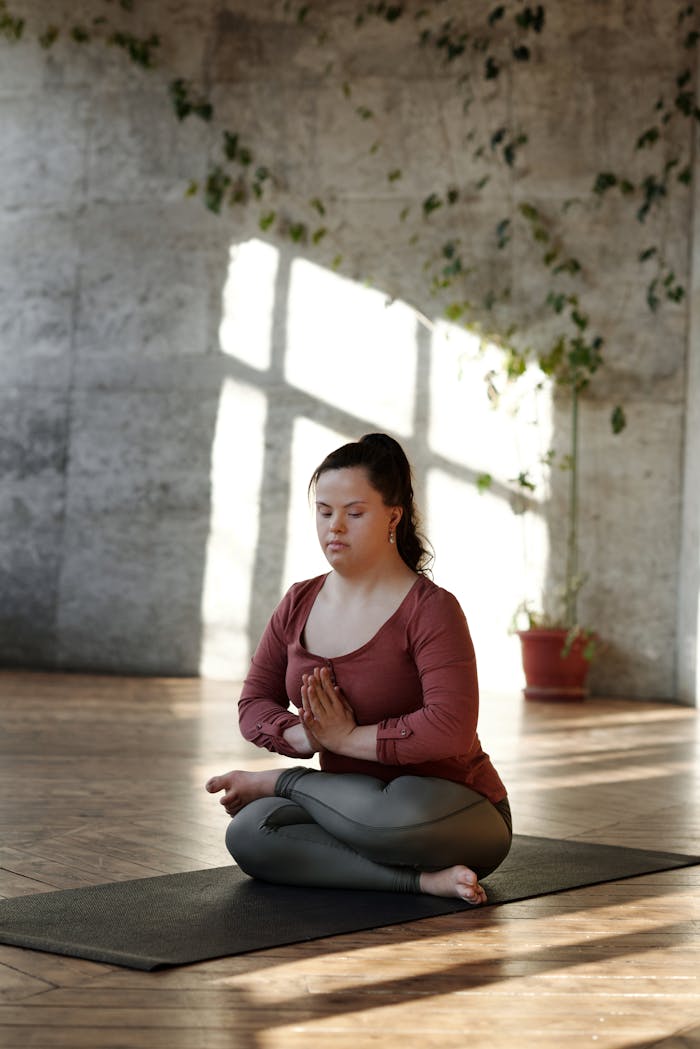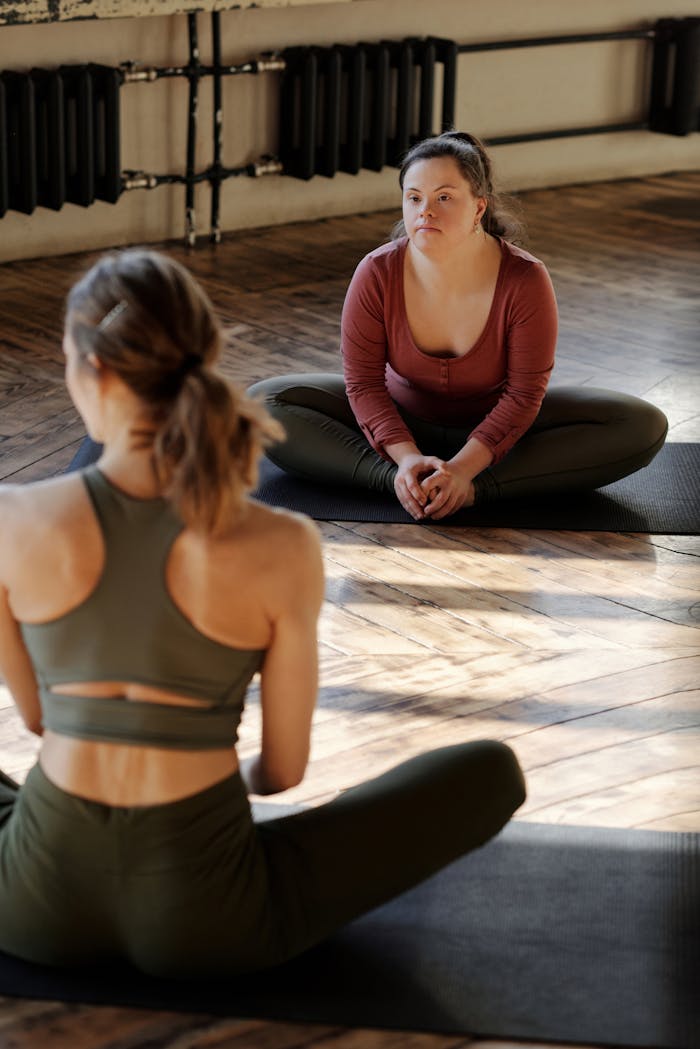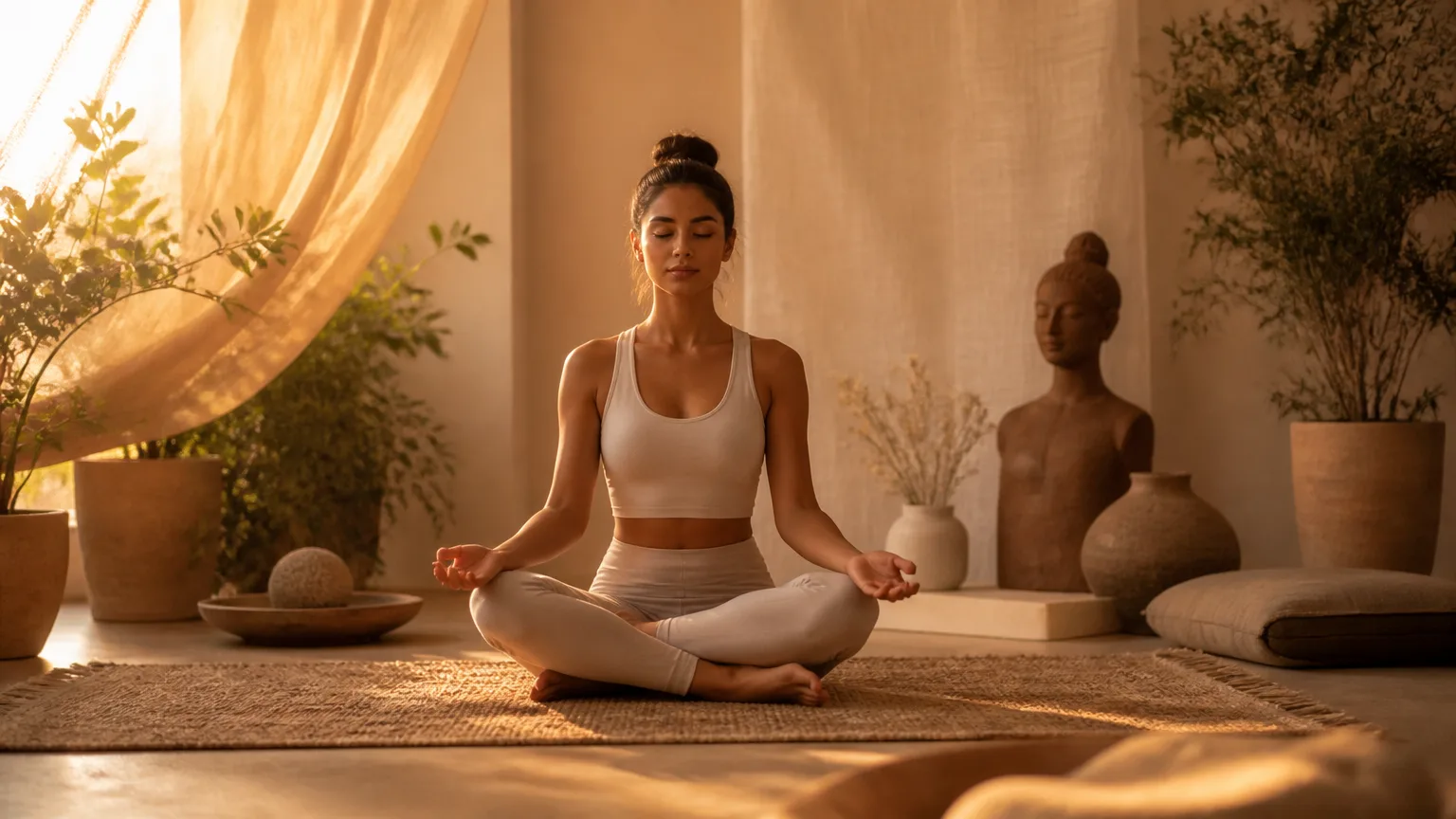
Yoga art is more than a beautiful image of a pose or a peaceful figure in meditation. It is a visual language shaped by movement, breath, presence, symbolism, and personal intention. From paintings and illustrations to sculpture, textiles, photography, and digital design, yoga art can reflect the inner qualities that practice helps us cultivate.
It can also shape the spaces where we practice, rest, and live. A thoughtfully arranged meditation corner, natural materials, gentle lighting, or a meaningful textile can invite us to pause and reconnect. For inspiration and a welcoming perspective on mindful living, explore Joyous Yoga.
This article will explore how visual choices can support calm without treating yoga as a passing wellness trend. We will consider the difference between culturally informed symbolism, personal expression, and generic decoration that borrows spiritual imagery without understanding its roots.
That distinction matters. A lotus, mandala, deity, or Sanskrit phrase may carry deep cultural and philosophical meaning, while another design may simply express someone’s relationship with stillness, nature, or movement. Both can have a place, when chosen with care, respect, and awareness.
Whether you are creating artwork, choosing pieces for your home, or shaping a space for practice, mindful design begins with intention. The goal is not to create a perfect aesthetic. It is to build an environment that feels honest, supportive, and connected to your unique path.
What Yoga Art Means: From Visual Beauty to Inner Practice
Yoga art does not have one fixed definition. It may portray familiar asanas, flowing bodies, or peaceful meditation scenes. It can also explore breath, energy, stillness, connection, and the subtle shifts we feel within ourselves.
At its heart, yoga art connects outer form with inner experience. A painting’s open space might suggest spacious breathing. Gentle lines may reflect movement between effort and ease. Warm, grounded colors can create a sense of stability, while layered textures may express the changing rhythms of attention.
This relationship invites us to notice how visual choices affect the body and mind. A crowded design may feel stimulating or unsettled. Soft shapes, balanced proportions, and thoughtful spacing may encourage calm. These responses are personal, but they remind us that our surroundings can influence how we move, rest, focus, and feel.
The philosophy of yoga can also shape an artwork’s intention. Raja Yoga’s eight-limbed path offers a broader framework for living with awareness. Its teachings on ethical action, self-discipline, breath, concentration, meditation, and connection can guide both the creative process and the experience of viewing the finished work.
For example, an artist might practice mindfulness by observing color, texture, and emotion without rushing to judge them. Non-attachment can create freedom from perfectionism or the need for praise. Self-study, often called svadhyaya, encourages honest reflection: What am I expressing? What stories or feelings are shaping this piece? Who might experience it, and how?
These questions help yoga-inspired design move beyond decoration. Adding lotus flowers, mandalas, or Sanskrit lettering does not automatically make a piece meaningful. Such symbols carry cultural, spiritual, and historical significance, so they deserve respectful context rather than casual use.
Meaningful yoga art begins with personal reflection and informed intention. A designer creating a meditation room might consider how light, acoustics, materials, and pathways support presence. An illustrator might explore the experience of balancing in tree pose instead of simply drawing the posture.
The result does not need to look traditionally “yogic.” It may be minimal, abstract, vibrant, handmade, or quietly functional. What matters is the relationship between the design and the qualities it invites: attention, embodiment, balance, compassion, and a deeper connection with oneself and the surrounding world.
Popular Styles of Yoga Art and the Experience Each Creates
Yoga art can take many visual forms, and each approach shapes a different emotional experience. Some pieces document the body in recognizable poses. Others suggest breath, awareness, devotion, or community through color, movement, and symbol.
Figurative and Gestural Work
Figurative yoga art shows people practicing asana, seated in meditation, or moving through a sequence. Clear anatomy and familiar postures can feel encouraging and grounding, especially in a studio or personal practice space. These images may help viewers connect with embodiment, though they can sometimes suggest that yoga is primarily about physical achievement.
Abstract and gestural work offers a less literal path. Sweeping lines, layered brushstrokes, and loose forms can evoke breath, energy, transition, or the rhythm of movement. Large scale and dynamic composition often feel energizing, while softer marks and open space can invite contemplation. This style may feel more personal, but its meaning can remain intentionally open.
Mandalas, Geometry, and Chakra-Inspired Color
Mandalas and geometric designs use symmetry, repetition, and proportion to create a sense of order. Their centered compositions can feel meditative and steady, making them well suited to quiet corners or spaces for reflection. Dense patterns may also feel stimulating, so consider how much visual activity supports your attention.
Chakra-inspired palettes often use color symbolically, from grounding reds and oranges to calming blues and expansive violet tones. These associations can guide a mood without dictating one fixed meaning. Color, lighting, and scale matter greatly; a small, muted piece may feel intimate, while a vivid wall hanging can energize an entire room.
Nature-Based Imagery and Minimalist Line Art
Nature-based yoga art connects practice with mountains, water, leaves, flowers, animals, or changing skies. Organic shapes and tactile textures can create a grounded, restorative atmosphere. A forest scene may suggest stillness, while flowing water can reflect release and adaptability.
Minimalist line art takes the opposite visual route. A single continuous figure, hand-drawn contour, or simple lotus can feel intimate and peaceful. Its restraint leaves room for breath and awareness, although very sparse designs may feel less expressive in a large or highly active space.
Sacred, Devotional, and Digital Approaches
Sacred or devotional art may feature deities, mantras, symbolic objects, or traditional spiritual imagery. Such work can deepen feelings of reverence, connection, and devotion when its cultural context is understood and respected. Choose pieces thoughtfully, especially when engaging with traditions beyond your own.
Contemporary digital illustration brings yoga into playful, accessible, and imaginative spaces. Layered gradients, animation-inspired figures, and bold compositions can make a room feel fresh and welcoming. It can also support creative and unconventional yoga practices by showing that mindfulness can be curious, communal, and joyful.
As you explore these styles, notice what your body feels first. The most supportive piece may not depict a pose at all. It may simply create enough visual space to return to your breath.
How Color, Shape, and Symbolism Influence Mindful Design
Once you understand the many forms yoga art can take, visual choices become practical tools for shaping attention. Color, shape, space, and symbolism can influence how a room feels, how a website guides the eye, or how a journal invites reflection. Begin by asking what quality your design should support: calm, energy, connection, focus, or openness.
A restrained palette can offer visual rest without making every space look the same. Soft greens, warm neutrals, clay tones, sky blues, and muted golds often create a grounded connection with nature. For meditation, try gentle contrast and a few carefully chosen colors. For a group studio, warmer shades may encourage welcome and community, especially when balanced with quieter accents.
Shape also affects the nervous system. Organic curves, flowing lines, and rounded forms can suggest ease and continuity, while clean geometric shapes may bring structure and clarity. Repeated forms create rhythm, making them useful in movement-focused spaces, website patterns, or journal layouts. You might echo the arc of a wave, the shape of a breath, or the steady pattern of a walking meditation.
Negative space is equally important. Empty areas give the eyes somewhere to rest and prevent meaningful elements from competing for attention. A minimal altar, an uncluttered homepage, or a journal page with generous margins can support a more focused experience. Balance does not require perfect symmetry; balanced asymmetry can feel more natural, personal, and alive.
Symbols can add emotional depth to yoga art, but they deserve thoughtful use. The lotus may suggest growth and unfolding, while the sun can represent vitality, warmth, or awareness. The moon often evokes reflection and cycles, and mountains may symbolize steadiness. Circles and mandalas can point toward wholeness, while flowing lines may recall breath, water, or movement.
These images also carry cultural and spiritual histories. Before using a symbol, investigate its origins, meanings, and relationship to living traditions. Avoid treating sacred imagery as a decorative trend or combining symbols without understanding them. If devotion is central to your creative intention, learning about Bhakti Yoga and devotional connection can offer a more respectful foundation.
Let the intended practice guide each decision. A meditation corner may benefit from soft contrast, natural hues, and spacious compositions. A movement room might use rhythmic forms and uplifting color. A communal space can welcome people through warm tones and generous visual balance, while a personal focus area may call for minimal design.
Try observing your response before finalizing the design. Does your gaze soften, wander, or become tense? Mindful design is not about following a fixed formula. It is about creating visual conditions that help you return to presence in a way that feels sincere and uniquely your own.
Ways to Bring Mindfulness Into Yoga-Inspired Design
Mindful design begins with a pause. Before choosing colors, images, or materials, notice how you want the space or object to feel. Perhaps you want more calm in a busy room, greater focus during practice, or a sense of warmth and belonging.
Use this simple process to guide your choices:
- Name the feeling and intention. Choose a few words, such as grounded, spacious, joyful, or connected. Let them shape the design rather than following a trend. A meditation corner may need quiet simplicity, while a community studio might welcome expressive color and movement.
- Edit visual distractions. Look at what competes for your attention. Remove unnecessary objects, busy patterns, or messages that no longer support your purpose. Empty space can be an important part of yoga art because it gives the eyes and mind room to settle.
- Select sensory elements thoughtfully. Consider color, texture, light, sound, and scent. Soft neutrals may encourage rest, while warm tones can bring energy to a practice area. Natural fibers, wood, clay, and paper often add a tactile connection to the earth.
- Choose materials with care. Look for durable pieces, responsible printing, and local makers when possible. Handmade imperfections can make a wall hanging, altar object, or framed print feel personal. Mindful design does not require expensive products; a found branch, reused fabric, or handwritten card may hold deep meaning.
- Revisit the design through lived experience. Spend time with the finished space or item. Notice whether it supports your breath, posture, attention, and daily rhythm. If it feels distracting or disconnected, adjust it without judgment.
This process can guide many forms of expression. Place a small image, candle, stone, or plant on an altar or shelf as a gentle reminder of your intention. In a meditation corner, keep the composition simple enough to support stillness rather than becoming another task to manage.
A yoga studio wall might feature a large abstract shape, a nature-inspired mural, or a meaningful phrase. For personal practice, explore a journal cover, class handout, website graphic, apparel design, wall hanging, or digital background that reflects your values without relying on familiar symbols.
Let usefulness remain part of the beauty. A practice journal can leave generous space for reflections, while a class handout can use calm typography and clear sections. A digital background may offer a quiet landscape during online sessions, helping create a transition into mindful attention.
Even practical choices can become intentional. When choosing a Jade Yoga mat, consider how its texture, color, durability, and care align with your practice. The most meaningful design is not always the most polished. It is the one that helps you return, gently and consistently, to presence.
Creating a Mindful Yoga Art Practice of Your Own
You do not need to buy, display, or master yoga art to experience its benefits. Creating can become a practice of presence, much like moving through a sequence or sitting with the breath. Set aside a few quiet minutes, gather simple materials, and let curiosity guide you.
Begin with breath-led line drawing. As you inhale, move your pen slowly across the page. Let the exhale change the direction, pressure, or rhythm of the line. There is no image to achieve. The drawing simply records your breath in motion.
You might also sketch after practice, while sensations are still vivid. Notice the places that feel open, grounded, warm, tired, or energized. Use shapes, colors, or symbols to express those sensations without needing to explain them.
Other accessible options include mandala-making, collage, mindful photography, and intuitive color studies. Create a mandala from repeated marks, arrange found images around a feeling, or photograph ordinary details that invite attention. You could also choose colors without planning and observe what emerges.
Writing visual intentions can offer another gentle entry point. Choose a word such as steadiness, softness, or belonging, then explore how it might look. You may express it through lines, textures, colors, images, or a simple arrangement of objects in your practice space.
Pair each creative activity with observation. Before beginning, notice your breath and body. During the process, watch for emotional shifts, memories, or recurring imagery. Afterward, pause and ask what changed, without judging the result as artistically successful or unsuccessful.
This approach keeps the focus on relationship rather than performance. A messy page may reveal release, while a repeated shape may point toward a quality you are seeking. Keep a small journal beside your materials and record a few words about what you noticed.
Your practice can also grow through shared making. Invite a friend, class, or community group to create alongside you. Try exchanging images without interpretation, or build a collective collage around a shared intention. Connection can be part of the artwork.
Most importantly, let yoga-inspired imagery include many ways of being. Welcome different bodies, abilities, cultures, ages, skill levels, and definitions of beauty. Adapt tools, surfaces, movement, and timing to your needs. A voice recording, digital composition, tactile arrangement, or photograph can be just as meaningful as a drawing.
There is no single way to make yoga art. Let the practice remain spacious enough for your lived experience, and allow each creation to support mindfulness in its own changing form.
Frequently Asked Questions About Yoga Art and Mindful Design
What is yoga art?
Yoga art includes many creative forms connected to yoga’s practices, ideas, and visual language. It may show recognizable yoga postures, breathwork, meditation, or figures from yoga traditions.
It can also be abstract, symbolic, devotional, or contemplative. A series of flowing lines might suggest prana or movement, while a quiet landscape may invite stillness. The defining quality is not a specific style, but the artwork’s relationship to awareness, embodiment, and intention.
How can I choose yoga art for my home or studio?
Begin by considering the atmosphere you want to support. Do you hope to create a space that feels grounded, spacious, energized, devotional, or calm? Let that intention guide your choices before focusing on color trends or matching décor.
Then, learn about the artwork’s context and choose a piece that supports rather than competes with practice. A busy image may energize a creative studio but distract from meditation. In a small home space, one thoughtfully chosen piece may feel more supportive than a crowded collection.
Do I need to understand every symbol in yoga-inspired art?
You do not need to be an expert to appreciate yoga art. Curiosity, humility, and cultural respect matter more than claiming authority over symbols you are still learning to understand.
If a work includes unfamiliar religious or philosophical imagery, take time to research its meaning and origins. Avoid treating sacred figures, mantras, or cultural motifs as interchangeable decoration. Understanding the context can deepen your appreciation and help you engage with the work responsibly.
Can yoga art replace meditation or yoga practice?
Art can encourage attention, reflection, and a moment of pause. A meaningful image may remind you to soften your gaze, notice your breath, or reconnect with an intention.
Still, it is a support for practice, not a substitute for embodied participation. Yoga and meditation involve direct experience through movement, breath, sensation, and awareness. A beautiful room cannot do the practice for you, but it can help make returning feel welcoming.
How can I make yoga-inspired design feel personal?
Connect your visual choices to lived values rather than an expected “yoga” aesthetic. Consider the colors, textures, objects, and images that reflect your sensory preferences, meaningful memories, or hopes for your practice.
You might display a handmade textile from a loved one, a photograph of a restorative place, or an abstract piece that reflects resilience. When design grows from authentic intention, it feels personal without becoming performative.
How can I tell if a design is mindful rather than superficial?
Notice whether the design invites a genuine relationship with the space. Intentional, respectful choices support attention and connection; superficial wellness styling may rely on clichés without understanding their meaning.
Ask what the piece communicates, whose traditions it draws from, and how it affects your experience. These questions can turn decoration into a thoughtful part of your ongoing practice.
Let Yoga Art Become an Invitation to Presence
Yoga art brings meaning, style, and daily practice into conversation. It can shape how a room feels, how attention settles, or how you remember your intentions. Yet its value does not depend on being ornate, familiar, or immediately recognizable.
The most successful piece may be a quiet abstract painting, a handmade page, or an open wall with nothing competing for your attention. It may be a color that helps you feel grounded or an image that reminds you to breathe. What matters is the relationship between the design and the presence it supports.
As you bring these ideas into ordinary life, begin with one thoughtful adjustment. Choose artwork with personal meaning, clear a crowded wall, create a journal page by hand, or select a more conscious color for your practice space. Then pause and observe how that choice affects your breath, focus, and willingness to return to yourself.
Let your response guide you more than a fixed design rule. A piece that feels inspiring in one season may later feel distracting, while something simple may become a steady source of comfort. Mindful design grows through attention, not perfection.
You can also let yoga art extend beyond a dedicated practice area. A small image near your desk might encourage a mindful pause between tasks. A tactile object, gentle pattern, or meaningful photograph can bring awareness into a bedroom, entryway, or shared community space.
The goal is not to make every part of life look like a yoga studio. It is to notice how visual choices influence your inner landscape, then shape your surroundings with care. In this way, design becomes less about displaying wellness and more about supporting an honest relationship with it.
Your style may be minimal, colorful, handmade, symbolic, or always changing. Allow it to reflect your lived experience rather than a perfect aesthetic identity. The most meaningful environment is one that helps you feel connected, supported, and able to begin again.
Mindful design remains alive through use, reflection, and adaptation. Let your yoga art change as your practice changes, continuing to invite presence in ways that feel sincere, practical, and uniquely yours.