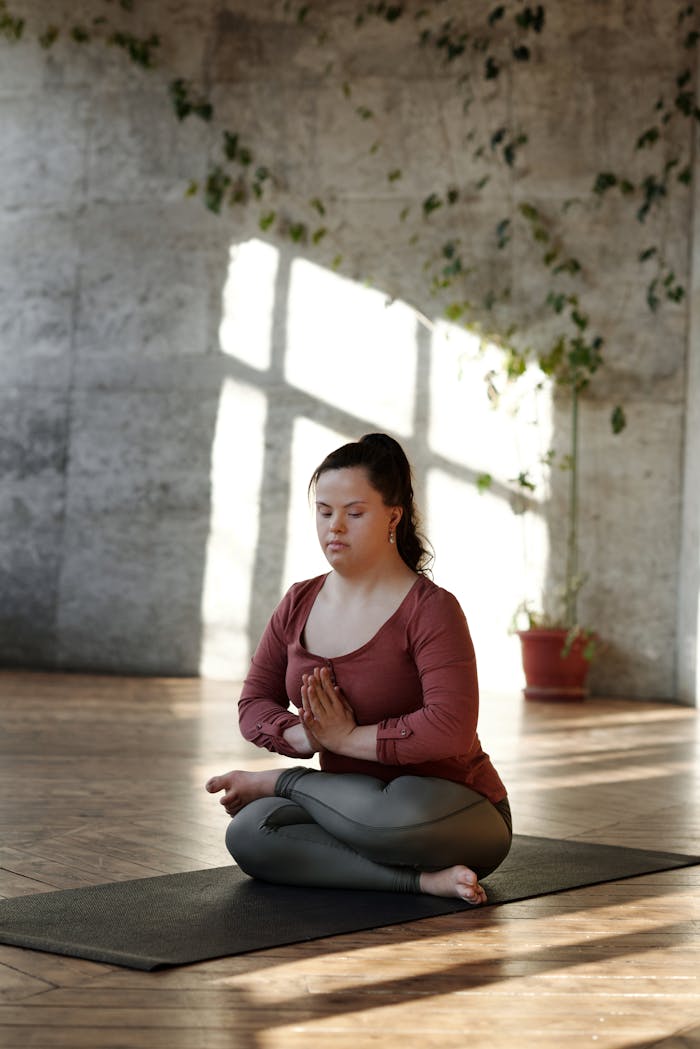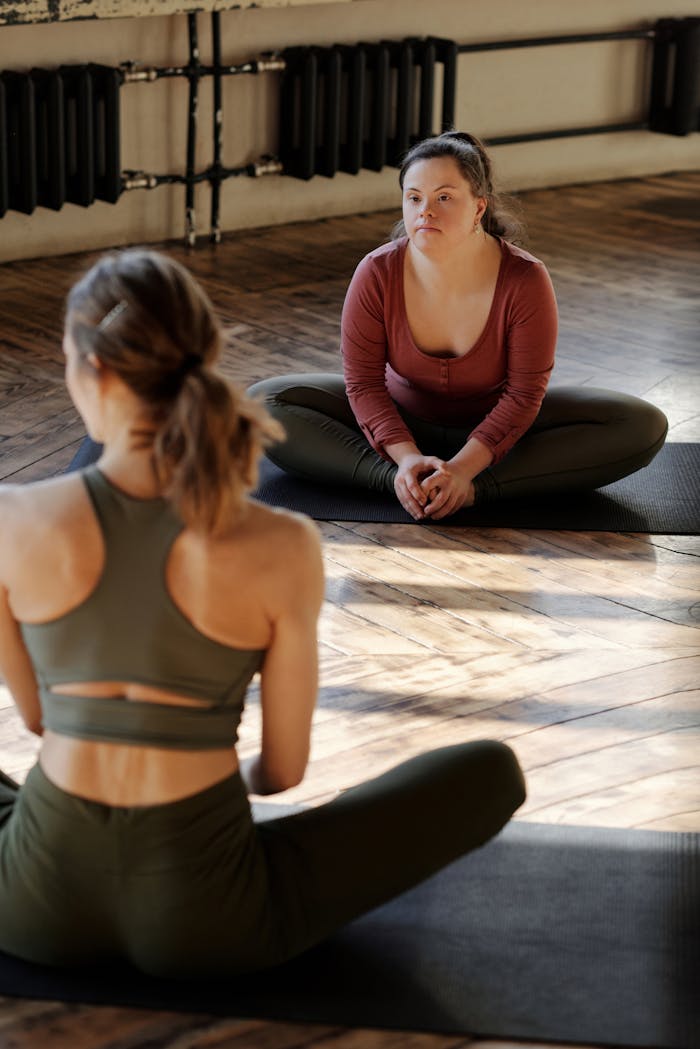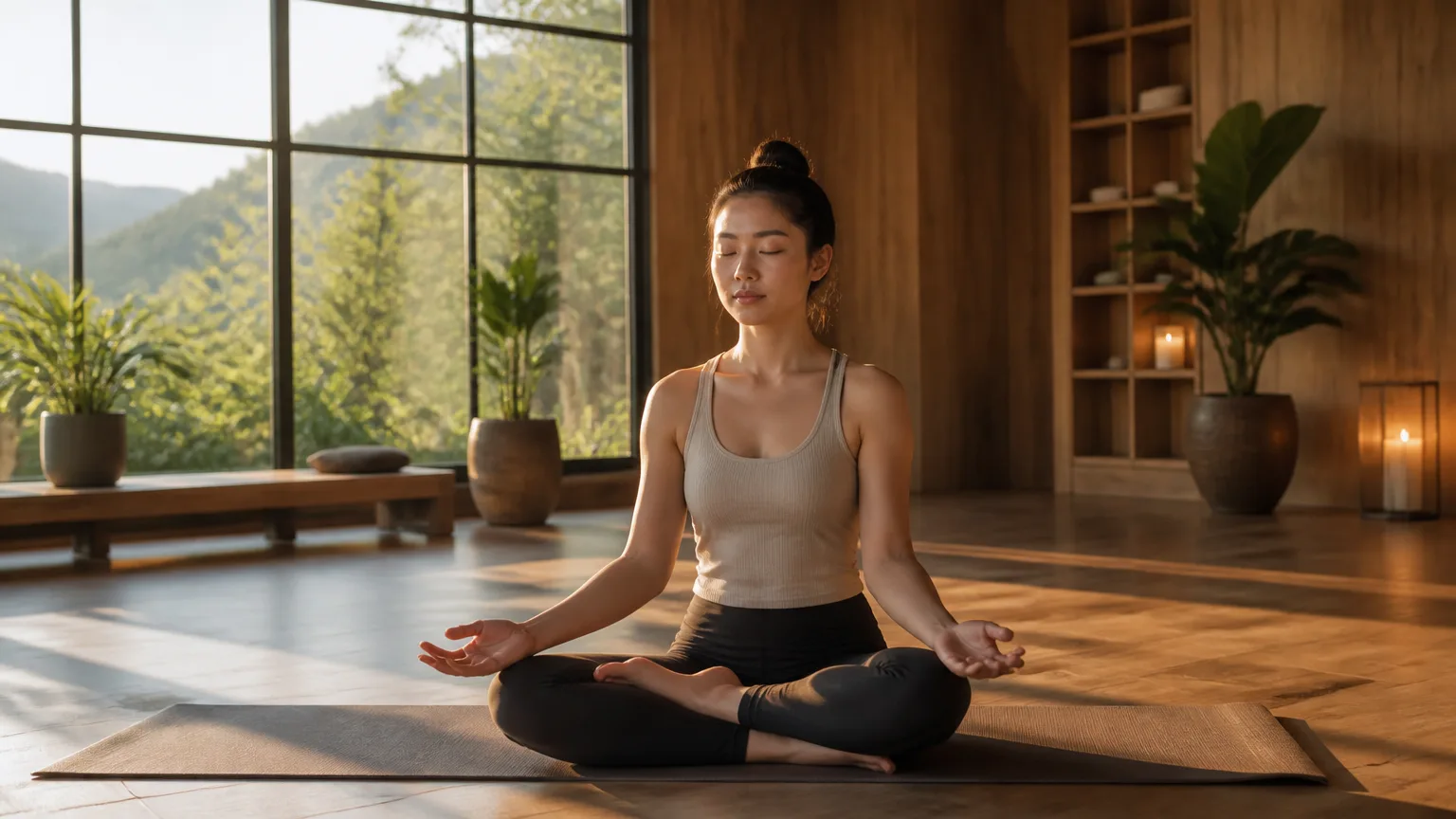
Black Swan Yoga offers an approachable way to explore yoga as more than a workout. Through movement, breath, mindful presence, and community, a class can become space to reconnect with yourself—whether you are brand new to yoga or returning after time away. The experience is less about performing perfect poses and more about building awareness, balance, and sustainable well-being.
For readers discovering holistic practices through Joyous Yoga, Black Swan Yoga can provide a welcoming place to begin. Its community-centered approach may appeal to people seeking strength and flexibility, stress relief, or a steadier daily rhythm. You can practice at your own pace while learning how physical movement and intentional breathing support the mind and body together.
In this guide, we’ll explore the class styles you may encounter, the philosophy that shapes the Black Swan Yoga experience, and what to expect when you arrive. You’ll also find practical tips for choosing a class, preparing your body and mind, and feeling more comfortable during your first visit.
Because Black Swan Yoga locations may differ, class names, schedules, pricing, amenities, and studio policies are not always the same. Check your local studio’s current information before attending, especially if you need details about registration, equipment, or cancellation rules. With a little preparation and an open mind, your first class can become a gentle step toward a more mindful and connected practice.
What Is Black Swan Yoga? Brand, Community, and Practice Philosophy
Black Swan Yoga is a yoga studio brand known for creating approachable, community-focused classes. Its studios often emphasize accessibility, consistent practice, and personal growth over perfection or performance. This can make yoga feel less intimidating, especially for students who are new to studios or unsure whether they “look like” a typical yoga student.
The Black Swan Yoga experience may also appeal to people who want structure without excessive formality. Classes usually offer guided sequences, clear instruction, and opportunities to build familiarity over time. Regular attendance can support physical strength, mobility, stress management, and self-awareness, though each person’s experience will be different.
A central part of the practice is learning how to balance instruction with personal choice. A teacher may guide the class through a series of poses, but students can modify movements, rest, or choose a lower-intensity option. These choices are not failures. They are practical ways to listen to your body and make the practice more sustainable.
This approach can help shift the focus away from achieving a particular shape. Yoga is not a test of flexibility, strength, or appearance. It is a practice that can invite greater awareness of your breathing, energy, and physical sensations as you move.
The brand’s stated philosophy provides a useful starting point, but every studio has its own atmosphere. Location, class size, schedule, and community culture can shape the experience. Individual teachers also bring different pacing, language, music, and teaching styles to the same general framework.
For that reason, one class may feel energizing and athletic, while another feels slower and more reflective. If your first experience does not feel right, trying a different teacher or class level may offer a better fit. Asking about beginner-friendly options can also help you choose a comfortable entry point.
A genuinely welcoming studio should demonstrate inclusivity through more than friendly marketing. Look for teachers who explain options clearly, use body-neutral language, and avoid presenting one body type or ability level as the goal. Professional conduct matters too, including appropriate boundaries, respectful communication, and clear consent before hands-on adjustments.
Community should leave room for different needs, identities, and experiences. You should feel able to pause, ask questions, or decline an adjustment without embarrassment. When those values are present, Black Swan Yoga can become a supportive setting for exploring movement and mindfulness at your own pace.
Black Swan Yoga Class Styles: How to Choose the Right Starting Point
Choosing a class becomes easier when you begin with your goal. Are you looking for stress relief, greater mobility, more strength, renewed energy, or time to recover? Black Swan Yoga schedules may use different names, so always check the current local listing and instructor notes before booking.
Slower or Restorative Classes
Gentle, restorative, yin, and slow-flow classes usually emphasize spacious movement, breath awareness, and longer holds. You may use props to support your body while releasing tension or exploring comfortable ranges of motion.
These classes can suit beginners, people returning after a break, or anyone seeking stress relief and recovery. Look for descriptions mentioning gentle pacing, longer holds, mobility, props, breathwork, or restorative poses.
Remember that “beginner-friendly” does not always mean easy. A slow class may still create intensity through sustained stretches or quiet, focused attention. If you prefer more movement, choose a gentle flow rather than a fully restorative format.
Vinyasa or Flow Classes
Vinyasa and other flow-based classes connect breath with movement. You may move through standing poses, balances, transitions, and sequences that gradually build heat and coordination.
Flow classes can support mobility, energy, and a stronger mind-body connection. They may appeal to beginners who enjoy variety and active practice, but the pace can differ widely between instructors.
Read the description for clues about speed and complexity. Terms such as “all levels,” “basics,” or “foundations” may signal helpful options, while “dynamic,” “advanced,” or “peak pose” can suggest more challenging transitions. If you are new, look for clear alignment guidance and permission to modify.
Heated Classes
Heated classes take place in a warmer room, which may make movement feel more intense. Some people enjoy the energizing atmosphere, while others prefer heat for the sense of spaciousness it can bring to their practice.
Consider a heated class if you want an invigorating workout and already feel comfortable managing exertion. Beginners should check the room temperature, class length, hydration guidance, and whether the format includes fast flows or strength work.
Heat can affect everyone differently. Move steadily, drink water, and pause whenever you feel dizzy, nauseated, or unusually fatigued. A non-heated class may be a better starting point if you are unsure how your body responds.
Specialty or Workshop Formats
Specialty sessions may focus on meditation, breathwork, arm balances, inversions, strength, anatomy, or themed workshops. These formats can deepen a specific skill or create a more reflective experience.
Meditation-focused classes may be ideal for calming the nervous system and building mindfulness. Strength-oriented sessions can support stability and confidence through poses, holds, or functional movement.
Workshops may be beginner-friendly but still focused on one topic. Check whether previous yoga experience is expected, how much movement is included, and whether registration is required. For local details, compare the schedule with Black Swan Yoga Anderson or your nearest studio listing.
A balanced weekly routine might include one active flow, one gentle or restorative class, and one meditation practice. Let your energy, recovery needs, and curiosity guide the mix. The best starting point is a class that feels welcoming enough to explore and clear enough to meet your needs.
Hot Yoga at Black Swan: Benefits, Challenges, and Safety Considerations
Heated classes can add a distinctive layer to your black swan yoga experience. A warmer room may help your muscles feel more ready to move, while the atmosphere encourages steady breathing and focused attention. However, heat can also make effort feel more intense, even when the sequence looks familiar.
Warmth may temporarily increase your sense of flexibility, but it does not guarantee that your body is ready for every shape. Move gradually, avoid forcing a deeper stretch, and remember that sweat is not a measure of progress. For a helpful overview of hot yoga class expectations, consider how heated practices may differ from regular studio sessions, while checking Black Swan Yoga’s current class details and policies directly.
Your first hot class may feel challenging as your body adjusts. Heat can raise your perceived exertion, affect your balance, and leave you more tired afterward than expected. Plan extra recovery time, drink water after class, and notice how your energy feels later that day and the following morning.
A little preparation can make the experience more comfortable:
- Arrive hydrated, but avoid drinking so much immediately beforehand that you feel uncomfortable.
- Skip a heavy meal right before class; choose a light snack earlier if you need one.
- Wear breathable clothing and bring water, a towel, and any recommended equipment.
- Take child’s pose, sit down, or step out whenever you need a break.
- Leave space between hot classes while you learn how your body recovers.
Feeling warm, flushed, or challenged can be a normal part of practice. Dizziness, nausea, confusion, unusual weakness, faintness, or difficulty breathing are warning signs. Stop moving, cool down, and tell the instructor or studio staff. Do not try to prove your commitment by pushing through symptoms.
If you are pregnant, managing a cardiovascular or heat-related condition, taking medication that affects hydration or temperature regulation, or simply unsure whether heated exercise is appropriate, seek medical guidance first. Ask the studio about class intensity, cooling options, and possible modifications. A non-heated class may be a better starting point, and choosing it is a mindful decision—not a lesser practice.
The Black Swan Yoga Experience: What to Expect Before, During, and After Class
A little preparation can help you feel more comfortable at your first Black Swan Yoga class. Before booking, review the studio’s registration, cancellation, and late-arrival policies. Class availability and equipment rules may vary by location, so check the current details online.
Plan to arrive 10 to 15 minutes early, especially if you are visiting a new studio. Bring water, comfortable clothing, and a yoga mat if the location does not provide one. You may also want a small towel, particularly for heated or more active classes. A towel can support comfort, while a grippy mat helps you feel steady without gripping the floor with your toes.
At check-in, silence your phone and store your belongings as directed. Choose a space that gives you enough room to move without feeling crowded. If you have an injury, health concern, or movement limitation, speak with the teacher privately before class begins. You do not need to share personal details with the whole room.
Many classes begin with a brief centering practice. You might notice your breath, set an intention, or settle into stillness before moving. The instructor may then guide you through gentle warm-ups, followed by standing sequences, seated postures, balance work, or strength-building movements.
Class rhythms can differ from teacher to teacher. Some sessions build gradually toward a peak pose, while others stay slower and more grounding. Most include a cool-down and several minutes of final rest, though the exact structure may change based on the class style and the instructor’s approach.
Listen for clear cues, but remember that you are not expected to perform every posture perfectly. Nearby students may move differently, and their practice is not a measure of your progress. Rather than forcing a pose to keep pace, choose a modification, rest in a comfortable position, or return to your breath.
Comfortable clothing should allow you to stretch, bend, and breathe without constant adjustment. In a heated class, lighter layers and a towel may be especially useful. If your hands or feet begin slipping, pause safely and adjust your mat, towel, or position instead of pushing through.
After class, leave enough time to transition slowly. Drink water, notice how your body feels, and avoid rushing immediately into demanding activity if the class was intense. A few quiet minutes can help you absorb the practice and recognize what your body needs next.
Beginner Tips for Building a Sustainable Black Swan Yoga Practice
A sustainable black swan yoga practice begins with a pace you can maintain. For your first few weeks, consider attending one or two classes weekly. If possible, alternate intensity, such as pairing an active flow with a gentler class. Recovery matters, so attendance does not need to become a test of discipline.
Before class, choose an option that matches your current energy and experience. A slower or non-heated class may help you learn the studio’s rhythm without feeling overwhelmed. Over time, you can explore different formats as your confidence grows.
During class, listen for common terms such as asana for posture, vinyasa for a flowing sequence, and savasana for final rest. You may also hear cues like “engage your core,” “soften your gaze,” or “find your edge.” You do not need to understand everything immediately. Let the teacher’s demonstrations and your own breath provide context.
Modifications are practical tools for staying connected to your practice. Rest in child’s pose when you need a pause, or lower your knees during plank. You can also skip a vinyasa, shorten your range of motion, or use blocks to bring the floor closer. These choices support access and steadiness; they are not signs of weakness.
If a transition feels unclear, ask the teacher before or after class. You might ask how to modify a pose, whether a class is suitable for your experience, or how to use a prop. Most teachers appreciate thoughtful questions, and a brief conversation can make the room feel more welcoming.
Sound can shape the atmosphere, too. Some students enjoy energetic playlists, while others focus better with quieter music. Notice how yoga music and studio atmosphere influence your experience, while keeping your attention on breath, alignment, and instruction.
To build consistency, keep your plan flexible:
- Choose one or two realistic class times.
- Leave space for recovery between demanding sessions.
- Notice how your body feels during and after practice.
- Adjust your schedule when stress, sleep, or energy changes.
- Celebrate awareness, not advanced shapes.
Progress may look like recognizing tension sooner, breathing more steadily, or pausing without judgment. It may mean feeling more comfortable asking for support. These small changes show that your practice is deepening, even when your poses look the same.
How Black Swan Yoga Supports Mindfulness Beyond the Mat
A Black Swan Yoga class can offer more than physical movement. Through breathing, transitions, and sensory awareness, you practice returning attention to the present moment. Feeling your feet on the floor, noticing your breath change, or moving slowly between poses can help quiet mental distractions.
This awareness often begins with simple observation. You might notice tight shoulders, a racing mind, or the urge to push harder. Instead of judging these experiences, you can pause and respond with curiosity. Over time, that habit may carry into daily life, helping you take a breath before reacting or recognize tension before it becomes overwhelming.
Yoga philosophy can also encourage non-judgment and self-compassion. A pose may feel different from one day to the next, depending on your energy, stress, or physical needs. Respecting those changes teaches an important lesson: progress does not require ignoring your limits.
Concentration develops through steady attention to breath, alignment, and sensation. Even challenging skills, such as crow pose as a gradual balance skill, can become lessons in patience rather than performance. You can build strength slowly, use modifications, and celebrate each step without making an advanced pose a requirement for meaningful practice.
Final relaxation offers another valuable pause. Resting quietly allows your body to settle and gives you space to notice how you feel. That same practice might inspire a few calm minutes before work, during a busy afternoon, or at the end of the day.
Reflective practices may look different for everyone. Some people connect with spiritual language, meditation, or intention-setting, while others prefer a practical focus on breathing and movement. Engage with these elements in a way that feels authentic, and remember that yoga complements—not replaces—appropriate medical or mental-health care.
Frequently Asked Questions About Black Swan Yoga
Is Black Swan Yoga suitable for complete beginners?
Yes, many Black Swan Yoga studios offer accessible classes for people who are new to yoga. Read each class description carefully, since pace, heat, and intensity can vary. Tell your instructor that you are a beginner so they can offer helpful guidance and modifications.
Which Black Swan Yoga class should I try first?
A foundational, gentle, or slower flow class is often a comfortable starting point. Choose based on your goals and comfort with heat, movement, and group exercise. If you want relaxation, look for restorative or mindfulness-focused options. If you feel ready for more movement, try an introductory flow class.
Do I need to bring my own yoga mat?
Mat policies and rental options vary by location. Check with the studio before arriving, especially if you are attending your first class. Bring water, and consider packing a towel for warm or heated sessions. Comfortable clothing that allows easy movement can also help you feel more at ease.
Is hot yoga safe for everyone?
Heat adds physical stress, so hot yoga is not suitable for every person or every health situation. If you feel dizzy, nauseated, unusually weak, confused, or short of breath, stop and move to a cooler space. Anyone with health concerns, pregnancy, medication considerations, or difficulty regulating body temperature should seek qualified medical guidance first.
What if I cannot do the poses shown in class?
That is completely normal. Yoga is not a test, and your practice does not need to match the teacher’s shape. Use modifications, rest in a comfortable position, or opt out of a pose whenever needed. Let your instructor know what feels challenging so they can suggest supportive alternatives. Listening to your body is an important part of mindfulness, not a sign of falling behind.
Finding Your Place in Black Swan Yoga
Finding the right Black Swan Yoga class starts with your current body, schedule, goals, and comfort level. Compare local schedules, then choose a manageable introductory class rather than the most advanced or intense option. Approach your first visit with curiosity, not performance pressure.
After class, consider whether the instruction felt clear, the environment respectful, and the modifications practical. A sustainable practice makes room for rest, questions, and changing needs. Progress may look like steadier breathing, greater awareness, more ease, or a kinder relationship with movement—not only difficult poses.