What Is Yoga? (Quick Answer)
Yoga is a practice that combines movement, breathing, and mindfulness to improve physical health, flexibility, strength, and mental clarity. It can be done by anyone, regardless of age or fitness level.
What Is Yoga?
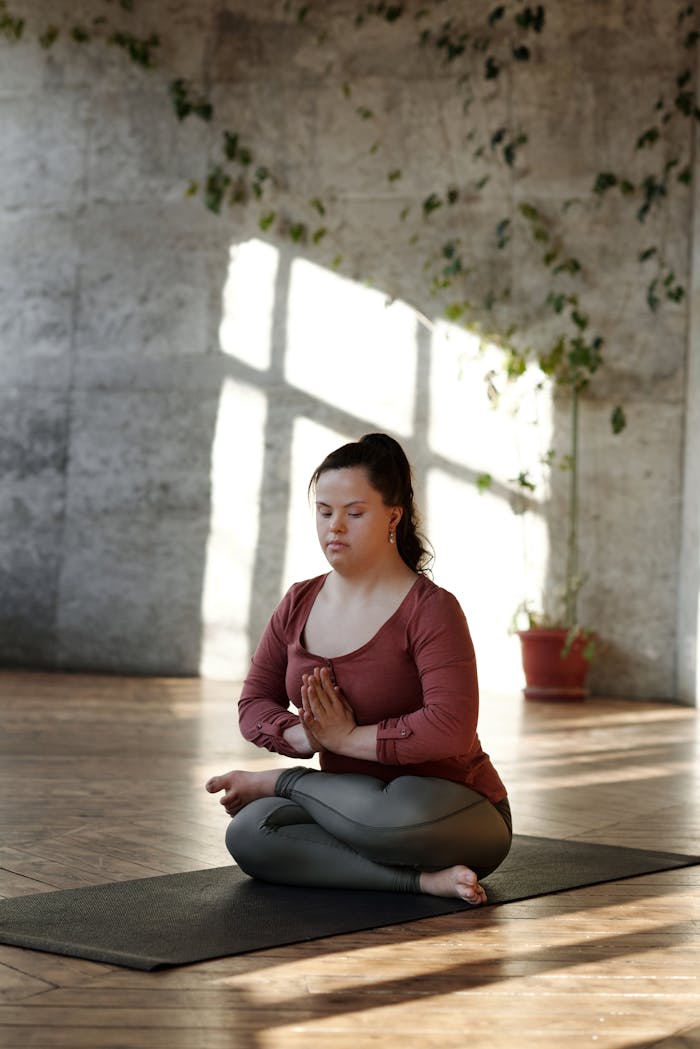
Yoga is an ancient practice that originated in India and has been used for thousands of years to support both physical and mental well-being. While many people think of yoga as just stretching, it is actually a complete system that includes movement (poses), breathing techniques, and mindfulness.
Modern yoga focuses on improving flexibility, reducing stress, building strength, and helping people feel more balanced in their daily lives. Whether you are looking to get healthier, feel calmer, or simply try something new, yoga is a great place to start.
Benefits of Yoga for Beginners
Starting yoga offers a wide range of benefits, even if you are completely new.
Physical benefits include improved flexibility, better posture, increased strength, and reduced tension in the body. Many beginners also notice less back pain and improved mobility within a few weeks.
Mental benefits are just as important. Yoga helps reduce stress, calm the mind, and improve focus. Many people find that even a short session helps them feel more relaxed and centered.
Yoga is also low-impact, making it ideal for people of all ages, including those recovering from injury or just beginning a fitness routine.
Types of Yoga for Beginners
There are many different styles of yoga, but beginners should focus on simple, accessible options.
Hatha yoga is one of the best starting points. It is slower-paced and focuses on basic poses and breathing.
Vinyasa yoga is more dynamic, linking movement with breath. It can be slightly more challenging but is still beginner-friendly with the right instructor.
Restorative yoga is very gentle and focuses on relaxation. This is perfect if your goal is stress relief and recovery.
Yin yoga involves holding poses for longer periods to improve flexibility and deep tissue release.
If you are unsure where to start, a beginner Hatha or gentle yoga class is usually the best option.
What to Expect at Your First Yoga Class
Your first yoga class can feel intimidating, but it is actually very welcoming and beginner-friendly.
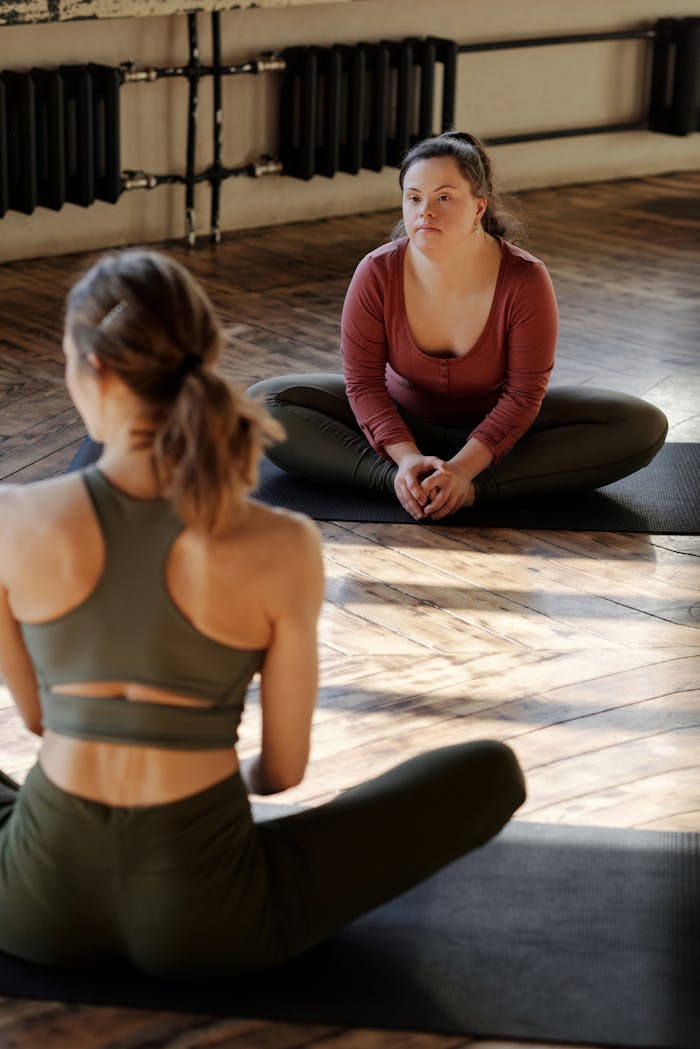
You can expect a calm environment where the instructor guides you through a series of poses and breathing exercises. Most classes begin with a short period of relaxation or breathing, followed by gentle movement, and end with a resting pose.
You do not need to be flexible or experienced. Instructors typically offer modifications so you can move at your own pace.
Wear comfortable clothing, bring a yoga mat if you have one, and arrive a few minutes early to get settled.
Step-by-Step: How to Start Yoga
Starting yoga does not have to be complicated. Follow these simple steps.
Step 1: Choose your goal. Decide whether you want to improve flexibility, reduce stress, build strength, or all of the above.
Step 2: Start with beginner-friendly classes or videos. Avoid advanced routines in the beginning.
Step 3: Practice consistently. Even 10 to 15 minutes a day can make a difference.
Step 4: Focus on breathing. Your breath is just as important as the poses.
Step 5: Listen to your body. Do not push into pain. Progress comes naturally with time.
Step 6: Stay patient. Yoga is a journey, not something you master overnight.
10 Basic Yoga Poses for Beginners
These foundational poses are perfect for getting started.
Mountain Pose helps with posture and balance.
Downward Dog stretches the entire body and builds strength.
Child’s Pose is a resting position that gently stretches the back.
Cat-Cow Pose improves spinal flexibility and warms up the body.
Warrior I builds strength and stability.
Warrior II improves balance and endurance.
Tree Pose helps develop balance and focus.
Seated Forward Fold stretches the hamstrings and back.
Bridge Pose strengthens the lower body and opens the chest.
Corpse Pose allows full relaxation and recovery.
Start slow and focus on proper form rather than trying to do everything perfectly.
How Often Should Beginners Do Yoga?
For beginners, practicing yoga 2 to 3 times per week is a great starting point.
If you have the time, daily practice can accelerate your progress, even if it is just a short session.
Consistency matters more than duration. A regular 10-minute practice is more effective than a long session once a week.
Yoga at Home vs Studio: Which Is Better?
Both options have benefits.
Practicing at home is convenient and flexible. It allows you to go at your own pace and practice whenever it fits your schedule.
Going to a studio provides structure, guidance, and a sense of community. It is especially helpful for beginners who want hands-on instruction and feedback.
Many people start at home and then transition to in-person classes for deeper learning.
Common Beginner Mistakes to Avoid
Many beginners make the same mistakes when starting yoga.
Trying to be perfect too quickly can lead to frustration. Yoga is about progress, not perfection.
Holding your breath during poses reduces the benefits. Always focus on steady breathing.
Comparing yourself to others can be discouraging. Everyone progresses at their own pace.
Skipping warm-ups or rushing through poses can increase the risk of injury.
Overdoing it in the beginning can lead to burnout. Start slow and build gradually.
What You Need to Start Yoga
You do not need much to begin.
A yoga mat provides comfort and stability.
Comfortable clothing allows you to move freely.
Optional items include blocks, straps, and a cushion for support.
Most importantly, you need a willingness to start and stay consistent.
FAQ: Yoga for Beginners
Is yoga hard for beginners?
No, yoga can be easily adapted for beginners. Start with simple poses and progress gradually.
Do I need to be flexible to start yoga?
Not at all. Flexibility improves over time with practice.
How long should a beginner yoga session be?
10 to 30 minutes is perfect for beginners.
Can I do yoga every day?
Yes, daily yoga is safe if you keep it gentle and listen to your body.
What is the best time to do yoga?
Morning helps energize your day, while evening yoga helps you relax. Choose what works best for you.
Start Your Yoga Journey Today
Starting yoga is one of the best decisions you can make for your physical and mental well-being. You do not need experience, flexibility, or special equipment to begin. All you need is a willingness to take the first step.
If you are ready to begin, join a beginner-friendly class and experience the benefits for yourself.