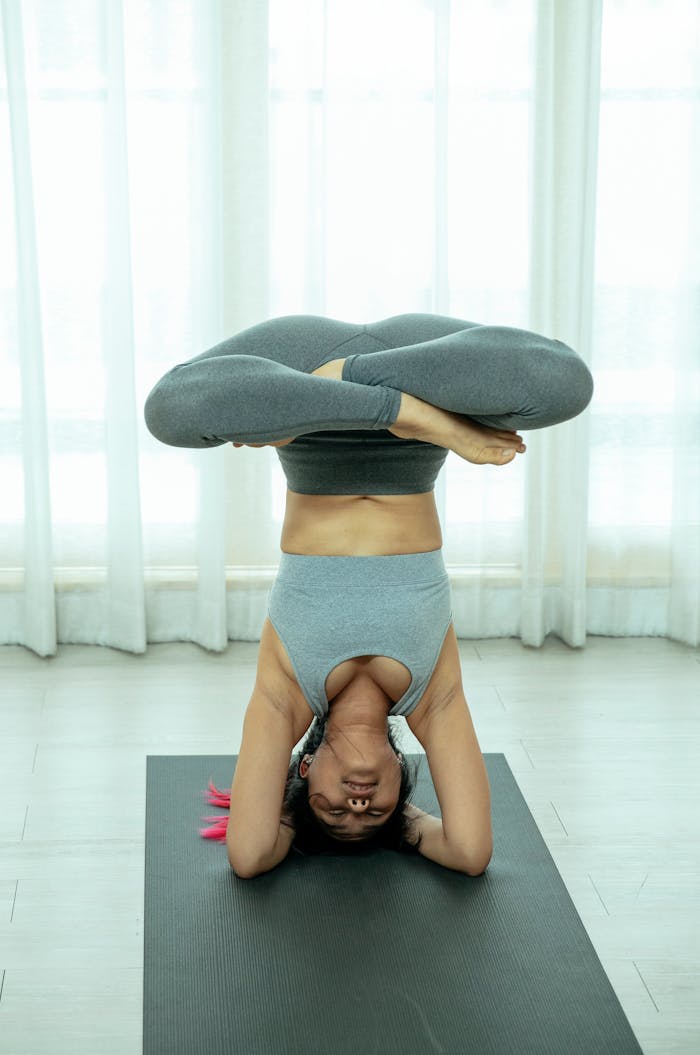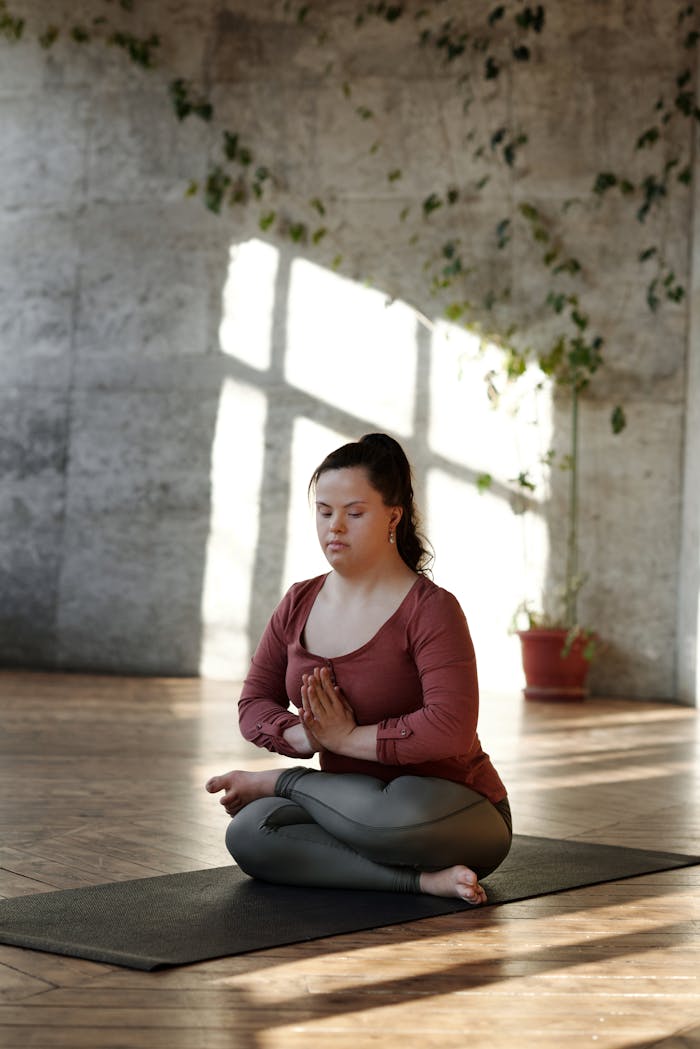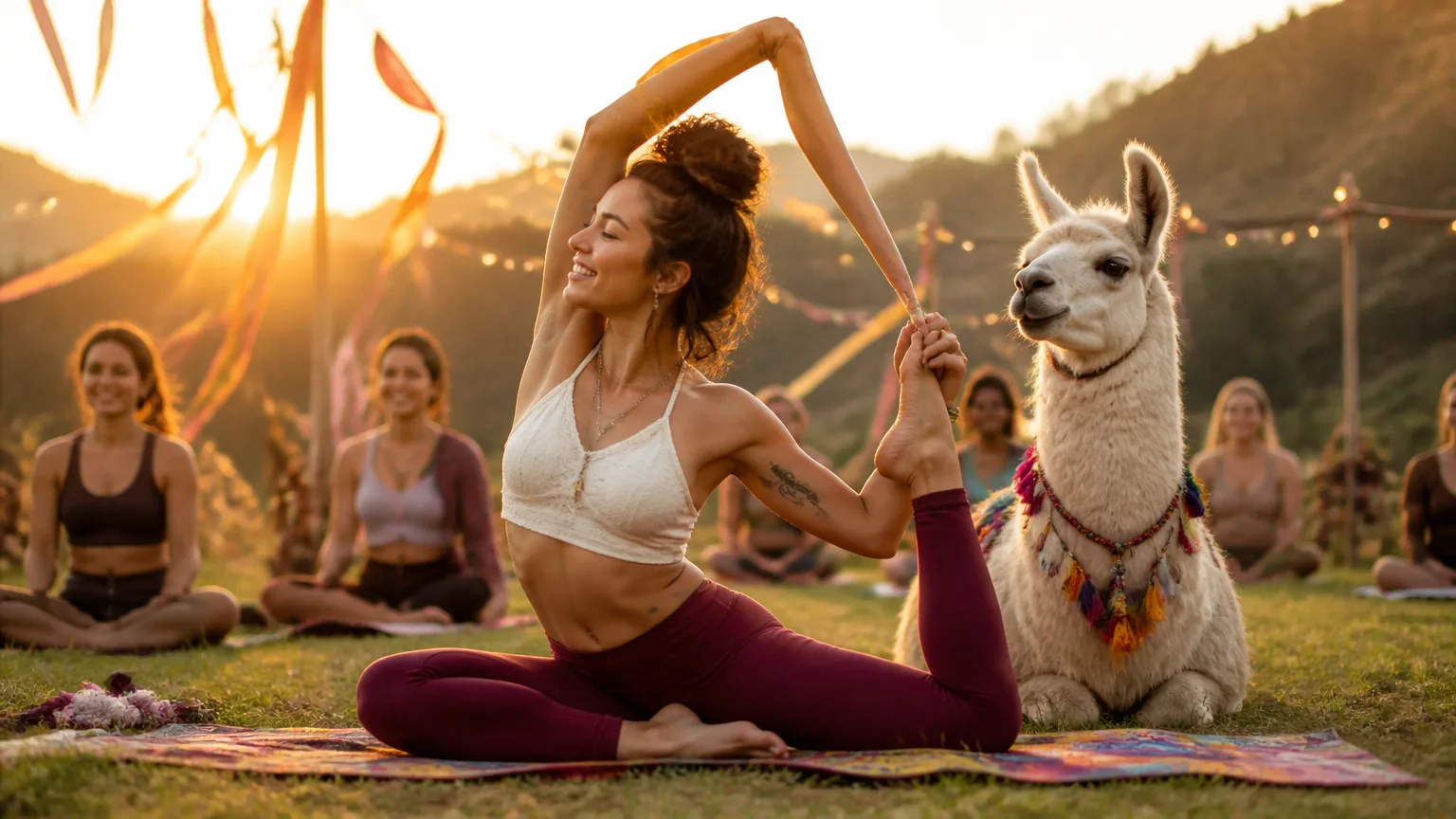
Yoga has deep traditional roots, yet modern practice continues to evolve in imaginative ways. Today, people may explore animal-assisted classes, music-led flows, themed gatherings, or socially focused sessions that bring movement and connection together. This is where the idea of crazy yoga enters the conversation.
The term is an informal umbrella, not a standardized style or fixed method. “Crazy” can mean creative, unusual, playful, or outside the norm. It should never mean reckless movement, unnecessary pain, or disrespect toward yoga’s origins and communities.
For some practitioners, an unconventional class makes mindfulness feel more approachable. A playful theme might encourage self-expression, while partner work or a community event can help people feel less alone. These experiences can support holistic well-being when they remain welcoming, adaptable, and grounded in awareness.
As you explore, curiosity is a valuable guide. Notice how your body responds, honor your energy, and choose practices that respect consent and personal boundaries. Instructors should offer modifications, clear guidance, and accessible options for different bodies, abilities, and comfort levels.
This article will help you understand the possibilities behind creative yoga without losing sight of its grounding principles. Along the way, you’ll find ways to explore with self-awareness, balance, and a spirit of discovery. For more inspiration on finding joy in your personal practice, visit Joyous Yoga.
Defining Crazy Yoga: What Makes a Practice Unconventional?
“Crazy yoga” is best understood as a descriptive phrase, not a formal style. It does not identify a lineage, certification, or universally agreed-upon method. Instead, it describes yoga practices that move beyond familiar studio routines through creative settings, playful ideas, or unexpected ways of connecting.
An unconventional class might take place on a rooftop, in a garden, or beside the ocean. It may combine yoga with dance, live music, meditation, breathwork, or gentle fitness. Other classes introduce imaginative themes, such as moving like waves, exploring the seasons, or practicing under colorful lights.
The movements themselves can also look different. Teachers might use playful sequencing, unusual transitions, partner shapes, or props in fresh ways. A class could include yoga-inspired flow with scarves, balance exercises using cushions, or mindful movement paired with drumming.
These variations can make practice feel inviting and memorable. They may help students approach familiar poses with curiosity instead of perfectionism. For some people, a creative format makes it easier to reconnect with joy, self-expression, and community.
Social interaction is another common feature. Participants might practice in pairs, create group shapes, share reflections, or respond to one another through movement. These experiences can build connection, provided participation remains welcoming and optional.
Still, unconventional does not mean careless, extreme, or unsafe. A class is not truly enriching simply because it appears shocking or difficult. Competitive challenges, forced flexibility, risky acrobatics, or activities designed mainly for attention may have little connection to yoga’s deeper purpose.
It also helps to distinguish creative yoga from a gimmick. A surprising prop or setting should serve the experience rather than distract from it. The most meaningful innovation supports awareness, exploration, and a sense of connection.
When considering an unconventional class, look for these qualities:
- A clear intention beyond novelty
- Guidance that encourages steady breathing
- Options for different bodies and experience levels
- Respect for personal boundaries and individual limits
- Time to notice sensations, emotions, and rest
A creative practice may be energetic, quiet, humorous, or deeply reflective. Its appearance can change, but its foundation remains familiar: presence, breath awareness, embodied attention, and respect.
You can use this as a simple test before joining a class. Does the experience help you notice your body and breath? Can you modify or pause without pressure? Does the teacher create an atmosphere of curiosity rather than comparison?
If the answer is yes, the practice may offer a nourishing form of crazy yoga. It invites discovery while keeping mindfulness and safety at the center.
Popular Forms of Creative and Unconventional Yoga
Creative yoga can take many forms, depending on the setting, teaching style, and community involved. Some experiences change the atmosphere around familiar postures, while others invite more playful movement, social connection, or self-expression. The underlying practice may still center on breath, awareness, and mindful movement.
Animal-assisted classes are a popular example. Puppy yoga brings young dogs into the studio, creating an energetic and affectionate environment. In puppy yoga in Los Angeles, for instance, the puppies may wander, play, or encourage spontaneous laughter while participants move through simple poses. The animals and venue change the mood more than the physical foundation of the class.
Sensory and environmental variations also offer fresh ways to practice. Hot yoga uses warmth and humidity to create a more intense experience, while outdoor or rooftop yoga connects movement with sunlight, fresh air, and changing surroundings. If you are curious, learning what to expect from a hot yoga class can help you prepare safely.
Other classes draw inspiration from music and dance. A dance-inspired flow might include rhythmic transitions, expressive gestures, or more freedom to interpret the sequence. Music-centered sessions can use playlists, live instruments, or soundscapes, while silent classes encourage participants to listen closely to their breath and inner experience.
Partner and social formats make connection part of the practice. Partner yoga may involve supported stretches, balance exercises, or shared transitions, while group challenges can build trust and community. These activities should always include clear consent, optional participation, and simple communication. No one should feel pressured to touch, perform, or continue.
Props can also inspire experimentation. Blocks, straps, bolsters, blankets, wheels, and even everyday objects may help participants explore balance, mobility, or creative shapes. Laughter yoga and improvisational movement take this freedom further, using play, humor, vocal expression, or spontaneous movement to reduce self-consciousness and support emotional release.
Some unconventional settings include clothing-optional yoga. These classes require especially clear information about expectations, privacy, consent, and respectful conduct. A welcoming teacher protects personal boundaries and makes it easy to modify, pause, or leave without embarrassment.
The best choice depends on your intentions. Hot or silent practice may support stress relief, partner work may nurture social connection, and dance-based or improvisational movement may encourage confidence and self-expression. Whether you seek greater mobility or simply want to rediscover enjoyment, crazy yoga can offer a meaningful new doorway into mindful practice.
Why People Try Crazy Yoga: Benefits Beyond the Novelty
For many people, crazy yoga begins with curiosity. A class held outdoors, a playful partner sequence, or a dance-inspired flow can make movement feel less intimidating. Novelty interrupts routine and invites you to approach your body with fresh attention.
That sense of play can also support consistency. When practice feels enjoyable rather than obligatory, you may be more likely to return. A creative format will not motivate everyone, but it can help some people move past boredom, self-consciousness, or the feeling that yoga must look a certain way.
Creative practices may offer physical benefits, depending on their structure and instruction. Flowing sequences can develop mobility and body awareness, while unusual transitions may challenge balance and coordination. Gentle strength work can also support stability, provided movements are taught clearly and adapted to different bodies.
The mind may benefit from this focused experimentation, too. Learning a new pattern encourages you to notice your breath, weight, and alignment in the present moment. That attention can help regulate stress for some practitioners, although yoga should complement—not replace—professional support for ongoing anxiety or other health concerns.
There can be an emotional lift in doing something that feels expressive. Music, improvisation, laughter, or imaginative movement may help you reconnect with confidence and self-expression. You do not need to perform or be naturally flexible; the value may simply come from exploring what feels possible without harsh judgment.
Some forms of crazy yoga are especially social. Group laughter can reduce tension and create a welcoming atmosphere, while partner work encourages communication and trust. Practicing couples yoga poses can offer a shared experience, as long as both people feel comfortable and have permission to pause.
Still, unusual does not automatically mean more effective. Benefits depend on the instructor’s skill, the class format, your health needs, and the quality of the environment. A creative class should provide options, explain risks, respect boundaries, and make modifications feel normal.
Before choosing a class, identify the outcome you want. Are you seeking stress relief, greater mobility, social connection, balance, or simply a joyful way to move? That question helps ensure the experience serves your well-being instead of becoming novelty for its own sake.
Pay attention during and after practice. You might feel energized, grounded, or pleasantly challenged, but sharp pain, pressure, or persistent discomfort deserves attention. The most nourishing approach is one that combines discovery with mindfulness, consent, and respect for your unique path.
Safety, Consent, and Boundaries in Unconventional Yoga
Creative movement can feel freeing, but safety remains the foundation of any meaningful practice. Before attending a crazy yoga class, review its description, intensity level, prerequisites, venue policies, and emergency procedures. Check whether the instructor lists relevant training, certifications, and experience with the class format.
Consent should be clear, ongoing, and specific. It applies to hands-on adjustments, partner exercises, photography, participation with animals, and any public performance element. It also includes nudity or clothing-optional settings, where privacy, changing arrangements, and photography policies should be explained before class begins. For additional guidance, explore naked yoga safety and boundaries.
You always have the right to modify, pause, or decline an activity. Tell the instructor about injuries, pregnancy, medical conditions, or other concerns before practice. Use props that feel stable, rest when needed, and drink water regularly. Pain, dizziness, breathing difficulty, humiliation, unwanted touch, or pressure to continue are reasons to stop or leave.
Different settings call for different precautions. Hot rooms can increase dehydration and overheating, while inversions require careful preparation and should never be forced. Unstable props, crowded spaces, and outdoor surfaces may increase the risk of falls or collisions. A responsible teacher offers alternatives and explains how to exit an activity safely.
Classes involving alcohol deserve particular caution. Intoxicants can affect balance, judgment, hydration, and the ability to give meaningful consent. Animal-based sessions should include clear handling guidelines, allergy awareness, and respect for the animal’s welfare. Performance-focused practices should explain audience expectations, recording policies, and whether public exposure is optional.
A supportive environment welcomes questions and honors personal limits. Look for instructors who introduce activities gradually, demonstrate modifications, maintain clean shared equipment, and provide enough space for movement. Hygiene also matters: ask about mat cleaning, ventilation, handwashing, and policies for illness or bodily contact.
Warning signs may include vague descriptions, missing instructor credentials, pressure to reveal personal information, unclear fees, or claims that discomfort proves spiritual progress. You should never be asked to surrender boundaries for belonging. A healthy experiment expands curiosity while protecting dignity, privacy, and choice.
Before participating, consider these practical questions:
- Can I opt out without judgment?
- Are touch, photos, nudity, and partner work fully optional?
- Does the instructor explain risks and emergency procedures?
- Is the space clean, accessible, and physically appropriate?
- Can I leave easily if I feel unsafe?
Trust your responses. Mindfulness includes noticing when an experience feels nourishing—and recognizing when it crosses into unsafe or exploitative territory.
How to Choose a Creative Yoga Experience That Fits You
Choosing a creative yoga class begins with noticing what you genuinely want from the experience. Are you seeking playfulness, deeper relaxation, social connection, self-expression, or a new physical challenge? Your answer can help you choose an unconventional practice that feels supportive rather than overwhelming.
Start with one unfamiliar variable at a time. For example, try a familiar flow in an unusual setting, such as an outdoor class or candlelit studio. Later, you might explore aerial yoga, partner work, or dance-inspired movement. Combining several intense or unfamiliar elements at once can make it harder to understand what feels good.
Before booking, contact the teacher or studio with a few practical questions:
- Who teaches the class, and what experience do they have?
- What happens during the session, from beginning to end?
- What should participants wear or bring?
- Is participation always optional, including partner work or group sharing?
- How does the teacher handle personal boundaries, modifications, and consent?
Clear answers can reveal whether the class values mindfulness and choice. A welcoming teacher should explain the structure, invite questions, and make it easy to pause or opt out without embarrassment.
Accessibility deserves equal attention. Ask whether the space has step-free entry, accessible restrooms, and enough room for different bodies and mobility needs. Find out whether seated, wall-supported, or lower-intensity alternatives are available. If you have sensory sensitivities, ask about music volume, lighting, scents, and crowded spaces.
People who are pregnant, managing chronic conditions, or living with anxiety may need additional guidance. Share only what feels comfortable, and seek advice from a qualified healthcare professional when appropriate. If partner work feels uncomfortable, ask whether you can practice independently or with a trusted person.
Treat your first session as an experiment, not a test. During practice, notice the quality of instruction, your emotional response, and whether you can remain present in your body and breath. You should be able to modify, rest, or leave when needed.
Pay attention afterward, too. Consider how your body recovers, whether you feel grounded or depleted, and whether the format supported genuine curiosity. The right form of crazy yoga may stretch your expectations, but it should still respect your comfort, values, and unique path.
Bringing the Spirit of Crazy Yoga Into a Home Practice
You do not need a specialized class to explore the creative spirit of crazy yoga. At home, begin by changing one element of your usual practice. Try a new playlist, softer lighting, a different location, or a more intuitive sequencing style.
Small changes can open fresh possibilities without making practice feel unfamiliar. You might also use a stable chair, wall, or yoga block to support exploration. Keep your space clear, check that equipment will not slide, and choose a pace that allows steady breathing.
Consider one of these accessible experiments:
- Follow intuitive movement for five minutes, letting your breath guide gentle stretches.
- Create themed breathwork around calm, energy, or spaciousness.
- Add playful transitions between familiar poses.
- Try a partner-free balance game, such as shifting weight slowly with your eyes open.
- Take a short outdoor mindful flow and notice sounds, temperature, and changing light.
- End with a journaling prompt, such as, “What did my body communicate today?”
Creative practice does not need to look impressive. Its deeper purpose is observing sensations, thoughts, and reactions with kindness. Notice what feels energizing, awkward, calming, or surprisingly emotional. These responses are valuable information, not signs that you are doing something wrong.
You can always return to familiar poses. If an experiment creates strain, confusion, or anxiety, pause and choose a simpler variation. Gentle curiosity works best when paired with consent, appropriate pacing, and respect for your body’s boundaries.
Home practice also gives you freedom to repeat what feels nourishing. Perhaps a playful playlist helps you move more freely, or a quiet outdoor flow brings greater presence. Let these discoveries shape a practice that feels personal, mindful, and connected to your unique path.
Frequently Asked Questions About Crazy Yoga
What does crazy yoga mean?
“Crazy yoga” is an informal label for creative or unconventional yoga experiences. It does not describe one standardized style. The term might include rooftop flows, partner practices, yoga with music, playful movement, or classes held in unusual settings.
Is crazy yoga suitable for beginners?
Beginners can participate when the class is clearly described, appropriately paced, and welcoming of modifications. Before attending, check whether the instructor offers guidance for different experience levels. A supportive teacher should help you explore without pressure to perform.
Can crazy yoga still be mindful?
Absolutely. Unusual surroundings and playful elements do not prevent mindfulness. Keep your attention anchored in your breath, physical sensations, consent, and self-awareness. You can enjoy novelty while remaining connected to the present moment.
Is crazy yoga safe?
Safety depends on the activity, instructor, venue, screening process, equipment, and your choices—not on the class name. Ask about physical demands, relevant risks, emergency procedures, and available modifications. Stop or rest if you experience sharp pain, dizziness, or distress.
How can I try it comfortably?
Research the format before booking, and contact the instructor with questions about accessibility, clothing, skill level, and expectations. Choose a lower-risk variation first, such as a playful studio flow instead of an advanced aerial class. Bringing a trusted friend can also make the experience feel more comfortable.
You are always allowed to pause or leave. If your boundaries are dismissed, the environment feels unsafe, or participation is pressured, trust your instincts and step away.[curly apostrophe? fine]
Finding Your Own Balance Between Tradition and Experimentation
Crazy yoga is not a requirement to perform something extreme. At its heart, it can be an invitation to explore movement, mindfulness, and connection in fresh ways. Curiosity may lead you to a themed class, partner practice, outdoor flow, or playful sequence—but your experience should remain grounded in safety, consent, and personal intention.
Creativity can also coexist with tradition. Familiar postures, steady breathwork, and meditation can provide stability while the setting, music, or theme changes. This balance allows you to experiment without losing the practices that help you feel centered and present.
As you explore, ask what the experience offers you. Does it leave you more connected, energized, grounded, or self-aware? The most valuable unconventional practice is not the most dramatic one. It is the one that supports your holistic well-being and respects your body, boundaries, and unique path.
You might begin with one thoughtfully chosen variation. Try a familiar sequence outdoors, add gentle music, or explore a playful movement theme with a trusted teacher. Notice how you feel during practice and afterward, then adjust or let go of anything that does not serve you. Let your experience—not comparison or pressure—guide the next step. In this way, crazy yoga becomes less about doing something unusual and more about discovering what helps you feel fully alive, mindful, and at home in yourself.