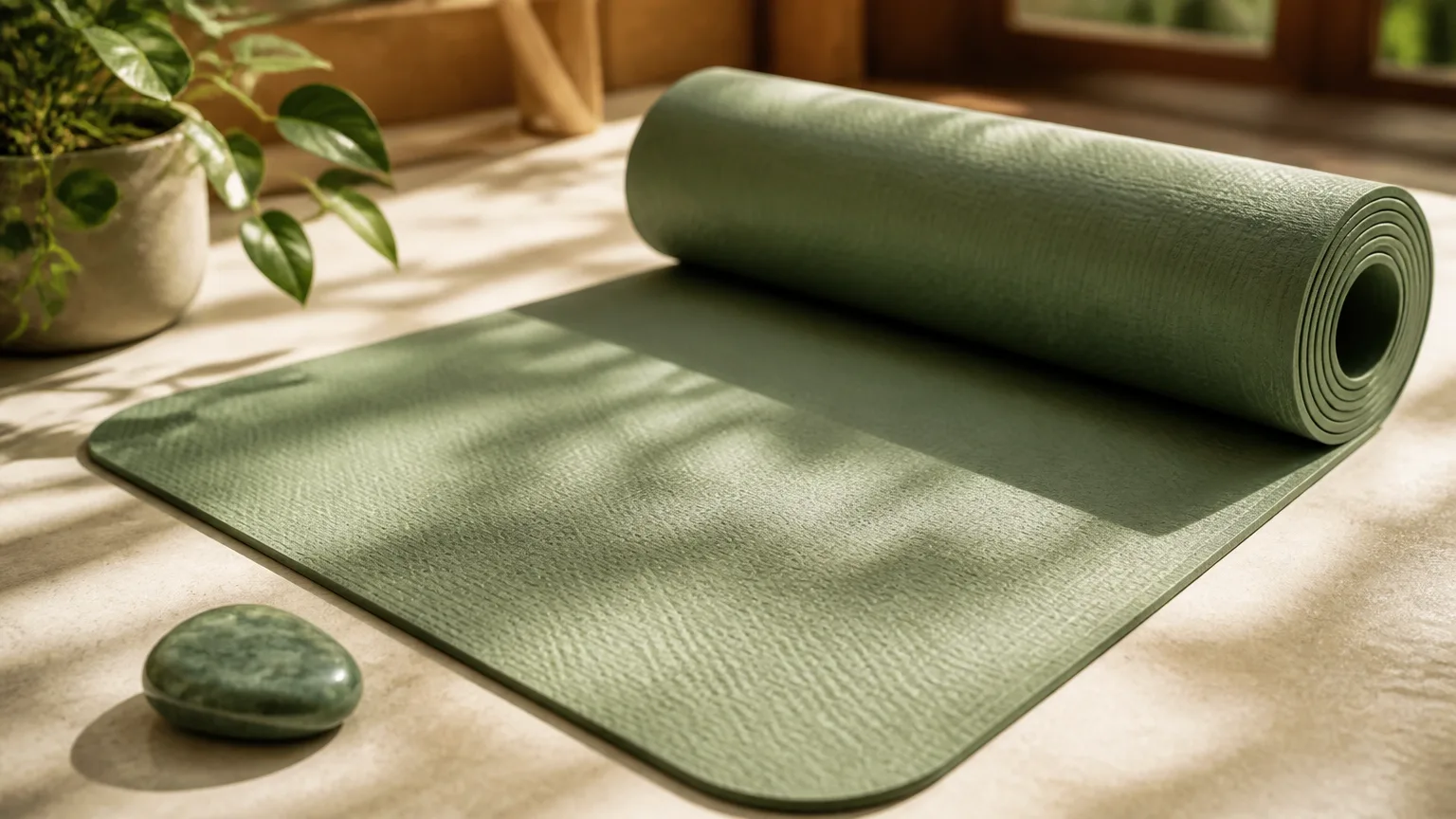
A jade yoga mat is a popular choice for practitioners who value natural materials, reliable grip, and a wellness-centered brand ethos. JadeYoga mats are made with natural rubber, creating a grounded, supportive surface for practices ranging from gentle stretching to active flow. Their thoughtful construction also reflects the brand’s commitment to more mindful choices.
Still, the best Jade mat is not universal. Some yogis need extra cushioning for sensitive joints, while others prioritize strong traction, easy portability, or a close-to-the-floor feel. Your ideal option may depend on how often you practice, where you unroll your mat, and which sensations help you feel most steady and present.
This guide will compare JadeYoga’s main mat options through those practical considerations. You’ll learn how to weigh comfort, grip, durability, travel convenience, and environmental priorities without getting lost in unnecessary details. We’ll focus on the differences that can genuinely shape your practice.
It’s also important to check the materials before purchasing. Because JadeYoga mats use natural rubber, they may not be suitable for people with latex sensitivities. Product details can change, so review the manufacturer’s current information and choose what supports your health with confidence.
Along the way, we’ll separate meaningful performance features from cosmetic differences and marketing language. With a clear framework, choosing a jade yoga mat can feel less like comparing labels and more like discovering the supportive foundation that fits your unique practice.
What Makes Jade Yoga Mats Different? Materials, Grip, and Sustainability
A Jade yoga mat feels different because it is typically made with open-cell natural rubber. This plant-derived material has a slightly textured surface that helps your hands and feet connect with the mat. Compared with smooth PVC, TPE, or closed-cell polyurethane mats, it often feels more grounded and tactile.
Natural rubber generally provides strong traction, especially during steady standing poses. Mountain Pose, Warrior II, and balancing work can feel secure because the surface grips rather than simply feeling smooth beneath you. That traction may also improve as the mat warms during practice, though performance can vary with sweat, room temperature, and personal preference.
The same open-cell structure that supports grip also absorbs moisture. This can feel comfortable during movement, but it requires more careful cleaning and drying than many closed-cell mats. Wipe the surface after practice, use a gentle cleaner, and let it air-dry fully before rolling it away.
Cushioning varies across JadeYoga options. Thicker mats can offer more comfort for knees, wrists, and seated poses, while thinner versions may feel steadier for balance and transitions. Natural rubber is often heavier than lightweight TPE, so consider how far you carry your mat to class or whether you travel frequently.
A natural rubber mat may also have a noticeable rubber odor when new. The scent usually fades with ventilation and regular use, but sensitive users may find it distracting. Rubber can also react poorly to body oils, lotions, and harsh cleaning products, which may affect the surface over time.
Before choosing a jade yoga mat, consider a few practical factors:
- Latex allergy: Natural rubber may contain latex proteins. Check the manufacturer’s safety information if you have an allergy or sensitivity.
- Humidity: Poor ventilation and prolonged dampness can encourage odor or faster wear. Dry the mat thoroughly after sweaty sessions.
- Cleaning: Use mild, compatible products and avoid soaking the mat.
- Longevity: A durable mat may create less waste over time, even if it costs more initially.
- Disposal: Look for clear guidance about recycling or responsible end-of-life options.
Sustainability is an important part of JadeYoga’s appeal, but it is not a guarantee of perfect environmental performance. Natural rubber can reduce reliance on petroleum-based materials, yet manufacturing, transportation, durability, and disposal still matter. When comparing options, review specific product claims and consider how long the mat is likely to support your practice.
The Main Jade Yoga Mat Options Compared
JadeYoga’s mat families share a natural-rubber foundation, but they serve different priorities. The best jade yoga mat for you depends on how much cushioning, grip, space, and portability your practice requires. Product details can change by production year or retailer, so verify current dimensions, colors, and availability before purchasing.
Harmony
Harmony is the balanced everyday option. It commonly measures about 3/16 inch thick, with lengths around 68 or 74 inches and a width near 24 inches. Typical weights fall near 5 pounds, although the exact figure varies with size.
This medium-thin design offers reliable cushioning without feeling overly soft. Its textured natural-rubber surface is known for strong traction, especially during flowing sequences and sweaty practices. Harmony is easy enough to carry to class, but it remains substantial enough for regular home use.
Choose Harmony if you want one versatile mat for vinyasa, Hatha, Pilates, stretching, and general fitness. It suits practitioners who value stability and portability equally. However, people with sensitive knees, wrists, or joints may prefer a thicker model.
Harmony Professional
Harmony Professional generally adds cushioning and support while retaining JadeYoga’s characteristic grip. Listings often show a thickness around 1/4 inch, a length near 74 inches, and a weight of roughly 7 pounds or more. Always confirm the current specifications for the exact size.
The additional material creates a more forgiving surface for kneeling, seated poses, and restorative work. It can also feel steadier during slow, grounded practices. The tradeoff is a heavier mat that takes more effort to roll and transport.
This is a strong choice for daily home practice, restorative yoga, Yin, and anyone who wants more joint support. It may also serve taller practitioners well when the longer format is available. If you travel frequently, its extra comfort may not outweigh its added bulk.
Elite
Elite is positioned as a premium, extra-comfort option within JadeYoga’s range. It is typically thicker than Harmony, often around 5/16 inch, and may weigh approximately 8 to 9 pounds. Common listings include a 74-inch length and a 24-inch width, but measurements can differ.
Its thicker construction provides plush cushioning for sensitive joints and extended floor-based sessions. The rubber surface still prioritizes grip, though a thicker mat may feel slightly less connected to the floor. Elite works especially well for restorative yoga, home practice, and practitioners who place comfort above easy transport.
Because it is heavier, it is less convenient for commuting or studio hopping. Think of Elite as a supportive home base rather than an all-purpose travel companion.
Travel and Voyager
Travel and Voyager models prioritize portability over cushioning. Travel versions are often around 1/8 inch thick, while Voyager may be closer to 1/16 inch and light enough to fold or pack easily. Depending on the listing, weights may range from roughly 1 to 3 pounds, with lengths near 68 or 74 inches and widths around 24 inches.
Their natural-rubber surfaces can provide dependable traction, but the thin construction offers limited protection from hard floors. These mats often work best over a studio mat, carpet, or another cushioned surface. They may not replace a supportive home mat for kneeling or long sessions.
Choose these formats for vacations, retreats, commuting, or keeping a backup mat in your bag. Voyager suits travelers who value minimal weight and compact storage most.
JadeYoga also offers kid-oriented and specialty formats from time to time. These may use shorter dimensions, playful colors, or designs suited to smaller bodies and family practice. Compare their cushioning, weight, grip, and material compatibility just as carefully as adult models.
Color and JadeYoga’s charitable-brand appeal can make a purchase feel personal and meaningful. Still, prioritize fit, comfort, grip, and compatibility with your practice first. A beautiful mat supports wellness best when you genuinely enjoy using it.
How to Choose the Right Jade Mat for Your Practice
The best jade yoga mat is not necessarily the most popular or expensive option. Start by considering how, where, and how often you practice. Your ideal mat should support your body without creating unnecessary weight or maintenance.
For restorative yoga, yin, and floor-based practices, cushioning usually matters most. A thicker option can feel kinder beneath sensitive knees, hips, wrists, and spine, especially on hardwood or tile. JadeYoga’s more cushioned mats may suit long-held poses and gentle stretching better than a lightweight travel design.
Slow-flow practitioners often need a balance of comfort and stability. Choose enough padding for kneeling and seated poses, while preserving a firm surface for transitions. If you practice on carpet or another supportive surface, you may not need as much thickness as someone practicing directly on a hard floor.
Dynamic vinyasa and power yoga place greater demands on grip, stability, and manageable weight. Natural rubber offers a grounded feel, which can help your hands and feet stay steady during repeated transitions. A thinner or moderately cushioned model may also make balancing poses feel more connected to the floor.
Sweat can change your priorities. In hot yoga, strong traction becomes especially valuable, but even a grippy open-cell rubber surface needs care when moisture is heavy. Use a towel when needed, wipe the mat regularly, and let it dry completely before rolling it away. For more guidance on what to expect in a hot yoga class, consider how heat and perspiration may affect your comfort and grip.
Your body size deserves equal attention. If you are tall, check the mat’s length so your head and feet do not extend far beyond its edges. If you have broad shoulders, extra width can make resting poses feel less restricted. Knee sensitivity may call for more cushioning, although a separate small pad can sometimes provide support without making your primary mat heavier.
Think about your practice location, too. A home mat can prioritize cushioning, durability, and generous dimensions because it does not travel often. A studio mat may need a lighter design if you carry it regularly. For meditation, breathwork, or occasional stretching, a simple, easy-to-store option may be enough.
One mat cannot always provide maximum cushioning and easy portability. If you travel frequently, consider keeping a supportive primary mat at home and choosing a lightweight travel mat for retreats, holidays, or studio visits. Separating these roles can make both practices more comfortable and help each mat last longer.
Before choosing, rank your top three needs: cushioning, grip, size, weight, or ease of care. That simple list can guide you toward a JadeYoga model that complements your real routine.
Thickness, Size, and Weight: The Comfort Tradeoffs That Matter
A mat’s thickness often feels like the easiest comfort decision. More cushioning can protect sensitive knees, wrists, hips, and ankles, especially on hard floors. However, thicker is not automatically better for every practice.
A very soft or thick surface may feel less stable during balancing poses. It can also make transitions feel less grounded as your hands and feet press into the mat. If you practice standing balances, strong flows, or weight-bearing poses, look for cushioning that supports your joints without feeling spongy.
Your own body and practice should guide the choice. A thinner jade yoga mat may provide a steadier connection to the floor, while a thicker option may better suit restorative yoga or practitioners with joint concerns. Test the mat on the actual floor where possible, since concrete, wood, and carpet can change how its cushioning feels.
Length matters most when your body or practice needs more room. Taller practitioners may appreciate extra length so their hands and feet stay on the mat during downward-facing dog, savasana, and reclining stretches. Additional width can also help with expansive poses, home workouts, or shared spaces where you want a little more freedom.
At the same time, a larger mat can take up more storage space. It may be harder to place neatly in a small studio area or align with marked spaces in class. Consider where you practice most often, rather than choosing the largest dimensions by default.
Weight creates another daily tradeoff. A heavier mat may feel substantial and reassuring at home, but it can become inconvenient for commuting, studio classes, retreats, or air travel. A lighter mat is not automatically more practical if it shifts easily or lacks the support your joints need.
Think about how often you will carry it, how far you will walk, and whether you already use a dedicated home mat. If a thin travel mat is the best fit for your schedule, add a separate knee pad or use props beneath sensitive joints. This approach can preserve portability without asking one mat to solve every comfort need.
Grip, Feel, and Break-In: What to Expect From Natural Rubber
A Jade yoga mat often feels distinct from PVC or foam alternatives. Its natural rubber surface usually has a lightly textured, grounded feel that can help your hands and feet stay in place. However, grip is personal: some practitioners prefer a dry, slightly textured hold, while others favor a smoother surface for easy transitions and pivots.
Useful traction should support movement without making your skin feel stuck. During downward dog, your palms should remain stable without excessive gripping through your fingers. In flowing practices, you should still be able to shift, turn, and slide your feet with control. If the surface feels sticky, restrictive, or uncomfortable around your joints, the mat may not match your movement style.
Sweat can change the experience. Some people find that light moisture improves traction, while heavy sweat may create slipping or an overly tacky sensation. Hand and foot placement also matter. Lotion, sunscreen, body oils, and studio dust can form a film that reduces grip, sometimes more noticeably than the difference between Jade models.
Clean, dry skin usually gives the surface its fairest test. Wipe the mat according to the manufacturer’s care guidance, and avoid applying products immediately before practice. Harsh chemicals can damage natural rubber or alter its texture, so use only recommended cleaning methods rather than trying to create grip through aggressive scrubbing.
A new natural rubber jade yoga mat may also have a noticeable rubber smell. This is common and does not necessarily indicate a problem. Let the mat air out in a well-ventilated space, away from intense heat and direct sunlight, and follow the brand’s instructions for initial cleaning.
The surface can settle with regular use, too. Break-in time varies with the mat, climate, and practice frequency, so an unboxing impression is not always a reliable verdict. Give the mat several sessions, notice how it performs with your usual sweat level and transitions, and follow the manufacturer’s care guidance before deciding whether its feel truly suits you.
Care, Cleaning, and Longevity for a Jade Yoga Mat
A thoughtful care routine helps a natural-rubber jade yoga mat preserve its signature grip and supportive feel. Begin by checking the manufacturer’s instructions, since finishes and materials can vary between models. In most cases, wipe the surface after practice with a soft cloth and a gentle, manufacturer-compatible cleaner.
Avoid soaking the mat or flooding it with water. Excess moisture can settle into the material and create lingering odors or weaken the rubber over time. Oils, alcohol-heavy products, and abrasive scrubbers may also affect the surface, so use them only if the care instructions specifically approve them.
After cleaning, let the mat dry completely before rolling it. Keep it in a well-ventilated place away from direct sunlight, radiators, and hot vehicles. Heat and ultraviolet exposure can dry natural rubber, causing it to fade, become brittle, or lose traction.
Follow the manufacturer’s guidance about rolling direction. Some mats should be rolled with the practice surface outward, while others benefit from being rolled inward. The correct approach can reduce curling and unnecessary stress on the material. Avoid folding the mat sharply or leaving it compressed beneath heavy equipment for long periods.
Transport your mat in a breathable carrier when possible. After a sweaty class or outdoor session, unpack it promptly instead of storing it while damp. A dry storage routine is especially important in humid climates, where trapped moisture can encourage odors and material breakdown.
Even a premium mat has a practical lifespan. Frequent practice, hot classes, outdoor use, shoes, rough flooring, and body oils can accelerate wear. Rotate between mats if your routine is demanding, and use a towel when sweat is heavy. For additional cleaning and maintenance ideas, explore a broader yoga mat buying guide.
Watch performance, not appearance alone, when deciding whether to replace your mat. Persistent flaking, cracking, uneven traction, or noticeable loss of cushioning can affect balance and joint comfort. If your hands or feet begin sliding during familiar poses, or the surface feels unreliable, replacing the mat supports a safer and more confident practice.
Frequently Asked Questions About Jade Yoga Mats
Are Jade yoga mats good for beginners?
Yes. A Jade yoga mat’s strong grip can help beginners feel more secure during standing poses, transitions, and balance work. That added traction may build confidence as you learn alignment and breathing.
Still, grip is only one part of the decision. Choose thickness based on joint comfort, and consider weight if you will carry the mat to class. A lighter model may be easier to transport, while a thicker everyday mat can feel kinder beneath sensitive knees and wrists.
Are Jade yoga mats suitable for hot yoga?
Their traction can be helpful when heat and sweat make movement feel less predictable. However, heavy perspiration may still require a yoga towel, especially during longer practices or poses that place pressure on your hands.
Allow the mat to dry fully after class. Check your studio’s mat and cleaning policies, too. If you have a latex sensitivity, confirm the material before practicing with a natural rubber mat in a shared space.
Do Jade yoga mats contain latex?
Many JadeYoga mats are made with natural rubber, which may be unsuitable for people with latex allergies or sensitivities. Do not rely on color, texture, or product name to determine safety.
Review the exact product listing before buying. If the material information is unclear, contact JadeYoga or the retailer and ask about latex content and recommended precautions.
How can I get rid of the rubber smell?
A natural rubber smell can be noticeable when you first open a jade yoga mat. Place it in a well-ventilated area and give it time to air out before regular use.
Clean it gently with an approved mat cleaner or the care solution recommended by the manufacturer. Avoid harsh chemicals, excessive soaking, direct heat, and prolonged sun exposure. These shortcuts can weaken the surface or change its feel.
Which Jade mat is best for travel or sensitive knees?
These needs often point toward different formats. A lightweight travel mat is easier to fold, pack, and carry, but it usually offers less cushioning. Thicker everyday models provide more support for sensitive knees, wrists, or hips, though they may feel heavy on commutes.
If portability matters most, pair a thin travel mat with a small knee pad or folded towel. If joint comfort matters most, choose the thicker mat you can transport consistently. One jade yoga mat may not optimize both needs.
Are Jade yoga mats worth the price?
Value depends on how well the mat supports your actual routine. Consider grip, comfort, durability, material preferences, and how often you practice rather than focusing only on the initial price.
A mat that feels stable and inviting may encourage consistent movement. That lasting connection can make it a worthwhile investment in your mindful wellness practice.
Jade Yoga Mat Buying Checklist: Match Features to Your Priorities
Use this quick decision sequence before ordering your jade yoga mat. It turns broad preferences into practical choices that support your everyday practice.
-
Identify your primary setting. Decide whether you’ll practice mainly at home, in a studio, in a hot room, outdoors, or while traveling. A studio mat may need easy carrying, while outdoor practice may call for durable traction and simple cleaning.
-
Rank your top three priorities. Choose from traction, cushioning, portability, sustainability, and price. Then identify your non-negotiables. If you need strong grip for flowing sequences, eliminate options that feel unstable. If you travel often, remove mats whose weight or bulk creates resistance.
-
Check the details that affect daily use. Confirm the current dimensions, weight, material disclosures, and intended practice conditions. Specifications and retailer listings can change, so review the latest information directly before purchasing.
-
Review care and purchase protections. Read the cleaning instructions and check the return terms. Natural rubber may require specific care, and a return policy can help if the texture, odor, or firmness does not suit you.
-
Imagine your real routine. Consider how you will store, carry, clean, and use the mat each week. The best choice removes friction from practice and feels inviting enough to use consistently.
A long feature list cannot replace personal compatibility. Choose the mat that supports your comfort, mindful movement, and unique wellness path—not simply the one with the most impressive specifications.
Choosing the Jade Yoga Mat That Supports Your Practice
The best jade yoga mat is the one that matches your real practice. Consider its grip, cushioning, size, material, and care requirements alongside how and where you move. Grip is personal, so allow yourself time to discover whether the surface feels secure during familiar poses and transitions.
For general practice, choose a balanced everyday model with dependable traction and moderate cushioning. A thicker option may better support sensitive knees, restorative sessions, or longer practices. If you travel often or walk to class, a lighter travel model may be the most practical choice, even if it offers less comfort.
Remember that JadeYoga mats use natural rubber, which may not suit people with latex sensitivities. Natural rubber can also have an initial odor and requires regular, manufacturer-approved cleaning. With the right care, your mat can remain a reliable companion.
Ultimately, supportive equipment should help you feel present, stable, and willing to return. Choose the mat that removes friction from practice and supports your unique path toward balance and holistic well-being.