Bhakti yoga is the path of devotion—a heartfelt way to cultivate connection with the divine, nature, humanity, or a personally meaningful ideal. The Sanskrit word bhakti means devotion, and its practice centers on sincerity, love, gratitude, and surrender rather than athletic achievement. You do not need a religious background or physical yoga experience to begin.
As one of yoga’s broader paths, bhakti yoga offers an emotionally connective approach. While Raja Yoga’s eight-limbed path emphasizes contemplative discipline and mental training, bhakti invites the heart into the practice. Through simple acts of appreciation, mindful reflection, chanting, or service, devotion can support emotional balance and inner connection. In this article, you’ll discover practical ways to weave these meaningful practices into everyday mindfulness and wellness routines.
The Foundations of Devotional Practice
Bhakti yoga begins with an attitude of openness. Humility reminds us that we do not need every answer, while trust allows us to participate in life without controlling every outcome. Gratitude, compassion, and a willingness to serve help soften the ego and create space for connection.
Devotion is not simply an emotion that appears on its own. It is a relationship developed through repeated attention and care, much like friendship. You might nurture it through a morning intention, a few lines of reflective journaling, or a gratitude practice that names three meaningful moments from your day.
These small rituals can gently shift attention away from self-criticism and toward support, wonder, and belonging. Over time, dedicating your actions to something greater than the ego can bring purpose to ordinary tasks. Washing dishes, helping a neighbor, or practicing yoga can become quiet expressions of care.
Your focus may be a deity, a spiritual principle, your community, loved ones, or the natural world. It may also be a commitment to compassionate living. Bhakti yoga does not require one belief system; it invites you to define devotion in a way that feels sincere and nourishing.
Mantra, Chanting, and Sacred Sound
Sound can give devotion a gentle rhythm. In bhakti yoga, a mantra is a repeated sound, phrase, or affirmation that helps gather the mind and open the heart. You might use a traditional mantra, such as “Om,” or choose accessible words like “I am grateful” or “May I move with compassion.”
Repeat your chosen phrase slowly while breathing steadily. Inhale naturally, then speak or silently repeat the words as you exhale. This simple pattern can regulate attention and create a calming ritual before meditation, movement, or sleep.
Chanting does not require a perfect voice or a public performance. You can whisper, hum, listen, or repeat a phrase privately. The practice becomes meaningful through mindful participation, not musical ability or familiarity with religious language.
Devotional music offers another welcoming entry point. Choose a song that helps you feel connected to yourself, others, nature, or something sacred. Notice the sound, your breath, and the emotions that arise. For more inspiration, explore the role of yoga music in wellness, remembering that presence matters more than performance.
Embodied Devotion Through Yoga and Meditation
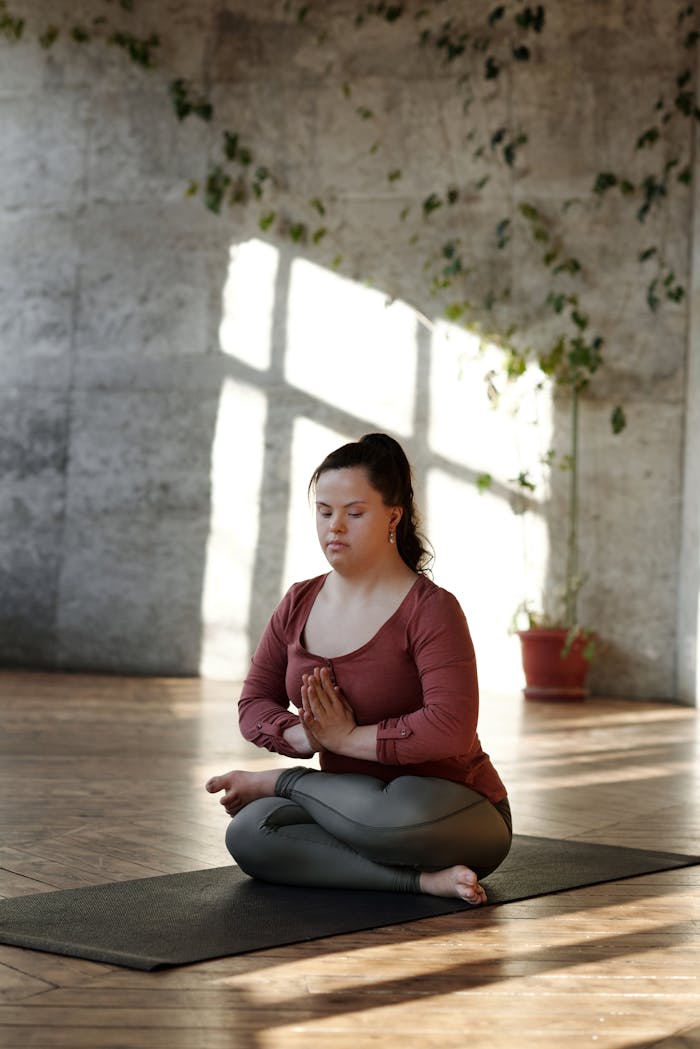
Yoga and meditation can become expressions of devotion when presence matters more than performance. Begin with a simple offering or intention. You might dedicate your practice to gratitude, healing, service, or a person, community, or source of meaning.
Move slowly, allowing each posture to become an act of care. Gentle heart-opening shapes may invite warmth and connection, but no pose is spiritually required. Let your body guide you, honoring its needs rather than striving for a particular result.
Mindful breathing can help settle distractions and create space for awareness. Try a few steady breaths, followed by a comfortable seated meditation. Notice subtle emotions, appreciation, or inner calm without needing to change them.
Restorative practices can support bhakti yoga by helping the nervous system soften. Explore restorative yoga for deep relaxation when you need extra support and stillness. Close with a quiet reflection, offering thanks for your body, your breath, or the opportunity to live with greater compassion.
Daily Bhakti: Service, Community, and Adaptable Rituals
One of the clearest expressions of bhakti yoga is seva, or selfless service. Seva might mean helping a neighbor, volunteering, caring for an animal, or completing ordinary tasks with generosity. When you offer your time and attention without seeking praise, everyday life becomes an opportunity to practice devotion.
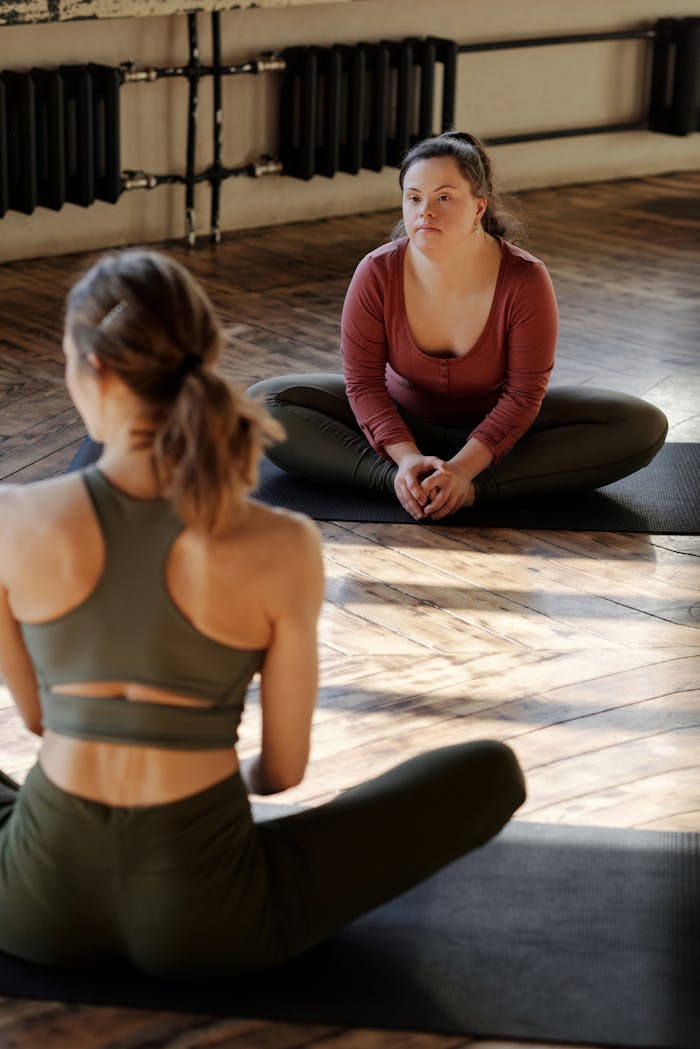
Community can nurture this intention. Consider a welcoming yoga class, meditation group, or discussion circle where people can explore connection together. When choosing a yoga studio that fits your wellness goals, look for inclusivity, respectful teaching, and freedom from pressure or coercion. A supportive community should encourage your discernment, not demand particular beliefs or practices.
Your personal ritual can be wonderfully simple. Light a candle, offer gratitude before a meal, repeat a meaningful phrase, or pause for three mindful breaths. Gentle movement, prayer, or an adaptive Viniyoga approach can meet your changing energy and abilities. Even one compassionate action each day can keep devotion alive. There is no single correct form; sincerity matters more than duration, appearance, or perfection.
Let Devotion Become a Way of Living
Bhakti yoga is an ongoing practice of connection, not a performance or rigid routine. Through clear intention, mantra, mindful movement, meditation, service, and community, you can bring gratitude and compassion into ordinary moments. Devotion may be directed toward a deity, loved ones, nature, community, or a personal commitment to caring well.
No particular identity, belief system, or yoga experience is required. Begin with one sincere, repeatable action: take three breaths with gratitude, repeat a meaningful phrase, or dedicate one daily task to care and connection. With time, this simple practice can deepen presence, support holistic wellness, and gently shape the way you meet yourself and the world.