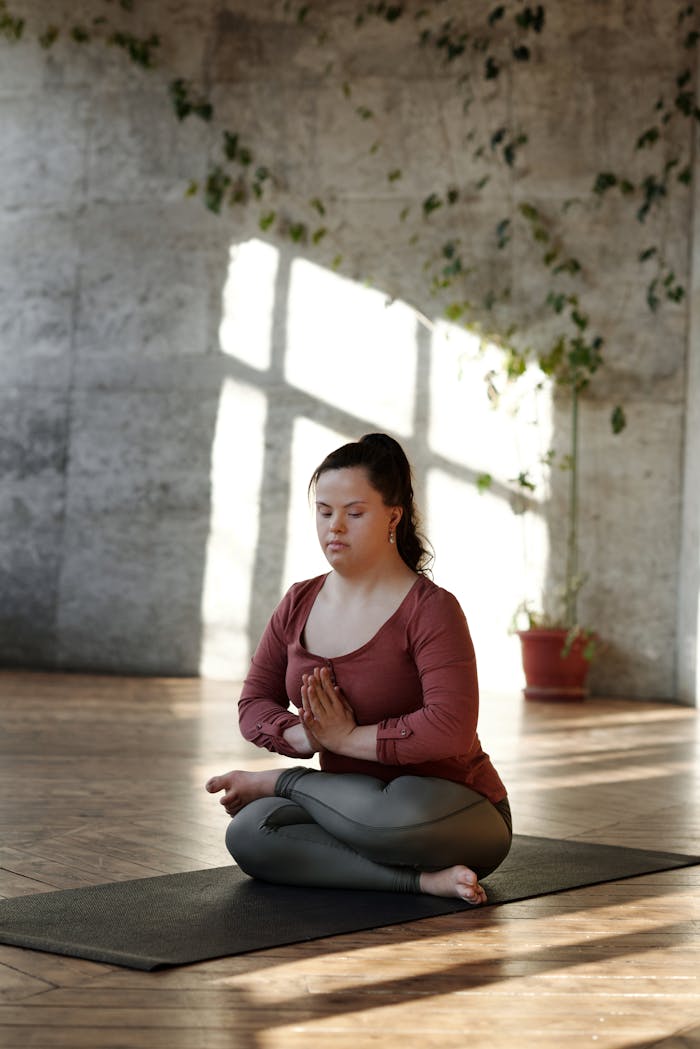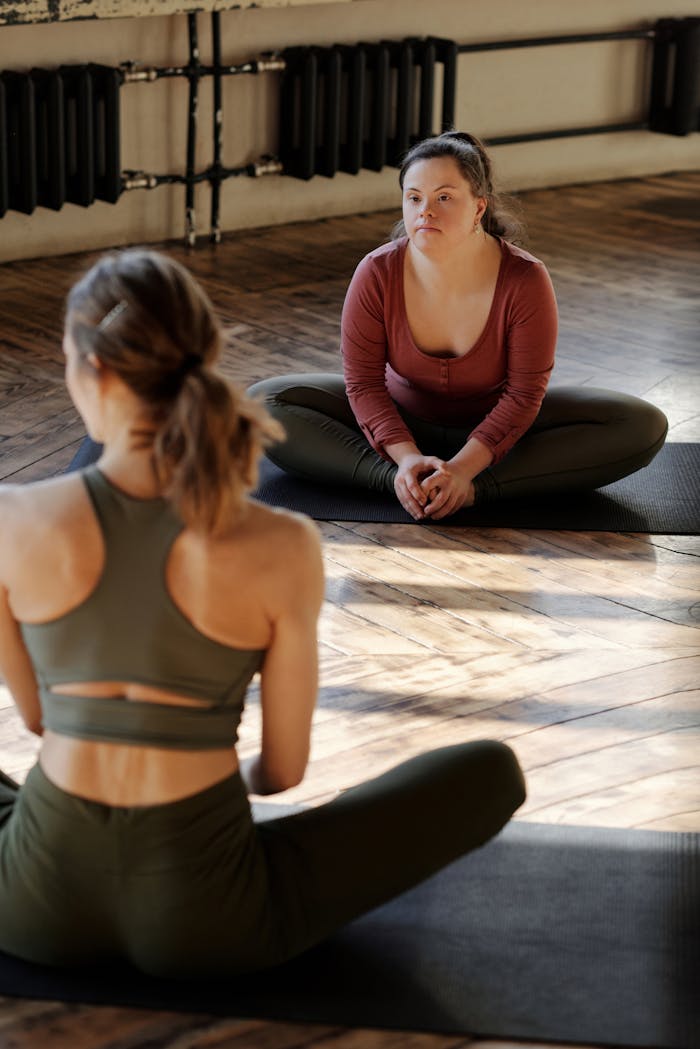
Solar plexus yoga offers a mindful way to explore strength, steadiness, and self-trust. In traditional chakra teachings, the solar plexus chakra, or Manipura, is associated with personal agency, confidence, and inner fire. You can use this framework as a prompt for reflection—not as a medical claim or a measure of your worth.
In this practice, movement becomes an invitation to notice how you meet a challenge, take up space, and respond to your own limits. We’ll explore eight poses that engage the core and encourage a grounded sense of confidence, using attentive breath and alignment rather than force.
Core strength develops gradually through progressive, well-aligned movement. Adapt each pose to your experience, body, and energy level; props, smaller movements, or rest can all be part of a supportive practice. For more ways to nurture your well-being, explore yoga and mindfulness resources at Joyous Yoga, and let this practice meet you where you are today.
What the Solar Plexus Represents in a Yoga Practice
In yoga traditions, the solar plexus is often connected with Manipura, a Sanskrit word commonly translated as “city of jewels.” Manipura is associated with will, discernment, and confidence—the qualities that can help us make choices and move through life with intention.
These ideas are part of a spiritual and symbolic framework, not a description of the abdominal muscles. The muscles around your abdomen support movement and stability; they are not the same thing as a chakra. Solar plexus yoga brings these themes together through poses that ask you to engage your center while staying attentive to your breath and body.
Core-focused movement can offer a chance to notice how effort feels. In a plank, for example, you might observe whether you’re holding your breath, softening your shoulders, or choosing a smaller variation. The aim isn’t to force a feeling of confidence or expect a particular emotional outcome. It’s to practice awareness, make choices that suit you, and meet each pose with curiosity.
Before beginning, take a moment to settle into a comfortable position. Let your breath move naturally, then try a few unhurried exhales. You might silently ask, “What would supportive effort feel like today?” There’s no right answer; your response may change from one practice to the next.
As you move, let your breath guide the intensity. Pause when needed, rest, or adapt a pose to your energy level. These choices are part of the practice, helping you explore steadiness without pushing past what feels manageable.
Pose 1: Boat Pose (Navasana)
Boat Pose invites you to meet effort with curiosity, building trunk endurance while asking you to balance. In solar plexus yoga, that steady challenge can become a chance to practice self-trust: choosing a variation that feels supportive rather than forcing a shape.
Sit with your knees bent and feet on the floor. Place your hands behind your thighs, then lean back slightly with a long spine and lifted chest. Keep your shoulders relaxed and your neck easy; avoid rounding your back or gripping your neck.
If you feel steady, lift your feet only as high as you can control. You might keep your hands behind your thighs, or leave your toes grounded for extra support. To increase the challenge, release your hands while keeping your chest lifted and your breath smooth.
Hold for a few steady breaths, then lower your feet and rest. Notice whether you can stay present without holding your breath. Choosing a sustainable version is part of the work; you can adjust the pose as your energy changes from one practice to the next.
Pose 2: Plank Pose (Phalakasana)
Plank Pose is a foundational, full-body strength pose. Your arms and legs support you while your core works to stabilize your spine and pelvis. In solar plexus yoga, practicing this steady effort can help you explore strength with attention and care.
Begin on your hands and knees, with wrists beneath shoulders. Step one foot back at a time, then press through your palms and reach your heels behind you. Aim to create one long line from shoulders over wrists through hips to heels, keeping your neck relaxed and your gaze toward the floor.
If a full Plank feels too intense, lower both knees while keeping your shoulders stacked over your wrists. This modification still invites your core to support your trunk, without asking your whole body to hold as much weight. Choose the version that lets you breathe smoothly.
Hold for just a few controlled breaths, then lower your knees or rest. Sagging hips, breath-holding, or shoulder discomfort are signs to adjust your position or come out of the pose. You can try again with a shorter hold or knees-down Plank.
Measure progress by the quality of your alignment and breath, not by how long you stay up. A brief, steady hold is meaningful practice—and a chance to build confidence one breath at a time.
Pose 3: Chair Pose (Utkatasana)
Chair Pose invites you to meet effort with steadiness. It strengthens the thighs and glutes while asking your trunk to stay engaged, offering a grounded way to explore confidence in your solar plexus yoga practice.
Stand with your feet hip-width apart, or bring them together if that feels comfortable. Inhale and reach your arms forward or overhead. As you exhale, bend your knees and send your hips back, as if lowering onto a chair. Keep your weight balanced through your feet, with your torso comfortably upright and your chest open.
Choose a shallower bend if your legs tire quickly, or rest your hands at your hips to make the pose feel more manageable. Keep your breath smooth, and avoid forcing your knees or arching your lower back. If discomfort builds, ease out of the pose and rest.
Stay for a few steady breaths, noticing how your feet connect with the ground even as your muscles work. You don’t need to hold the deepest version to practice confidence. Each breath is a chance to remain present under effort, adjust with care, and trust your own sense of balance.
Pose 4: Warrior III (Virabhadrasana III)
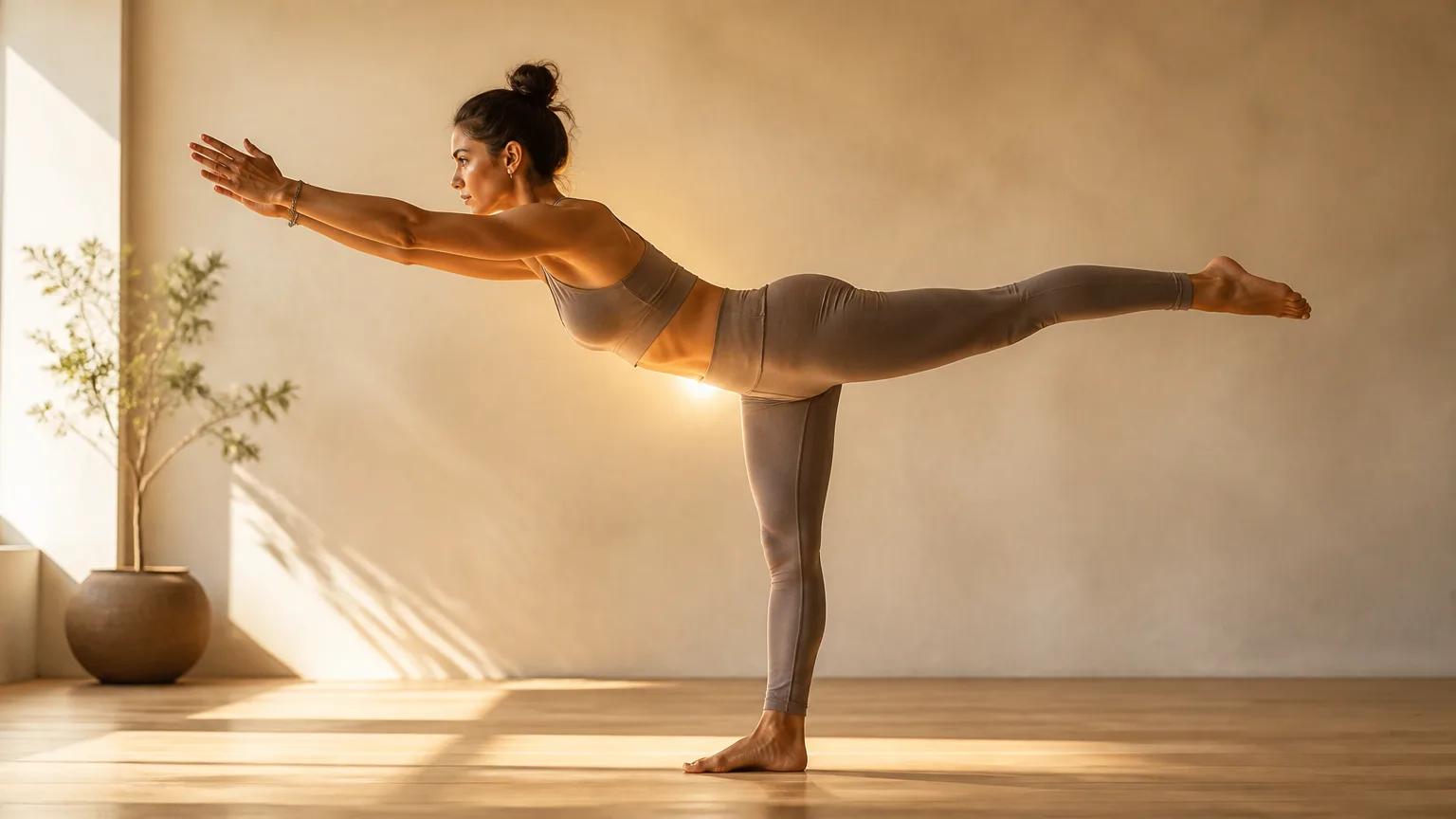
Warrior III invites you to balance on one leg while reaching your body in opposite directions. The pose asks your core to steady you, your standing leg to support you, and your attention to stay with each breath. In solar plexus yoga, this can be a gentle way to explore confidence through focused effort.
Begin beside a wall or sturdy chair, with one hand resting lightly for support. Hinge forward from your hips and extend one leg behind you, keeping your spine long. Let your chest reach forward as your back leg reaches back; there’s no need to lift it high.
Keep your standing knee soft rather than locking it, and engage your belly gently to help stabilize your torso. Let your hips stay level only as much as feels comfortable. If they shift slightly, ease back to a range where you can breathe smoothly and feel steady.
Stay for a few breaths, then lower your back foot and switch sides. Using a wall or chair is a skillful way to build steadiness, not a lesser version of the pose. With support, you can focus on alignment and notice how strength grows through patience, attention, and practice.
Pose 5: Crescent Lunge (Anjaneyasana)
Crescent Lunge brings leg strength and torso stability together in a dynamic standing pose. In a solar plexus yoga practice, it can help you explore confidence as purposeful effort: steady, engaged, and guided by your breath.
Step one foot forward and bend that knee, keeping it roughly over your ankle as a general guide. Extend the other leg behind you with the heel lifted. If balance feels uncertain, widen your stance by moving your feet farther apart from side to side.
Rest your hands on your hips to focus on your footing and torso. Or, if it feels comfortable, sweep your arms overhead. Keep a gentle bend in your back knee if that helps you feel stable. There’s no need to sink into a deep lunge or arch your lower back to lift your arms.
As you inhale, feel your torso rise while your legs stay grounded. Exhale and notice the steady work of your feet and legs. Stay for a few smooth breaths, easing out if your breath becomes strained. Step back, rest, and repeat on the other side.
Pose 6: Bow Pose (Dhanurasana)
Bow Pose is a backbend that works the muscles along your back and the front of your body, including your abdominal area. In a solar plexus yoga practice, it can offer a chance to explore strength and openness together. Move into it gradually, and choose an option that feels comfortable for your body.
Lie on your belly with your legs about hip-width apart. Bend your knees and, only if you can reach without straining, hold your ankles. Gently press your feet back as your chest lifts, keeping length through your spine. Let your breath stay easy; avoid pulling hard on your feet or compressing your lower back.
Stay for a few comfortable breaths, then release your ankles and rest. If the full pose feels too intense, try a gentle low Cobra instead: keep your hands beneath your shoulders and lift your chest only a little, using your back muscles. You can also rest with your forehead on your hands.
Skip Bow Pose if it causes pain or does not suit your body or current condition. If you’re unsure, seek guidance from a qualified yoga teacher or health professional. Choosing a gentler variation—or resting—is a mindful way to build confidence at your own pace.
Pose 7: Revolved Chair Pose (Parivrtta Utkatasana)
Revolved Chair Pose adds a gentle twist to the strength and balance of Chair Pose. It asks your legs to stay grounded while your torso turns with control—a useful way to explore steadiness in your solar plexus yoga practice.
Begin in Chair Pose, bending your knees comfortably and shifting your hips back as if sitting into a chair. Bring your hands together at your chest, or keep them apart if that feels more spacious. Inhale to lengthen your spine, then exhale and rotate gently through your upper torso.
Keep your knees aligned and your weight balanced across both feet. If your hands are together, let them rest at your chest; there’s no need to press an elbow outside your knee. Avoid forcing the twist or turning farther than you can while staying steady.
If rotation feels uncomfortable, remain in Chair Pose without twisting. You can rest your hands on your thighs or reach them forward, keeping the same comfortable bend in your knees. This variation still builds leg strength and invites focus.
Take a few smooth breaths, easing out if your breath becomes strained or your balance feels unsettled. Return to center, rise slowly, and repeat on the other side if it feels right. Turn only as far as you can while maintaining stability; a small, comfortable rotation is enough.
Pose 8: Side Plank (Vasisthasana)
Close the sequence with Side Plank, a lateral stability challenge that works your obliques, shoulders, and legs. It can feel demanding, so choose a version that lets you breathe steadily and stay connected to your body.
Begin on hands and knees, with your right wrist under your shoulder. Extend your left leg and place the foot on the mat, then lift your hips. Keep your right knee grounded for support, and reach your left arm upward only if that feels comfortable. Press the floor away without sinking into your supporting shoulder, and imagine one long line from your head through your lifted hips.
Stay for a few steady breaths, then lower your hips and switch sides. As your balance grows, try stacking your feet. You can also shorten the hold or keep both hands down if that feels steadier. If your wrists or shoulders become uncomfortable, come out of the pose and rest.
In solar plexus yoga, strength is not about holding a perfect shape. Let this pose be a chance to practice adaptable strength: notice what support you need, make a thoughtful adjustment, and meet yourself where you are today.
Build a Balanced Solar Plexus Yoga Sequence
You can bring the eight poses together in a short practice without moving straight from one demanding shape to the next. Begin with a few minutes of gentle movement, such as easy seated breathing, Cat-Cow, or a comfortable standing stretch. Let your breath settle, and use this time to notice how your body feels today.
From there, move into the standing poses, such as Warrior II and Chair Pose, before exploring balance work. Add core poses like Plank and Boat after your body feels warm. Pause between challenging shapes to rest or take a few steady breaths; recovery is part of a supportive solar plexus yoga practice.
Try this simple flow, adjusting the order to suit your comfort:
- Warm up with gentle movement and breathing.
- Practice standing poses on both sides.
- Add a balance pose, followed by a core pose.
- Include Bow Pose only if it feels appropriate for your body.
- Cool down with gentle twists or another comfortable resting pose.
Start with one round and brief holds, perhaps a few smooth breaths in each pose. Rest between poses that feel demanding, and shorten or lengthen your practice according to your experience and energy. If your breath becomes strained or your movement feels unsteady, pause, modify, or finish for the day.
Bow Pose is optional, not a required peak. You might skip it, choose a gentler variation, or leave more space for recovery afterward. A calming cooldown can include lying comfortably on your back and allowing your breath to return to its natural rhythm.
Your practice can change with the season, your schedule, and how much energy you have. For inspiration on adapting movement to different conditions and rhythms, explore this seasonal yoga practice. Let the sequence be a flexible guide, not a test; each thoughtful adjustment helps you build strength with care.
Make the Practice Accessible, Safe, and Sustainable
A steady solar plexus yoga practice begins before the first pose. Warm up with gentle movement, and choose a level, stable surface where you can move without slipping. Keep a wall, chair, or folded blanket nearby for support, and start with shorter holds.
Small adjustments can make core-focused poses feel more manageable. For example, bend your knees, lower them to the floor, or reduce your range of motion. Common alignment slips include locking the knees, letting the lower back sag, or holding your breath to maintain a shape. Move slowly enough to notice these habits and reset when needed.
A pose resource can show how to make thoughtful changes; a pose guide with step-by-step modifications offers one example. Frog Pose is not one of the eight core-focused poses in this sequence, but the guide illustrates how modifications can support different bodies and experience levels.
Some muscle effort or warmth may be part of practice, especially when you’re building strength. Pain, dizziness, or unusual symptoms are reasons to stop, rest, and reassess—not signals to push through. If discomfort continues or you feel unsure, seek qualified guidance.
If you have an injury, pregnancy-related considerations, or a health concern that may affect movement, consult a qualified clinician or yoga professional about suitable modifications. Your practice can change from day to day. Choosing support, resting, or skipping a pose helps make it sustainable.
Frequently Asked Questions
How often should I practice solar plexus yoga? A few sessions each week can help you build a steady routine. Start with one or two, then adjust based on your schedule, energy, and how your body feels. Consistency matters more than practicing every day.
How long should I hold each pose? Begin with a few comfortable breaths, then rest or move on. If your breath stays smooth and your alignment feels steady, you might gradually stay longer. There’s no need to match someone else’s timing.
Can beginners try this sequence? Yes. Beginners can use modifications, such as knees-down Plank, a shorter hold, or support from a wall or chair. You can also skip poses that don’t feel suitable and return to them later with guidance. If you’re unsure how to adapt for an injury, pregnancy, or health concern, ask a qualified professional.
Will these poses make me more confident or stronger? Yoga may support physical strength, body awareness, and a reflective sense of confidence as you practice noticing your needs and making choices. But it cannot guarantee emotional or physical outcomes. Let progress mean finding a version of movement that feels manageable and present, rather than expecting a particular result.
Do I need to believe in chakras to practice solar plexus yoga? No. Some people connect the solar plexus with chakra traditions, while others use the term to describe a focus on core strength, movement, and attention. You can explore the poses and mindful breathing without adopting a spiritual framework.
How can I make my practice feel calmer at home? A small, comfortable space and a few familiar objects can help make practice inviting, without needing a full yoga room. For inspiration, explore ideas for a peaceful, mindful home practice. A calm setting can support focus, while your practice remains flexible enough to meet you where you are.
Practice Strength with Steadiness and Self-Trust
The eight poses offer different ways to explore core strength, balance, and mindful effort. Modifications, props, and rest belong in a complete practice; confidence grows through attentive choices, not advanced shapes or performance.
Choose one manageable pose or a short sequence, then return to it consistently. Let your breath guide your effort, respect your limits, and rest when you need to. Your practice can change from day to day, and each thoughtful adjustment helps you build self-trust.
If you’d like to continue your mindfulness practice off the mat, try a mindful art practice for calm and creativity. Yoga painting offers quiet space to reflect and create. Whether moving or making art, you can meet yourself where you are and let steadiness grow one moment at a time.