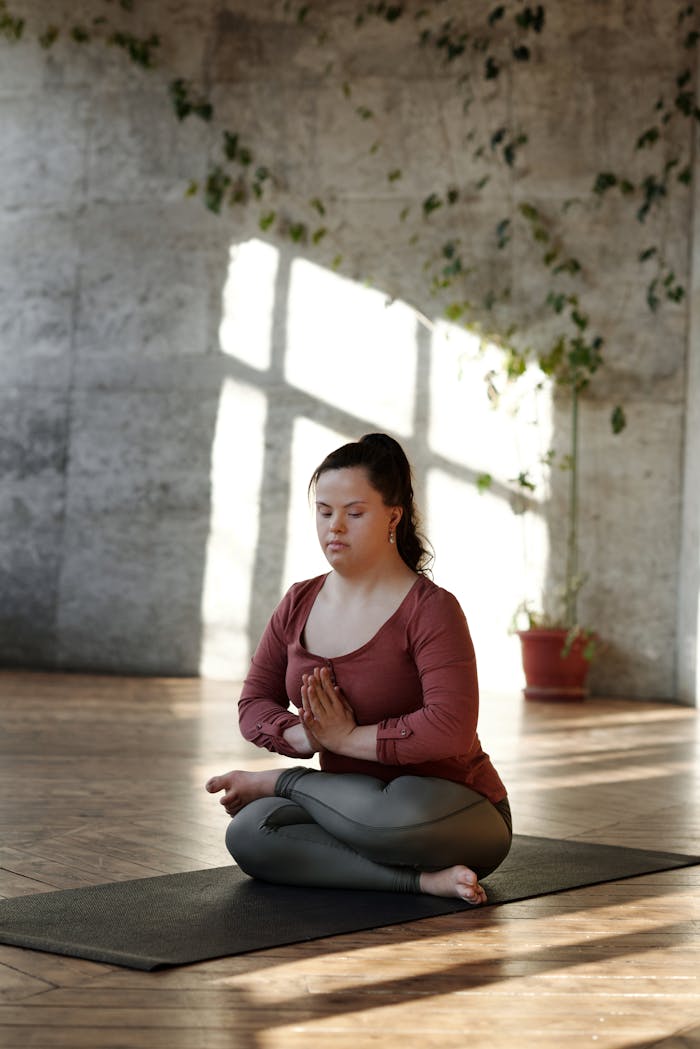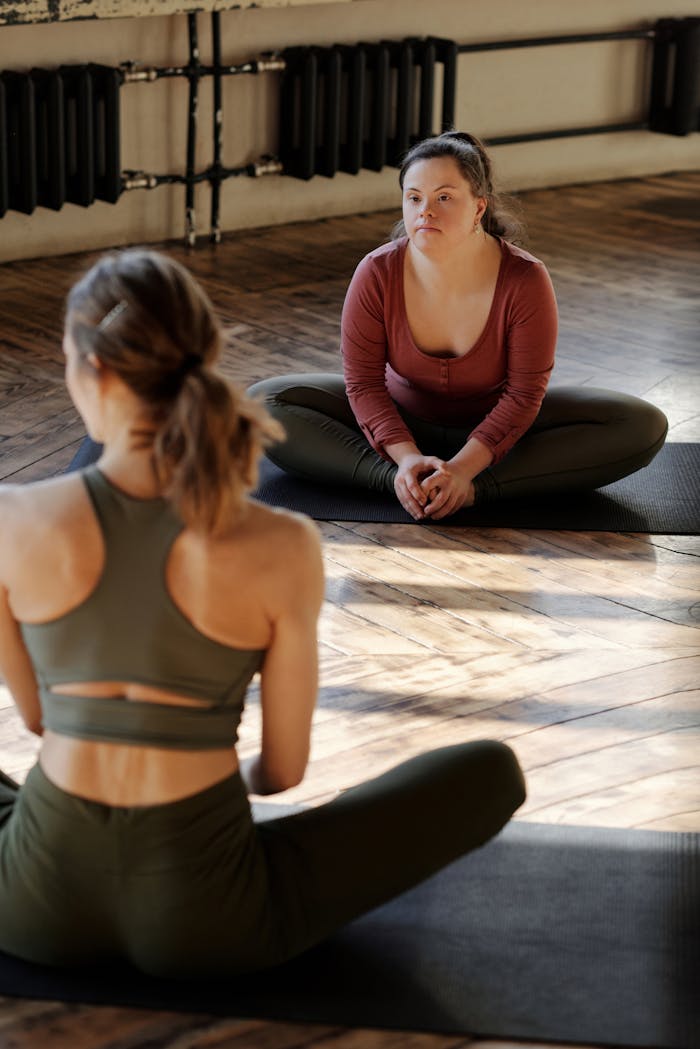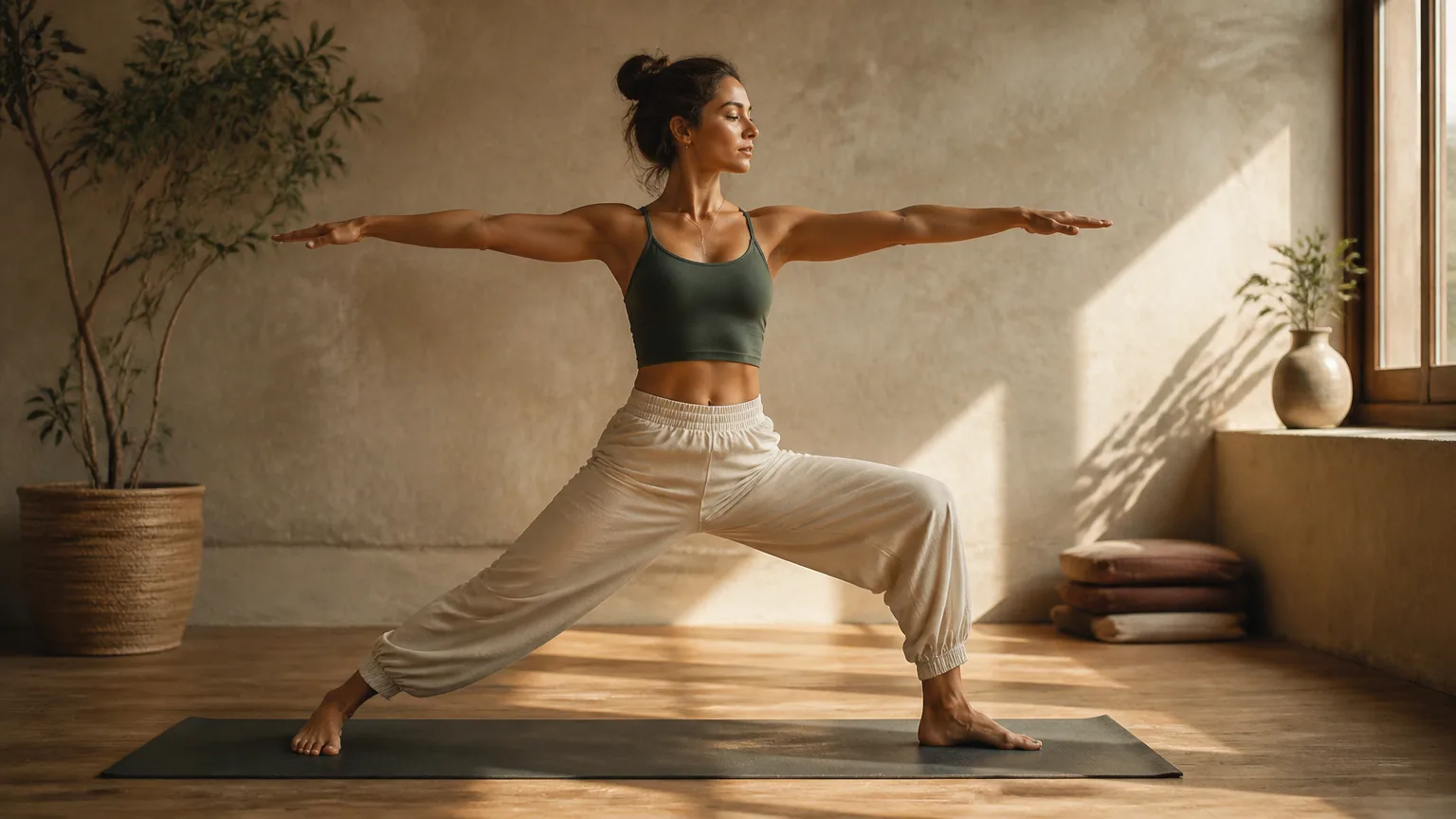
The right yoga outfits can make it easier to settle into your practice, leaving more room for movement, breath, and focus. Whether you’re flowing through sun salutations or holding a quiet seated pose, clothing should support you—not become something you need to adjust.
Comfort is personal as well as physical. Some people feel best in close-fitting layers; others prefer a looser, softer feel. There’s no single outfit that works for every body, class, or pose sequence, and you don’t need a particular look to belong on the mat.
A little thought about your practice style, fit, fabric, and personal comfort can help you find what feels right. In this guide, we’ll explore practical ways to choose clothes that stay comfortable as your practice changes. Consider it an invitation to find your own balance, with support from Joyous Yoga along the way.
Start With Your Yoga Style, Pace, and Practice Space
The best yoga outfits begin with the kind of practice you’re heading into. A quiet restorative class asks different things of your clothes than a quick-moving flow. Think about how much you’ll move, how warm the room may feel, and where you’ll practice before choosing what to wear.
For gentle classes, you may spend more time still or close to the floor. Soft, comfortable layers can help you stay warm during long stretches and relaxation. Leggings or roomy pants paired with a fitted top and a light sweater give you options as your body warms up. Choose layers that are easy to remove without interrupting your practice.
Faster flows often bring more movement and heat. Breathable, sweat-managing fabrics can help you feel comfortable as your pace picks up. A secure waistband and a top that stays in place through bends and transitions mean fewer adjustments, leaving more attention for your breath and movement. Try a few familiar poses at home to see whether your outfit shifts or restricts you.
Heated classes call for a different approach. Prioritize light clothing that manages sweat, such as a breathable top and bottoms that feel secure without being restrictive. Bring a dry layer to change into afterward, especially if you’ll be traveling home in cool weather. If it’s your first heated session, learn what to expect at a hot yoga class so you can prepare with confidence.
Your practice space matters, too. At home, you can choose clothes based on your comfort, temperature, and available room to move. In a studio, you may want to consider the room’s warmth, the class format, and what you’ll wear to and from class. If you’re unsure, check the studio’s guidance or ask what the space is like.
Studio norms vary, and so do personal preferences around coverage and modesty. Some people feel best in fitted pieces; others prefer looser layers or more coverage. There’s no single right choice. Choose clothes that let you move freely and focus without worrying about how they look or feel.
As you explore, notice what supports you in each setting. A small adjustment—a warmer layer for a slow class or a more secure top for flowing sequences—can make it easier to settle into the moment. Your needs may change from practice to practice, and your clothing can change with them.
Choose Fabrics That Move, Breathe, and Feel Good on Skin
Once you have a sense of where you practice, fabric is a helpful next detail to consider. The right feel depends on your movement, the room temperature, and what helps you stay present. A fabric that feels lovely in a slow class may feel heavy during a warm, flowing sequence.
Synthetic blends, such as polyester or nylon mixed with elastane, often offer four-way stretch and a close, supportive fit. They commonly dry quickly, which can feel comfortable through sweaty practice or when you need to pack damp clothes afterward. Still, some synthetic fabrics may feel less breathable or clingy, so look for a light, smooth knit if heat is a concern.
Cotton and other natural fibers can feel soft and airy against the skin. Blends with elastane add stretch, but natural-fiber fabrics may absorb sweat and take longer to dry. That can be comfortable in a gentle class, yet less appealing if you tend to overheat or want clothes that feel dry between poses.
There isn’t one best choice for every body or practice. If you move between standing poses and floor work, try bending, twisting, and reaching in a garment before class. Notice whether the fabric springs back, stays in place, and feels comfortable where it touches your skin.
Construction matters as much as fiber content. A well-designed garment can ventilate effectively, while a dense knit made from a breathable fiber may still feel warm. Check seams for rubbing or bulky edges, especially around the waist, shoulders, and inner thighs.
Read the care label before buying, too. Some fabrics need a gentle wash or air-drying to keep their stretch and shape; high heat can wear down elastic fibers. Following those instructions can help your favorite yoga outfits stay comfortable over time.
When a brand describes its materials or sustainability choices, treat those statements as a starting point for your own questions. For example, Alo Yoga’s brand and activewear overview can help you consider how a company presents its design and product claims. Look for specifics about fabric composition, construction, and care, rather than assuming a broad label guarantees a certain feel.
If possible, compare garments in person or check return policies before ordering. Your comfort is the useful measure: choose fabric that lets you move freely, manage warmth, and focus on your practice.
Find a Fit That Stays Secure Without Restricting Breath
Once you’ve considered fabric and care, pay attention to how each piece fits when you move. The right yoga outfits feel steady and comfortable, not like something you have to adjust between poses. A mirror can help, but a few simple movements offer an even better fit check.
For tops, reach both arms overhead, then stretch them out to the sides. Notice whether fabric pulls across your shoulders, rides up, or leaves a gap that makes you feel exposed. A supportive top should stay in place without pressing on your ribs or making a full breath feel difficult.
Support needs differ from person to person and from one practice to another. A gentle, seated class may call for a softer fit, while a flowing sequence might feel better with a more secure top. Choose the level of support that helps you feel at ease, while still allowing your chest and ribs to expand comfortably.
Leggings should move with you through a lunge, forward fold, and twist. Watch for pinching at the hips, fabric that slips or gaps at the back, or material that pulls across your thighs. If you practice inversions, try a downward-facing dog or a brief forward fold to see whether the waistband and top stay put.
Waistbands deserve their own comfort check. A waistband that digs in while seated may become distracting during a long meditation or breath practice. Try sitting cross-legged and bending forward; it should feel secure without pressing into your stomach or making it harder to breathe.
Remember that sizing labels are not consistent across brands. One brand’s small may fit differently from another’s, and your size can vary by garment style. Rather than relying on the number on a tag, notice how the clothing feels during motion. If you’re shopping online, check the size guide and return policy, and consider ordering more than one size when that’s an option.
Give yourself time to test a new outfit before class, especially if it’s unfamiliar or has a snug fit. Bend, twist, reach, and sit as you would in practice. If you notice slipping, gaping, pinching, a digging waistband, or restricted breathing, try a different size or cut. Comfort is personal, and finding a secure fit should make it easier to focus on your movement, not manage your clothes.
Choose Tops, Bottoms, and Layers for Pose-by-Pose Ease
Once you have a feel for fabrics and fit, consider how each piece moves with you. The right yoga outfits support your practice without demanding constant adjustments. Think about the poses you enjoy and where clothing might shift, pinch, or feel restrictive.
For tops, look for a fit that stays comfortably in place when you fold forward or reach overhead. A longer hem can offer more coverage in folds, while a secure neckline and supportive design can help during flowing sequences. Try lifting your arms and bending forward before class; if the top rides up or gaps, another cut may feel more settled. Minimal, close-fitting tops can be practical for movement, but comfort, coverage, and personal preference matter most.
Bottoms should let you bend, stretch, and sit without pulling or digging. Rise and waistband placement can make a difference: a high-rise waist may feel secure in lunges, while a waistband that presses into your middle may be distracting in seated poses or folds. Choose a rise that stays comfortable as your torso changes position.
Inseams and leg length also shape how bottoms feel. A longer inseam may offer more coverage, but fabric that bunches behind the knees can bother you in seated poses. Shorter lengths may feel cooler and leave your ankles free, though you might prefer more coverage for certain movements. Try a few options and notice whether the fabric stays put through a lunge, forward fold, and seated position.
Before committing to a class, test tops and bottoms with a small movement sequence. Reach your arms overhead, fold forward, step into a lunge, and sit on the floor. Notice whether waistbands roll, hems shift, or fabric limits your range. A quick try-on at home can help you focus on your breath and movement later.
Layers offer an easy way to adapt as your body warms up and cools down. A light sweatshirt or wrap can feel welcome during arrival, gentle warm-ups, or final relaxation. Choose pieces that are easy to remove and won’t feel bulky if you keep them on briefly. Your ideal combination may vary by class, season, and personal comfort; let your clothing support the practice you want to have.
Check Coverage, Skin Comfort, and Confidence in Motion
Once a fit feels secure, notice how the clothing behaves as you move. Coverage is personal, and there is no single amount that suits every body or practice. The goal is to feel at ease in your own choices, without having to adjust your outfit throughout class.
Check garments in natural light, where thin or sheer areas may be easier to spot. Then try a few bends, twists, forward folds, and stretches. Notice whether fabric becomes transparent, shifts out of place, or reveals more than you intended. If it does, you might prefer a different color, a denser fabric, or a cut that offers coverage where you want it.
A quick movement check can also help you assess waistbands and necklines. See whether a waistband rolls, digs in, or slides when you bend, and whether a top stays put when your arms lift. These small details can influence how freely you breathe and move. If you find yourself tugging at a hem or checking your clothing, another style may feel more supportive.
Skin comfort matters, too. Soft seams and smooth labels can make a difference, especially during longer practices or poses where fabric presses against the body. Look for materials that feel gentle against your skin, and pay attention to any known sensitivities to dyes, finishes, or fibers. If it suits your needs, washing new garments before wearing them may help remove residue and soften the fabric.
When shopping, feel the inside of a seam and check whether a label can be removed without leaving an irritating edge. If you already know certain textures bother you, trust that experience. What feels comfortable for one person may distract another, so there is no need to choose a garment just because it is popular or designed for yoga.
Your boundaries around clothing are yours to define, and they may differ from someone else’s. Some people prefer more coverage; others feel comfortable with less. If you would like another perspective, explore this guidance on boundaries and comfort in clothing-optional yoga. Whatever your preference, choose yoga outfits that let you move with confidence and keep your attention on the practice.
Build a Practical Yoga Wardrobe on Your Budget
Once you know what feels comfortable, you can build a yoga wardrobe gradually. Start with a small rotation that suits how often you practice and how often you do laundry. A few reliable tops and bottoms may be enough for weekly classes, while more frequent practice could call for an extra set. You don’t need to buy a complete matching outfit all at once.
Think about which pieces you reach for most. If you practice warm, flowing sequences, breathable tops and secure leggings may earn regular use. For slower classes, you might value a soft layer that stays comfortable during floor poses and relaxation. Prioritizing your actual routine helps you spend on clothing that supports your practice, rather than pieces that look appealing but rarely leave the drawer.
When comparing prices, consider construction, fit, and expected use together. Check seams, waistbands, and fabric recovery, and ask whether the garment feels comfortable through the movements you do most. A higher price may make sense for a durable piece you’ll wear often, but cost alone doesn’t guarantee a better fit. Likewise, a discount is useful only when the item meets your needs and you feel good wearing it.
If you enjoy looking for deals, the Alo Yoga sale guide offers a resource for exploring discounts. Use it as a starting point, not a reason to buy something that doesn’t suit your practice. There’s no particular brand or purchase you need to create a comfortable wardrobe.
Simple care habits can help your clothes last longer. Follow the care label, wash items soon after sweaty sessions, and use a gentle cycle when recommended. Avoid high heat if it can damage elastic or technical fabrics; air-drying may help preserve their fit. Keeping only what you use in regular rotation can also make laundry and outfit choices feel more manageable.
As your practice changes, notice which garments continue to serve you well and where you feel discomfort. Replace items when they lose support or become difficult to move in, rather than shopping just because a new trend appears. A thoughtful wardrobe can grow at your own pace, making it easier to focus on balance, movement, and the time you’ve made for yourself.
Frequently Asked Questions
Choosing yoga outfits comes down to how you feel and move in them, not following a strict dress code. These quick answers can help you make a comfortable choice for your next class.
What should a beginner wear to yoga? Start with clothes you already feel comfortable moving in, such as a stretchy top and shorts or pants. Before class, try reaching overhead, bending, and sitting to check that nothing shifts or distracts you.
Are leggings necessary? No. Shorts, joggers, or other flexible pants can work well, too. Choose a length and fabric that suit the room temperature and help you feel at ease during seated poses and transitions.
How tight should yoga clothes be? They should feel secure without pinching, restricting your breath, or limiting your range of motion. A few simple movements at home can reveal whether the waistband stays put and the top offers the coverage you want.
What should someone wear for hot yoga? Choose lightweight, breathable pieces that feel comfortable when you sweat. Some people prefer fitted shorts and a supportive top; others choose more coverage. Consider bringing a towel and checking the studio’s guidance, especially if it’s your first heated class.
When in doubt, dress for the class conditions and your own comfort. A quick movement test—and a spare layer or change of clothes when useful—can help you arrive ready to focus on your practice.
Let Comfort Support Your Practice
Choosing comfortable yoga outfits doesn’t have to be complicated. Match your clothing to the practice, then check how it feels as you bend, twist, reach, and breathe. A steady waistband, supportive top, or removable layer can make a real difference, depending on the class and your preferences.
Notice what helps you feel at ease and confident, and give yourself room to experiment. You might try a different fabric or fit before deciding what works best. There’s no need to chase a perfect wardrobe or spend more than feels right; let your choices grow with your practice.
Your clothing is there to support your movement, not measure whether you belong. The best yoga outfit is the one that lets you move, breathe, and focus with ease.