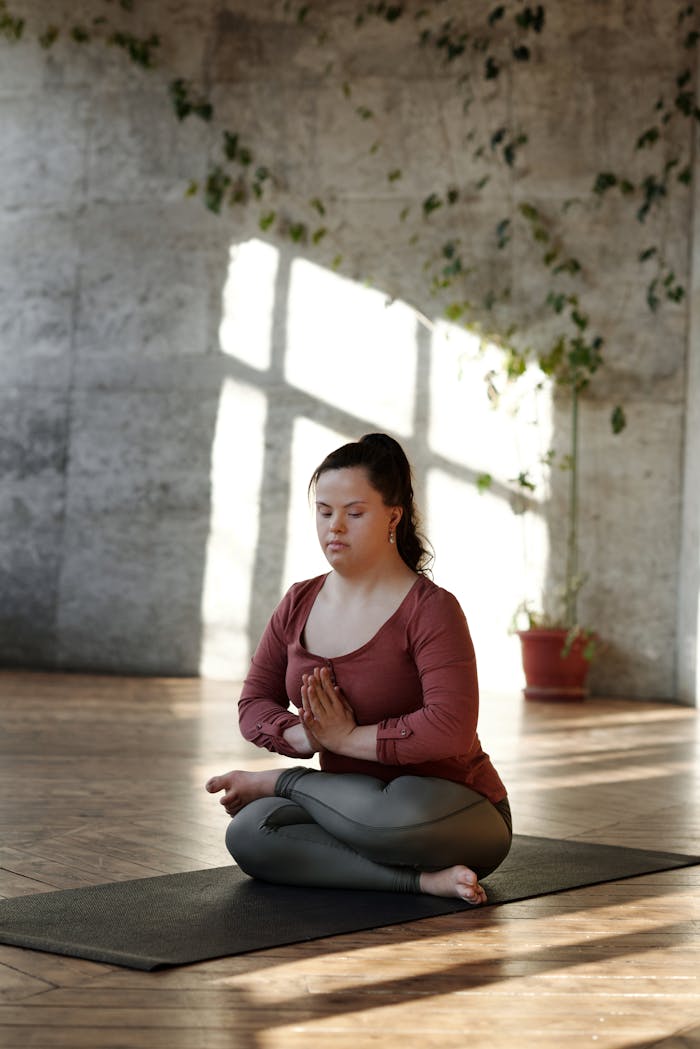
Trying 2 person yoga poses can be a gentle way to move, breathe, and connect with someone you care about. You don’t need to be flexible or experienced. These beginner-friendly poses are invitations to explore together, not tests to pass.
Partner yoga works best with communication and mutual support. Whether you practice with a friend, partner, or family member, check in with each other and choose a comfortable pace. Neither person should pull, push, or force the other into a deeper stretch.
The ten poses ahead offer simple ways to build balance, ease, and connection, with room to adjust as you go. If you’d like more ideas after trying them, explore these more beginner-friendly two-person yoga poses.
Before You Begin: Set Up a Safe, Comfortable Practice
A little preparation can help both partners feel more at ease as you explore these 2 person yoga poses. Choose a quiet space with enough room to stretch without bumping into furniture, and use a nonslip surface for steady footing. Wear comfortable clothing, keep water nearby, and place folded blankets or blocks within reach. Props are supports, not signs of failure; they can make a pose more comfortable and accessible.
Take a few minutes to warm up together before trying the poses. Gently roll your shoulders, wrists, and ankles, then add easy stretches that feel good to both of you. There’s no need to rush into deep movements. If you’re new to yoga more broadly, these beginner tips for choosing a yoga class can help you find a supportive place to learn.
Before you begin, agree on a simple stop signal, such as saying “pause” or tapping your partner’s arm. Ask before offering hands-on support, and check in as you move. Partners may have different ranges of motion, so keep the pressure light and let each person choose their own depth.
Breathe steadily and move gradually, using your breath as a reminder to stay present rather than push further. Stop if either person feels sharp pain, dizziness, numbness, or unsteadiness. If you have an injury or a health concern that may affect your practice, seek guidance from a qualified healthcare professional or yoga instructor before trying partner poses.
1. Seated Partner Breathing
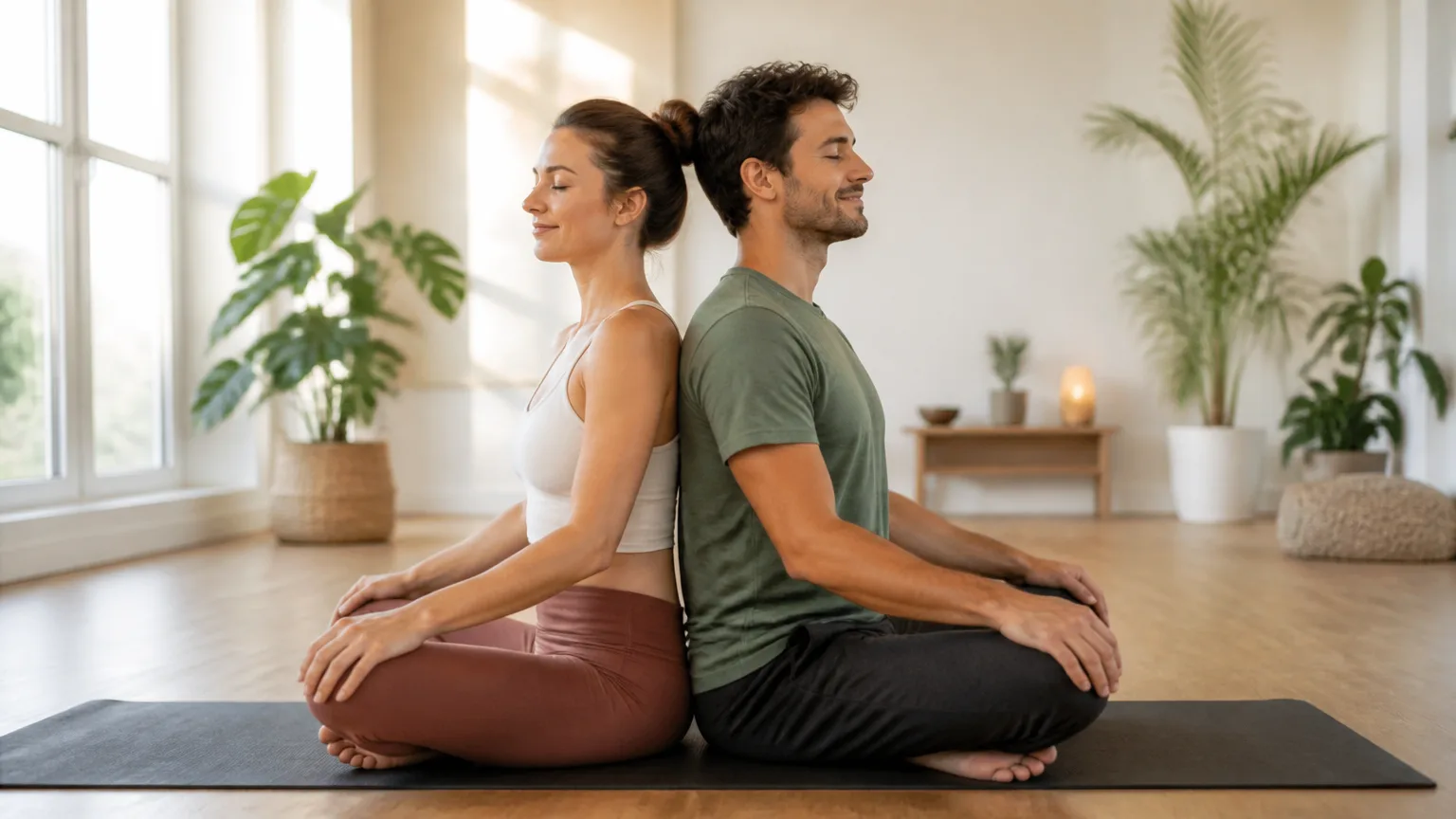
Begin with a few quiet breaths to settle into practice. Sit cross-legged on the floor, or choose chairs if that feels more comfortable. If you both like the sensation, sit back-to-back with your backs touching lightly. Keep your posture relaxed; there’s no need to press into each other.
First, notice your own breathing. Feel your ribs expand as you inhale and soften as you exhale. After several breaths, gently notice whether you can sense your partner’s breathing through the light contact. There’s no need to match or change your rhythm. Simply observe what’s there, with curiosity.
Stay for a minute or two, letting each breath bring you into the present moment. This simple start can help you feel grounded and connected before trying other 2 person yoga poses. If back contact feels uncomfortable, sit side by side or leave a small gap between you. You can still share the moment by breathing quietly together, each at your own pace.
2. Seated Partner Side Stretch
From your shared seated breathing, add a gentle side stretch. Sit side by side or back-to-back, choosing the position that feels comfortable. Keep your hips grounded and your spine tall, with enough space to move freely.
Raise one arm overhead, keeping the shoulder relaxed. Slowly lean away from your partner, reaching through your lifted fingertips while keeping both sit bones on the floor. Let the stretch come from your own movement; your partner can mirror you without guiding or supporting your body.
Breathe easily for a few moments, noticing the stretch along your side. Keep it mild and adjust your angle or arm position whenever you need. Partners should not pull each other’s arms or use body weight to deepen the stretch. If your shoulder feels strained, rest your raised hand on your hip or lower your arm.
Return to an upright seat slowly, then repeat on the other side. This accessible option can bring mindful connection to your 2 person yoga poses practice, without asking either partner to go beyond a comfortable range.
3. Partner Seated Forward Fold
After exploring a gentle side stretch, settle onto the floor facing each other. Open your legs to a comfortable width, or bend your knees if that feels better. You can also sit on a folded blanket to make it easier to stay upright.
Hold hands lightly, then inhale and lengthen your spines. As you exhale, hinge forward from your hips only as far as feels manageable. Keep your backs long rather than rounding to reach farther. A small movement can offer a useful stretch along the hamstrings and back of the body.
Think of the handhold as a way to share connection and notice each other’s comfort—not as a tool for pulling. Move at your own pace, and make sure either person can release their hands at any time. If one partner folds farther, the other can remain more upright without needing to match them.
Bend your knees more, bring your legs closer together, or sit on a folded blanket to adjust the pose. Take a few easy breaths, then slowly return to sitting upright. In these 2 person yoga poses, comfort and communication matter more than how far you fold.
4. Double Seated Twist
After exploring a gentle forward fold, try a small seated twist to bring awareness to your posture and breath. Sit back-to-back with your partner, choosing a comfortable upright seat. Let your pelvis feel grounded, and keep both feet steady on the floor or legs relaxed in a position that feels easy.
Place one hand on your own thigh. Together, choose a direction and turn gently that way, each person starting the movement from their own torso. You might turn your shoulders only a little; there’s no need to reach farther or match your partner’s range.
Keep your back tall and breathe naturally as you pause. Avoid leaning into your partner, using their body to deepen the twist, or bouncing to create more movement. A twist should feel comfortable and controlled, not forced.
After a few easy breaths, slowly return to center before changing sides. Take a moment to settle there, then coordinate the turn in the opposite direction. This mindful option can add variety to your 2 person yoga poses while keeping comfort and communication at the heart of your practice.
5. Partner Bound Angle Pose
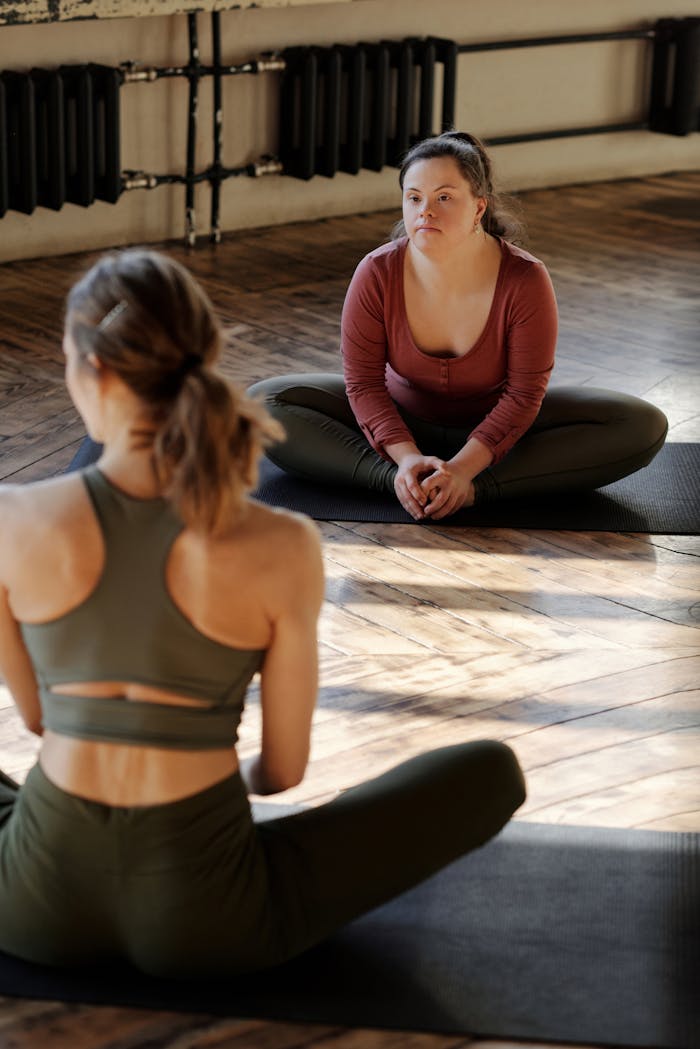
After the gentle twist, settle into a relaxed hip opener. Sit facing one another and bring the soles of your feet together, leaving enough space between you to sit comfortably. Let your knees rest wherever they naturally fall; they do not need to reach the floor.
Hold hands lightly if that helps you feel balanced, or place your hands on the floor beside you. Keep your spines easy and take a few calm breaths together. Avoid pressing down on your partner’s knees or pulling their hands to deepen the stretch.
A comfortable stretch may feel mild and spacious through the inner thighs. Pressure or pain in the knees or hips is a cue to adjust, not push through. Try placing cushions under your thighs or moving farther apart to reduce the intensity.
Release the pose slowly and give your hips a moment to settle before moving on. This gentle variation keeps your 2 person yoga poses practice welcoming for different bodies and ranges of motion. For safe ways to approach other hip-opening poses, explore additional alignment tips and modifications.
6. Double Child’s Pose
After exploring a gentle hip opener, pause in Double Child’s Pose for a restful reset. Kneel near each other, leaving enough space to move freely, then fold forward independently. There’s no need to stack your bodies or lean on one another.
Choose a knee width that feels comfortable, from knees together to wider apart. Rest your arms beside your body or reach them forward, whichever feels easier. If your knees need extra support, place a blanket beneath them. A cushion under your torso can also make the fold more comfortable.
Stay only as low as feels good; you can keep your chest lifted or sit back without folding. If kneeling is uncomfortable, choose a seated resting position instead. Partner yoga is about sharing the moment, not matching each other’s shape.
Take several easy breaths, noticing the support beneath you and allowing your shoulders to soften. When you’re ready, slowly lift your torso and return to kneeling or sitting upright. Give yourselves a moment before moving on to the next pose. This quiet pause can bring a little more ease and connection to your 2 person yoga poses practice.
7. Standing Partner Mountain Pose
After the stillness of the previous pose, take a moment to rise and feel your feet meet the ground. Stand facing each other at a comfortable distance, with enough room to move freely. Find even footing and let your arms rest by your sides.
Notice how you’re standing without trying to match your partner exactly. Keep your shoulders relaxed, knees soft, and spine comfortably tall. Take a few steady breaths, allowing each person to maintain their own balance.
If it feels comfortable, lift your hands and gently touch palms. Keep the contact light; there’s no need to push or lean into each other. Let your shared point of connection remind you to stay present while honoring your own space.
Prefer not to touch? Stand side by side, or remain facing each other with your hands at your sides. You can still share a calm breath and enjoy the sense of practicing together. This simple standing option makes 2 person yoga poses accessible, while bringing attention to grounding, alignment, and ease.
8. Partner Tree Pose
Partner Tree Pose offers a gentle way to explore balance side by side. Stand next to each other, close enough to share support but with space to move comfortably. If you’d like extra security, practice beside a wall and use it whenever needed.
Shift your weight into one standing leg. Bend your other knee and place the lifted foot at your ankle or calf—not against your knee. Keep your toes on the floor like a kickstand, or rest your foot lightly against your lower leg. Choose the option that feels steady today.
For a little connection, hold one hand or bring your palms together between you. These supports are optional; keep most of your weight in your own standing leg rather than leaning on your partner. Breathe naturally, and let your gaze rest on a still point.
The goal isn’t to hold the pose perfectly. If either of you feels wobbly, lower your foot, keep the toes grounded, or return to Mountain Pose. Take a few breaths, then switch sides if you’d like. Like other 2 person yoga poses, this one is a chance to practice balance and encouragement at your own pace.
9. Partner Chair Pose
Partner Chair Pose adds a mild strength-building challenge to your standing practice. Begin facing each other, with your feet about hip-width apart and your knees soft. Hold hands gently, keeping a light connection between you.
As you breathe in, lift your chest and lengthen your spine. Breathe out and bend your knees just a small amount, as though you’re starting to sit back. Keep the movement shallow and coordinated, and check in with each other as you settle into the pose.
Your hands are there for feedback and balance, not for pulling. Each partner should be able to stand up independently, without leaning on or supporting the other’s weight. If either of you feels unsteady, straighten your legs and pause.
Hold for a few comfortable breaths, then slowly stand tall together. You can make the bend even shallower, or practice Chair Pose individually near a wall for extra support. Like other 2 person yoga poses, this one works best when you move at your own pace and stay connected through clear, easy communication.
10. Standing Partner Forward Fold
Finish with a gentle fold that lets each partner move at their own pace. Stand facing one another with enough room to hinge forward comfortably, without bumping heads or shoulders. Keep your feet grounded and bend from your hips, allowing your upper bodies to soften.
Rest your hands on your thighs, on yoga blocks, or on the floor—wherever they reach without strain. If you both feel steady, you may lightly hold hands, but only if the connection doesn’t pull either person forward. Avoid leaning your body weight into your partner’s hands; the goal is shared presence, not a deeper stretch.
Stay for a few easy breaths, then bend your knees and rise slowly, one breath at a time. Pause upright if either of you feels lightheaded, and wait until you feel steady before moving on. If you’d like to explore another gentle stretch, find step-by-step guidance for another beginner-friendly stretch. Like other 2 person yoga poses, this fold can be simple and supportive when comfort leads the way.
Frequently Asked Questions
Do we need the same flexibility or yoga experience?
Not at all. You and your partner can have different experience levels, body types, or ranges of motion. Choose comfortable versions of the poses and make adjustments independently; the goal is to share the practice, not to match each other’s shape.
How often should we practice together?
There’s no set schedule to follow. Try a few minutes once a week, or practice more often if it feels enjoyable and comfortable for both of you. Even a short session can create space to breathe, connect, and notice how you feel. Let your routines grow at a pace that works for you.
Do partner poses require physical contact?
No. Some 2 person yoga poses involve light contact for support, but touching is never required. Sit or stand side by side, or face each other and breathe together without contact. If you’d like to practice with a larger group and guided support, explore safe group yoga poses to try with more people.
What if one of us feels uncomfortable or can’t balance?
Stop and check in with each other. If either partner feels pain, strain, or unsteadiness, come out of the pose slowly, communicate what’s happening, and try a gentler modification—or choose a no-contact variation. There’s no need to push through or keep balancing to finish a pose.
Partner yoga is a shared wellness practice, not a substitute for individualized medical or therapeutic advice. If you have an injury, health concern, or questions about what’s appropriate for your body, consult a qualified healthcare professional or yoga instructor. You can also explore a group practice if you’d feel more comfortable with guidance.
Make Partner Yoga a Practice of Connection, Not Perfection
You don’t need to master every pose to enjoy practicing together. Choose a few that feel comfortable, communicate as you move, and let the time you share matter more than how deeply you stretch. A steady breath, a gentle laugh, or a supported modification can make your practice meaningful.
If you’re new to partner yoga, start with the seated poses. They offer time to get comfortable coordinating and communicating without adding the challenge of balancing on your feet. Try standing balances only when both partners feel ready, and feel free to return to a seated pose whenever you need a calmer option.
The best 2 person yoga poses are the ones that respect both partners’ needs. Check in often, honor each other’s boundaries, and adjust without pressure. Even a small moment of moving in sync or offering steady support is worth celebrating.
As you finish, release each pose slowly and settle into a comfortable position. Take a few quiet breaths together, without needing to match one another’s rhythm. Let that pause be a reminder that connection—not perfection—is at the heart of your practice.