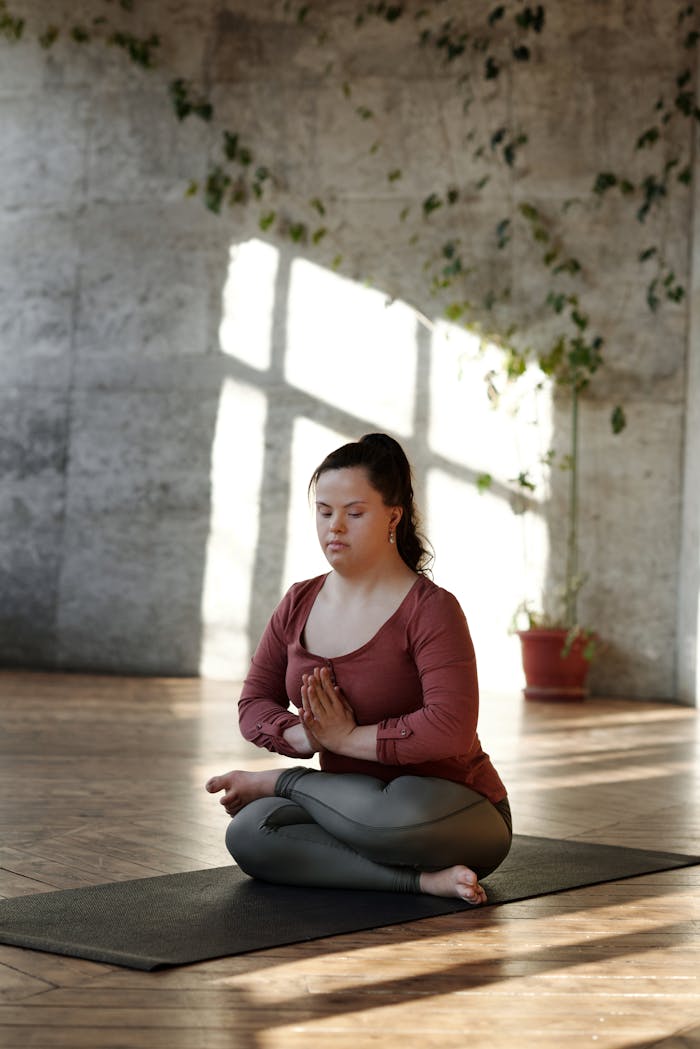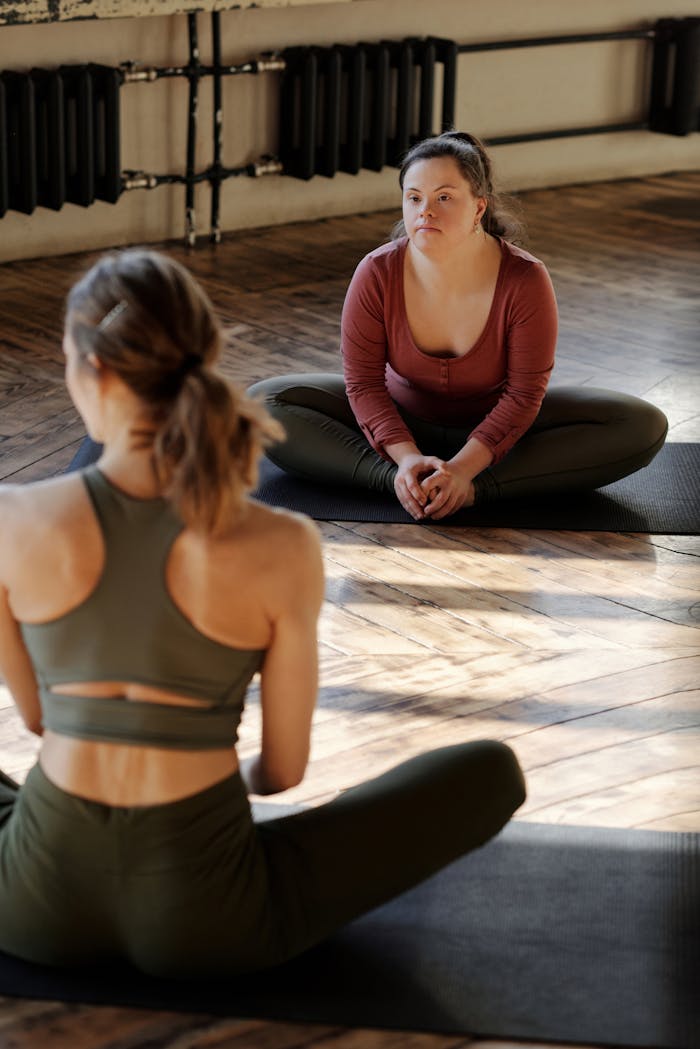
Weather yoga begins with a simple observation: your body, energy, and mood often respond differently to heat, cold, light, rain, and seasonal change. Rather than moving through the same routine all year, weather yoga invites you to listen and adapt. A bright summer morning may call for cooling breaths and gentle movement, while a chilly evening might welcome warmth, grounding, and slower stretches.
This approach is not a formal yoga style. You do not need special beliefs, advanced poses, or training in a particular school of yoga. Weather yoga can happen indoors beside a sunny window, outdoors beneath open skies, or anywhere you can pause and notice what the day is asking of you.
At its heart, the practice is about relationship. You might choose energizing movements during a dark, rainy morning, soften your practice during intense heat, or use a seasonal transition as an opportunity to reflect. Breathwork, mindful walking, restorative poses, and simple moments of stillness can all become part of your routine.
In this guide, you’ll discover practical ways to connect movement with each season and respond thoughtfully to changing conditions. We’ll explore accessible examples, important safety considerations, and ideas for shaping a personal practice that feels supportive rather than demanding. Whether you are new to yoga or have practiced for years, Joyous Yoga can be a welcoming companion as you find greater balance with the natural world.
Weather Yoga Explained: The Connection Between Environment and Practice
Weather yoga is an awareness-based approach to practicing with the natural world. Rather than following one fixed sequence every day, you notice the season and current conditions, then make supportive adjustments. The practice becomes a conversation between your body, your surroundings, and your intention.
This might mean moving slowly on a hot afternoon, taking longer pauses, and choosing cooling breaths that feel comfortable. A crisp autumn day may invite a steady standing practice, while winter can encourage grounding postures, warmth, and more inward attention. On a rainy day, you might practice near a window, shorten your session, or focus on gentle mobility instead of challenging shapes.
Weather yoga is not a rigid, named yoga system with required poses or rules. It is a flexible way to make thoughtful choices about pace, posture, breath, setting, duration, and focus. You might practice outdoors when the air feels welcoming, or stay inside when wind, cold, heat, or poor air quality calls for greater care.
This approach reflects several core yoga principles. Mindfulness asks you to notice what is happening now, including bodily signals and changes in energy. Self-study helps you recognize what supports you today, while non-attachment reminds you to release expectations about how your practice should look.
Balance also plays an important role. If the weather feels stimulating, a quieter sequence may help you settle. If a gray morning leaves you feeling sluggish, gentle rhythmic movement may offer a sense of energy and connection. These choices are invitations, not prescriptions, and your response may change from day to day.
Seasonal symbolism can add meaning for some practitioners. Spring might represent renewal, while autumn may inspire reflection or letting go. Still, these associations are personal and culturally shaped, not universal rules. Approach them with curiosity and respect, leaving room for your own experiences and traditions.
Listening to your body remains central. Weather can influence comfort, motivation, and attention, but it does not determine what you must do. A weather yoga practice may last five minutes or an hour, include movement or stillness, and change whenever your needs change.
How to Read the Seasons Before You Step Onto the Mat
Before choosing a weather yoga practice, pause for a simple three-part check-in. Notice the environment, notice your body, and choose an intention that bridges the two. This brief moment helps you respond to the day in front of you, rather than following a fixed seasonal rule.
-
Notice the environment. Check the temperature, humidity, sunlight, wind, and precipitation. Consider air quality, pollen, and how much daylight is available. These details can affect your energy, breathing, balance, and decision to practice indoors or outside.
-
Notice your body. Ask whether you feel cold, overheated, stiff, restless, tired, or comfortable. Notice your breathing, joints, muscles, and overall energy. Your health status, sleep, stress levels, and current needs matter as much as the forecast.
-
Choose an intention. Let your intention connect the weather with your wellbeing. You might seek warmth on a chilly morning, steadiness on a windy day, cooling on a humid afternoon, or restoration when limited daylight leaves you feeling low.
This check-in also helps separate actual weather from assumptions about how you should feel in a particular season. A bright spring day may still feel cold and exhausting. A summer morning may feel gentle, while a humid afternoon may make vigorous movement uncomfortable. There is no correct emotional or physical response to winter, spring, summer, or fall.
The same season can invite different practices for different people. Someone living in a dry mountain climate may need more grounding and hydration than someone in a warm, humid coastal city. A person managing asthma, joint pain, or heat sensitivity may adapt their practice more carefully. Your schedule, available daylight, and indoor environment matter, too. A cool room, strong air conditioning, or limited space can change what feels supportive.
Let the practice meet your real circumstances. If outdoor air quality is poor, close the window and choose gentle movement indoors. If wind makes balancing poses distracting, move closer to a wall or practice on the floor. When daylight is short, a few mindful stretches beside a lamp may offer more nourishment than waiting for the perfect hour.
Even a familiar sequence can shift with the weather. On a cold morning, try cat-cow slowly, adding several breaths to create warmth through the spine. Move into a low lunge with a blanket beneath the knee, then pause in child’s pose with your torso supported by pillows. The goal is comfort, steadiness, and gradual mobility.
On a humid afternoon, use fewer repetitions and move with less effort. Keep the low lunge spacious, breathe calmly, and take child’s pose with your knees wide and forehead supported. You might finish with stillness rather than adding heat.
This flexible approach keeps weather yoga personal. Instead of asking, “What pose belongs to this season?” ask, “What would help me meet this moment with care?”
Spring and Summer Weather Yoga: Awakening, Mobility, and Cooling
Spring invites a gradual return to movement. Notice the fresh air, longer morning light, and small signs of plant growth around you. Rather than rushing into intense practice, let your body awaken steadily after winter’s quieter pace.
Begin with several slow rounds of flowing sun salutations. Move gently between mountain pose, forward fold, low lunge, and a comfortable plank variation. Add standing poses such as warrior II and triangle pose, then include gentle twists and hip circles to restore mobility without creating strain.
Your breath can match this sense of renewal. Try inhaling as you reach upward and exhaling as you fold or twist. If spring rain keeps you indoors, listen to its steady rhythm during a short meditation. Sit comfortably, notice the changing sounds around you, and allow your attention to settle without forcing a particular mood.
A spring practice might include:
- Hip circles, low lunges, and supported twists
- A few slow sun salutations followed by standing balance
- Mindful walking near budding trees or fresh grass
- Five minutes of quiet breathing beside an open window
Summer asks for more flexibility in how you approach movement. During cooler mornings or evenings, you may enjoy an energizing flow with standing poses, gentle backbends, and mobility work. When heat, humidity, or fatigue builds, choose cooling and restorative options instead.
Supported forward folds can calm an overheated or busy mind. Try a wide-legged seated fold with your chest supported by cushions, or rest in child’s pose with your forehead supported. Legs-up-the-wall is another accessible choice after a warm day, especially when your legs feel tired. Keep your breathing smooth, with longer exhalations that encourage softening without effort.
Outdoor practice can make weather yoga feel especially vivid. You might move beneath a shady tree, pause to feel a light breeze, or meditate while distant birds and rainfall shape the background. Choose a stable, level surface, drink water, and use sun protection. Avoid intense practice during extreme heat, and move indoors if you feel dizzy, nauseated, unusually weak, or unable to cool down.
Sweat can also affect comfort and stability. If you practice outdoors or in a warm room, choosing a yoga mat for grip and sweat control may help you feel more secure. Still, equipment cannot replace pacing and careful attention.
Let the season guide your choices without dictating them. A bright summer morning may welcome movement, while a humid afternoon may call for stillness. Both responses can be mindful, nourishing expressions of weather yoga.
Autumn and Winter Weather Yoga: Grounding, Warmth, and Rest
Autumn invites us to notice transition. Light fades earlier, temperatures shift, and familiar routines may begin to change. Your weather yoga practice can reflect this movement with steady standing sequences, mindful twists, and breathwork that helps you feel centered.
Try moving through mountain pose, chair pose, and warrior II at an unhurried pace. Add gentle twists between standing postures, keeping your feet grounded and your breath smooth. These shapes build stability while acknowledging autumn’s changing energy without requiring you to match any particular seasonal mood.
Steady breathing can support this sense of balance. Inhale slowly through your nose, then lengthen the exhale without forcing it. You might pause afterward for a few moments of reflection, noticing how your body responds to cooler air, softer light, or a busier schedule.
Grounding does not need to mean heavy or inactive. It can offer calm, steadiness, and a clear foundation for strength. Explore these grounding yoga poses for stability and calm when you want to feel more connected to your body and surroundings.
Winter often encourages indoor practice, but it does not call for inactivity. Begin by warming gradually with ankle, wrist, shoulder, and hip circles. Continue with gentle flows, such as supported sun salutations or slow transitions between tabletop, downward-facing dog, and low lunge.
Once your joints feel ready, add low-impact strength. Chair pose, bridge pose, wall push-ups, and carefully held lunges can build warmth and vitality. Save longer holds for later in your practice, after your muscles and connective tissues have had time to prepare.
Restorative poses can be equally nourishing. Supported child’s pose, reclined bound angle, and constructive rest allow your nervous system to settle without treating rest as withdrawal. Yoga nidra or a short meditation can also create spaciousness during darker days.
Your environment can make indoor practice more inviting. Wear layers that are easy to remove, keep a blanket nearby, and warm the room before beginning if possible. Soft lighting may support relaxation, while a consistent practice space can make movement feel familiar and accessible.
Let comfort guide your choices. If you feel chilled, add warmth before attempting deeper stretches or stillness. If you feel tired, choose gentle movement and support rather than pushing for intensity.
Seasonal imagery is an invitation, not a prescription. Autumn may inspire reflection, and winter may suggest rest, but your body might need energizing movement on a cold day. Weather yoga remains personal when stability, warmth, and vitality respond to your real needs.
Build a Weather-Responsive Yoga Practice at Home or Outdoors
A simple structure can help you practice consistently while leaving room for your body’s changing needs. Begin by noticing the weather, your energy, and your surroundings. Then let those observations guide the pace, temperature, and focus of your practice.
Use this flexible template:
- Arrive and observe: Take one or two minutes to notice light, temperature, wind, humidity, and your emotional state.
- Warm up: Move gently with shoulder rolls, cat-cow, easy twists, or slow walking.
- Choose seasonal movement: In cool weather, try steady sun salutations or standing poses. On hot or humid days, favor grounded shapes, forward folds, and restorative poses.
- Breathe or meditate: Practice calm breathing, a brief body scan, or quiet observation.
- Close with reflection: Rest for a moment and notice what feels different, supported, or complete.
You can shape this routine to fit nearly any schedule. For a 10-minute practice, spend two minutes arriving, five minutes warming and moving, and three minutes breathing or resting. A 20-minute version might include three minutes of observation, ten minutes of movement, four minutes of breathwork, and three minutes of reflection.
When you have 40 minutes, give each stage more space. Explore slower transitions, add supportive poses, or pause outdoors to listen to the surrounding sounds. On low-energy days, a few mindful stretches and steady breaths still count as a meaningful practice.
Prepare for comfort before you begin. Outdoors, choose a stable, dry surface and keep water nearby. Layers, a towel, and a blanket can help you respond to wind or shifting temperatures. At home, open a window when appropriate, but close it if cold air, heat, or poor air quality distracts you.
Comfortable, breathable clothing supports safe movement across changing indoor and outdoor temperatures. If you need guidance choosing layers and coverage, explore comfortable yoga apparel for easy movement. Blocks, cushions, and blankets can also make poses more accessible, especially when joints feel stiff in colder weather.
A small seasonal journal can deepen your awareness without turning practice into performance monitoring. Record the weather, your energy, mood, movement choices, and what felt supportive. Over time, you may notice helpful patterns, such as needing more stillness on humid days or brighter movement during dark winter mornings.
Weather can change without warning, so remain willing to adjust. Move indoors when surfaces become slippery, shorten your practice when heat builds, or replace vigorous movement with breathing and rest. Returning to your body is always a valid response.
Safety, Accessibility, and Mindful Adaptation in Any Weather
Mindful adaptation begins with noticing environmental risks before you begin. Heat can lead to dehydration, dizziness, and heat illness, especially during vigorous movement or direct sun. Drink water, seek shade, practice during cooler hours, and stop if you feel faint, confused, unusually weak, or nauseated.
Cold weather requires equal care. Dress in layers, protect your hands and feet, and allow your body time to warm gradually. Avoid forcing stretches when muscles feel numb or tight. Move indoors if cold exposure becomes uncomfortable, and never treat shivering as something to push through.
Check your practice space carefully. Wet grass, ice, loose gravel, sand, and uneven ground can affect balance and increase the risk of injury. Strong winds may make standing poses unstable, while rain, storms, lightning, and limited visibility call for moving indoors or skipping practice altogether.
Air quality also matters. Smoke, heavy pollution, and high pollen levels may irritate the lungs, even when the sky looks clear. Check local air-quality information before practicing outside, and choose gentle indoor movement when breathing feels strained or the air is unsafe.
Your breath should remain comfortable in every season. Avoid breath retention or forceful breathing practices when you feel overheated, chilled, short of breath, or otherwise uneasy. Return to natural breathing, pause often, and let your breath guide a calmer pace.
Weather yoga can be adapted for nearly every body and energy level. Beginners, older adults, pregnant people, and those managing medical conditions may need individualized guidance from a qualified yoga teacher or healthcare professional. Supportive props, a wall, or a chair can make movement more stable and accessible.
When full movement is not appropriate, consider options such as:
- Seated mobility, chair yoga, gentle stretching, meditation, or simple breath awareness
These practices can nourish your connection with the season without demanding physical intensity. A few mindful shoulder rolls indoors may be more supportive than an outdoor flow on a slippery morning.
Rest is also a valid response to weather and bodily feedback. Choosing to pause, reschedule, or do nothing is not a failure to maintain consistency. Honoring the seasons includes honoring your limits, trusting what you notice, and returning to practice when conditions feel safe and supportive.
Frequently Asked Questions About Weather Yoga
Is weather yoga a specific style or certification?
No. Weather yoga is a flexible approach to adapting yoga and mindfulness to seasonal and environmental conditions. It is not one standardized lineage, method, or certification. You can explore the idea through movement, breathing, meditation, and mindful observation in ways that suit your body and surroundings.
Do I need to practice outdoors?
Not at all. Indoor practice is equally valid and may be safer during extreme heat or cold, storms, poor air quality, or slippery conditions. Opening a window, noticing the light, or choosing music that reflects the season can bring nature’s rhythm indoors.
What poses work best for each season?
There is no universal list of poses for every season. You might choose warming flows and energizing movements in colder weather, grounding standing poses during unsettled transitions, or cooling restorative work on hot days. Gentle mobility can support your body whenever the weather changes.
The most useful question is, “What supports me today?” A quiet practice may be more nourishing than a vigorous one, regardless of the season.
Can beginners practice weather yoga?
Yes. Beginners can start with simple stretches, body awareness, and short sessions. Move slowly, breathe comfortably, and learn to distinguish healthy effort from strain. If you are new to yoga, a beginner’s guide to yoga classes, benefits, and approach can offer helpful context.
How often should I change my routine?
Let actual conditions and personal feedback guide you. You do not need to change your routine automatically at every seasonal milestone. Notice your energy, comfort, temperature, and focus, then adjust when your needs shift.
Weather yoga is accessible because it meets you where you are. Some days may call for movement, while others invite breathing, rest, or a brief mindful pause.
Let the Weather Guide Your Awareness, Not Limit Your Practice
Weather yoga invites you to observe conditions, listen to your body, and choose movement that supports balance now. Practice may be vigorous, restorative, brief, indoors, outdoors, or simply a few mindful breaths.
Look outside, notice today’s weather, and design one gentle practice around what you genuinely need.