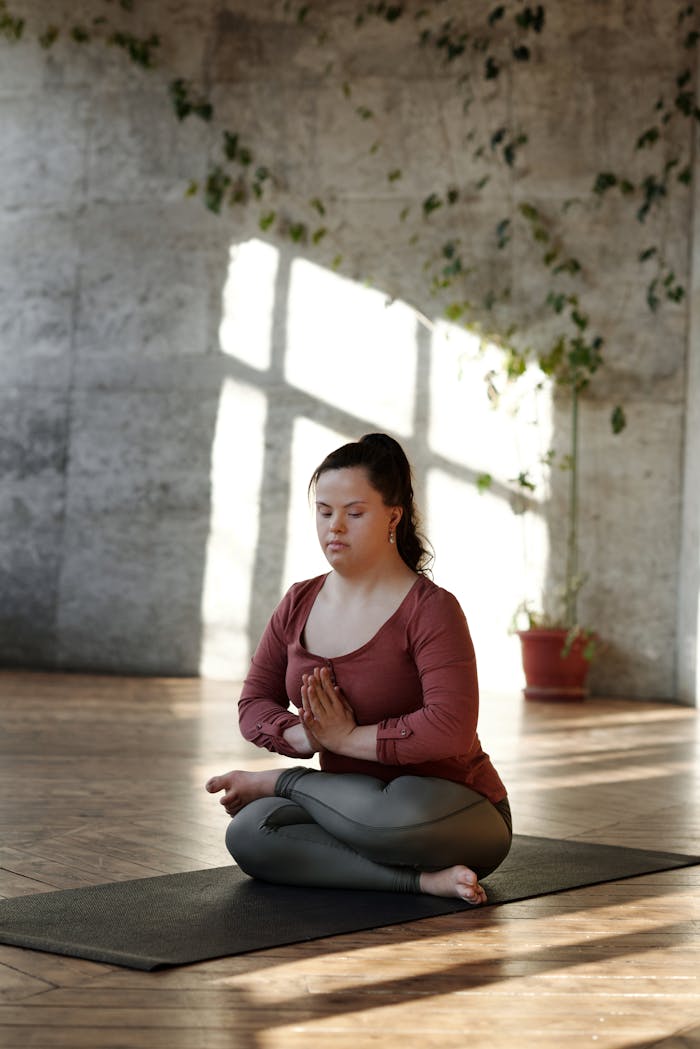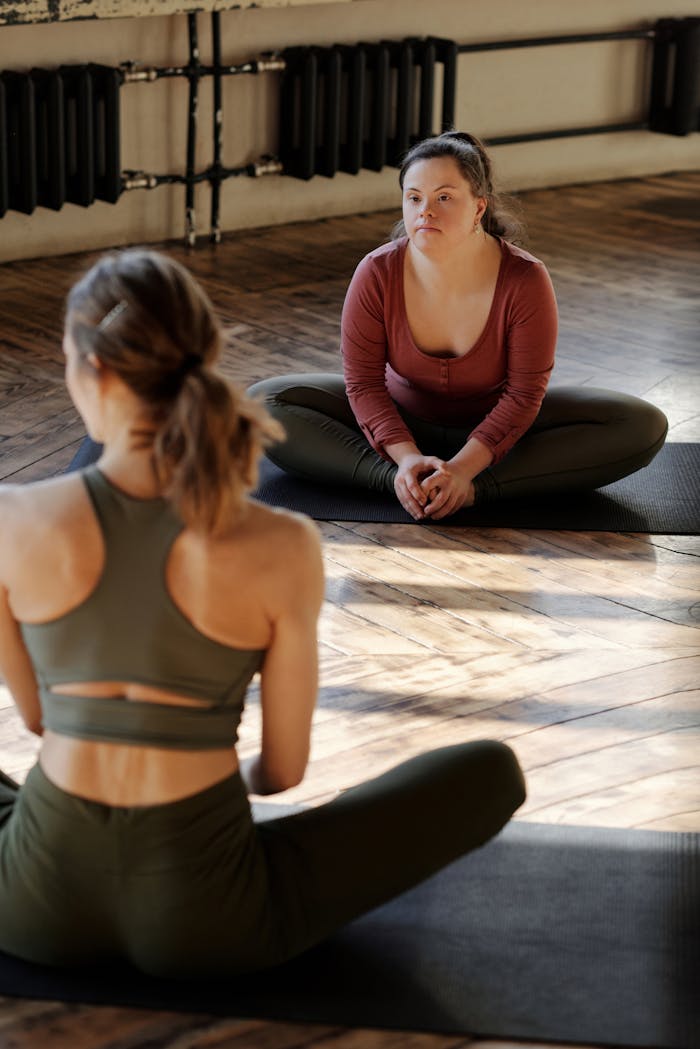
Money yoga begins with a simple truth: financial stress often lives in the body. It may appear as tight shoulders, restless urgency, avoidance, or shame when you open a bank statement. A mindful, mind-body approach can help you meet these reactions with greater awareness and care.
Money yoga is not a formal yoga style or a promise of quick wealth. Instead, it combines mindfulness, self-inquiry, emotional awareness, and intentional financial habits. Inspired by yoga principles like awareness, nonattachment, balance, and compassionate observation, it invites you to notice how money affects your thoughts, choices, and sense of safety.
For example, you might pause before an impulse purchase and ask what you truly need. You might observe fear around budgeting without judging yourself, then choose one small action that supports your wellbeing. Over time, these pauses can create more room for thoughtful decisions and reduce automatic patterns.
This practice is about building a healthier relationship with finances, not achieving perfection. Together, we’ll explore ways to understand your emotional responses, develop steadier habits, and bring more calm to everyday money choices. You can explore this journey alongside the welcoming resources at Joyous Yoga, while remembering that money yoga does not replace professional financial advice. If you’re facing complex debt, investments, or legal concerns, consider speaking with a qualified professional.
The Connection Between Yoga, Mindfulness, and Money Habits
Money choices rarely come from logic alone. They are shaped by emotions, nervous-system responses, personal history, and beliefs we may have carried for years. A bank balance can feel like more than a number when it touches memories of uncertainty, family conflict, or hopes for a more secure future.
When your nervous system senses threat, it may move into scarcity panic. You might check your account repeatedly, make rushed decisions, or feel unable to spend anything. Another person may spend for emotional relief, using purchases to create comfort, excitement, or a temporary sense of control.
Avoidance is another common response. You may postpone opening statements, ignore bills, or feel overwhelmed by ordinary financial tasks. At the other end of the spectrum, overcontrol can make every purchase feel dangerous, even when it supports your needs or values. These patterns are not personal failures. They are often learned ways of seeking safety.
Mindfulness offers a gentle way to notice what happens before a money habit takes over. Instead of judging yourself for wanting to spend or avoid, you can observe the thought, emotion, and physical response in the moment. This creates a small pause between a financial trigger and your reaction.
That pause might begin with one slow breath before opening your banking app. Notice whether your shoulders are tense, your breathing is shallow, or your stomach feels tight. You do not need to force these sensations away. Simply naming them—“I feel anxious,” or “I want relief”—can help you respond with greater awareness.
Yoga provides useful language for this process. Breath can help you return to the present, while balance reminds you that financial wellbeing includes both responsibility and enjoyment. A steady practice of nonjudgmental observation can also reveal the beliefs beneath your habits, such as “There will never be enough” or “Spending means I am irresponsible.”
Money yoga uses these mind-body principles as practical tools, not guaranteed financial solutions. A mindful pause will not erase debt or resolve every financial question, but it may help you meet those questions with more steadiness. From that grounded place, you can make choices that reflect your needs, values, and long-term wellbeing.
Start With Awareness: A Mindful Money Check-In
A mindful money practice begins with noticing what is true right now. Before opening your banking app or making a purchase, create a small pause between the financial situation and your response.
This check-in can take three to five minutes. Repeat it weekly, before a major decision, or whenever money feels emotionally charged. The goal is not to judge your choices. It is to meet your financial reality with curiosity and care.
-
Settle your breath. Sit comfortably and place both feet on the floor. Take three slow breaths, allowing your exhale to lengthen. Notice the support beneath you and remind yourself, “I can look at this one step at a time.”
-
Name the situation. Use simple, factual language. You might say, “My credit card bill is due Friday,” or, “I spent more than planned this month.” Look at the relevant balance, bill, subscription, or spending record without changing anything yet.
-
Notice your body. As you take in the information, scan for physical sensations. Perhaps your chest feels tight, your jaw clenches, or your stomach softens. You do not need to make the sensation disappear. Simply notice where your body is holding the experience.
-
Identify the emotion. Name what is present as gently as possible. You may feel anxious, ashamed, frustrated, relieved, or uncertain. Several emotions can exist together, and none of them make you irresponsible or incapable.
-
Choose one factual next step. Keep it small and specific. You might schedule the payment, cancel an unused subscription, review one week of spending, or write down a question for a financial professional.
This process reflects the heart of money yoga: bringing mindful attention to an everyday decision. Looking at your records with curiosity can reveal useful patterns, such as frequent convenience purchases or bills that arrive together. Self-criticism rarely offers the same clarity.
Awareness is different from rumination. Awareness gathers information, acknowledges feelings, and supports a grounded choice. Rumination repeats fearful thoughts without creating movement, such as continually asking, “How did I let this happen?” without checking the actual numbers.
If you notice yourself spiraling, return to your breath and name one observable fact. Then choose the smallest helpful action available. You can return to the larger picture later, when you have more information and steadiness.
Over time, these brief check-ins can make financial decisions feel less mysterious and more manageable. They help you build trust with yourself through consistent, honest attention.
Breathwork and Grounding Techniques for Financial Stress
Money conversations can activate strong emotions. A bill, debt statement, or unexpected expense may bring fear, shame, or urgency. Before responding, money yoga invites you to notice what is happening in your body. This small moment of awareness can create space between the trigger and your next choice.
Try lengthened-exhalation breathing when you feel tense. Inhale gently through your nose for a count of four. Then exhale slowly for a count of six. Repeat for five rounds, without forcing the breath. A longer exhalation may support emotional regulation and help your nervous system shift toward greater ease.
You can also ground yourself through physical sensation. Place both feet on the floor and notice the support beneath them. Feel your heels, the balls of your feet, and your toes. Let your shoulders soften while you remind yourself, “I am here, and I can take this one step at a time.”
If your thoughts feel scattered, name five sensory details around you. You might notice the blue of a mug, the hum of a refrigerator, the texture of your clothing, the scent of soap, and the feeling of your feet against the floor. This practice gently brings attention away from imagined outcomes and back to the present moment.
Shopping can offer another opportunity to practice. Before opening a shopping app, pause for three breaths. Ask yourself what you are feeling, what you need, and whether this purchase supports your current priorities. You do not need to judge the desire. Simply create enough space to choose rather than react.
These techniques can also support practical financial tasks. Before reviewing debt, reading loan terms, or discussing money with a partner, take a brief grounding pause. A calmer state may make it easier to read carefully, ask questions, notice important details, or delay an impulse purchase.
You might create a simple routine:
- Place your feet on the floor.
- Take five slow breaths, extending each exhalation.
- Name five things you can sense.
- Choose one next action, such as opening a statement or sending a question.
Breathing and grounding cannot remove financial hardship. They do not replace budgeting support, debt counseling, emergency assistance, or qualified financial advice. If money stress feels overwhelming, consider reaching out to a trusted person or professional. Regulation is not a demand to handle everything alone. It is a supportive tool that can help you approach available assistance with greater steadiness.
Yoga-Inspired Principles for Reframing Money Beliefs
Money yoga invites you to look beneath financial habits and notice the beliefs guiding them. Many of these beliefs began in childhood, family conversations, cultural messages, or difficult experiences. With curiosity rather than judgment, you can ask: Where did this belief come from, and does it still serve my life today?
Self-study might reveal thoughts such as, “Successful people always earn more,” or, “Having debt means I have failed.” These statements can feel deeply personal, but they are not permanent truths. Try replacing them with compassionate alternatives: “My worth is larger than my income,” or, “I can learn from my debt and take one helpful step at a time.”
Nonattachment offers another supportive lens. In financial life, this means separating your identity and self-worth from your income, possessions, debt balance, or investment performance. Your numbers may change across seasons, but they cannot fully measure your creativity, kindness, effort, or capacity to grow.
Nonattachment does not mean ignoring responsibilities or pretending money has no impact. Instead, it creates space between what is happening and the story you tell about yourself. You can review an account balance honestly without deciding that the balance defines your future.
Balance and contentment can also clarify the difference between healthy ambition and comparison-driven consumption. Ambition may inspire you to pursue meaningful work, build savings, or create greater security. Comparison, however, can encourage spending simply to keep pace with other people’s lifestyles.
Contentment is not a demand to settle, avoid comfort, or romanticize deprivation. It is the ability to appreciate what supports you now while making thoughtful plans for what you need next. A useful question is, “Would this choice add genuine value to my life, or am I trying to prove something?”
Yoga also teaches the importance of foundations, adjustment, and sustainability. In a posture, you might notice your breath, organize your base, and make small changes before reaching further. Iyengar yoga’s focus on alignment and mindful structure offers a helpful model for approaching financial choices with similar care.
Before making a major purchase, for example, check your foundation: essential expenses, upcoming obligations, and available support. Adjust when circumstances change, and choose a pace you can sustain. This approach replaces all-or-nothing thinking with steady attention, helping your financial decisions reflect both present needs and long-term wellbeing.
Mindful Spending: Creating Space Between Desire and Action
Mindful spending brings the principles of money yoga into everyday choices. Instead of reacting immediately to a sale, mood, or social pressure, you create a small space between desire and action. That pause helps you choose with greater awareness while still enjoying the things that matter to you.
Before purchasing, take one slow breath and ask:
- Does this meet a genuine need or support an important value?
- Does it fit within my current spending plan?
- Am I buying it because I feel stressed, bored, pressured, or left out?
- Would this still feel right after a day, a week, or another waiting period?
These questions are not meant to create guilt or prevent every nonessential purchase. Mindful consumption is intentional, not restrictive. Your plan can include pleasure, generosity, convenience, and occasional splurges. The goal is to decide consciously, rather than letting emotion or habit decide for you.
Yoga purchases offer a familiar example. New clothing, props, and equipment can support your practice, but novelty does not always improve it. Before buying, consider the item’s function, durability, actual use, and place in your budget.
For instance, choosing yoga clothes for comfort and practical use may help you focus on fit, coverage, movement, and fabric instead of trends alone. If you are considering a new mat, reading an Alo Yoga mat review can help you compare features with your needs before spending.
You might also ask how often you will use the item, whether something you already own serves the same purpose, and how long the new purchase is likely to last. A lower price is not always better if the item wears out quickly. A premium product may also be unnecessary if a simpler option meets your needs.
This approach supports more sustainable habits. Buying fewer, more suitable items can reduce clutter, waste, and the pressure to keep chasing the newest or most perfect choice. It also makes room for appreciation: using what you have, caring for it well, and noticing when it genuinely supports your wellbeing.
With practice, mindful spending becomes less about saying no and more about saying yes with clarity. Each considered choice strengthens trust in your ability to care for both your present enjoyment and your future needs.
Building a Sustainable Money Yoga Routine
A sustainable money yoga routine should feel supportive, not like another task to perfect. Choose one consistent time each week, such as Sunday morning or Wednesday evening, and set aside 15 to 25 minutes. Consistency matters more than intensity; a brief practice you repeat is more helpful than an ambitious routine you avoid.
Begin with a grounding breath. Sit comfortably, soften your shoulders, and take five slow breaths. Notice your feet, the surface beneath you, and any feelings present. You do not need to change those feelings before looking at your finances.
Then move through this simple weekly practice:
Check in with your finances. Review your account balances, upcoming bills, recent spending, or one financial question. Look for information without criticism.
Complete one practical task. Pay a bill, update your spending plan, cancel an unused subscription, transfer a small amount to savings, or write down a question for a professional.
Add gentle movement. Try a few standing stretches, a short yoga flow, or a mindful walk. Let movement create space between noticing a concern and responding to it.
Close with reflection. Write down what you handled well. You might celebrate checking an account, asking for help, or pausing before an unplanned purchase.
Adapt the routine to your needs and energy. You might journal alone, have a calm money conversation with a partner, attend a class, or practice quietly at home. If discussing finances with someone else, agree on a short time limit and focus on shared priorities rather than blame.
Your goal is not to create perfect habits or solve every financial concern in one sitting. Instead, notice useful outcomes over time: fewer avoidance behaviors, clearer priorities, and more intentional decisions. A simple note in your journal can help you track these changes without turning self-awareness into another performance.
Connection can make the practice easier to sustain. A supportive yoga community or local yoga classes, retreats, and wellness events can offer accountability, encouragement, and a sense that you are not practicing alone.
For serious debt, persistent anxiety, relationship conflict, or financial decisions beyond your experience, additional support may be appropriate. Consider speaking with a financial counselor, therapist, or nonprofit adviser. Asking for help is not a failure of mindfulness; it is one way to care for your wellbeing with honesty and compassion.
Frequently Asked Questions About Money Yoga
What is money yoga?
Money yoga is a mindful framework for relating to financial choices, emotions, and habits. It combines awareness, breathing, reflection, and intentional action to help you notice how money affects your body and mind.
Despite its name, money yoga is not a standardized yoga discipline. It does not require a particular sequence, belief system, or physical practice. Instead, it offers a compassionate way to pause, understand your patterns, and make choices aligned with your values.
Can money yoga help with debt or financial anxiety?
Money yoga may help you recognize stress responses, slow reactive decisions, and approach financial concerns with greater steadiness. For example, a few mindful breaths may help you review a bill without immediately avoiding it or panicking.
Mindfulness alone cannot erase debt or resolve every financial challenge. You may also need a budget, debt repayment plan, legal guidance, emergency assistance, or professional counseling. If money stress feels overwhelming, reaching out for support is a wise and caring step.
Do I need yoga experience to practice money yoga?
No physical yoga experience is required. You can practice money yoga while seated at a desk, standing during a pause, breathing quietly, or writing in a journal.
Try noticing your breath before opening a banking app. You might also write down what you feel, what you know, and what information you still need. These simple practices can make financial decisions feel more approachable.
How often should I practice?
There is no perfect schedule. Brief, repeatable check-ins may be more helpful than an inflexible routine you cannot maintain.
Consider practicing once a week or before an important financial decision. A two-minute pause can help you check your emotions, review your priorities, and choose one practical next step. Over time, consistency can build trust with yourself.
Is money yoga about manifesting wealth?
Money yoga is not a promise that thoughts or rituals will guarantee wealth. It focuses on mindfulness and intentional action, rather than guaranteed manifestation claims.
A grounded practice includes realistic planning, honest awareness, and choices suited to your circumstances. You can hold hopeful goals while also reviewing expenses, preparing for obligations, and seeking qualified advice when needed.
Making Peace With Money One Mindful Choice at a Time
Money yoga is not a quick financial fix. It is an ongoing practice of awareness, compassion, and practical action. Over time, you can learn to regulate your body, observe your patterns, clarify your values, and take one intentional financial step.
That step might mean reviewing an account, pausing before a purchase, setting a boundary, or asking for support. A healthier relationship with money can hold many things at once: thoughtful planning, clear limits, meaningful pleasure, and acceptance that progress will not always be perfect.
You do not need to make every decision wisely or feel calm all the time. The practice is returning with honesty and care. When circumstances change, you can adjust your plan without treating that adjustment as failure.
Mindful money choices also become easier when they reflect what matters most to you. Perhaps you value security, generosity, creativity, family, freedom, or rest. Naming those values can help you decide where your resources belong and recognize when a choice genuinely supports your wellbeing.
Let this be a gentle invitation, not another standard to meet. Begin today by taking three calm breaths before reviewing one account or making one purchase decision. Notice what you feel, consider what you need, and choose the next helpful action available.