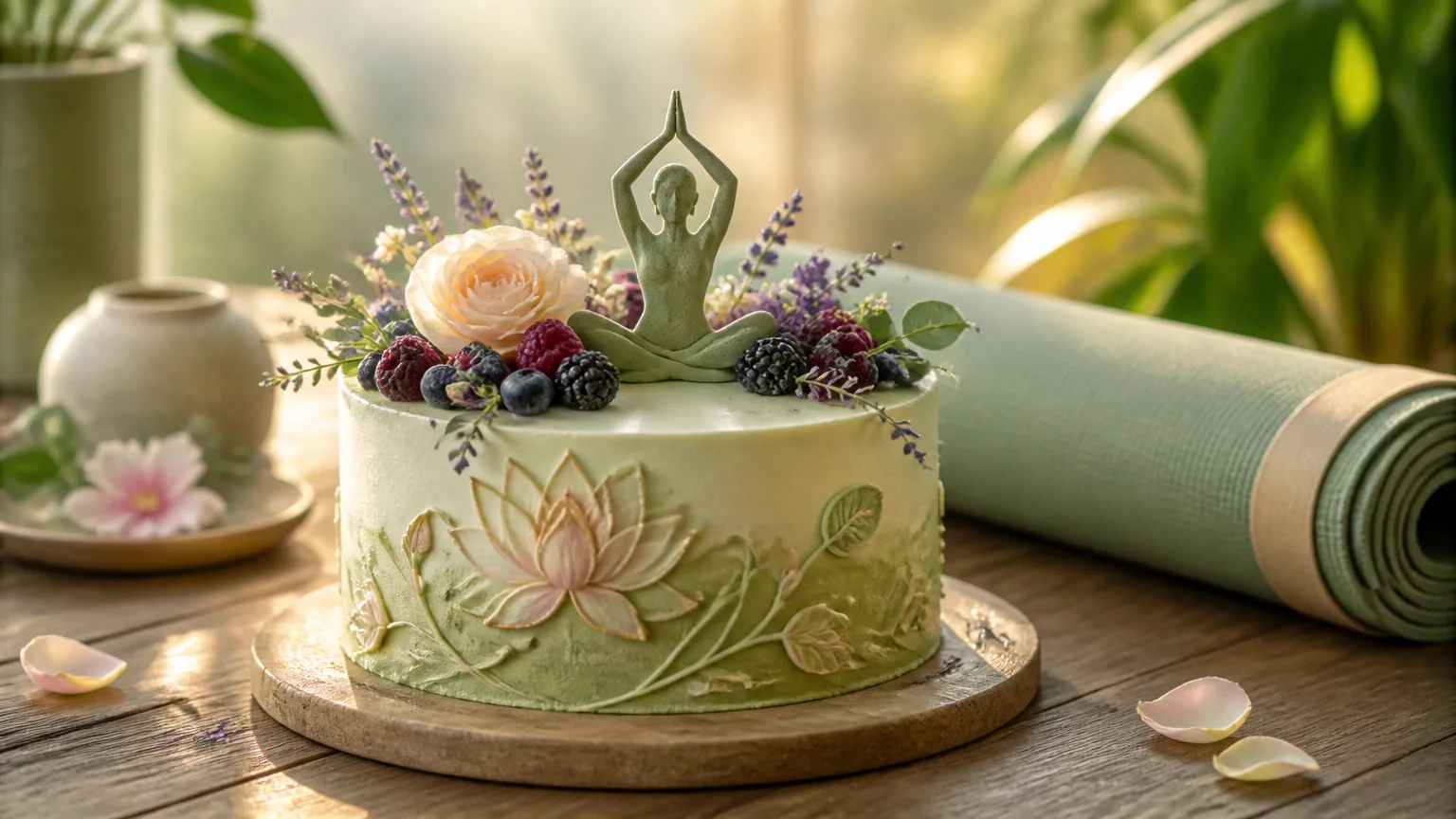
A yoga cake can be more than a beautiful dessert. It can become a thoughtful centerpiece for a birthday, studio gathering, retreat, teacher appreciation event, or personal wellness milestone. With intentional choices, your cake can express calm, gratitude, balance, nature, or community through its flavors, colors, and decorations.
This project is not about creating a perfect pastry. It is about celebrating connection and presence, much like the practice of yoga itself. Whether you bake for a small circle of friends or a lively community event, the process can be creative, joyful, and grounded in mindfulness.
You might choose soothing lavender and vanilla, bright citrus flavors, earthy spices, or fresh fruit inspired by the seasons. Simple decorations can suggest lotus flowers, sun salutations, mandalas, leaves, yoga poses, or a welcoming shared table. Even a modest homemade cake can carry deep meaning when it reflects the people and intentions behind the celebration.
Throughout this guide, you will find practical baking guidance, mindful design ideas, and approachable decorating tips. You can adapt each suggestion to your dietary needs, baking experience, event size, and preferred yoga tradition. Gluten-free, vegan, low-sugar, and no-bake options can all fit beautifully into the vision.
Most importantly, let your cake reflect your own path. There is no single way to practice yoga, gather in community, or create a meaningful celebration. As you explore these ideas, allow the spirit of Joyous Yoga to guide you toward an experience that feels accessible, generous, and genuinely joyful.
Start With the Meaning: Choosing a Theme for Your Yoga Cake
Before choosing a recipe or filling your cart with decorations, pause and consider what you want your yoga cake to express. A clear theme gives your design direction. It also helps you create something personal without adding every possible symbol, color, or topping.
Begin with the occasion and the feeling you hope to nurture. A cake for a new beginning might use grounding earth tones, simple layers, and nourishing flavors such as carrot, spice, or vanilla. A bright celebration for a group class could invite sunny yellow, coral, or turquoise, paired with playful shapes and fresh fruit.
Your theme can come from many parts of yoga and mindful living. You might choose the colors of the chakras, the quiet beauty of sunrise meditation, or the unfolding shape of a lotus flower. Mandalas, the elements, a favorite yoga pose, or a peaceful studio space can also inspire your design.
Let the theme guide practical choices. For a lotus-inspired cake, consider rounded layers, petal-shaped decorations, and soft pink or cream frosting. A sunrise meditation theme might pair warm orange and gold tones with a gentle gradient. For an earth-inspired cake, textured frosting, herbs, berries, and natural greens can suggest steadiness and connection.
You can also translate an abstract quality into a sensory experience. If your gathering centers on balance, choose a symmetrical cake design with two complementary flavors. A celebration of compassion might feature a heart shape, welcoming colors, and a soft texture that feels comforting. Renewal could inspire light layers, fresh citrus, edible flowers, or decorations that suggest new growth.
Texture can carry meaning, too. Smooth frosting may reflect calm and spaciousness, while gently rippled buttercream can evoke water or mindful movement. Crunchy nuts, toasted coconut, or seeds can add an earthy contrast. Keep the combination intentional, so each element supports the story rather than competing for attention.
As you develop your idea, write down three words for the occasion. For example, “grounded, hopeful, and warm” might lead to a simple round cake with cinnamon sponge and earthy decoration. “Joyful, connected, and energetic” could inspire colorful cupcakes arranged like a mandala for sharing.
Remember that your theme does not need to be elaborate. One meaningful symbol, a thoughtful palette, or a favorite flavor may say more than a crowded design. When the choices feel connected to your practice and your community, your yoga cake becomes more than a dessert. It becomes a mindful expression of the moment you are celebrating.
Choose the Right Cake Base, Filling, and Wellness-Friendly Ingredients
A beautiful yoga cake begins with a dependable recipe. Choose a base that can support your design, hold its shape when layered, and still taste inviting to everyone at the celebration. The most “wellness-friendly” cake is often the one that balances enjoyment, accessibility, and thoughtful preparation.
Vanilla is a versatile choice for nearly any decoration. Its gentle flavor pairs well with berries, edible flowers, citrus zest, herbs, and botanical-inspired colors. Lemon brings brightness to fruit-forward designs, while carrot and spice cakes create a warm foundation for autumn gatherings or earthy, nature-inspired themes.
Chocolate offers a rich contrast to fresh fruit, coconut, mint, or simple white frosting. Coconut cake works beautifully with tropical fruit and floral decorations, while spice cake pairs naturally with apples, pears, citrus, and cream cheese-style frosting. If your cake will feature delicate botanical flavors, keep the base simple so the decorations remain the focus.
Think about texture before choosing your recipe. A moist but sturdy crumb is ideal for stacking and shaping, while very light cakes may need extra chilling or support. Plan portions based on your guest list, too. A single-layer cake can suit an intimate class, while a sheet cake or two-layer design makes serving easier for a larger community.
Adaptations can make your yoga cake more welcoming without making it restrictive. Vegan recipes may use plant-based milk, oil, or egg replacements. Gluten-free cakes often rely on a measured flour blend, and dairy-free versions can use non-dairy milk and plant-based butter. Lower-sugar recipes may reduce sweetness or use naturally flavorful ingredients such as fruit, spices, and citrus.
Nut-free baking requires special attention. Check every ingredient label, including plant-based milks, flour blends, chocolate, sprinkles, and prepared frostings. If allergies are important to your gathering, prevent cross-contact by using clean tools and surfaces, and consider preparing the cake in a trusted nut-free kitchen.
For a cake that stacks and decorates well, select fillings and frostings with enough stability. Consider these options:
- Plant-based buttercream offers structure and works well for piping.
- Cream cheese-style frosting adds tang and pairs with carrot, lemon, or spice cake.
- Ganache creates a smooth finish and complements chocolate or coconut bases.
- Fruit compote brings color and freshness, but use a thick layer to prevent sliding.
- Whipped coconut cream feels light and festive, though it may require refrigeration.
You can also let the celebration reflect your group’s wellness interests through gentle, honest choices. For example, a gathering inspired by yoga for digestion might feature lemon, ginger, or fruit flavors. These ingredients can add brightness, but they do not turn dessert into a treatment.
Be careful with health language. Whole grains, fruit, coconut, or reduced sugar may fit your preferences, yet they do not automatically make a cake “detoxifying,” medicinal, or universally healthy. Label ingredients clearly, share common allergens, and remember that a mindful celebration does not require eliminating foods people enjoy. A welcoming yoga cake makes room for nourishment, pleasure, and community.
Plan the Shape and Build a Stable Yoga-Inspired Cake
Choose the cake format before you choose the decorations. The right structure keeps your yoga cake manageable and helps the finished design feel calm, balanced, and intentional.
A round layer cake works beautifully for mandalas, rising suns, and circular chakra-inspired patterns. Its centered shape naturally supports symmetry. For a larger gathering, choose a sheet cake. You will have more room for a shared message, flowing vines, or several small yoga figures without stacking multiple layers.
Cupcakes make serving simple and welcoming. Arrange them in a lotus, sunburst, or seated meditation shape, then let guests take one when ready. Small individual cakes also suit intimate celebrations. Each guest can receive a personal canvas with a different mantra, flower, or color accent.
Choose a sculpted cake when the shape itself carries the story. A recognizable seated pose, a simple lotus silhouette, or a curved shape inspired by a yoga stretch can become a memorable centerpiece. Keep the outline uncomplicated, especially if this is your first sculpted design. A clear silhouette often feels more polished than many small details.
Build stability in stages:
- Bake the layers evenly, then let them cool completely before trimming or filling. Level domed tops with a long serrated knife so each layer sits flat.
- Pipe a filling dam around the edge when using soft buttercream, fruit curd, mousse, or another filling that may spread. Add the filling inside the dam, then chill the layer until firm.
- Stack carefully, applying a thin crumb coat to hold loose crumbs in place. Chill the cake again before adding the final coat and decorations.
- Support taller cakes with sturdy cake boards, internal dowels, or other food-safe supports designed for cake construction. Keep sculpted pieces lightweight whenever possible.
Before decorating, make a quick paper sketch. Mark the focal point, such as a lotus, sun, or meditating figure, and leave open space around it. You can also arrange edible flowers, fondant shapes, fruit, or piped accents beside the cake first. This simple pause helps you notice crowded areas before anything is attached.
Think of the composition like choosing the right yoga mat: the foundation should support the practice. A stable base allows the creative details to shine without competing for attention.
Keep food safety part of the plan. Store cakes according to their ingredients, and refrigerate those containing cream cheese frosting, whipped cream, custard, mousse, or fresh fruit. Use clean tools and covered containers, and avoid leaving temperature-sensitive fillings at room temperature for extended periods.
When transporting the finished cake, chill it thoroughly and place it on a level surface. Use a non-slip mat inside the box, protect tall decorations, and keep the cake away from direct sun or heat. A steady journey helps your mindful design arrive looking as joyful as when you made it.
Decorate With Color, Texture, and Safe Yoga Motifs
A thoughtful design can make your yoga cake feel peaceful without demanding advanced decorating skills. Begin with a simple frosted cake, then add a few details that suggest breath, balance, nature, or mindful movement. Inspiration might come from your own practice or from exploring vinyasa yoga for beginners, where flowing transitions naturally translate into graceful cake decorations.
Buttercream piping offers an approachable way to create movement. Use a round or petal tip to pipe lotus petals around the cake’s center. For a gentle sunrise effect, blend two or three frosting shades and pipe horizontal bands from deeper color at the base to lighter color at the top.
You can also pipe soft waves, small clouds, leaves, or abstract movement lines. A simple seated figure works well, too. Pipe a rounded head, curved back, and crossed legs in one dark shade. The image does not need to be perfectly detailed; its calm, recognizable shape will carry the meaning.
Edible decorations can add texture and personality without crowding the design. Consider fondant yoga mats, chocolate meditation silhouettes, or small sugar crystals arranged in a chakra-inspired palette. A fruit mandala makes a fresh centerpiece, using thin slices of kiwi, berries, citrus, or mango in repeating circles.
Wafer-paper flags offer another easy accent. Cut small triangles or rectangles, attach them to food-safe sticks, and write brief affirmations such as “Breathe,” “Be here,” or “You are enough.” Place them at different heights for a playful focal point, while keeping the wording large enough for guests to read.
Natural accents can bring an earthy quality to your celebration, but safety comes first. Choose flowers specifically identified as edible and food-grade. Never assume a florist’s bouquet is suitable for food, since flowers may contain pesticides or other treatments.
Before serving, remove all non-edible stems, wires, floral tape, picks, and wrapped materials. If you use flowers that are technically edible but have tough stems, separate the blossoms from the cake before slicing. You can also place flowers in food-safe barriers designed for cake decorating.
For a peaceful visual effect, limit the palette to two or three main colors plus one neutral. Soft lavender, sage, and gold can suggest stillness, while coral, peach, and cream create a sunrise feeling. A restrained palette helps each symbol stand out and keeps your yoga cake intentional rather than overly themed.
Texture can provide variety without adding more colors. Pair smooth buttercream with piped petals, crisp sugar crystals, fresh fruit, or a lightly textured side finish. Step back as you decorate, and pause between additions. This mindful approach helps you notice when the cake feels complete.
Turn the Cake Into a Mindful Celebration Experience
A yoga cake can become the centerpiece of a gathering that nourishes more than the palate. Begin with a simple setting that feels calm and welcoming. Place the cake on a reusable stand, draped with a linen cloth, and surround it with fresh fruit, handmade affirmation cards, or safely positioned candles.
Choose a gentle music playlist to create a relaxed atmosphere without overwhelming conversation. Before serving, invite guests to pause together. You might lead a short breathing exercise, share a gratitude circle, or offer a quiet moment of silence. Keep the invitation optional, so everyone can participate in a way that feels comfortable.
A few minutes of gentle movement can help guests settle into the celebration. Try a seated stretch, a shoulder release, or beginner-friendly group yoga poses with clear choices for different bodies. You could also serve tea, offer a journaling prompt, or ask guests to write one quality they hope to carry into the coming season.
Let the cake-serving ritual feel intentional, but not formal. Take a moment to name the occasion, thank everyone for being present, and describe any ingredients or allergens before cutting. Sharing the story behind the design can make the yoga cake feel personal without asking anyone to perform or explain their practice.
Use inclusive language throughout the gathering. Avoid presenting yoga as a test of flexibility, a performance, or a requirement for belonging. Spiritual symbols also deserve care; use them respectfully, and choose simple nature-inspired shapes, colors, or affirmations when their meaning is unclear.
Consider the needs of your guests before planning activities. Children may enjoy decorating affirmation cards or practicing animal-inspired movements. Beginners and older adults may prefer seated options, while guests with mobility limitations can join through breathwork, conversation, visualization, or creative activities.
Some people may attend for community rather than formal yoga practice. Make that welcome visible by offering comfortable seating, flexible participation, and plenty of time to connect. Clear ingredient labels, non-caffeinated tea, and alternatives for common allergens can also help everyone enjoy the celebration with greater ease.
Frequently Asked Questions About Making a Yoga Cake
What is the easiest yoga cake design for a beginner?
Start with a frosted round cake and one clear focal point. A piped lotus, simple mandala, rising sun, or seated yoga figure can create a meaningful design without advanced decorating skills.
Choose two or three colors that feel calm and joyful. A smooth buttercream finish, a few intentional lines, and a sprinkle of edible accents can look polished while keeping the process relaxed.
Can I make a yoga cake without fondant?
Absolutely. Buttercream piping can create lotus petals, sunbursts, leaves, or a simple seated figure. You can also use sliced fruit, melted chocolate, toasted coconut, seeds, or edible flowers to add color and texture.
For a natural look, try a smooth frosting base with berries arranged in a mandala pattern. Always confirm that flowers are food-safe and free from pesticides before placing them on the cake.
How far in advance can I make the cake?
Bake cake layers one or two days ahead. Once cool, wrap them well and store them at room temperature, or freeze them for longer storage. Prepare buttercream up to three days ahead and refrigerate it in an airtight container.
Assemble and decorate the cake the day before serving when possible. Keep cakes with cream cheese frosting, whipped cream, custard, or fresh fruit chilled. Avoid leaving perishable decorations at room temperature for extended periods, especially in warm conditions.
How can I make a yoga cake suitable for a wellness retreat?
Keep the cake welcoming, portable, and easy to share. Clearly label ingredients and common allergens, including gluten, dairy, eggs, nuts, and soy. Consider cupcakes, mini cakes, or pre-portioned slices for simple serving.
Moderate sweetness can suit a retreat setting, especially when paired with fresh fruit or lightly sweetened frosting. Choose a design that complements the gathering rather than distracting from it. A small lotus or mandala may feel more fitting than an elaborate centerpiece.
What if my decorations are not perfect?
Handmade details often give a yoga cake its warmth. A slightly uneven petal can remind guests that mindful creativity values presence over perfection.
If you notice an area you would like to soften, add intentional texture with a spatula, piped stars, coconut, fruit, or a gentle dusting of powdered sugar. Pause, breathe, and remember that your cake’s purpose is connection, celebration, and shared enjoyment.
Serve the Cake as an Invitation to Connect
The most successful yoga cake is not necessarily the most elaborate. It is the one shaped by intention, hospitality, and shared well-being. Begin with a theme that feels meaningful, choose colors and flavors that suit the occasion, and let your design express the journey you are honoring.
As you bring the idea to life, prioritize a reliable recipe, safe ingredients, and a manageable decorating plan. Clear communication about allergens helps every guest participate with greater ease. A thoughtfully labeled cake can feel just as welcoming as a beautiful table, especially when it makes room for different needs and preferences.
Your celebration might mark the beginning of a yoga practice, the completion of teacher training, or the opening of a studio. It might honor a growing community, a personal breakthrough, or simply the decision to make time for joy. Each milestone deserves recognition, whether your cake features a single lotus, a peaceful palette, or a playful collection of shared memories.
When it is time to serve, present the cake mindfully. Invite guests to pause, notice the design, and share what the moment means to them. You might offer tea, create space for conversation, or welcome everyone with a brief breath together.
Make the yoga cake your own, guided by your values and the people gathered around you. Then pair the finished creation with a moment of gratitude: for the progress made, the nourishment shared, and the connections that continue beyond the celebration. That spirit of presence and belonging is at the heart of yoga gatherings, retreats, and joyful community.