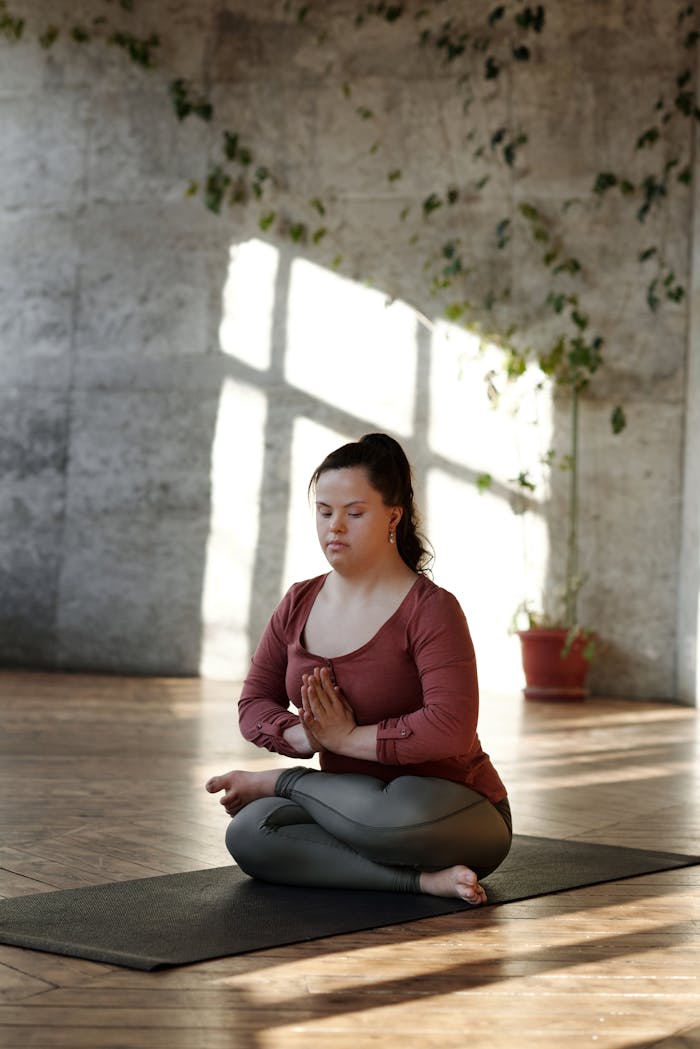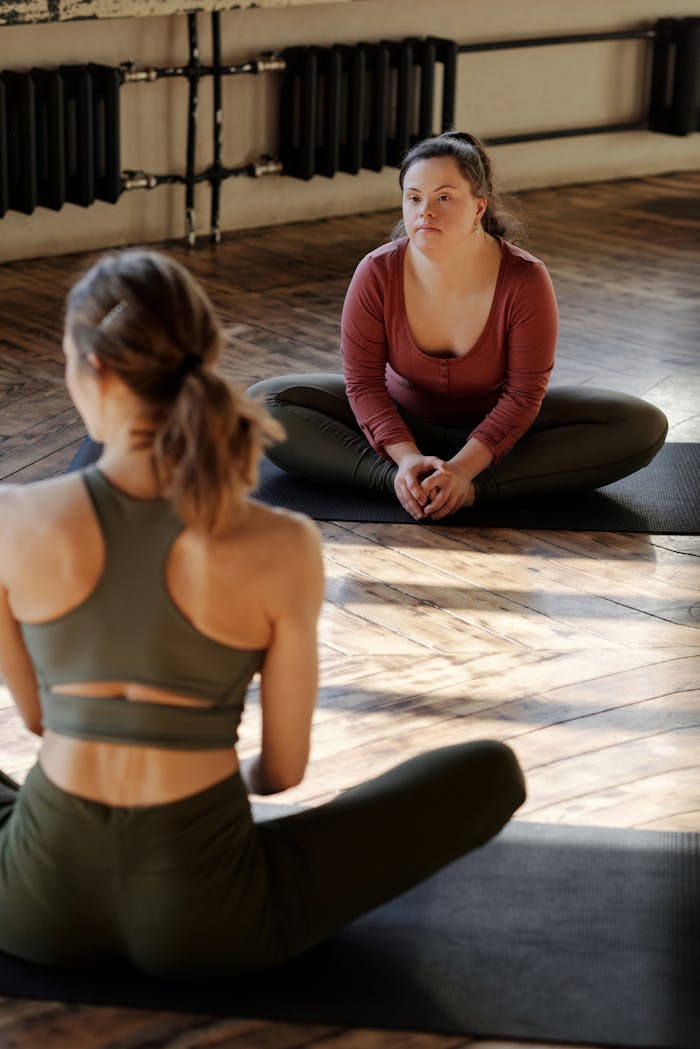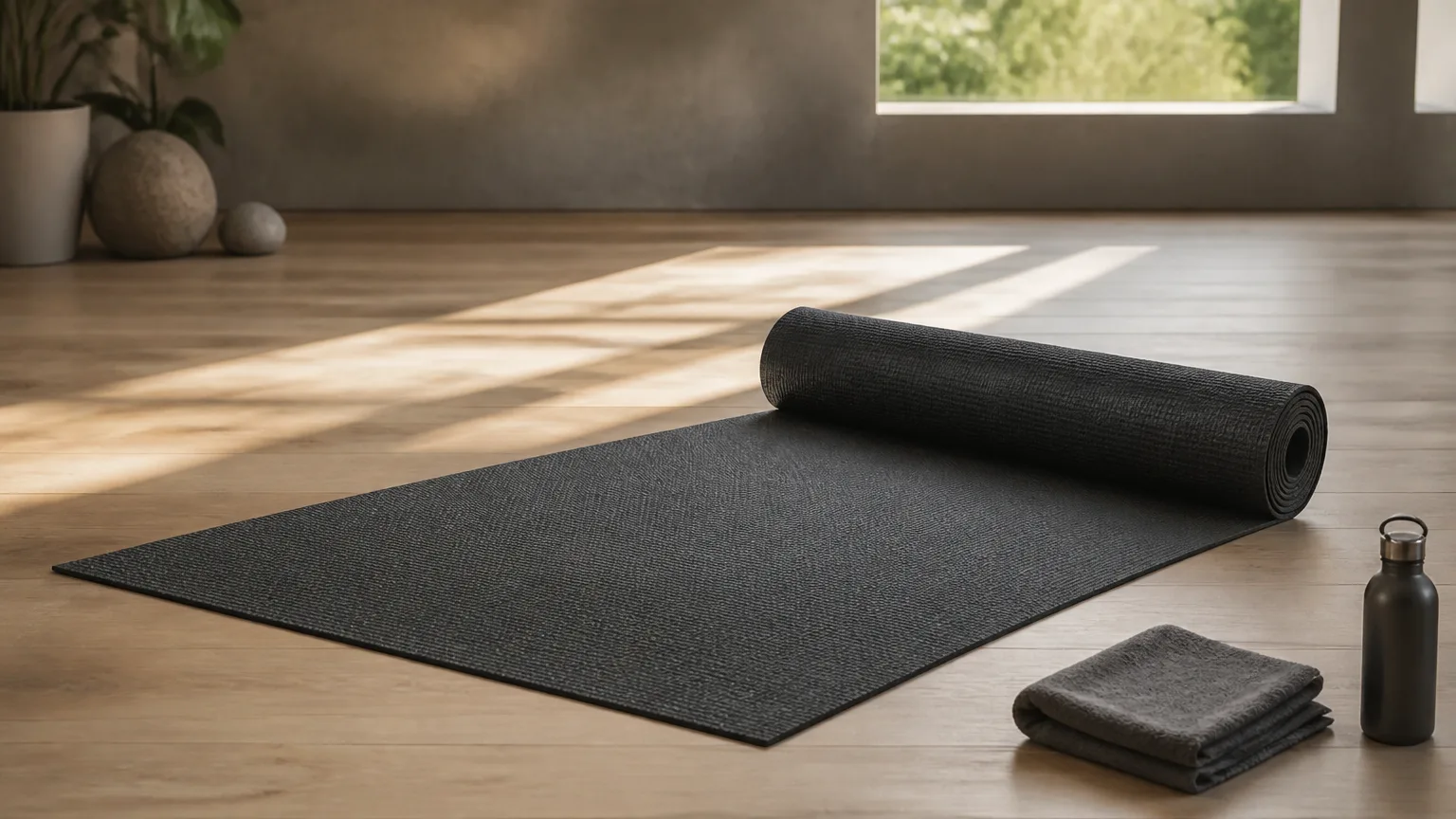
Choosing an alo yoga mat can feel exciting when you want your practice to feel more supported, comfortable, and intentional. Alo Yoga is known for premium design and polished details, but a beautiful mat is not automatically the right mat for every body or practice.
This review looks beyond brand reputation and visual appeal. We’ll consider the features that shape your experience on the floor, including grip, cushioning, size, materials, durability, maintenance, and overall value across different yoga styles.
The best choice depends on how you move and what helps you feel at ease. A gentle flow may call for soft cushioning, while heated classes demand reliable grip. Meditation and restorative work may benefit from comfort and stability, while frequent travelers often need a lighter, more portable option.
Premium construction can justify the price for some practitioners, especially those who practice often and value long-term performance. Still, not everyone needs every feature, and a higher cost does not guarantee a better fit for your needs.
As you read, consider the moments that matter most in your practice. Do you want steady support during transitions, a spacious surface for movement, or materials that are simple to care for? This guide from Joyous Yoga will help you weigh those questions with clarity, so you can choose a mat that supports your unique path toward mindful movement and balance.
First Impressions: Design, Materials, and Overall Construction
The Alo Yoga mat makes a strong first impression with its clean, minimalist appearance. Its simple design can feel calming rather than distracting, especially in a home practice space with neutral colors and natural textures. Depending on the color you choose, the mat may blend quietly into your room or add a gentle visual accent.
Alo’s logo placement is usually noticeable without overwhelming the surface. That balance may appeal to practitioners who appreciate recognizable branding but prefer a polished, uncluttered look. Still, visual appeal is only the starting point. A beautiful mat should also feel dependable beneath your hands and feet.
When you unroll the mat, look closely at its surface texture and finish. A smooth surface may feel comfortable during seated poses, while a more textured finish can offer useful traction during transitions. Pay attention to whether the texture feels consistent from the center to the edges, rather than assuming a premium appearance guarantees even performance.
The mat should also lie flat without pronounced curling or raised corners. Check whether its thickness feels consistent across the full practice area. A substantial, evenly built mat can make standing poses and floor-based movement feel more supported, particularly on hard surfaces.
Edge finishing offers another useful clue about construction quality. Neat, reinforced edges may help the mat maintain its shape over time. Fraying, uneven seams, or visible surface flaws deserve attention, even if they appear minor at first.
As you compare the Alo yoga mat with less expensive alternatives, separate premium styling from functional quality. A higher price may reflect materials, design, or brand positioning, but those features should translate into comfort, stability, and durability. Compare the mat’s weight, cushioning, grip, and finish with other options before deciding that its appearance justifies the investment.
Your first use may include a few small surprises. Some mats arrive with a noticeable packaging or manufacturing odor, so airing the mat out in a well-ventilated space can help. Follow the care instructions before cleaning it, then notice whether the surface feels different afterward. Some finishes become less slick after their first gentle cleaning, while others may need several sessions before they feel fully familiar. Taking time to observe these details helps you begin your practice with realistic expectations and greater confidence.
Grip and Traction: How the Mat Performs in Different Practices
Grip is one of the most important features to assess when choosing an alo yoga mat. A supportive surface should help your hands and feet stay planted during transitions, standing poses, inversions, and longer holds. When the mat feels dependable, you can give more attention to your breath and alignment instead of constantly adjusting your foundation.
Start by noticing how the mat performs when your skin is completely dry. Some surfaces offer strong traction immediately, which can feel reassuring during slow flows, balance work, and restorative practices. Others have a smoother finish at first, then become grippier as your body warms and your palms develop a little moisture.
This difference between dry grip and moisture-activated grip matters. A mat that improves with light perspiration may feel excellent during vinyasa or power yoga. However, it could feel less secure during a gentle morning practice in a cool room. Temperature, humidity, and your own natural hand moisture can all change the experience.
Movement intensity also affects traction. During steady standing poses, look for enough grip to prevent your feet from subtly shifting. In transitions, notice whether your hands remain stable as you move between plank, downward-facing dog, and lunges. For inversions, a reliable surface can support confidence, but it should never replace proper preparation, strength, or safe technique.
Those exploring the benefits of hot yoga should evaluate grip under more demanding conditions. Heat and heavy perspiration can make even a generally grippy mat feel slick, especially beneath the palms. A yoga towel may provide extra absorbency, while regular cleaning helps remove sweat, oils, and residue that can affect traction over time.
Consider these questions during your first few sessions:
- Does the surface feel secure before you begin sweating?
- Do your hands stay planted during transitions and inversions?
- Do your feet remain steady during lunges and standing balances?
- Does traction improve as your body warms?
- Can you clean the mat easily after a high-sweat practice?
For some practitioners, strong general traction will be enough. Heated or high-sweat users may prefer a mat designed specifically for moisture management, or they may need to pair their mat with a towel. If you practice across different styles, test the surface in both slow, controlled holds and faster movement.
A reliable grip can reduce distractions and help you settle into mindful focus. Still, traction is only one part of a safe practice. Listen to your body, maintain thoughtful alignment, and adjust your setup whenever the surface, temperature, or movement pattern changes.
Cushioning, Stability, and Joint Comfort
The right amount of cushioning can make your practice feel more welcoming from the first pose. An Alo Yoga mat with supportive padding may ease pressure during kneeling, seated meditation, low lunges, and restorative poses. This added comfort can help you stay present instead of shifting constantly to protect sensitive areas.
Your knees and hips often notice cushioning first, especially on hard flooring. Extra softness may also feel helpful when your wrists bear weight in tabletop, plank, or transitions. However, cushioning should support your joints without making the surface feel unstable beneath you.
Shock absorption and stability are related, but they are not the same. A very soft mat may feel pleasant under your hands and knees, yet compress unevenly during balancing poses. That movement can make tree pose, warrior III, or controlled transitions feel less secure.
A firmer mat usually gives your hands and feet a more dependable foundation. It can help you press down evenly and feel grounded as you move between poses. If you practice quickly or include strength-focused flows, look for cushioning that feels resilient rather than deeply spongy.
Your ideal thickness depends on more than personal preference. Body weight, flooring type, injury history, and practice intensity all shape how much support you need. A thinner mat may feel stable on carpet or a sprung studio floor, while a thicker option can soften the impact of tile or hardwood.
Heavier practitioners may appreciate additional cushioning, particularly around the knees and hips. Yet too much thickness can reduce balance feedback and make standing poses feel less connected to the floor. If you are unsure, test the mat in both kneeling poses and balance-dependent sequences.
Consider how the mat responds when you change positions. Does it compress evenly beneath your palms? Can you move from low lunge to standing without feeling your feet sink? These small observations reveal whether the cushioning supports your whole practice or only feels comfortable during stillness.
If you have persistent pain, a recent injury, or a medical condition, do not rely on a mat to solve the problem. Speak with an appropriately qualified healthcare or movement professional for personalized guidance. A comfortable surface can support mindful practice, but it cannot replace assessment, rehabilitation, or thoughtful modifications.
Size, Weight, and Portability for Home and Studio Use
An alo yoga mat should fit the way you actually practice, not just the space where you unroll it. Start by considering its usable surface area. Taller practitioners may appreciate extra length, especially during savasana, downward-facing dog, and fully extended prone poses.
Width also matters when your practice includes wide stances, lateral movement, or frequent transitions. A standard mat may feel sufficient for focused sequences, but a roomier design can reduce the need to reposition your hands, knees, or feet. That extra space may help you stay connected to your breath instead of adjusting your setup.
Next, think about weight and rolled dimensions. A dense, generously cushioned mat can feel stable and supportive, but it may be less convenient to carry regularly. If you walk or take public transit to class, even a modest difference in weight can become noticeable over several blocks or during a longer commute.
For studio use, check whether the rolled mat fits comfortably under your arm or inside your existing carrier. If you drive, consider whether it fits easily in your trunk or back seat alongside other belongings. At home, measure your storage area before buying, particularly if you live in a small apartment or plan to keep the mat in a closet.
Mat density and thickness can improve comfort for wrists, knees, hips, and other sensitive areas. They may also provide a more grounded feel during balance work and slower practices. However, thicker materials can create a larger roll and add weight, making frequent travel less convenient.
Your routine should guide the balance between comfort and portability. A mat used mainly in a home practice space can prioritize generous dimensions and cushioning. One carried to class several times a week may need a lighter profile, even if that means using a folded towel or separate pad for extra knee support.
Before purchasing, review the exact product specifications for the model you are considering. Dimensions, thickness, materials, weight, and included accessories may vary between Alo Yoga mat models or retailers. Product photographs can look similar, so confirm the measurements and packed size before choosing a mat for home, studio, or travel.
Durability, Cleaning, and Long-Term Maintenance
A mat’s ownership experience extends beyond its first impression. With consistent care, an Alo Yoga mat can remain supportive, attractive, and comfortable through years of mindful movement. Your routine matters, especially if you practice often or sweat heavily.
After each practice, wipe the surface with a soft, damp cloth. For deeper cleaning, use a gentle cleaner that is compatible with the mat’s materials. Avoid harsh chemicals, alcohol-based products, abrasive sponges, and excess water, which may weaken the finish or affect traction.
Let the mat dry fully before rolling it up. Storing it while damp can trap moisture and encourage persistent odors, discoloration, or material breakdown. If possible, keep it rolled rather than folded, with the practice surface facing outward or according to the manufacturer’s care instructions.
Protecting Grip and Appearance
Sweat and body oils can gradually build up on the surface. Regular wiping helps preserve the mat’s grip and prevents a dull, uneven appearance. If the surface feels unusually slick, clean it gently and allow it to dry completely before judging whether traction has changed.
Direct sunlight, high temperatures, and hot storage areas can also shorten a mat’s useful life. Avoid leaving it in a sunny window, a hot car, or near a radiator. Repeated folding may create creases or stress points, particularly in thicker mats designed to stay rolled.
Normal wear may include slight changes in color, gentle surface smoothing, or small marks from regular use. These signs do not necessarily mean the mat is unsafe or ready for replacement. Consider replacing it when peeling begins, the surface becomes uneven, or the mat no longer lies flat.
Persistent odor after careful cleaning may indicate trapped moisture or material deterioration. A noticeable loss of traction is another important warning, especially when your hands or feet slide during familiar poses. If cleaning does not restore the grip, choose safety and comfort over trying to extend the mat indefinitely.
Choosing a Thoughtful Replacement
Before replacing a functional mat for cosmetic reasons, ask whether the change affects your practice. Continuing to use a sound mat for longer reduces waste and allows you to receive more value from the materials and resources used to make it.
When replacement is necessary, check local disposal or recycling guidance rather than placing the mat in regular recycling automatically. Responsible disposal may vary by material and location. Caring for your mat, extending its lifespan, and replacing it thoughtfully are small choices that support both personal wellness and a more mindful relationship with consumption.
Price, Alternatives, and Who Should Buy It
An Alo Yoga mat sits in the premium category, so its value depends on more than the price tag. You are paying for dependable traction, supportive cushioning, thoughtful construction, and an appearance that can elevate your practice space. Those benefits matter most when they help you practice more comfortably and consistently.
For dedicated practitioners, that consistency can make the investment easier to justify. A well-made mat may feel stable during transitions, comfortable in longer holds, and polished enough to keep visible in a home studio. If you practice several times each week, better cushioning and reliable grip may provide meaningful everyday value.
It can also suit anyone who wants more comfort than a basic entry-level mat provides. However, premium equipment usually deserves attentive care. Follow the manufacturer’s cleaning guidance, allow the surface to dry fully, and store it away from excessive heat or direct sunlight. Good maintenance can help protect both performance and appearance.
Before buying, consider whether you will use the mat often enough to benefit from those features. A beautiful surface that stays rolled up may not be a better investment than a simpler mat that encourages regular movement. Your ideal choice should support your actual habits, not an imagined version of your routine.
An alternative may be more practical in several situations:
- Beginners on a tight budget may prefer an affordable mat while learning which thickness, texture, and size feel comfortable.
- Frequent travelers may value a lighter, foldable design over thicker cushioning and a more substantial build.
- Meditation-focused practitioners may need only a clean, comfortable surface, making premium traction less important.
- Occasional users may find that a dependable basic mat meets their needs without a higher upfront cost.
Sales and legitimate discounts can change the calculation. Checking an Alo Yoga women sale roundup may help you identify seasonal promotions or authorized offers. Eligible instructors can also investigate the Alo Yoga teacher discount before purchasing.
Still, treat a temporary deal as a chance to improve value, not proof that the regular price is justified. Compare the discounted cost with the mat’s expected lifespan, your practice frequency, and the benefits you will genuinely notice. The right choice is the one that supports mindful movement while fitting comfortably within your budget.
Frequently Asked Questions About Alo Yoga Mats
Is an Alo Yoga mat good for beginners?
An Alo Yoga mat can suit beginners who value a comfortable feel, dependable traction, and a spacious practice surface. However, your preferences may change as you gain experience. If you are still learning what thickness, texture, and firmness you prefer, a less expensive mat may be a wiser first purchase.
Is an Alo Yoga mat suitable for hot yoga?
It depends on how much you sweat and how the surface behaves in heat and moisture. Some practitioners find the grip supportive during warm sessions, while others may notice slipping as sweat builds. You might still need a towel or a mat designed specifically for intense heat and moisture.
How do you clean an Alo Yoga mat?
Start by checking the care instructions for your specific model. Use a gentle, compatible cleaner and wipe the surface instead of soaking it. Allow the mat to dry completely before rolling and storing it. Regular, careful cleaning can help preserve its texture and keep your practice space fresh.
Does a thicker mat help with knee or wrist discomfort?
Extra cushioning may make kneeling poses, tabletop positions, and seated work feel more comfortable. Still, thickness does not address every source of discomfort. Alignment, strength, technique, and thoughtful modifications matter, too. If pain continues or affects daily activities, seek guidance from a qualified healthcare or movement professional.
Is an Alo Yoga mat worth the price?
The answer depends on how often you practice and what you expect from your equipment. A higher price may feel more reasonable if you use the mat consistently, prefer its particular feel, and expect durable construction. Consider your budget, storage needs, and long-term practice before buying.
For occasional use, a simpler mat may provide better value. For frequent mindful movement, comfort and traction can make an investment easier to appreciate. Read the specifications for the exact Alo Yoga mat model, since materials, dimensions, and care requirements may vary.
Final Verdict: Choose the Mat That Supports Your Practice
An Alo Yoga mat can be a worthwhile investment for practitioners who value a premium feel, attractive design, and supportive cushioning. Its surface may provide dependable traction for regular practice, helping you move through transitions with greater confidence and focus.
Still, brand appeal should not make the decision for you. The cost, heavier weight, and maintenance needs may feel inconvenient, especially for frequent travelers or practitioners who sweat heavily. In those cases, another mat may offer better portability, absorbency, or overall value.
Before buying, compare the exact model’s dimensions, thickness, materials, care instructions, and packed weight. Consider how often you practice and whether the mat will support everything from a gentle morning yoga practice to a demanding studio class.
The best mat is the one that fits your body, routine, and budget. Choose equipment that helps you practice with greater steadiness and presence, wherever your unique path takes you.