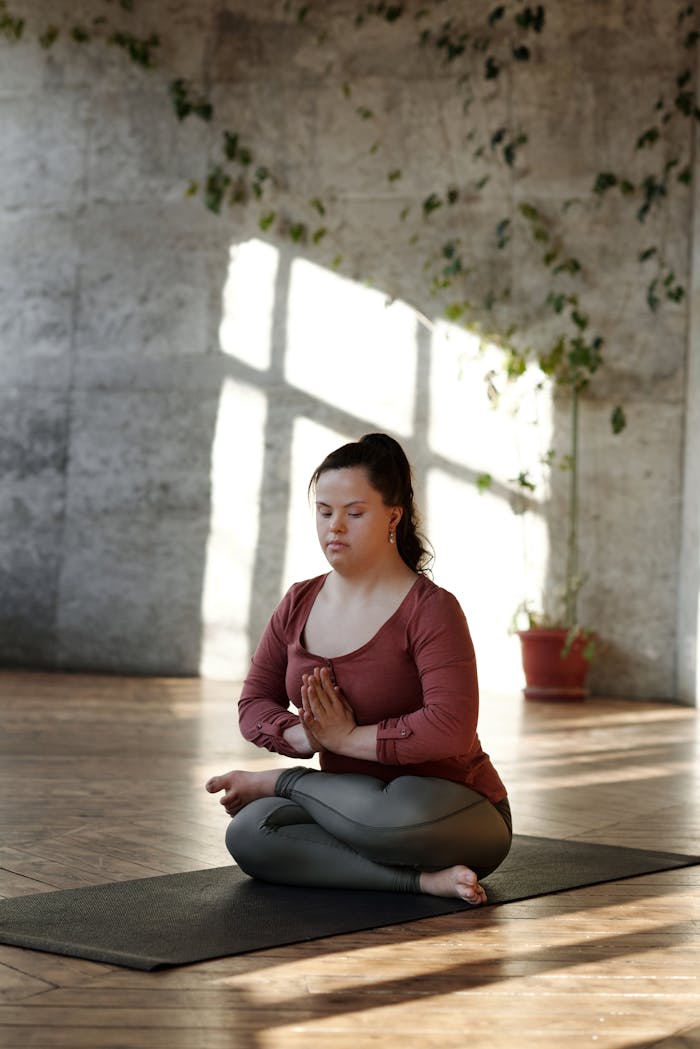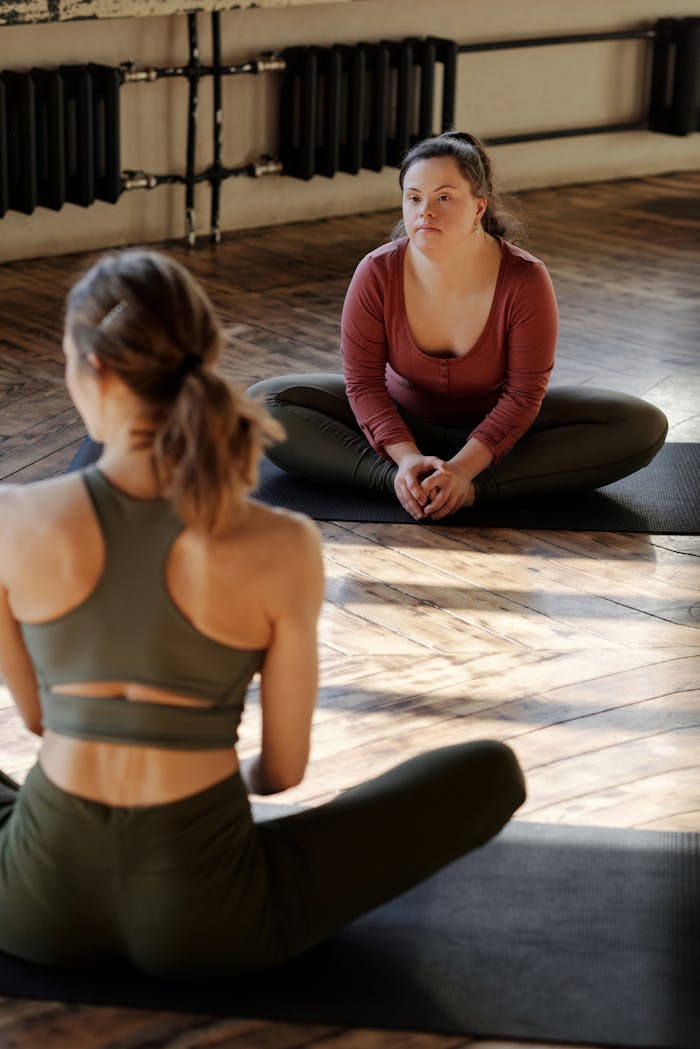
Iyengar yoga is a methodical practice named after B.K.S. Iyengar, known for its focus on precision, alignment, breath awareness, and sustained attention. Its thoughtful structure can help you build physical balance while creating a calmer, more mindful experience on the mat.
Alignment is not about forcing your body into an ideal shape. Instead, it offers a tool for noticing sensations, supporting safe movement, and adapting poses to your unique needs. With guidance and patience, Iyengar yoga welcomes beginners of every age, flexibility level, and experience.
The practice often moves at a deliberate pace, giving you space to observe your breath and settle your mind. That steady attention can support broader wellness goals, including how yoga can promote relaxation and emotional balance. As you explore this guide, you’ll discover how props, clear instruction, and consistent practice can help you feel more grounded and confident.
Alignment and the Iyengar Approach
In Iyengar yoga, alignment begins with a stable foundation. Teachers may refine the placement of your feet, knees, hips, spine, shoulders, and head to create steadiness and balanced effort. These details help you notice how each part of the body supports the whole.
Alignment is never one-size-fits-all. Your proportions, mobility, injuries, and energy levels can change how a pose should be practiced. A teacher might adjust your stance, suggest a prop, or offer a gentler variation so the posture remains both safe and meaningful.
Careful positioning also develops anatomical awareness. As you practice, you learn to sense weight, length, tension, and ease from within. This attention reflects the broader mind-body connection in yoga, linking physical practice with mindfulness and self-understanding.
Iyengar poses are often held longer than in faster-paced classes. Extra time builds concentration, proprioception, and breath awareness while helping you observe physical discomfort without reacting immediately. That does not mean the practice is rigid. Intelligent adjustments, rest, and modifications are essential parts of the method, allowing precision to support—not restrict—your unique path.
Props: Why Iyengar Yoga Uses Them
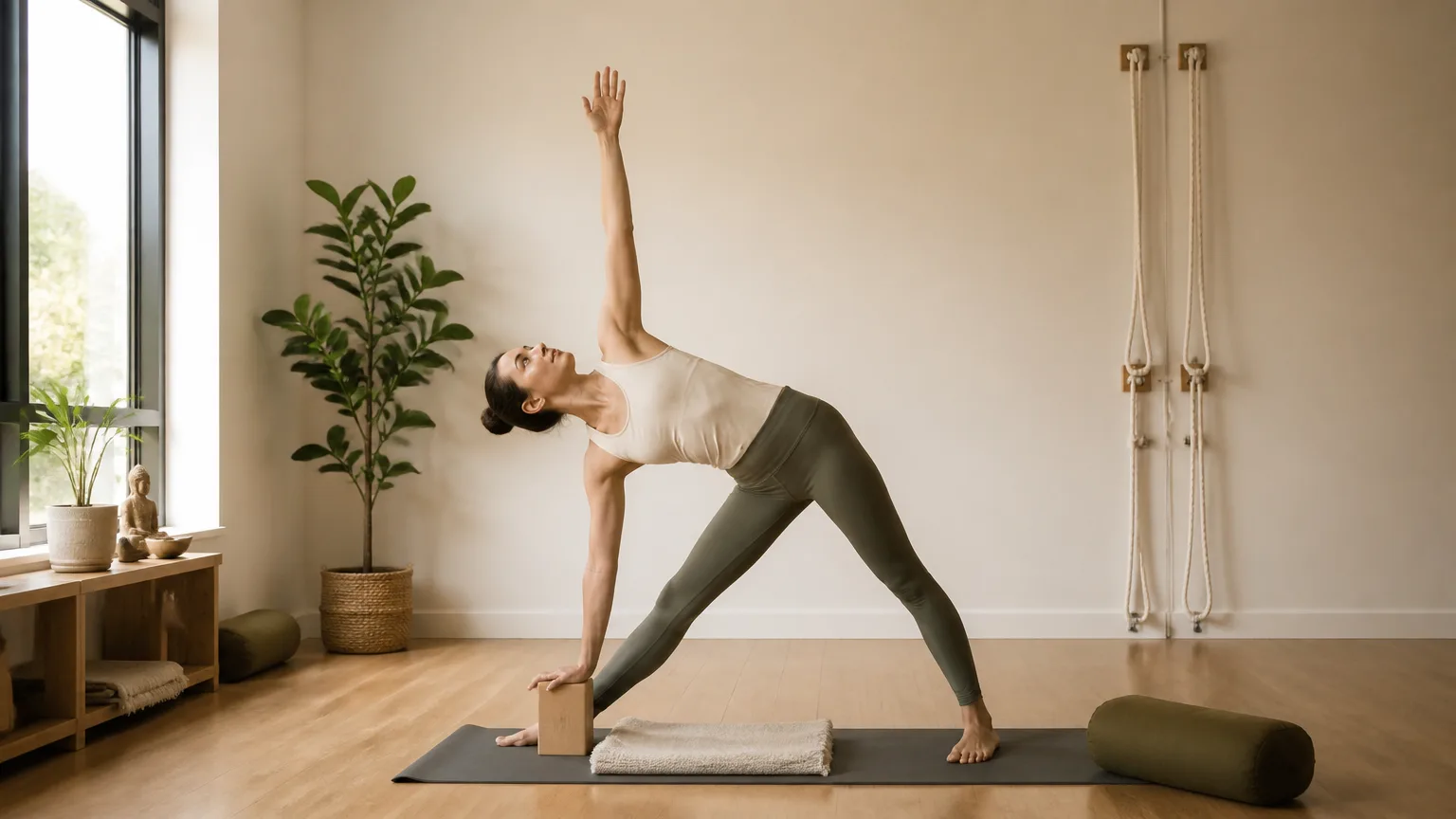
In Iyengar yoga, props make alignment easier to understand, feel, and maintain. They are not shortcuts or signs that a practice is less challenging. Instead, they help each student experience a pose’s intended action with greater clarity and support.
Common props include blocks, belts, blankets, bolsters, chairs, wall ropes, and sandbags. A block can bring the floor closer when your hands cannot comfortably reach it. A belt can extend your reach while helping you keep the spine long, rather than rounding forward. Blankets cushion joints, chairs provide stability, and wall ropes offer traction or support for balance. Sandbags can encourage grounding, while a bolster makes restorative poses more comfortable.
Props also make practice adaptable during fatigue, pregnancy, limited flexibility, or recovery. They allow you to explore steady breathing and precise alignment without forcing your body beyond its current capacity. If you’re choosing a supportive yoga mat, look for a stable surface that complements this careful approach.
Use every prop to support calm breathing and stable alignment. It should never help you push deeper into pain. With thoughtful guidance, props become practical tools for listening to your body and building confidence.
Potential Benefits of Iyengar Yoga
Consistent, appropriately guided Iyengar yoga may support better posture, balance, mobility, and stability. Holding carefully aligned poses can build functional strength while improving body awareness and proprioception. Over time, you may notice greater ease in everyday movements, such as standing, reaching, or walking.
The method also invites focused attention. Repeating precise movements with steady breathing can encourage patience and create a meditative rhythm. This mindful focus may help regulate stress and make it easier to notice tension before it becomes overwhelming.
Props and modifications make the practice adaptable for different bodies, abilities, and life stages. A chair can support balance, while a bolster may make restorative poses more comfortable. These options help you explore the benefits of Iyengar yoga without forcing your body into a fixed shape.
Results vary with your experience, consistency, and individual needs. Yoga should complement—not replace—professional medical care for injuries or health conditions. Consult a qualified healthcare provider and seek knowledgeable instruction when adapting your practice.
Beginner Tips for Starting Iyengar Yoga
Begin with an introductory or level-one Iyengar yoga class. Before practice, tell your teacher about injuries, health conditions, pregnancy, or other limitations. This information helps them offer appropriate modifications and props.
Choose comfortable, close-fitting clothing so your teacher can observe your alignment. You will likely practice barefoot for stability and body awareness. Bring curiosity, patience, and a willingness to learn each pose step by step.
Expect foundational work, including standing poses, seated forward bends, twists, inversions, and restorative postures. Beginners may use several props and spend more time learning setup than flowing between poses. This deliberate pace differs from faster practices such as vinyasa; explore what beginners can expect from vinyasa yoga if movement and momentum are your priorities.
Choose classes based on your goals, not the idea that one style is better. Practice consistently without comparing yourself to others. Progress may first appear as clearer body awareness, steadier breathing, and greater confidence—not increased flexibility. When something feels unclear, ask questions and let your practice unfold gradually.
Finding the Right Iyengar Yoga Class
Iyengar yoga is not about perfect-looking poses. Alignment, props, and patient instruction help you inhabit your body with clarity, stability, and attention. Look for a certified or well-trained teacher, a class small enough for individual feedback, accessible props, and an environment that welcomes questions.
Compare local studios and formats by teaching style, experience levels, schedule, pricing, and accessibility. This guide on how to choose a yoga studio for your wellness goals can help. Begin slowly, and let each practice invite you to notice, adjust, and breathe.