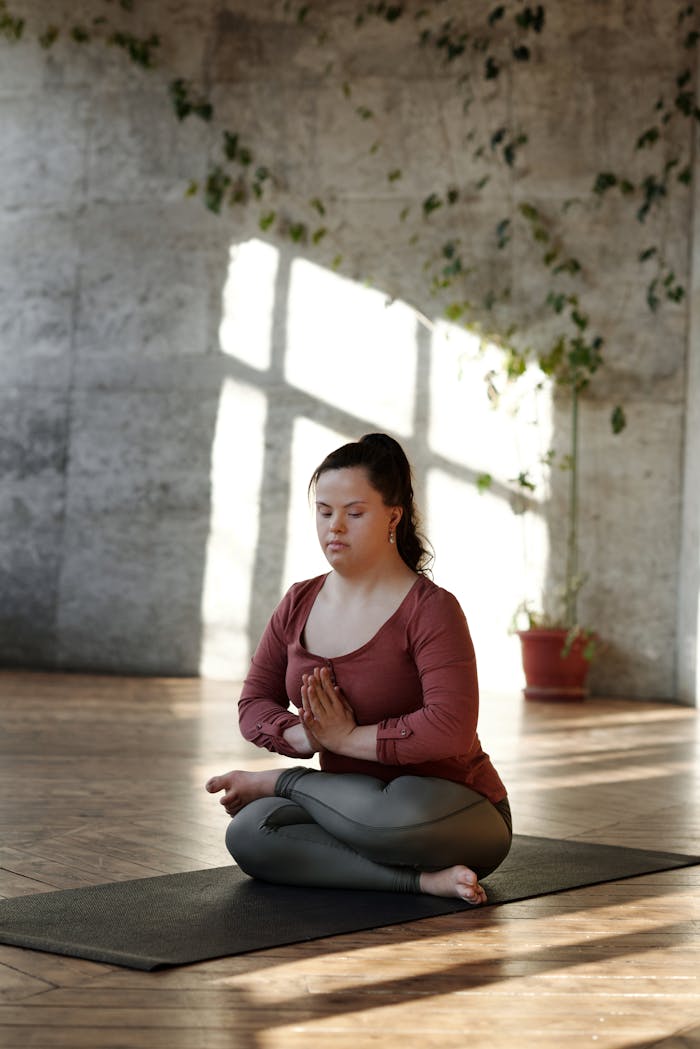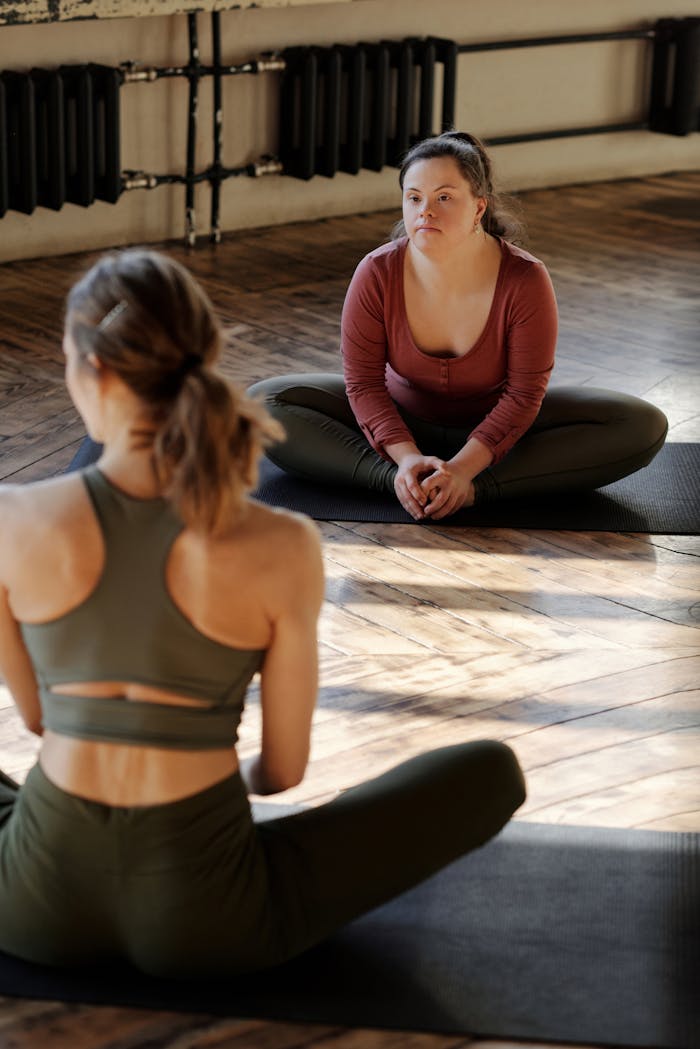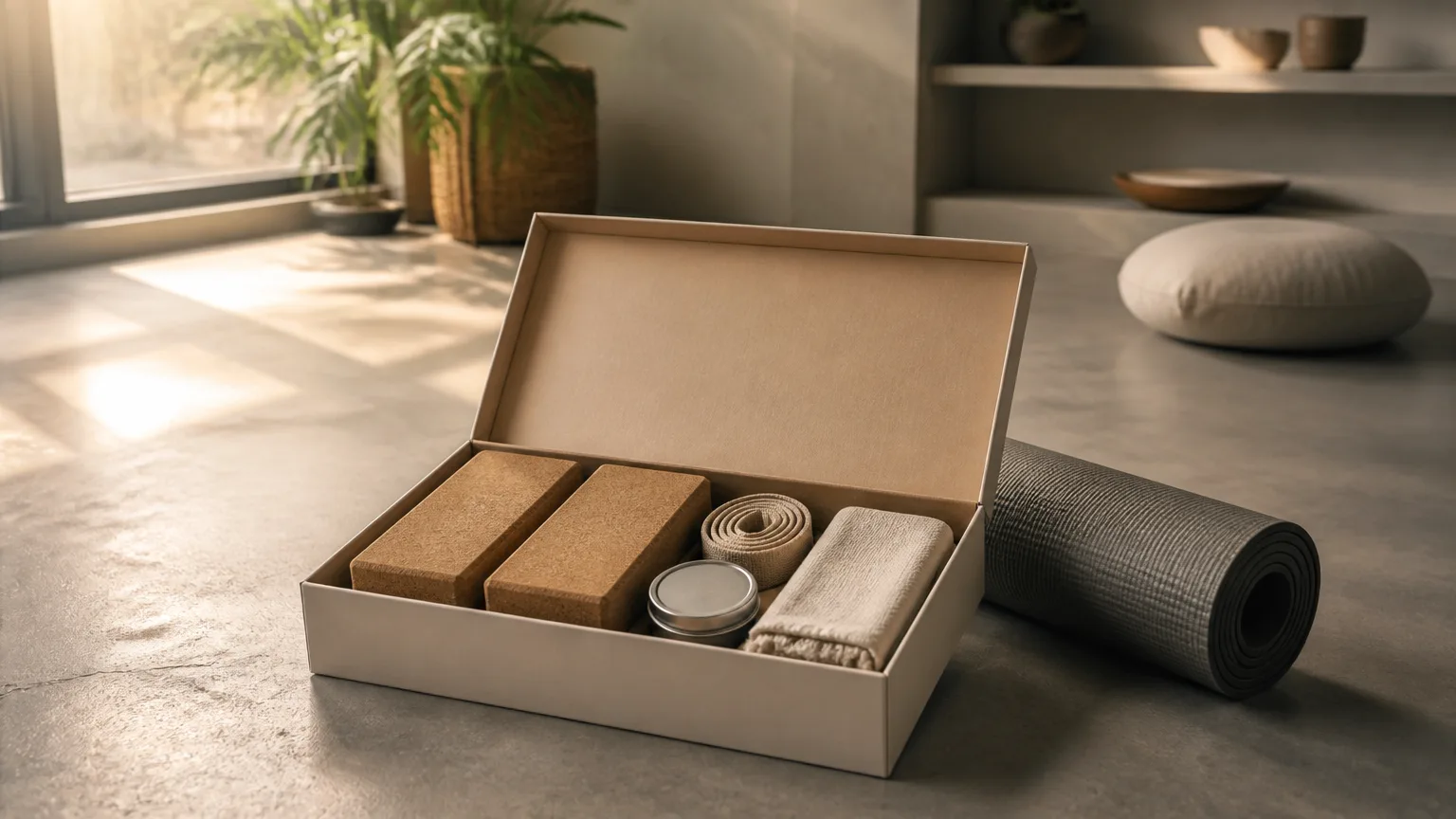
A yoga box can bring useful tools for movement, relaxation, and mindfulness into one convenient collection. Depending on the kit, it may include equipment like blocks or straps, self-care items such as a calming balm, or guided-practice materials. The contents can vary widely, so a bigger box isn’t always a better fit.
Choosing well starts with your own practice. Consider your goals, available space, budget, and comfort: a beginner in a small apartment may need different tools than someone building a regular home routine. Look for items you’ll genuinely use, not promises of instant transformation. A thoughtful kit can support your practice, but your progress unfolds at your own pace.
This guide will help you compare what matters and find a kit that feels practical and welcoming. For more ideas on yoga and whole-person wellness, explore Joyous Yoga and discover what resonates with your journey.
Start With Your Practice, Not the Product List
Before comparing what comes in a yoga box, pause and consider how you want it to support your practice. The right kit is not the one with the most pieces; it’s the one you’ll feel comfortable using. A few details about your experience, preferred classes, and routine can help you choose wisely.
If you’re new to yoga, look for versatile, comfortable essentials rather than specialized accessories. A supportive mat and a block or strap can offer useful options as you learn poses and explore what feels right. You can always add equipment later, once you know which tools you reach for.
Your preferred style matters, too. Gentle, restorative, and mobility-focused practices may call for props that support relaxation, steady positioning, or a wider range of movement. Faster, sweatier classes may put more emphasis on a grippy mat and a towel. Think about what helps you feel supported and at ease, rather than assuming every practice needs the same gear.
If you already attend classes, notice their format and teaching approach. Does your teacher encourage props, offer modifications, or move quickly between poses? A studio’s style can give you helpful clues about what you’ll use. For example, reading about Black Swan Yoga’s class styles can help you picture how different class formats may shape your kit.
Frequency is another useful guide. If you practice several times a week, durable essentials that are easy to clean may be worth prioritizing. For occasional sessions, a simple setup may be enough. There’s no need to buy a full collection before you’ve found a rhythm that feels sustainable.
Finally, consider where you’ll practice most often. At home, you may have room for larger props; in a studio, lighter items can be easier to carry. If you travel, check whether the mat or accessories fit in your bag and suit your plans. Matching the kit to your real routine helps keep your yoga box practical, welcoming, and ready when you are.
Check Which Essentials the Box Actually Includes
Once you know where and how you’ll practice, look closely at what a yoga box contains. A generous-looking bundle is not automatically a useful one. Consider how each item could support your routine, and check the details rather than relying on attractive product photos.
A mat gives you a stable surface for standing poses, seated stretches, and floor work. Check its length and width to make sure it suits your body and practice space. Thickness affects comfort and stability: extra cushioning can feel supportive for kneeling, while a thinner mat may offer a steadier connection to the floor. Grip matters, too, especially if your hands tend to slip.
Blocks can bring the floor closer and support balance when a pose feels unfamiliar. They may help you explore a comfortable variation without forcing a stretch. Straps extend your reach when your hands don’t comfortably meet, and can support gentle movement through tight areas. Look for clear dimensions and materials, and confirm whether blocks or straps are included in pairs if you expect to use two.
Blankets add cushioning beneath knees, hips, or shoulders, and can help you settle into seated or restorative poses. They’re also useful for adjusting a pose to meet your needs. For example, a blanket under the hips can make sitting more comfortable. Props can support modifications for pigeon pose, too; explore modifications for pigeon pose as you consider what might help you practice with ease.
Some boxes include a towel or an eye pillow. A towel can add grip or absorb sweat, depending on its design, while an eye pillow may help create a quieter experience during rest. These extras can be lovely, but they’re optional. Their value depends on your preferences and the kind of practice you enjoy.
Before buying, compare the contents with what you already own. If you have a dependable mat and blocks, a kit with more of the same may not add much. You might prefer a box with a strap or blanket instead. Choosing complementary pieces helps you avoid paying twice for interchangeable items and keeps your practice kit aligned with your needs.
Evaluate the Mat, Materials, and Build Quality
Since a mat is often the foundation of a yoga box, take time to consider how it will feel in your regular practice. The best choice depends on your movements, setting, and preferences. More cushioning or a grippier surface is not automatically better for everyone.
Traction can help you feel steady in standing poses, especially if your hands tend to get sweaty. Some surfaces feel grippy right away, while others may need a break-in period. Check product details for care instructions, too: certain mats need gentle cleaning or time to air out.
Cushioning matters when you practice on hard floors or want extra comfort for your knees and wrists. A thinner mat may offer a firmer connection to the floor, which some people prefer for balance. If possible, consider the kinds of poses you practice and what feels supportive without making movement awkward.
Also check the mat’s length and width. A taller person may appreciate extra length, while a wider mat can create more room for movement. Weight matters if you carry your kit to class or travel often; a heavier mat may be less convenient, even if it feels sturdy at home.
Materials affect how a mat performs, how you care for it, and how long it may last. Look for clear product information about what the mat is made from, how to clean it, and whether it comes with warranty coverage. If a brand makes sustainability claims, check whether it explains those claims in specific, verifiable terms rather than relying on broad labels.
Build quality includes details such as edges that lie flat, consistent thickness, and a surface that holds up to regular use. A lower price can suit a beginner or occasional practice, while a more durable mat may be worthwhile if yoga is part of your weekly routine. Think about value over time, not just the initial cost.
If you’re comparing Jade Yoga mats in particular, this guide to choosing a Jade Yoga mat offers a closer look at the options. For any mat, let your practice and comfort guide the decision. A well-matched choice can make your yoga box feel more useful without asking you to follow someone else’s idea of the perfect setup.
Look Beyond Equipment to the Mindfulness Experience
Once you’ve considered the equipment, look at how the other contents might support your practice. Some yoga boxes include guided audio or video, meditation tools, journaling prompts, or small comforts. These extras can help make it easier to settle in, reflect, and build a routine that feels like your own.
Start by checking whether the guidance is clearly described and accessible. Does it explain what’s included, how to use it, and whether it’s suited to beginners or more experienced practitioners? Consider how you prefer to learn, too. A short video may be helpful if you like visual demonstrations, while audio guidance may suit a quiet, screen-free practice.
Look for support that fits your goals rather than simply adding more content. A grounding meditation or thoughtful journaling prompt may encourage mindfulness, but only if it feels relevant to you. Clear instructions and a welcoming approach are more meaningful than a long list of resources with little explanation.
Candles, teas, journals, and similar items can add a comforting touch, but they’re optional enhancements—not necessities or substitutes for sound instruction. If you already have a journal you love, another one may not add much. Think about whether an item will genuinely support your routine or simply look appealing in the box.
At home, a few thoughtfully chosen objects can help signal that it’s time to pause and focus. A soft blanket, gentle lighting, or a clear spot to unroll your mat can make your space feel calmer without requiring a complete makeover. For ideas for a peaceful, mindful home practice, small personal touches can help create an atmosphere that feels welcoming.
Let your own needs guide the choice. A yoga box with accessible guidance and a few useful comforts may feel more supportive than one packed with decorative extras. The right additions can help you arrive on your mat with greater ease, while leaving room for your practice to grow at its own pace.
Compare Value, Budget, and Buying Terms
Once you know what would support your practice, take a closer look at the price and buying terms. A yoga box may appear to offer a bargain because its listed retail value exceeds its price. But that figure matters less than the cost of the items you’ll genuinely use.
Compare the box’s total cost with realistic prices for its useful contents. Check what similar mats, blocks, straps, or other included items cost when sold individually. Consider their materials and durability, too: an inexpensive prop that wears out quickly may not be good value. Skip the decorative extras in your calculation if you wouldn’t choose or use them on their own.
For example, if you already own a mat and blocks, a bundle featuring premium versions of both may not save you money. A smaller kit with a sturdy strap and a comfortable blanket could offer more practical value. Paying for fewer, well-chosen pieces can be a wiser investment than buying a large bundle that leaves unwanted items unused.
Decide whether a one-time purchase or a subscription fits your budget and routine. A single box lets you choose when to spend, while a subscription may deliver new items regularly. Check how often it renews, whether the price can change, and how much notice you need to cancel. Make sure the renewal schedule suits you, especially if you’re still figuring out which props belong in your practice.
Look beyond the item price to the full cost at checkout. Shipping charges can change whether a box is truly affordable, and international orders may involve extra fees. Review the return policy before buying: can you return the whole box, or only certain items? Note any deadlines, return shipping costs, and conditions such as unopened packaging.
It’s also worth checking what happens if an item arrives damaged or doesn’t meet expectations. Find out how to contact the seller, whether they offer a replacement or refund, and what information they require. Clear policies can offer peace of mind, particularly when you’re ordering products you haven’t handled in person.
A helpful final check is to imagine using each item in your actual routine. If a box costs more than buying its useful pieces separately, the convenience or guidance may still feel worthwhile—but that benefit should be clear to you. Choose a price and set of terms that leave you feeling supported, not pressured to keep paying for things you don’t need.
Check Comfort, Accessibility, and Practical Fit
A yoga box should fit your body and everyday life, not ask you to fit someone else’s idea of yoga. Consider what helps you feel steady, comfortable, and welcome on the mat. Small details—like a strap that adjusts easily or a block that feels secure in your hand—can make a kit more useful.
Check dimensions, weights, and fit details before buying, especially if the box includes wearable items or is meant for travel. A mat that feels manageable at home may be awkward to carry, while clothing or straps may not suit every body. Look for clear sizing information and adjustable options, and contact the seller if important details are missing.
Props can make practice more comfortable and adaptable. Blocks can bring the floor closer, straps can help you explore a stretch without forcing your reach, and blankets can add cushioning or support. Think about whether the props can serve different purposes and work with movements you already enjoy.
A kit should also suit the space where you practice. If you have a small room, bulky props may be difficult to store; if you travel often, lighter pieces and a compact mat may be easier to bring along. Check how items can be cleaned, too. Removable, washable covers or materials that are simple to wipe down can make regular care feel less like a chore.
Most importantly, props can support comfort and adaptation, but a box cannot determine which movements are appropriate for you. Your needs may change from day to day, and modifying a pose—or choosing not to do it—is a valid part of practice. Let comfort, breath, and your own experience guide how you use each item.
If you’re living with pain, recovering from an injury, or managing a health concern, seek guidance from a qualified health professional or yoga teacher with relevant experience. They can help you find suitable options and movements that respect your limits. A thoughtful kit can offer helpful tools, while your practice remains personal and responsive to what you need.
Frequently Asked Questions
Can a beginner use a yoga box, or should they buy items individually?
A beginner can use a yoga box; there’s no need to wait until you feel more experienced. A thoughtfully chosen kit can make it easier to begin, especially if it includes useful props and clear guidance. Buying items individually may suit you better if you already own some essentials or want to try one piece at a time.
What should a basic yoga practice kit include?
Start with a comfortable, nonslip mat and consider adding two blocks and a strap. These props can help you adapt poses to your body and feel more supported as you learn. A blanket can offer extra comfort, but you don’t need every accessory to begin—everyday items at home may work just as well.
Is a yoga box worth the cost?
It can be, if the items match your practice and you’ll use them. Compare the kit’s price with the cost of buying its useful pieces separately, and look for durable materials, clear product details, and a return policy you’re comfortable with. Convenience or included instruction may add value, too, but extras are only worthwhile if they support your routine.
Can a yoga box support home practice if I have limited space?
Yes. A mat, strap, and blocks can be stored in a closet or under a bed, and some mats roll up compactly. Check the dimensions of larger props before ordering, and consider whether you have space to unroll your mat comfortably. A small, useful setup can make home practice feel welcoming without taking over your living area.
How can I tell whether a kit’s mat and props will suit my needs?
Check the mat’s length, thickness, texture, and material, then compare them with your body, practice style, and comfort preferences. Look for the size and material of each prop, along with cleaning and care instructions. If details are missing, contact the seller before buying. Choosing pieces that feel right for you matters more than finding a kit with the most accessories.
Should I choose a physical kit or digital guidance?
Choose based on what helps you feel supported. A physical kit offers tangible tools, while digital guidance can provide structure and flexibility at home or on the go. Some boxes include both, but you can also pair simple props you already own with free or paid classes. Let your budget, space, and learning style guide you.
Choose the Kit That Makes Practice Easier to Return To
The best yoga box fits your life, goals, and comfort—not the other way around. Before choosing, think about the kind of practice you want to support, from gentle stretching to guided sessions at home. Then check that the kit includes pieces you’ll actually use, suits your space and routine, and offers quality and purchase terms you feel good about.
You don’t need every prop to begin. Start with essentials that make practice more comfortable, such as a mat or blocks, and add other items as your needs develop. A few well-chosen tools can be more useful than a full collection that stays tucked away.
Most of all, choose a setup that makes it easier to return to your mat with ease. Consistency grows through practice, patience, and care—not through owning more. A yoga box is a tool for supporting your journey, never a measure of your commitment or wellbeing.