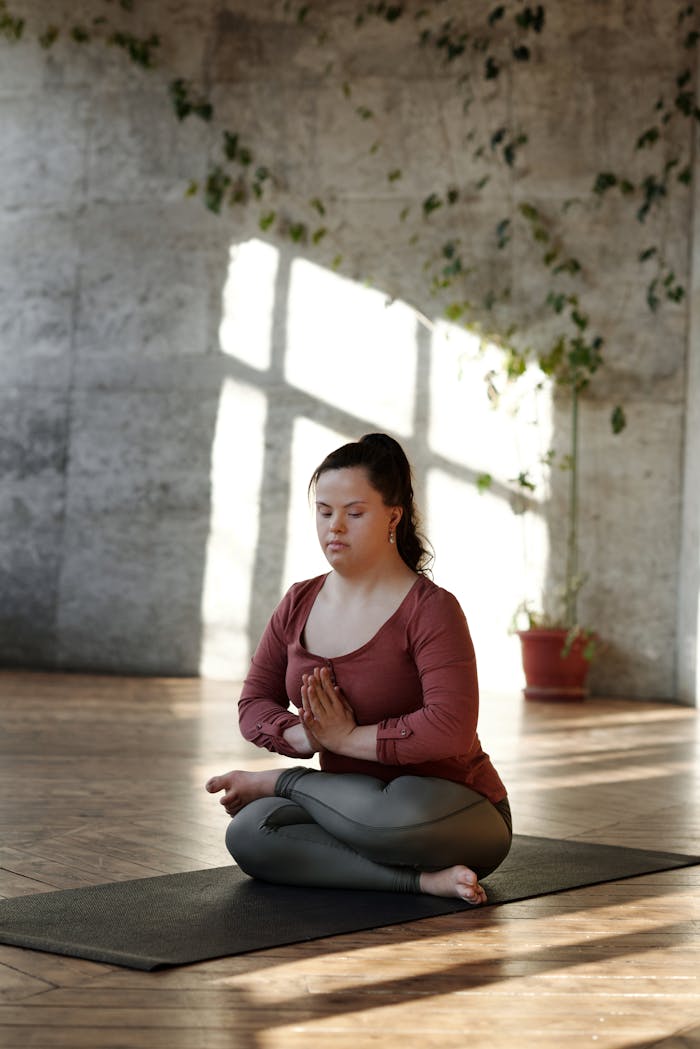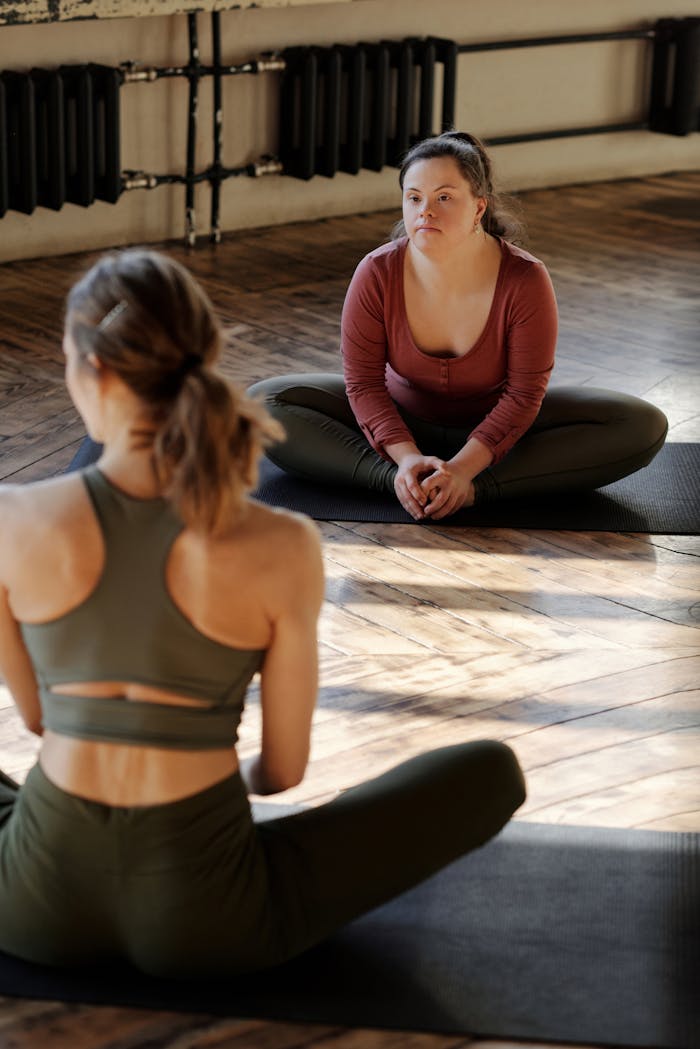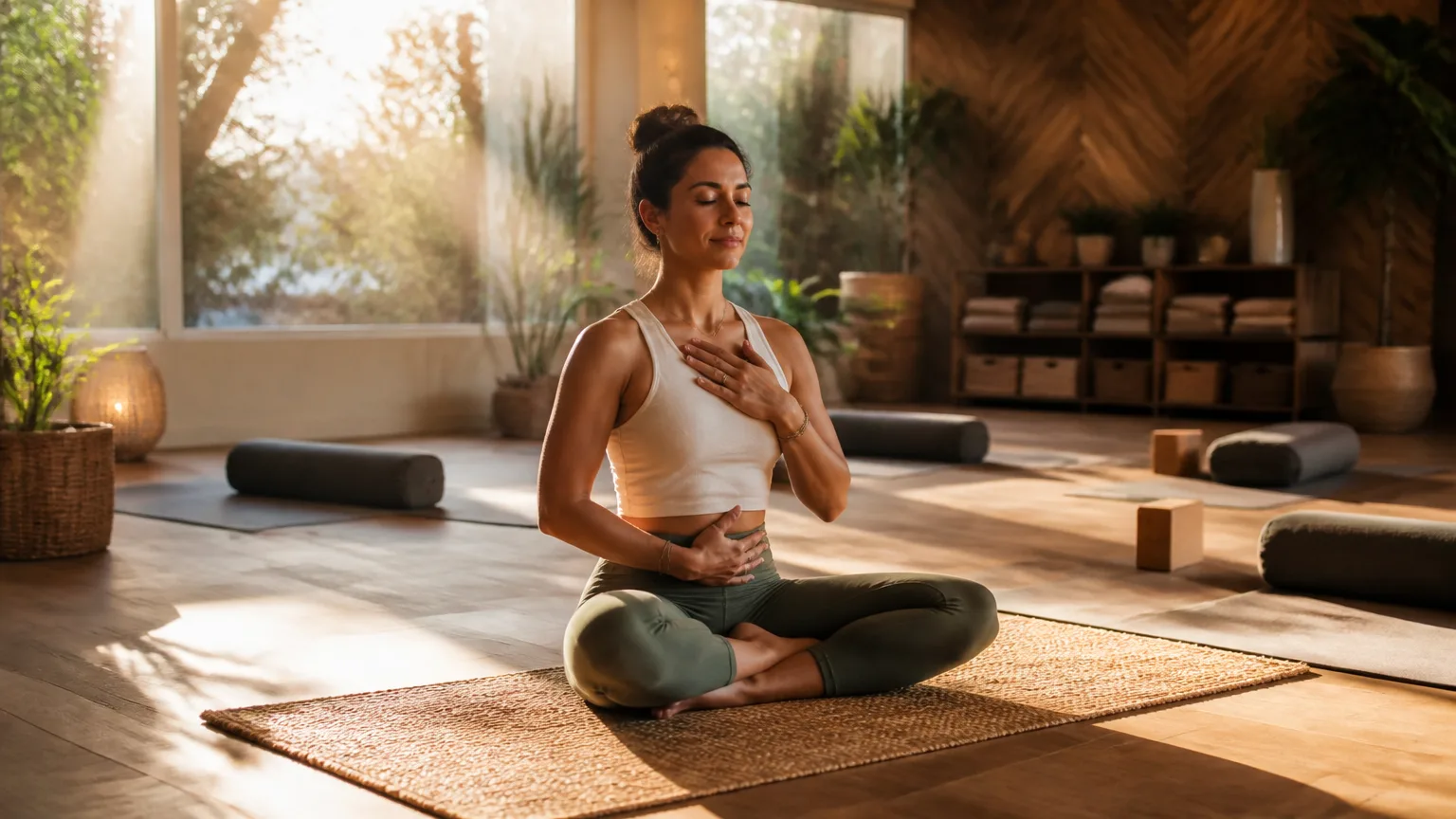
Down under yoga can be a welcoming way to reconnect with your body, breath, and daily rhythm. Whether you want stress relief, mindful movement, or greater balance, the experience is about more than performance-based fitness. It offers space to slow down, build awareness, and feel supported as you explore your own path.
The name may leave you wondering what “Down Under” means. In many cases, it refers to a studio or yoga community, rather than one specific style of yoga. Classes may blend familiar practices such as vinyasa, restorative yoga, meditation, and breathwork, depending on the location and teachers.
This guide will help you understand what to expect, from class styles and potential benefits to simple ways to prepare for your first visit. You’ll also discover how yoga can support physical strength, emotional steadiness, and a more grounded routine at home.
Because offerings can differ, check with your local studio for current schedules, pricing, teaching styles, class descriptions, and amenities. A location may offer beginner-friendly sessions, workshops, private lessons, or community events, while another may have a different focus.
Think of this as a practical starting point, not a requirement to have everything figured out. With curiosity and a willingness to meet yourself where you are, you can begin gently. For more guidance, explore Joyous Yoga for related yoga and wellness resources to support your ongoing journey.
What Is Down Under Yoga?
Down under yoga can describe a welcoming, modern approach to yoga that blends movement with mindful living. The phrase may also refer to a specific studio, school, or brand, so its meaning can vary by location. Before booking, check the local class catalog and teacher descriptions to understand what each offering includes.
At its heart, yoga is more than a physical workout. Asana, or yoga postures, helps build strength, mobility, balance, and body awareness. Pranayama, the practice of conscious breathing, can steady the nervous system and create a calmer connection between body and mind.
Many classes also make space for meditation, relaxation, and self-awareness. You might notice how your body feels in a pose, observe your thoughts without judgment, or use a longer exhale to settle after a busy day. These practices help yoga become a tool for overall well-being, rather than a performance measured by flexibility.
A Down Under Yoga studio may bring several of these elements together in one community-centered setting. A class could include flowing sequences, breathwork, a quiet meditation, and a final relaxation. Another might focus on restorative poses, gentle stretching, or recovery after physical activity.
There is no single format that every studio follows. Some locations may emphasize energetic vinyasa classes, while others offer slow flow, prenatal yoga, meditation, workshops, or recovery-oriented sessions. The name alone does not tell you whether a class will feel vigorous, gentle, spiritual, or highly structured.
Beginners often value approachable instruction and clear guidance. Teachers may demonstrate options, offer modifications, and encourage students to work within their own comfort levels. A noncompetitive atmosphere can make it easier to focus inward, especially when you are new to yoga or returning after time away.
Many studios also provide choices for different energy levels. You might select an active class when you want to move and build heat, or choose restorative yoga when your body needs support and stillness. Asking about pace, accessibility, props, and previous experience can help you find a comfortable starting point.
Community is another important part of the experience. Shared practice can create a sense of belonging without requiring everyone to move in the same way. Whether you attend in person or connect through online offerings, down under yoga may invite you to explore balance, mindfulness, and steady progress at your own pace.
Down Under Yoga Classes: Styles and Formats to Know
Down Under Yoga classes can vary widely in pace, intensity, temperature, and focus. Understanding the language in a class description can help you choose an experience that supports your body and current goals.
Gentle and restorative classes are designed for slowing down. You may move through simple stretches, supported poses, breathwork, and longer periods of stillness. These sessions can be especially helpful when you need recovery, stress relief, or a quieter introduction to yoga.
Beginner classes usually explain foundational poses, alignment, and breathing at a comfortable pace. However, “beginner” does not always mean effortless. Some sessions include active standing sequences, so read the description carefully and choose modifications when needed.
Flow-based classes, often called vinyasa, connect movement with breath. They typically move more continuously than gentle classes and may include sun salutations, balancing poses, and transitions. An all-levels flow welcomes different experiences, but students are still responsible for selecting suitable variations.
Power classes offer a stronger physical challenge. Expect faster pacing, weight-bearing poses, core work, and opportunities to build strength and endurance. These classes may suit experienced students or anyone seeking an energizing practice, provided the instructor offers accessible options.
Heated yoga adds temperature to the experience, sometimes with increased humidity. Heat may help muscles feel more mobile, but it also raises the physical demand. Hydrate, take breaks, and speak with a healthcare professional if heat-based exercise may not be appropriate for you.
Meditation and breath-focused sessions place less emphasis on physical movement. They can support mindfulness, emotional balance, and concentration. Some classes combine meditation with gentle stretching, creating a supportive bridge between a busy day and a more settled state.
Specialty and community formats may include partner work, group practices, workshops, or themed sessions. These experiences can build connection and playfulness, but safety and consent should remain central. Clear communication, instructor guidance, and the freedom to opt out are important whenever practice involves touch or cooperation.
Before booking, look beyond the class title. Check the listing for:
- Duration, prerequisites, temperature, and equipment requirements
- Whether registration is required or drop-ins are welcome
- The expected pace, intensity, and recommended experience level
- Available modifications or guidance for injuries and mobility needs
If you are choosing between two options, consider what your body needs today. A slow class may be the wiser choice after a demanding week, while a flow or strength-focused session may feel uplifting when you have more energy. Labels are helpful starting points, not guarantees, so contact the studio when you need clarification. With this approach, down under yoga can become a flexible practice that meets you where you are.
The Benefits of Practicing at Down Under Yoga
A consistent down under yoga practice can support your well-being in several connected ways. Benefits often develop gradually through regular movement, mindful attention, and a willingness to adapt each class to your needs.
Physically, yoga may improve mobility by guiding your joints through comfortable ranges of motion. Over time, you might also build functional strength, coordination, and balance through standing poses, transitions, and weight-bearing movements. These skills can support everyday activities, such as climbing stairs, reaching overhead, or getting up from the floor.
Yoga can also increase posture awareness and body awareness. As you notice how you stand, sit, breathe, and move, you may recognize habits that create unnecessary tension. This awareness does not require perfect alignment. Instead, it offers useful information so you can make more comfortable and intentional choices.
The mental benefits often come from combining breath-led movement with focused attention. Following your breathing through a sequence can give your mind a steady point of focus. This may help you pause stressful thought patterns and create a calmer transition from daily demands into rest.
Many classes end with a period of final relaxation. Those quiet minutes can help you notice changes in your body and settle before returning to your day. Yoga is not a guaranteed solution for stress, but it can become one supportive tool within a broader self-care routine.
Emotional benefits may emerge as you practice meeting challenges with patience. A pose may feel unfamiliar, or your energy may change from one day to the next. Responding with self-compassion can strengthen your ability to listen inwardly instead of judging your performance.
Consistency matters more than intensity. A short, regular practice may be easier to sustain than occasional demanding sessions. Choosing classes that match your energy, taking modifications, and resting when needed can help your practice remain supportive over time.
The social dimension matters, too. Practicing alongside others can create connection and encouragement without requiring everyone to move alike. A welcoming Down Under Yoga community may help you feel seen, supported, and motivated as you continue exploring your individual path.
These benefits are possible, not promises, and experiences vary. Yoga can complement medical or mental-health care, but it should not replace professional guidance. If you have pain, an injury, a chronic condition, or significant psychological distress, speak with an appropriate healthcare professional and tell your instructor what support you need.
What to Expect During Your First Down Under Yoga Class
Arrive 10–15 minutes early so you have time to settle in. At the front desk, you may check in, complete a waiver, and confirm your class booking. If you are unsure where to go, ask someone to show you the studio room, changing area, and place for shoes or belongings.
Before class begins, tell the teacher about injuries, health concerns, pregnancy, or movements you would like to avoid. You do not need to share personal details with the group. This short conversation helps your instructor offer useful options and create a more supportive experience.
Studio routines vary, so check the local class guide before attending. Look for details about arrival times, parking, required equipment, room temperature, and cancellation policies. Reading what to expect at a yoga studio can also help you picture the practical parts of your first visit.
In the room, choose a spot where you can see the teacher clearly. Mats may be available to borrow, while some studios ask you to bring your own. Props such as blocks, straps, bolsters, or blankets support comfort and alignment, so use them freely when offered.
A typical down under yoga class begins with centering. You might sit or lie down, notice your breathing, and set an intention. The class may then move through gentle warm-ups, standing postures, flowing sequences, or floor-based movements.
The rhythm depends on the class style and teacher. Some sessions include music and steady transitions, while others emphasize quiet reflection and detailed instruction. Hands-on assists may be available, but practices differ; teachers should explain or request consent before touching you.
Move at a pace that feels sustainable. You can rest in child’s pose, pause on your back, or choose a modification whenever needed. Beginners are welcome to ask questions, and you never need to match the flexibility, strength, or pace of another student.
Pay attention to your body throughout class. Stop and rest if you feel dizzy, overheated, unusually uncomfortable, or experience sharp pain. A challenging sensation may be normal, but pain is a signal to step back and speak with the teacher.
Most classes gradually slow down with stretches, breathwork, and a cooldown. Savasana, or final relaxation, usually offers several quiet minutes to absorb the practice. When the teacher invites you to sit up, gather your belongings calmly, check out if required, and ask any follow-up questions before leaving.
How to Prepare: What to Bring and What to Wear
Preparing for a down under yoga class does not require expensive equipment or advanced flexibility. A few thoughtful choices can help you feel comfortable, confident, and ready to focus on your practice.
Choose clothing that allows your body to move freely without constant adjusting. Breathable leggings, shorts, joggers, and fitted or gently relaxed tops can all work well. Avoid anything that feels restrictive or shifts during movement. Layers are useful for changing studio temperatures and for staying warm during relaxation.
Studios often provide mats, blocks, straps, and blankets. However, policies vary, so check before arriving. Bringing your preferred mat can improve comfort and familiarity, while reserving equipment ahead of time may help if the studio has limited supplies. A towel can also be useful for cushioning, wiping away sweat, or supporting your head and knees. For restorative practices, a yoga bolster may add gentle support, if the studio offers one.
Hydration matters, especially for heated or more vigorous classes. Drink water regularly throughout the day rather than waiting until practice begins. You may also want to bring a full bottle and an extra towel for a heated session.
Meal timing can affect your comfort. A light meal or snack several hours before class may feel better than practicing immediately after eating. Consider simple options such as fruit, toast, yogurt, or a small smoothie. Give yourself more time after a heavier meal, and notice what supports your energy best.
Before class, share relevant information with the teacher. This may include pregnancy, injuries, medical conditions, recent surgery, or accessibility needs. The instructor can suggest modifications, alternative positions, or props that make practice safer and more supportive.
Arrive 10 to 15 minutes early when possible. This gives you time to check in, find the room, arrange your mat, and ask questions without rushing. If you are new, tell the teacher so they can explain the class structure and help you settle in.
For heated classes, wear moisture-wicking clothing and bring water, a towel, and a change of clothes if needed. In more vigorous sessions, pace yourself and rest whenever your body asks. Yoga is not a test of endurance. Your practice can be steady, spacious, and adaptable from the beginning.
Building a Mindful, Sustainable Practice Beyond Class
Your first step is creating a rhythm that feels supportive, not demanding. Try attending one or two classes each week, then notice how your body and mind respond. Rather than chasing difficult poses, track steadier breathing, improved concentration, or a greater sense of ease.
Studio learning can continue at home in small, practical ways. On busy days, take five minutes for mindful breathing, gentle stretching, meditation, or a quiet pause between tasks. These brief moments help reinforce what you practiced in class without turning down under yoga into another obligation.
Your routine can also reflect your personality and changing needs. Some days, music may help you move with energy and confidence; other days, silence may create more space for awareness. Explore yoga music for different practices and notice what supports your focus, whether you prefer calming instrumentals, nature sounds, or no background sound at all.
Journaling can make subtle changes easier to recognize. After class or home practice, write down how you felt before and afterward, along with any sensations, thoughts, or insights that stood out. Over time, these notes can reveal meaningful progress that may not appear in a pose.
Recovery belongs in the practice, too. Rest days, nourishing meals, adequate sleep, and gentle movement give your body space to absorb the work. If you feel tired, choose restorative poses or meditation instead of forcing a vigorous session.
Finally, set goals that leave room for real life. Progress might mean holding a boundary, responding more calmly, or returning to your breath during a stressful moment. By listening inwardly and adapting your routine, you can build a sustainable practice that supports your unique path rather than copying someone else’s.
Frequently Asked Questions About Down Under Yoga
Is Down Under Yoga suitable for complete beginners?
Yes. Beginners can start with introductory, gentle, restorative, or all-levels classes. Tell your teacher that you are new, and ask for guidance whenever you need it. A welcoming class should offer clear instructions and encourage you to move at your own pace.
Do I need to be flexible or fit before attending?
Not at all. Flexibility develops gradually through consistent, mindful practice. Teachers can modify poses with blocks, straps, blankets, or chairs, and resting in Child’s Pose or another comfortable position is always an option. Yoga is about listening to your body, not matching someone else’s shape.
What should I bring to class?
Wear comfortable clothing that allows you to move without distraction. Bring water, especially for active or heated sessions, and a yoga mat if the studio does not provide one. A personal towel may be useful, and some classes may recommend specific props. Check the studio’s policies before your first visit.
How do I choose between a regular and heated class?
Regular classes take place at a comfortable room temperature, while heated classes use warmth to create a more intense, sweat-focused experience. Heat may feel soothing for some people, but it also increases hydration needs and can make exertion feel stronger. Begin gently, take breaks, and never push through dizziness or nausea. If you are pregnant or have a medical condition, ask a healthcare professional whether heated yoga is appropriate.
Can yoga help with stress or pain?
Yoga may support stress relief, body awareness, mobility, and relaxation through movement, breathwork, and mindfulness. Results vary, and individualized instruction can help you choose suitable modifications. For persistent, severe, or unexplained pain, consult a qualified healthcare professional rather than relying on yoga alone. Share injuries or health concerns with your teacher so your practice remains supportive and safe.
Starting Your Down Under Yoga Experience
Down Under Yoga can offer a welcoming entry point into movement, mindfulness, and community. The best class is the one that fits your current body, energy, goals, and comfort level—not the most advanced option on the schedule.
Before booking, review the studio’s current class descriptions, times, pricing, and policies. You may also find it helpful to explore a yoga studio’s classes, amenities, and pricing to understand what practical details matter. If you have questions about intensity, modifications, or accessibility, contact the studio directly and seek additional yoga guidance.
When you are ready, choose one suitable class and prepare simply. Wear comfortable clothing, bring water, and arrive with enough time to settle in. Approach your first session with curiosity rather than pressure.
Success is not measured by advanced poses or comparison with other students. Notice whether you feel supported, present, and able to listen to your body. With patience and self-kindness, down under yoga can become a flexible practice that grows alongside you.