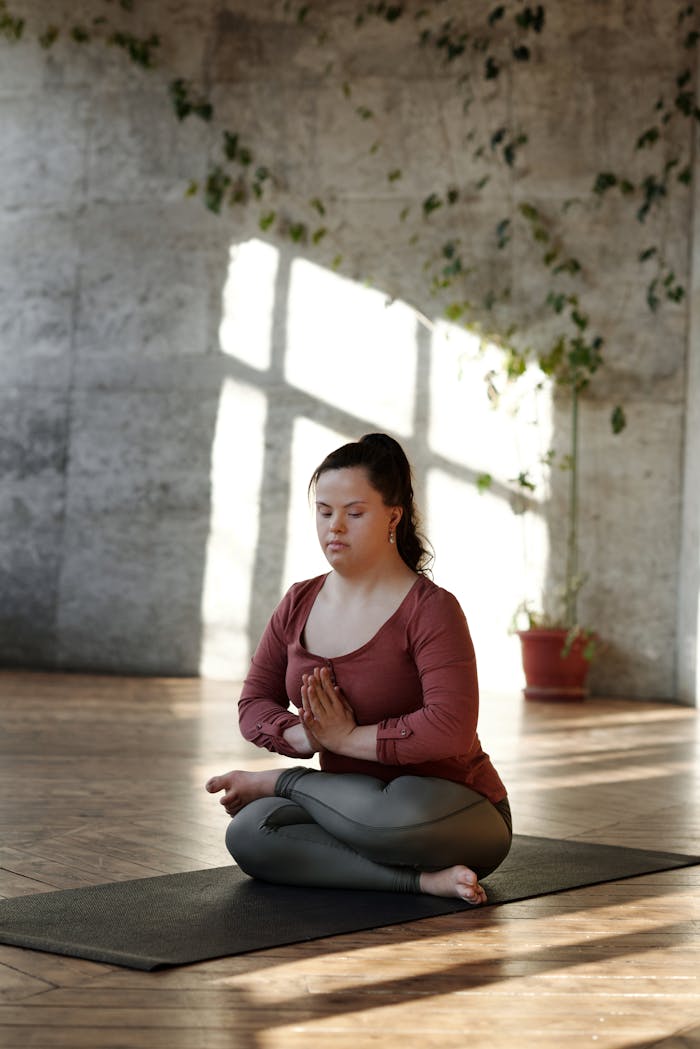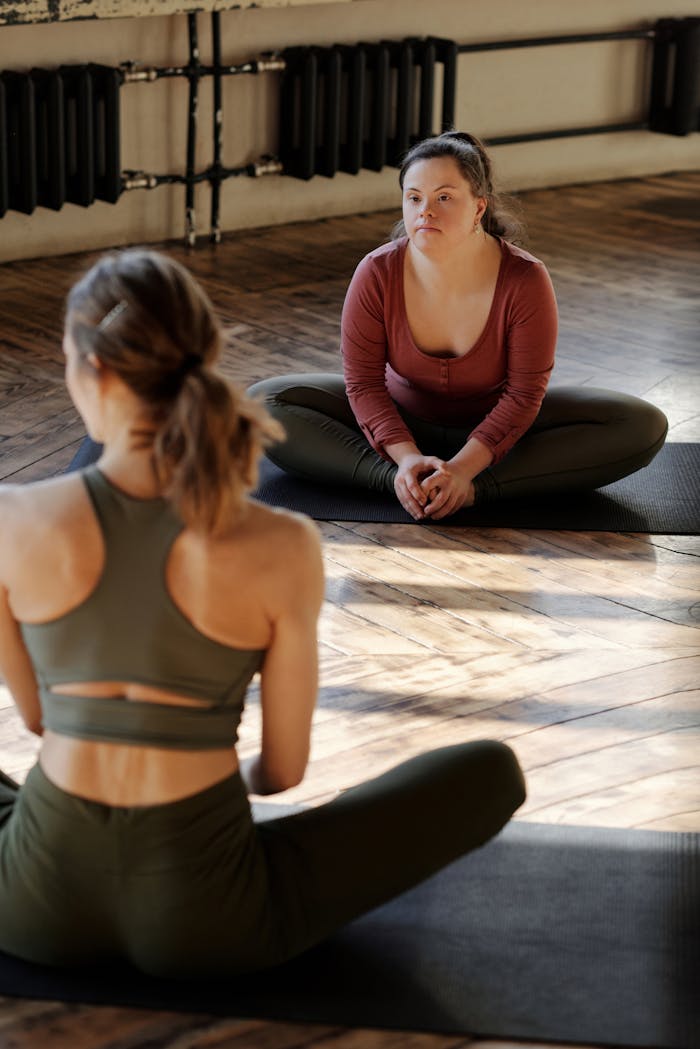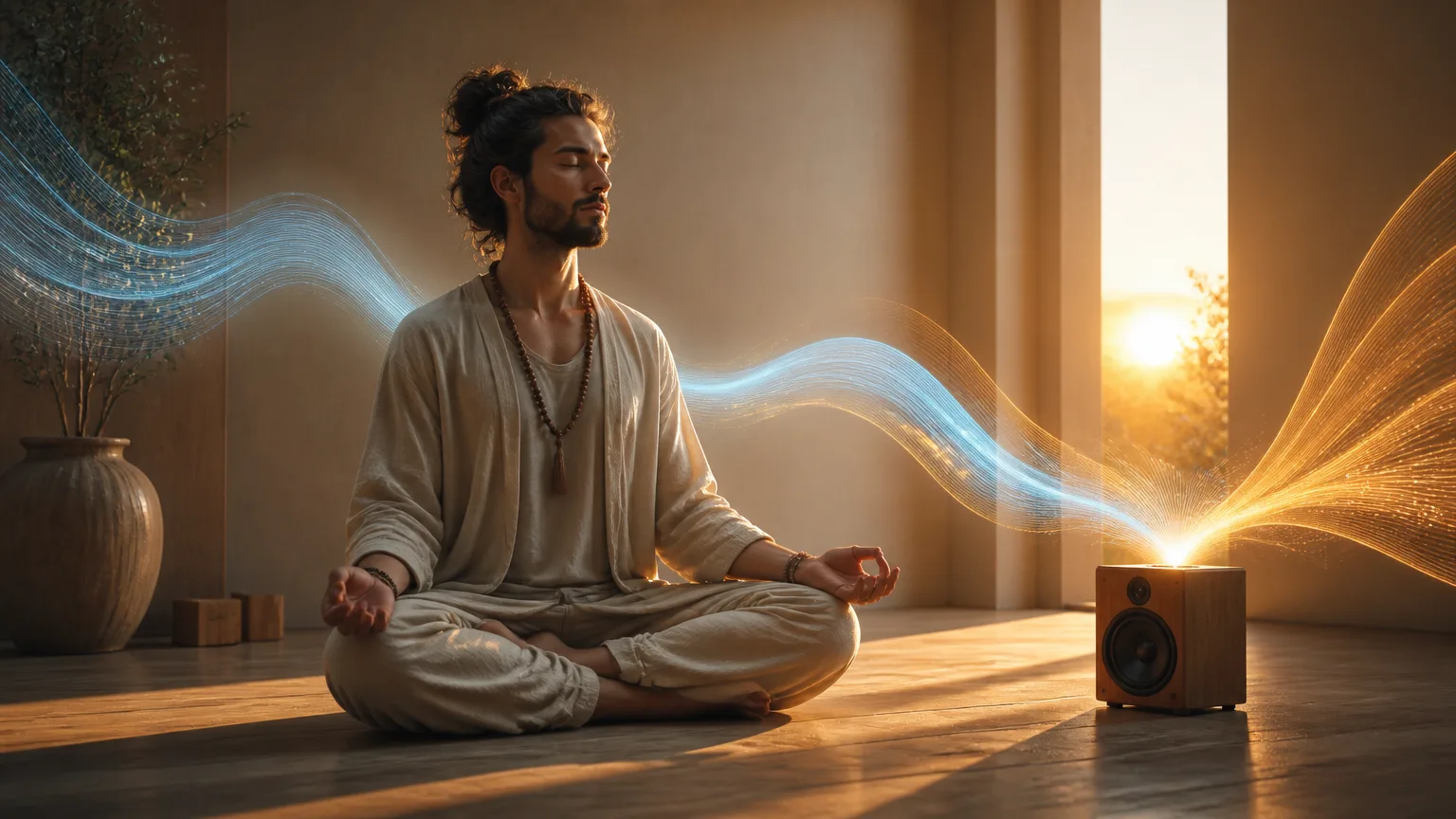
Yoga music can do more than fill a quiet room. The right sounds can shape your pace, steady your breath, deepen your focus, and bring emotional texture to each movement. A gentle melody may soften a restorative practice, while a rhythmic beat can add energy to an active flow.
Still, choosing music for yoga is not as simple as finding a collection of relaxing songs. The best playlist reflects your intention, style, energy level, and environment. A morning practice may call for bright, spacious sounds, while an evening session may feel better with slower, grounding tones. Your personal response matters, too.
In this guide, you’ll learn how to build intentional playlists for different moments on the mat. We’ll explore ways to match sound with warm-ups, active sequences, restorative poses, meditation, and savasana. You’ll also discover how volume, lyrics, tempo, and transitions can support a more connected experience.
Think of music as a supportive tool, not a requirement. Some practices need a gentle musical backdrop, while others become more meaningful in silence. Listening inward is part of yoga, and silence may be the most nourishing choice for your body and mind.
Whether you practice at home, teach a class, or want to create a more welcoming space through Joyous Yoga, thoughtful sound can help shape the atmosphere. With a little intention, your playlist can meet you where you are and support where you hope to go.
Why Music Matters in a Yoga Practice
Sound can gently guide the way you move, breathe, and focus. The right yoga music does more than fill a quiet room. It can create a steady atmosphere that helps you settle into your body and connect with the present moment.
Tempo often works as a natural pacing cue. Slower music may encourage longer breaths, spacious movement, and steadier transitions between poses. This can feel especially supportive during restorative yoga, yin yoga, meditation, or a calming morning practice.
Moderate rhythms can support flowing sequences. A consistent beat may help you move smoothly through sun salutations, standing poses, and gentle vinyasa. When the rhythm feels predictable, it can help your breath and movement find a comfortable pattern together.
Still, faster is not always more energizing in a helpful way. A song with a quick or uneven beat may encourage you to rush, even when your body needs patience. Notice whether the tempo supports your intention or pulls you away from it.
Different types of sound also create different attentional demands. Instrumental tracks often provide structure without asking you to follow words. They can support concentration during movement, especially when you want the breath and physical sensations to remain central.
Ambient soundscapes create a softer backdrop. Gentle rain, ocean sounds, singing bowls, or spacious electronic tones may help quiet mental chatter. These sounds can be useful for breathwork, meditation, savasana, or any practice that invites stillness.
Chanting brings another kind of focus. Repeated mantras or sacred sounds can anchor attention through rhythm and vibration. If chanting feels meaningful to you, it may deepen a sense of connection and community. Choose sounds that align with your beliefs and feel respectful to your practice.
Lyrical music can be joyful and emotionally encouraging, but words also ask your mind to listen. You may begin anticipating the next lyric, beat, or chorus instead of noticing your breath. That does not make lyrical music wrong; it simply makes it a more active choice.
As you build a playlist, pause and observe your response to each track. Does it help you feel grounded, present, and receptive? Or do you find yourself waiting for the next musical moment?
Music supports awareness when it stays gently in the background. It becomes a distraction when it competes with your inner experience. Let your practice guide the choice, and allow your playlist to change as your needs change.
Start With the Practice: Matching Music to Yoga Style and Intention
Before choosing yoga music, ask what you want your practice to support. Are you hoping to feel energized, release tension, improve concentration, cultivate self-compassion, or prepare for sleep? Your answer creates a helpful starting point, so each song has a purpose instead of simply filling the silence.
The style of yoga matters, too. Understanding how a class moves between effort, stillness, and rest can help you choose a fitting soundscape. If you are new to the differences, this guide to St Marks Yoga offers useful context on class formats and beginner considerations.
For movement-focused practices, select music that supports steady momentum without rushing your breath. Vinyasa often pairs well with flowing rhythms and gradual changes in energy. Power yoga may welcome stronger beats or uplifting instrumental tracks, especially when your intention is to feel confident and energized. Keep the volume supportive, rather than so intense that it pulls attention away from alignment.
Hatha yoga usually benefits from balanced, spacious music. Look for gentle melodies that leave room for pauses, transitions, and mindful breathing. If you are practicing to release tension, choose sounds that soften gradually, helping your shoulders, jaw, and belly relax as the session unfolds.
Slower practices call for more spacious choices. Yin and restorative yoga often suit ambient tones, nature sounds, or minimal instrumental music. These styles include longer periods of stillness, so avoid dramatic changes that might interrupt reflection. For cultivating self-compassion, warm and tender sounds can create a reassuring emotional atmosphere.
A prenatal or chair practice may include careful transitions, repeated movements, and additional rest. Choose calm, steady music that supports comfort and clear awareness. Music with a predictable structure can help you stay present without feeling hurried.
Meditation-focused yoga may need almost no music at all. A quiet drone, soft singing bowl, or subtle natural sound can support concentration without becoming the object of attention. For an evening practice, slow tempos and gentle textures can help your nervous system settle and prepare for sleep.
These are invitations, not rigid rules. A bright acoustic song might help one person relax, while another finds it distracting. Notice how your body responds, then adjust the playlist to support your unique path.
Choose the Right Sound for Each Part of the Session
A well-designed playlist follows the arc of your practice. Instead of choosing beautiful songs at random, imagine guiding your energy from arrival to stillness. Each phase can have its own character while still feeling connected to the next.
-
Centering: Begin with spacious, gentle sounds. Soft ambient tones, quiet piano, nature sounds, or lyric-free music can help you arrive. Keep the volume low and allow pauses between phrases, giving your breath room to lead.
-
Warm-up: As you begin moving, introduce a steady pulse. Acoustic instruments, mellow percussion, and simple melodies can support cat-cow, gentle sun salutations, and mobility work. Choose music with a slightly clearer tempo, but avoid a sudden jump in intensity.
-
Active flow: Let the rhythm become more consistent as your movement gains momentum. Yoga music with moderate percussion or flowing instrumental layers can encourage focus without rushing you. Songs with lyrics may work here, provided they do not pull your attention away from breath and alignment.
-
Peak or standing work: This is often the most energized part of practice. Choose tracks with stronger rhythm, fuller instrumentation, or uplifting lyrical themes. Build toward this moment gradually through tempo and volume, rather than switching abruptly to the loudest song.
-
Cooldown: After your peak, begin softening the sound. Lower the volume, slow the tempo, and move toward warmer, simpler instrumentation. Gentle guitar, spacious strings, or quiet vocals can accompany forward folds, hip openers, and restorative shapes.
-
Final relaxation: Savasana usually benefits from minimal sound. Long tones, subtle ambient textures, or lyric-free music can support relaxation without asking the mind to follow a story. Silence may be the most nourishing choice, especially after a thoughtfully paced practice.
Think of each transition as a bridge. You might repeat an artist, instrument, or musical texture across two phases, then gradually change one element at a time. For example, a steady beat can become softer before disappearing, while piano replaces percussion during cooldown.
Pay attention to volume as carefully as tempo. A track may feel peaceful through headphones but overwhelming in a quiet room. Test your playlist in the space where you practice, and leave enough room for breath, teacher cues, and the natural pauses that make the session feel whole.
Build Playlists Around Tempo, Lyrics, and Emotional Tone
Once you have considered volume and sound quality, look more closely at each song. The right yoga music should support your practice without asking for constant attention. Tempo, lyrics, and emotional tone can help you decide where each track belongs.
Tempo offers a flexible guide rather than a strict formula. Slow, spacious tracks with gentle transitions can support grounding, breathwork, restorative poses, or a quiet opening. Their wider spaces give your nervous system room to settle.
Steady mid-tempo music often works well during flowing sequences. A consistent beat can help you connect movement with breath without forcing you to rush. For stronger or more energizing practices, brighter rhythms may encourage warmth, confidence, and momentum.
Listen for how a song feels in your body, not only how fast it sounds. Does the beat help you move smoothly, or does it make you hurry? If a track creates tension, place it later in the playlist, replace it, or save it for a different kind of practice.
Lyrics require a similarly personal approach. Instrumental music may be helpful when you are learning a new sequence, practicing balance, or focusing closely on breath and alignment. Without words to follow, your attention can remain more easily connected to physical sensations.
Lyrics can add warmth and meaning when the language feels supportive. Familiar songs may help you feel grounded, while unfamiliar words can pull your mind toward interpretation. Consider the song’s emotional associations, too: a beautiful track may still feel unsuitable if it brings up sadness, excitement, or memories that compete with your practice.
Meaningful words can also inspire movement or reflection when chosen thoughtfully. For some listeners, exploring yoga lyrics by Janelle Monáe may bring a sense of creativity and connection. Others may find the message too engaging during meditation or challenging poses.
Try arranging songs according to the emotional journey of your practice:
- Begin with spacious, calming tracks.
- Move into steady music for warming and flowing.
- Add brighter rhythms for active sections.
- Return to softer, simpler sounds for stretching and rest.
Notice whether the playlist’s emotional arc feels natural. Your music can help you arrive, explore, and release, while still leaving space for your breath and inner awareness.
Create Playlists for Specific Practices and Moods
Once you understand how tempo, texture, and volume affect your attention, you can shape playlists for specific practices. Think of each playlist as a gentle arc. It can help you arrive, move with intention, and settle into stillness.
Energizing Morning Flow
Begin with warm, spacious sounds that help you wake up without rushing. Gradually introduce a clearer beat as you move through sun salutations, standing poses, or balance work. Toward the end, lower the intensity with softer tracks for stretching and savasana.
Focused Midday Practice
A midday playlist can support concentration during a short reset between tasks. Start with steady, uncluttered music that helps you transition away from work. Choose a consistent middle section for mindful movement, then finish with quieter sounds that prepare you to return to your day feeling refreshed.
Evening Stress Release
For an evening session, let the playlist move from busy to spacious. Begin with calm, grounding music as you release tension through gentle flows and longer exhales. Slowly reduce the rhythm during forward folds, hip openers, and relaxation so your nervous system receives a clear invitation to soften.
Yin or Restorative Yoga
Yin and restorative practices often benefit from a very simple soundscape. Choose slow, spacious tracks with minimal changes, allowing your attention to remain with sensation and breath. Since poses may last several minutes, avoid sudden shifts that could pull you out of stillness.
Meditation
Meditation playlists can be especially minimal. You might choose quiet ambient sounds, nature recordings, or music with a single steady quality. Leave enough silence between tracks, or select one uninterrupted piece, so you are not anticipating what comes next.
Your playlist should also reflect your body’s needs. Older adults, beginners, and anyone practicing for mobility or relaxation may prefer slower transitions, lighter textures, and more space between musical changes. For example, a supported chair practice may need music that encourages ease rather than intensity. Explore these free chair yoga for seniors as one example of adapting movement to individual needs.
Name playlists by their purpose and mood, such as “Grounded Morning,” “Focused Reset,” or “Soft Landing.” After practicing, notice which tracks genuinely support your breathing and attention. Remove anything distracting, reorder songs when needed, and let your yoga music evolve alongside your practice.
Make the Listening Experience Supportive, Inclusive, and Safe
A thoughtful yoga music playlist should support awareness without taking over the room. Keep the volume low enough to hear your breath, verbal instruction, and the signals from your body. In group settings, leave space for environmental cues, such as another student moving nearby or a teacher offering guidance.
Test the sound in the actual practice space. Music that feels gentle through headphones may sound intense through a speaker. Place speakers where the sound spreads evenly, rather than pointing directly at one person, and avoid turning up the volume to fill every quiet moment.
Shared practice also calls for consent and flexibility. Students may have different sensory sensitivities, cultural associations, and musical preferences. If you are teaching, invite feedback when possible, offer quiet as an option, and choose music that supports the class without demanding everyone respond to it in the same way.
Lyrics deserve consideration, too. Words about grief, romance, violence, or celebration can affect students in unexpected ways. Use explicit-content filters when available, and preview unfamiliar tracks before class. Instrumental music is not always neutral, but it can reduce distractions when language might pull attention away from practice.
Chants, devotional music, and culturally specific sounds deserve particular care. Learn about their origins and meaning before including them. Avoid treating sacred sounds as decorative background or assuming they carry the same significance for every listener. When appropriate, share brief context and make participation optional.
A few practical checks can protect the atmosphere you have created. Download your playlist in advance, especially when teaching in a space with unreliable internet. Check crossfade settings so transitions feel smooth, but avoid overlaps that make lyrics or chants difficult to understand.
Silence notifications, enable do-not-disturb mode, and charge your device before practice begins. Keep a backup playlist, a second device, or a few downloaded tracks nearby in case an app logs out or a speaker fails. For a shared class, know how to pause the music quickly if someone needs clear instruction or support.
These details may seem small, but they help music remain caring and responsive. The best yoga music leaves room for breath, choice, and connection, allowing each person to follow their own path through practice.
Frequently Asked Questions About Yoga Music
Should yoga be practiced with music or in silence?
Both approaches can support a meaningful practice. Silence may help you notice your breath, body sensations, and inner responses more clearly. Yoga music can create warmth, rhythm, and focus, especially during home practice or flowing sequences.
Let your intention guide you. Choose silence when you need quiet awareness, and add music when sound helps you feel present and supported. You can also begin with music and lower the volume or pause it as your practice deepens.
What types of music work best for yoga?
Look for music that matches the energy and purpose of your session. Gentle acoustic sounds, soft electronic textures, classical pieces, world music, and nature-inspired tracks can all work well.
Instrumental music is not always necessary, but lyrics may draw your attention away from your breath. If you enjoy songs with words, choose familiar, calming tracks with lyrics that do not encourage you to sing along or follow a story too closely. Personal experimentation matters most.
How long should a yoga playlist be?
Build a playlist that covers your full practice, including arrival and final rest. For a typical 45- to 60-minute session, around 10 to 15 songs may be enough, depending on their length.
Add one or two extra tracks if you prefer flexibility. A little space prevents the playlist from ending before savasana and allows you to adjust your practice without rushing.
Is upbeat music appropriate for yoga?
Upbeat music can suit sun salutations, standing flows, or an energizing morning practice. The key is keeping the rhythm supportive rather than letting it set an unsafe pace.
Choose songs with a steady beat, and let your breath lead your movement. If the music makes you hurry, shorten the range of motion, lower the volume, or switch to a slower track. Your body’s signals always come first.
What music works best for meditation or savasana?
Silence is often the simplest choice for meditation and savasana. It leaves room for subtle sensations, natural breathing, and quiet awareness.
If complete silence feels distracting, try soft nature sounds or a very minimal ambient track. Avoid dramatic changes, strong percussion, and noticeable melodies. The ideal sound gently supports release without asking for your attention.
Let Your Playlist Serve the Practice
The most meaningful yoga music is not necessarily sophisticated, trendy, or tied to one genre. It is the music that supports your breath, movement, focus, and rest. Begin by identifying your session’s intention, whether you want to feel energized, grounded, open, reflective, or ready for sleep.
Then, shape the playlist around the practice’s natural phases. Choose welcoming sounds for arrival, supportive rhythms for active movement, and softer textures for stretching and savasana. Leave enough space for breath, teacher guidance, transitions, and the quiet awareness that helps practice feel complete.
Before settling on a playlist, test it in the room where you practice. Notice how the volume, transitions, lyrics, and emotional tone affect your body. Do you breathe more freely, or do you wait for the next song? Let your embodied experience guide you, and remove or reorder anything that pulls attention away from the present moment.
Over time, create a small library of purpose-based playlists, such as “Grounded Morning,” “Focused Reset,” “Heart-Opening Flow,” or “Soft Landing.” You might even choose music that complements practices like these yoga poses for the solar plexus chakra. Revisit your playlists often, because your energy, needs, and practice will continue to evolve.
Most importantly, remember that sound is one tool within a larger journey toward holistic well-being. Use it intentionally, but remain willing to choose silence when silence better supports your awareness. The right soundtrack does not demand your attention. It helps you stay present, connected, and gently engaged with the practice unfolding within you.