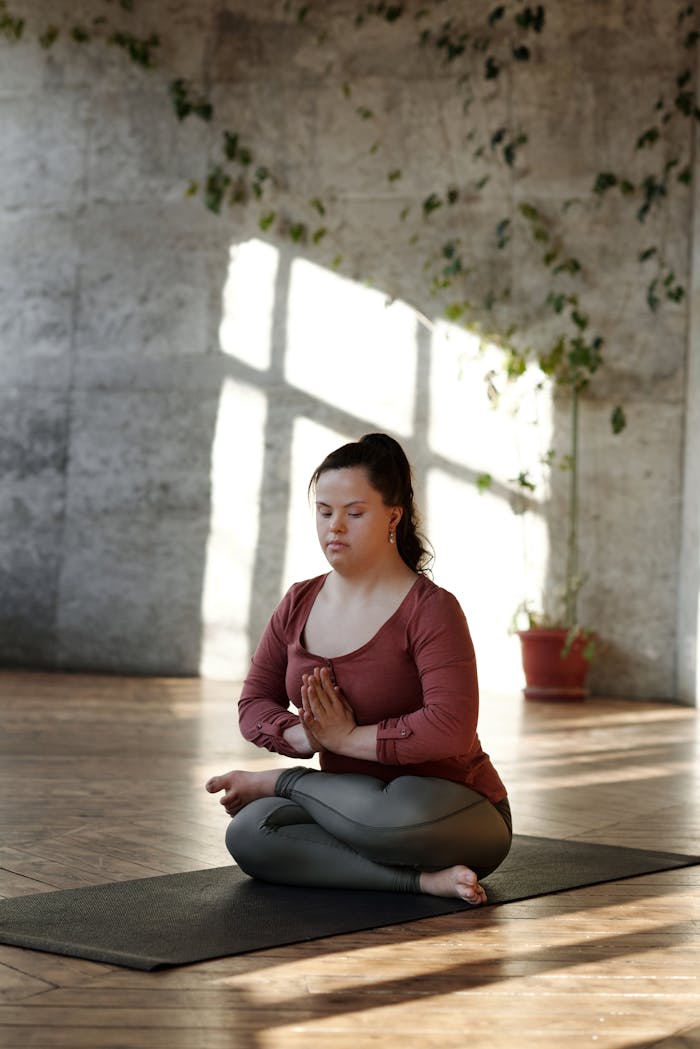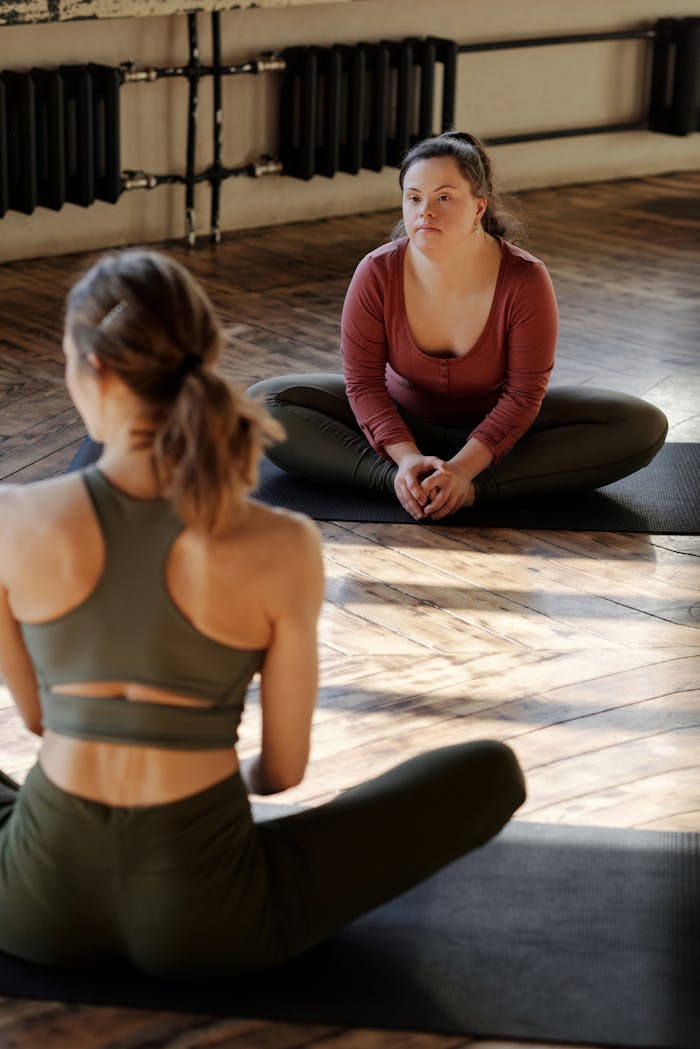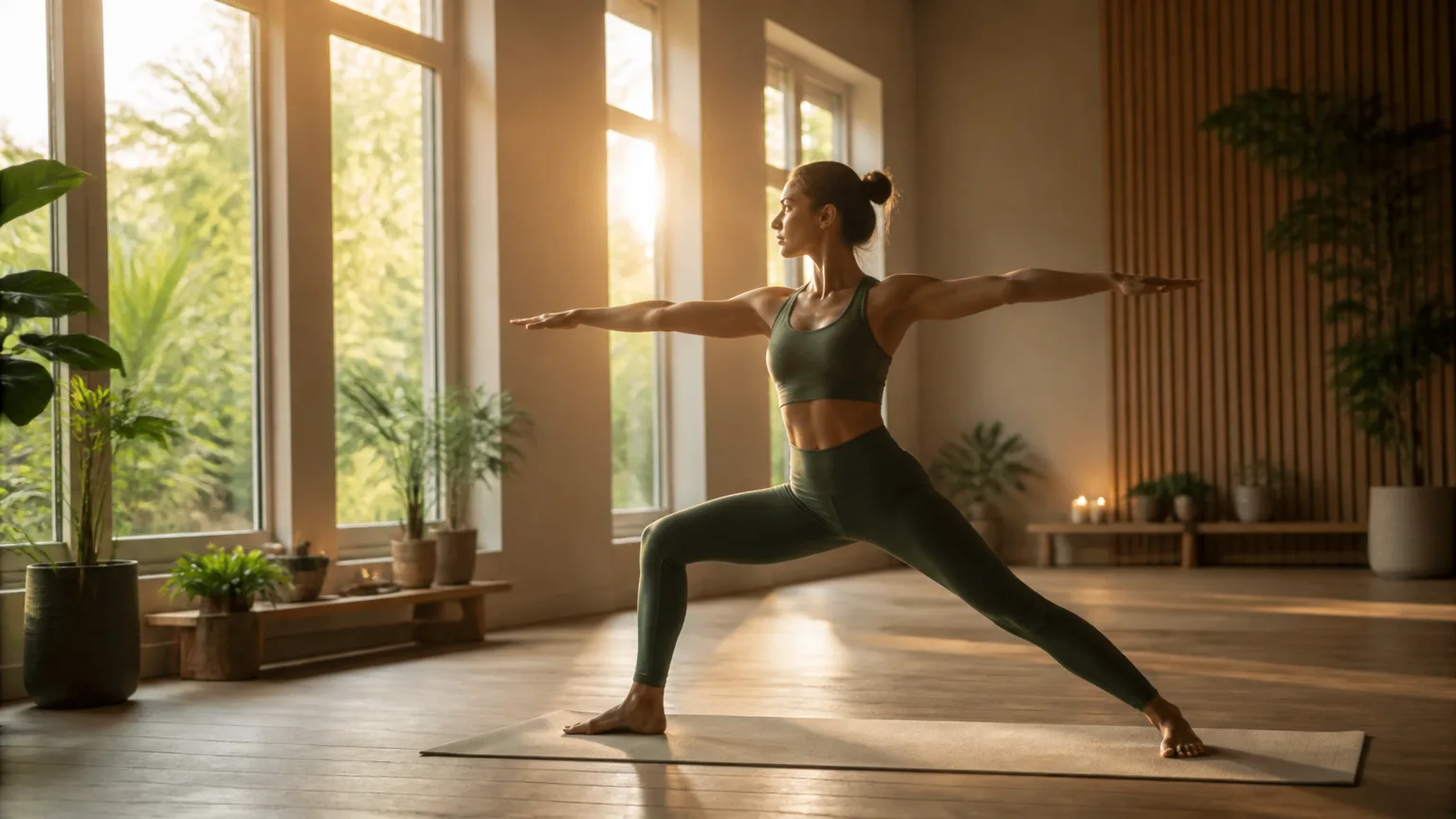
Black Swan Yoga Anderson may be a welcoming option for anyone seeking movement, mindfulness, and community in one studio setting. Whether you are new to yoga or have an established practice, the right class can support your goals in different ways. This guide offers a closer look at what to know before visiting.
Some sessions may emphasize strength, mobility, and physical challenge. Others may create space for restoration, stress relief, or mindful balance—similar to the complementary energies explored through sun and moon yoga. Understanding that distinction can help you choose a class that fits your needs that day.
We’ll also explore class formats, studio amenities, booking details, and ways to decide whether this location suits your wellness journey. Schedules, pricing, instructors, and amenities can change, so confirm current information through Black Swan Yoga Anderson’s official channels before attending.
What to Expect From Classes at Black Swan Yoga Anderson
The class menu at Black Swan Yoga Anderson may include heated and non-heated options, along with flow-based, restorative, and slower practices. Rather than choosing by name alone, read each class description carefully. Details about intensity, temperature, duration, and experience level can shape your visit.
Vinyasa-style classes often connect movement with breath through continuous sequencing. They may build strength, balance, coordination, and focus while moving at a steady pace. Slower classes may center on mobility, recovery, mindful stretching, and nervous-system regulation. Restorative options can offer a quieter space to soften, pause, and reconnect.
Heat, music, teaching style, and class length can significantly change the experience. A heated flow may feel energizing and physically demanding, while a non-heated mobility class may better support recovery. Check the current schedule and arrive prepared with water, comfortable clothing, and any equipment the studio recommends.
New students do not need to have a perfect practice. If you have an injury, are pregnant, or have other limitations or concerns, introduce yourself to the instructor before class. They can suggest modifications and help you move with greater confidence and care.
It can also help to think about your current energy. Choose an invigorating class when you want to build momentum, or a calming practice when your body and mind need restoration. Exploring the eight limbs of yoga can also deepen your understanding of yoga beyond physical poses, supporting a more balanced wellness journey.
Choosing the Right Anderson Class for Your Goals
Choosing a class at Black Swan Yoga Anderson becomes easier when you begin with your personal wellness goals. Think about what you want to feel after practice: energized, steady, relaxed, confident, or gently supported.
For strength and stamina, look for appropriately paced flow classes. Repeated transitions and weight-bearing poses can build endurance over time. However, intensity is personal and may vary by instructor, class format, and your own energy that day. Start at a manageable pace, then modify as needed.
If balance and body awareness are priorities, choose sessions that include standing poses, mindful transitions, and focused breathing. These practices can support coordination and concentration without requiring advanced poses. Moving slowly and noticing how your feet, hips, and shoulders align can be just as valuable as holding a challenging shape.
For stress management, slower movement, breathwork, meditation, and final relaxation can all be helpful. Even a physically demanding class may feel calming when it encourages steady breathing and present-moment awareness. If you are new to yoga, restorative or slower-paced options can offer a welcoming place to begin.
Those seeking greater core engagement and personal confidence may enjoy exploring yoga poses for solar plexus chakra. Keep the focus practical: poses that engage the center, such as plank variations or boat pose, can invite strength and self-trust. Choose accessible modifications, and remember that confidence grows through consistent, patient practice.
When uncertain, ask the studio or instructor about class pacing and modifications. Your best starting point is the session that meets your current needs and leaves room to grow.
Studio Amenities and the Overall Experience
A smooth visit to Black Swan Yoga Anderson begins before class. Check the current schedule, arrival instructions, and parking options through the studio’s official channels. If you are new, ask how check-in works and whether arriving early is recommended.
Before packing your bag, confirm what the studio provides. Mat and prop availability can vary, as can towel rental, water access, showers, and changing areas. You may want to bring a mat, towel, and water until you know what is available. It is also helpful to ask about accessible entrances, restroom access, and any accommodations you may need.
Comfort during practice depends on more than equipment. Ask whether the room is heated, how warm it typically feels, and what clothing is most practical. Music, lighting, room temperature, and class size can shape the atmosphere, especially during your first visit. A welcoming teacher who offers clear cues and approachable modifications can also make the practice feel more supportive.
If you are curious about specialty formats, such as aerial yoga, check the Anderson schedule rather than assuming every Black Swan location offers the same classes. Aerial practice requires specific equipment and instruction, so availability may differ by studio.
The community often becomes part of the experience, too. Friendly interactions, respectful shared space, and teacher connection can help you feel grounded from check-in through savasana. Before visiting black swan yoga anderson, confirm current amenities, accessibility details, and departure logistics so leaving feels as easy as arriving.
What First-Time Visitors Should Know Before Class
A little preparation can make your first visit to Black Swan Yoga Anderson feel welcoming and unrushed. Book your class through the studio’s current scheduling platform, then arrive early enough to complete check-in, settle into the room, speak with the instructor, and choose a comfortable spot.
Wear lightweight, breathable clothing that allows easy movement. Bring water, and avoid eating a heavy meal immediately before practice. Pack your own mat, or confirm rental policies ahead of time so you know what to expect when you arrive.
If you are new to yoga, let the instructor know before class begins. You can ask about pacing, alignment, or modifications, whether you are preparing for a standing balance or exploring half moon pose yoga. You never need to match the room or attempt an advanced transition before you feel ready.
Rest is always a valid part of practice. Child’s pose, a comfortable seated position, or another gentle shape can help you reconnect with your breath. Prioritize safe alignment and steady breathing over depth, speed, or comparison.
Heated classes may feel more intense than expected, especially during your first visit. If you notice dizziness, pain, or nausea, pause, cool down, and seek guidance from the instructor. After class, hydrate, move gently, and give yourself time to notice how your body feels before rushing into the rest of your day.
Pricing, Scheduling, and How to Decide if It’s a Good Fit
Before committing, compare the current drop-in rate, introductory promotion, class packs, and membership terms. Check expiration dates, auto-renewal language, cancellation rules, and booking windows. These details can shape the real value of an offer, and policies may change.
A drop-in can be useful for exploring black swan yoga anderson without a long-term commitment. If you plan to attend regularly, calculate how often you are likely to practice each week. A membership may make sense for frequent visits, while a class pack can offer more flexibility.
Try more than one class before forming an opinion. A fast-paced flow and a slower, more restorative session can create very different impressions of the same studio. Visiting different instructors may also help you find teaching styles that feel clear, encouraging, and aligned with your goals.
Beginners can look for classes that welcome modifications and offer time to learn foundational movements. Regular practitioners may prioritize challenging sequences, varied formats, or opportunities to deepen their practice. If you are returning after a break, choose a pace that supports rebuilding strength without pressure.
Yoga can also support mindfulness, breath awareness, and emotional balance alongside physical exercise. Notice whether the studio encourages that fuller experience, especially if you want more than an intense workout.
Finally, consider practical comfort. Does the schedule fit your mornings, evenings, or weekends? Is the commute manageable, and does the environment feel welcoming? A convenient routine and a supportive community often matter as much as class intensity when building sustainable wellness habits.
Is Black Swan Yoga Anderson Worth Trying?
Black Swan Yoga Anderson may be worth exploring if you want structured movement, mindful practice, and a supportive studio atmosphere. A range of class formats can offer accessible entry points for beginners, varied levels of challenge, and opportunities to build a consistent wellness routine.
It may suit you especially well if you enjoy community-oriented spaces, instructor guidance, or practices that help you reconnect with your breath and body. However, compare current formats and policies first if you prefer unheated classes, highly individualized instruction, or especially quiet sessions.
Use the schedule as your decision guide. Choose a class that matches your experience, energy, and comfort level rather than chasing the most demanding option. Before booking, verify Anderson-specific details, including times, pricing, amenities, instructor information, and arrival requirements.
For your first visit, arrive prepared with water and comfortable clothing, and allow time to settle in. Treat the experience as an opportunity to explore—not perform—and notice how the practice and community feel for you.