CRZ Yoga is a specific yoga class offering or studio-based approach, rather than a separate ancient yoga tradition. When people search for “crz yoga,” they may be exploring a modern program that blends mindful movement with physical postures, breathwork, and relaxation. It is also worth distinguishing this offering from similarly named fitness, apparel, or lifestyle brands.
For many beginners, the appeal is practical and personal. CRZ Yoga may support greater balance, mobility, body awareness, and stress relief without treating wellness as a race. Instead, the practice encourages you to notice how you feel, move with care, and build habits that can fit sustainably into everyday life.
As you explore, keep in mind that CRZ Yoga can look different from one studio or instructor to another. Class names, pacing, music, and the balance between postures, breathing exercises, and mindfulness may vary. One class might feel gentle and grounding, while another offers a more active flow.
That flexibility can make the experience welcoming, especially if you are new to yoga or returning after time away. You do not need to be flexible, experienced, or perfectly calm before you begin. A supportive class meets you where you are and invites gradual progress.
In this guide, we will clarify what to expect from CRZ Yoga classes, explore the ideas behind its approach, and share simple tips for preparing as a beginner. If you are still weighing your options, learning how yoga compares with Pilates can also help you choose a practice that feels right for your goals.
Understanding the Meaning and Approach Behind CRZ Yoga
The name “CRZ Yoga” may refer to a specific studio, program, or teaching method rather than a universally recognized yoga lineage. Unlike established traditions such as Ashtanga, Iyengar, or Kundalini, CRZ Yoga does not have one shared definition across the yoga world. Its meaning can vary depending on the organization offering it, so checking the studio’s description is a helpful first step.
In many settings, CRZ Yoga presents yoga as a balanced practice for the whole person. Classes may combine mindful movement, breath-led sequences, physical conditioning, and mental presence. In simple terms, you move with awareness, connect each movement to your breathing, and learn to stay focused on what is happening in your body.
This approach can make CRZ Yoga accessible to beginners. You may practice familiar postures, build strength through flowing sequences, and work on mobility or balance. At the same time, the class may invite you to notice tension, soften unnecessary effort, and return your attention to the present moment.
Physical conditioning is often part of the experience. A session might include core work, standing poses, controlled transitions, or longer holds that challenge your stability. These elements can support strength and endurance, but they are not meant to turn yoga into a competition. The goal is usually to develop a more connected and comfortable relationship with your body.
Breath provides another important foundation. An instructor may encourage steady breathing during movement or guide you through slower breathing exercises. This can help create rhythm, settle a busy mind, and make the practice feel more intentional. You do not need perfect breath control; simply noticing your breathing is a meaningful place to begin.
The instructor, class format, and studio culture strongly shape what a CRZ Yoga session feels like. One teacher may emphasize athletic movement, while another may offer a slower, restorative experience. Class size, music, pacing, hands-on adjustments, and the language used by the teacher can also influence your comfort and confidence.
Before attending, look for details about the class level and format. Ask whether the session is heated, fast-paced, beginner-friendly, or focused on a particular goal. If you are drawn to confidence-building practices, you might also explore solar plexus chakra yoga as a complementary option.
Finally, it is worth remembering that yoga has deep roots in Indian philosophical and spiritual traditions. Modern classes may adapt yoga for fitness and wellness, but respectful language matters. Rather than reducing yoga to a trend or promising instant transformation, approach CRZ Yoga as an opportunity to move, breathe, reflect, and learn within a supportive community.
What Happens in a Typical CRZ Yoga Class?
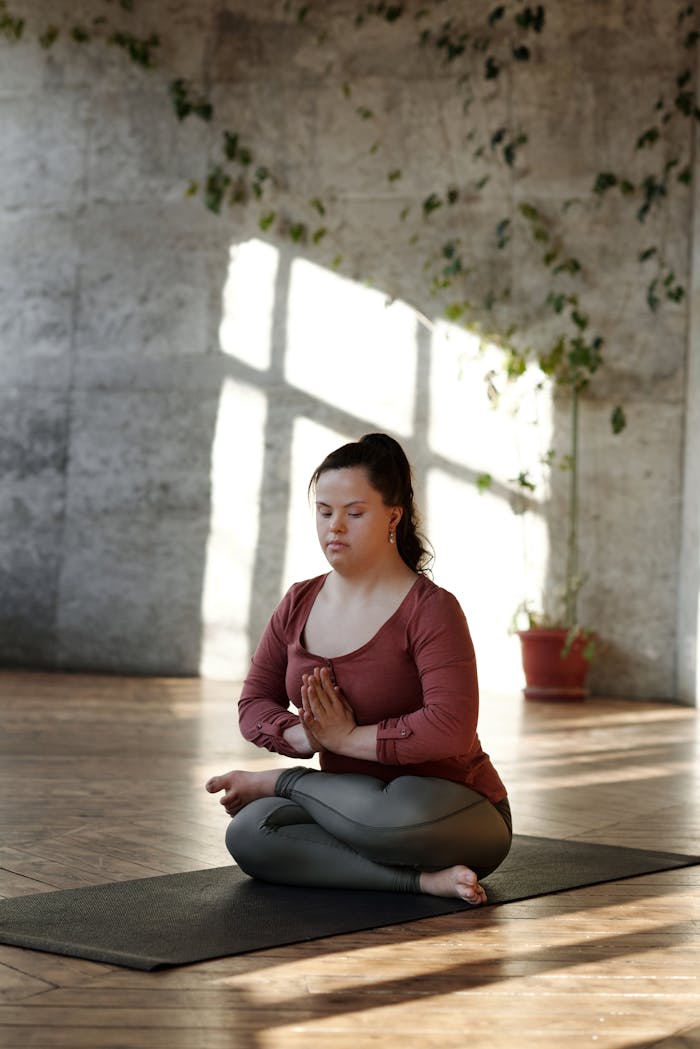
A typical CRZ Yoga class begins with a few quiet moments to help you arrive. You may place your mat, gather any props, and settle into a comfortable seated or resting position. The instructor might invite you to notice your breathing, release tension, and set a personal intention for practice.
From there, the class usually moves into gentle warm-ups. You might circle your shoulders, roll through your spine, stretch your sides, or move slowly between simple postures. These movements prepare your body while helping you connect breath with motion.
As the class develops, you may explore standing poses or flowing sequences. The instructor could guide you through transitions that build heat and awareness, such as moving between standing folds, lunges, and supported poses. Some classes may also reflect the balancing principles of sun and moon yoga by combining energizing movement with quieter, grounding moments.
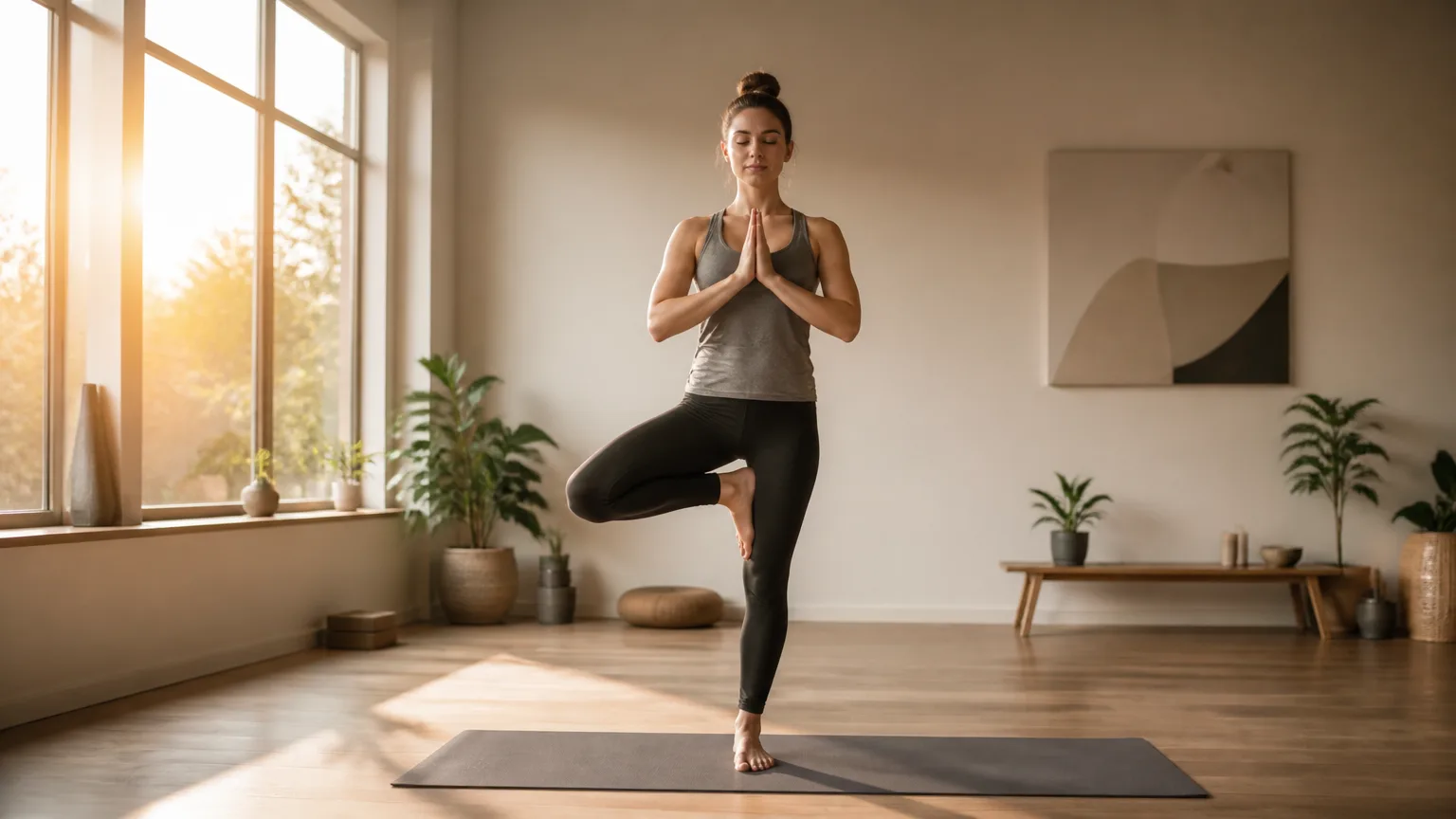
Strength and balance work may appear in the middle of class. You could practice holding a standing pose, engaging your core, or balancing with one foot supported. These exercises are not tests of flexibility or control. They are opportunities to notice your body and respond with patience.
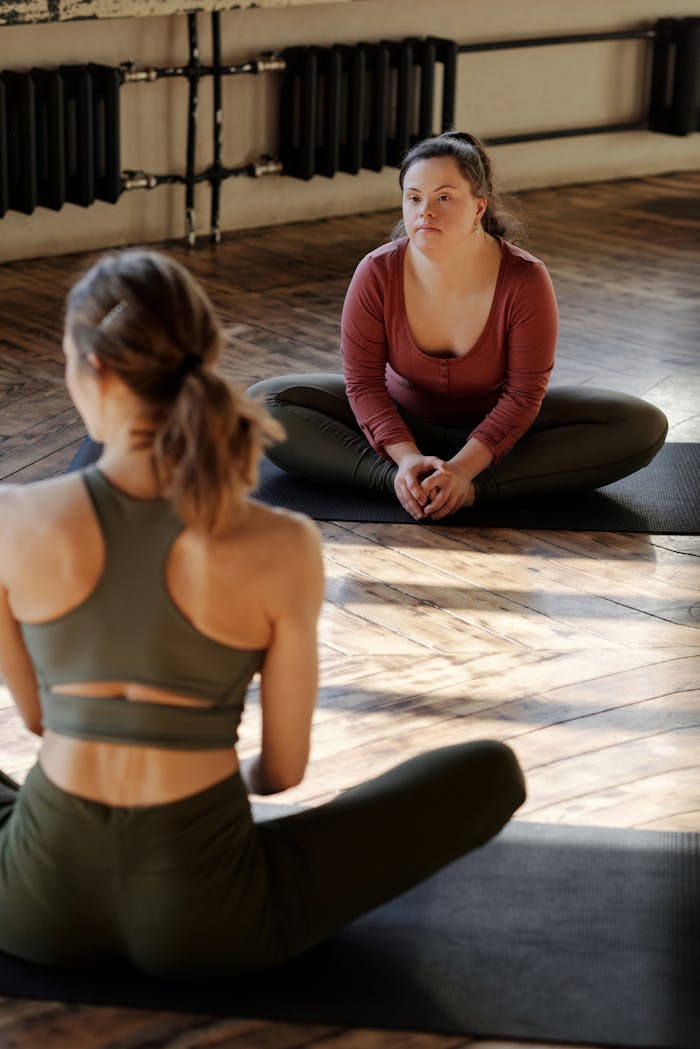
Throughout the session, instructors may offer verbal cues and demonstrate each posture. They often suggest modifications, showing how to make a pose gentler, more active, or more accessible. Blocks, straps, bolsters, blankets, and chairs can provide support, so feel free to use them whenever they help you feel steady.
Music may accompany the practice, depending on the instructor and class style. You may also hear mindfulness prompts, such as noticing sensations without judgment or returning attention to the breath. These reminders help keep the experience personal rather than performance-focused.
Not every class follows a strong movement-based format. A more active CRZ Yoga session may emphasize flowing sequences, strength, and mobility. Another class may focus on restorative postures, longer holds, meditation, or breathwork. If you prefer a slower pace, check the class description or ask the instructor before arriving.
As the class winds down, you can expect cooling stretches and gentler positions. The instructor may guide you through seated folds, hip openers, twists, or supported rest. These final movements allow your breathing and heart rate to settle.
Most classes end with relaxation, often while lying down or sitting comfortably. You may be invited to observe your breath, soften your muscles, and rest in stillness. You do not need to match the instructor or anyone else. Beginners benefit most from attentive participation, listening to their bodies, and choosing options that support their unique practice.
CRZ Yoga Classes Beginners May Encounter
CRZ Yoga class options may vary by studio, instructor, and location. Most schedules include choices for different energy levels and goals, so beginners can start with a format that feels supportive rather than intimidating.
Gentle or restorative classes are a welcoming place to begin. These sessions use slow movements, comfortable holds, and plenty of time for rest. You may use blocks, bolsters, blankets, or a wall for support. The goal is often relaxation, improved mobility, and nervous-system downshifting rather than physical challenge.
This style can suit people returning to movement, managing low energy, or looking for a low-impact introduction. You might move through simple stretches, breathe slowly, and spend several minutes resting in one position. If you are unsure where to start, ask whether the class is appropriate for your current needs.
Foundational or slow-flow classes help you learn the building blocks of yoga. The instructor may explain basic poses, alignment, breathing, and safe ways to move between positions. A “flow” simply means linking movements together with the breath, while a pose is sometimes called an asana.
These classes often pause between sequences, giving you time to notice how your body feels. You may practice standing poses, seated stretches, balance exercises, and gentle strength work. They are useful for building familiarity and confidence before trying a faster-paced class.
Active, power-oriented, or conditioning-focused sessions may include more continuous movement. You could practice repeated transitions, stronger standing positions, balance work, or exercises that raise your heart rate. Some schedules use terms such as “power,” “fitness,” or “dynamic” to describe this approach.
Higher intensity is not automatically better. A challenging class may support strength and stamina, but a gentler session may better serve recovery, mobility, stress relief, or mindful attention. Choose based on your goals and energy that day, not on pressure to keep up.
Some CRZ Yoga locations may offer specialized formats, including chair-supported, prenatal, mobility, or therapeutic classes. Chair-supported yoga adapts movements for people who prefer seated or standing support. You can explore these printable chair yoga sequences for seniors when practicing at home.
Prenatal classes may focus on comfort and changing physical needs, while mobility sessions often target joint movement and functional range. Therapeutic classes may be designed around specific concerns, though they should not replace medical care. Since offerings differ across locations, check the class description and speak with the instructor before attending.
When choosing, consider what you need most: rest, instruction, mobility, strength, or community. A beginner class should offer choices, clear guidance, and permission to pause. Your best starting point is the one that helps you feel present, capable, and willing to return.
The Potential Benefits of Practicing CRZ Yoga
With regular practice, CRZ yoga may support your well-being in several connected ways. Its slower pace and thoughtful structure can help you build physical confidence while creating space to notice how you feel. Benefits often develop gradually, especially when practice becomes a steady part of your routine.
Physically, CRZ yoga may encourage greater mobility and flexibility through controlled, comfortable movement. Repeatedly exploring poses can help you become more familiar with your range of motion. You may also develop better balance, coordination, and postural awareness as you learn to move with greater control.
Many classes include gentle strength-building work. Holding a position, transitioning slowly, or supporting your body in a new way can develop muscular endurance over time. These movements are usually adaptable, so you can choose options that meet your current ability. If standing poses feel challenging, for example, chair yoga poses that support mobility and flexibility may offer a supportive starting point.
Breathing and focused attention are also central to the experience. Slow, intentional breathing may help you pause before reacting and settle your attention on the present moment. Over time, this combination can support stress management, emotional regulation, and a stronger connection between your thoughts and physical sensations.
That mind-body connection can become useful beyond the studio. You may begin noticing when your shoulders tighten, your breathing becomes shallow, or fatigue changes the way you move. Recognizing these signals earlier can encourage healthier choices, such as taking a break, adjusting your posture, or reducing the intensity of an activity.
A consistent CRZ yoga practice may also influence everyday habits. Moving with awareness can make routine actions feel more deliberate, while time spent in class may provide a meaningful pause in a busy schedule. The shared environment can further support a sense of community, accountability, and encouragement without requiring competition.
Your results will depend on several factors, including consistency, class style, personal health, and the quality of instruction. One person may notice improved balance first, while another may value better concentration or a calmer transition into the evening. Progress can be subtle, and it does not need to look the same for everyone.
Yoga is best viewed as complementary wellness care, not a replacement for medical diagnosis or treatment. Speak with a qualified healthcare professional about any health concerns, injuries, or symptoms that affect your movement. A knowledgeable instructor can then help you adapt practices safely and choose variations that respect your needs.
How to Prepare for Your First CRZ Yoga Class
A little preparation can help you feel more comfortable in your first CRZ Yoga class. Choose clothing that feels soft and secure while allowing unrestricted movement. Breathable leggings, shorts, or relaxed trousers and a comfortable top are all suitable options.
Bring water and, if the studio requests one, a towel. Many studios provide yoga mats and basic props, such as blocks, straps, or blankets. Still, check the class details beforehand so you know what to bring. If you have a favorite mat or need a specific support, you are welcome to bring your own.
Arrive 10 to 15 minutes early when possible. This gives you time to check in, settle into the room, and ask questions before class begins. Introduce yourself to the instructor and mention any injuries, health conditions, recent surgery, pregnancy, or movement concerns. Sharing this information helps them suggest appropriate options.
You do not need to know pose names before you arrive. The instructor will demonstrate movements and offer verbal guidance throughout the class. If a direction is unclear, pause and ask for clarification rather than guessing. Most teachers appreciate questions, especially from beginners.
During practice, move within a comfortable range and avoid forcing a stretch. A pose may feel challenging, but it should not cause sharp, sudden, burning, or concerning pain. Normal effort can include warmth, steady muscle work, or a gentle stretch. If something feels wrong, come out of the position and tell the instructor.
Props can make practice more accessible, not less advanced. A block may bring the floor closer, while a strap can support limited reach. You can also rest in a child’s pose, seated position, or another comfortable shape whenever you need a pause. Breathing smoothly is often a helpful reminder to ease back from too much effort.
Feeling inflexible is one of the most common beginner worries. Yoga is not a test of flexibility, and balance may come and go as you learn. Everyone loses balance sometimes, so use a wall, chair, or nearby prop without embarrassment. Your attention and self-awareness matter more than how a pose looks.
If you are older, returning after inactivity, or managing reduced strength or mobility, ask about gentle variations. A chair-based option may provide stability, and practicing near a wall can build confidence. Start slowly, take frequent breaks, and choose the version that supports steady, safe participation. There is no need to keep pace with anyone else.
Choosing the Right CRZ Yoga Class, Teacher, and Studio
When comparing local CRZ Yoga options, begin with your personal needs rather than the most advanced schedule. Consider whether you want rest, mobility, strength, detailed instruction, or community. The right class should feel approachable and support your willingness to return.
A simple comparison can help. Look at the class level, pace, duration, room environment, group size, instructor credentials, accessibility, and stated goals. For example, a 45-minute gentle class in a quiet room may suit someone managing fatigue. A faster, longer class may appeal to someone seeking challenge and movement.
Even if you are physically fit, a beginner, gentle, or foundations class may be the best starting point. Fitness does not always equal familiarity with yoga’s breathing patterns, alignment cues, transitions, or mindful pacing. An introductory class gives you time to learn the approach without feeling pressured to keep up.
Before booking, review the studio’s policies and introductory options. Check whether the class requires advance registration, how cancellations work, and whether you can attend a trial session. A health questionnaire can also show that the studio takes individual needs seriously.
Reach out with questions when information is unclear. Ask how the instructor accommodates injuries, limited mobility, pregnancy, or anxiety around group exercise. You might also ask whether you can practice near a wall, use a chair, take breaks, or receive alternatives during floor-based movements.
The room itself can shape your experience. Notice whether classes use heat, music, dim lighting, or close spacing. If you feel nervous in crowded settings, a smaller group or quieter studio may help you stay focused. Accessibility matters too, including entrance access, restroom facilities, props, and comfortable ways to get on and off the floor.
Teacher training can deepen an instructor’s knowledge of anatomy, sequencing, breathwork, and inclusive teaching. Still, credentials are only part of the picture. Pay attention to how clearly the teacher communicates, whether they welcome different bodies and abilities, and whether they offer meaningful modifications.
A supportive teacher observes the room instead of focusing only on demonstration. They explain why an option may help, avoid pressuring students, and respect personal boundaries. During your first CRZ Yoga class, notice whether you feel informed, included, and free to choose what serves you. When a setting supports both movement and mindfulness, your practice has room to grow.
Frequently Asked Questions About CRZ Yoga
Is CRZ Yoga suitable for complete beginners?
Yes. Beginners can take part in CRZ Yoga when they choose a suitable class level and share their experience with the instructor. Look for descriptions such as “beginner,” “foundations,” “gentle,” or “all levels,” and arrive a few minutes early to ask questions.
Your first class may include unfamiliar poses, breathing exercises, or moments of stillness. You are not expected to know everything immediately. A supportive teacher will explain the basics, offer options, and encourage you to move at a comfortable pace.
Do I need to be flexible or physically fit to try CRZ Yoga?
No. Flexibility is not a prerequisite for yoga, including CRZ Yoga. The practice can meet you at your current starting point and help you develop mobility, strength, balance, or body awareness gradually.
Classes can often be adapted with props, smaller movements, seated options, or longer rest periods. Focus on steady breathing and comfortable effort rather than trying to copy the deepest version of a pose.
Is CRZ Yoga spiritual, fitness-focused, or meditation-based?
The balance depends on the specific class and teacher. Some offerings may emphasize strength and mobility, while others include breathwork, meditation, relaxation, or spiritual reflection.
Read class descriptions carefully for helpful terms. “Flow,” “strength,” or “conditioning” often suggests a more movement-focused session. “Restorative,” “yin,” “mindfulness,” or “meditation” usually signals a slower, quieter experience. If the description is unclear, contact the studio or instructor before booking.
How often should I practice CRZ Yoga to notice benefits?
Consistency matters more than intensity. For many beginners, practicing two or three times weekly provides a realistic rhythm for learning, building confidence, and noticing changes in mobility or calm.
Even a short home practice can support your progress between classes. Allow time for recovery, prioritize sleep, and include other forms of movement, such as walking or strength training. Your body benefits from variety and rest, not constant exertion.
Can I practice CRZ Yoga with an injury or health condition?
Speak with an appropriate healthcare professional before beginning or changing your practice. Yoga should not replace medical diagnosis or treatment, and it is not a way to self-treat an injury.
After receiving guidance, choose an instructor who understands relevant modifications. Tell them about your needs before class, and ask which movements to avoid or adjust. Stop if you experience sharp pain, dizziness, numbness, or worsening symptoms. A well-taught CRZ Yoga class should support informed choices, not pressure you to push through discomfort.
Is CRZ Yoga Right for You?
CRZ Yoga may be a good fit if you want a practice that brings movement, breathing, awareness, and community together. Its value lies less in mastering demanding poses and more in creating a sustainable way to care for your whole self. You may leave class feeling calmer, more connected, or simply more aware of how your body and mind feel.
If you are curious, begin with an accessible class designed for beginners or mixed levels. Set a modest goal, such as learning a breathing technique, moving comfortably for 30 minutes, or noticing when you need to pause. Judge the experience by how supported and present you feel, not by how deeply you stretch or how closely you match the instructor.
Pay attention to the class environment, too. Do you receive clear guidance and useful options? Can you rest without feeling judged? A welcoming CRZ Yoga class should respect different bodies, abilities, and experience levels while encouraging you to make informed choices.
Your practice can also grow alongside other forms of wellness. Strength training may support stability, while walking can build everyday endurance. Meditation, restful sleep, nourishing food, and unhurried time away from screens can help you maintain balance. When health concerns, injuries, or ongoing symptoms affect your movement, include qualified healthcare support in your care plan.
Before booking, verify the exact class format and instructor approach locally. CRZ Yoga offerings may vary between studios, gyms, and online programs. Ask about the pace, movement style, modifications, and what beginners should expect.
There is no single correct way to begin. Choose an option that feels approachable, listen to your body, and give yourself permission to learn gradually. With steady attention and compassionate self-care, CRZ Yoga can become one supportive part of your personal path toward holistic well-being.