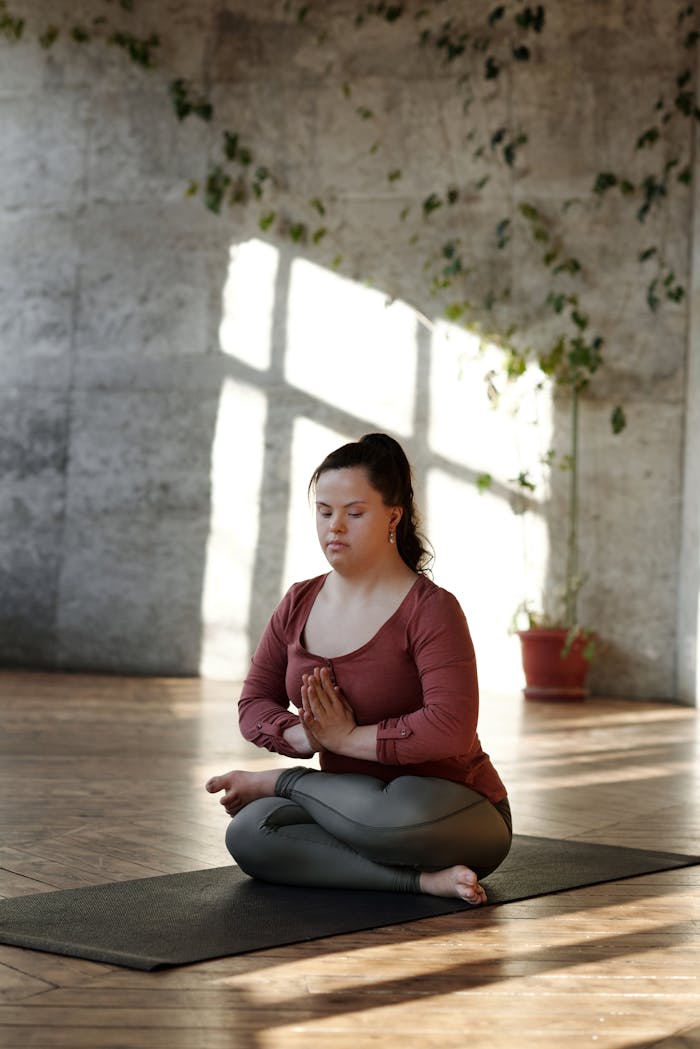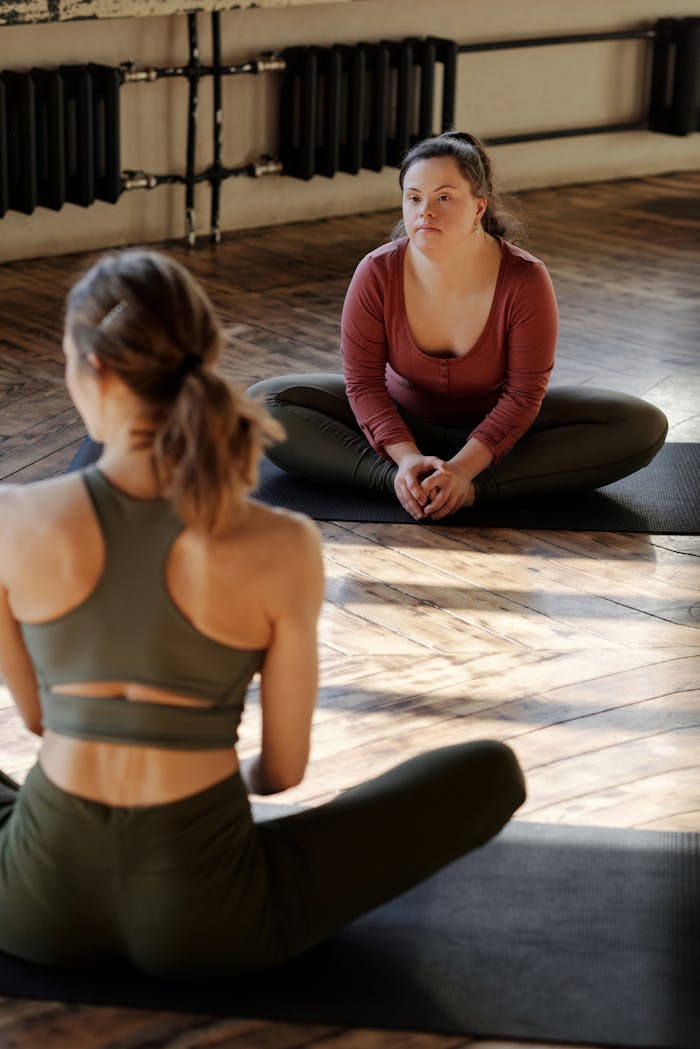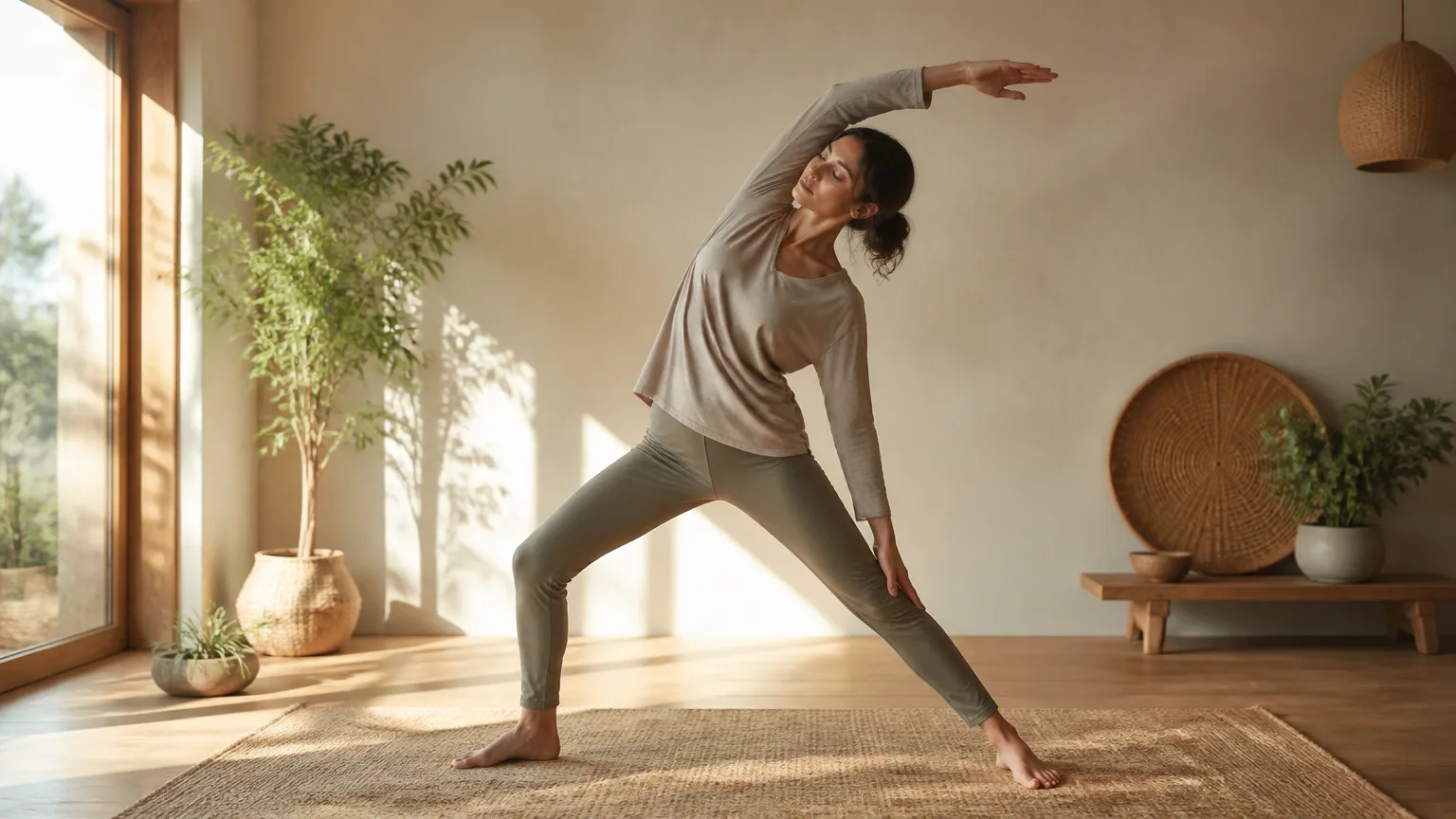
Yoga apparel can be a practical part of a mindful practice, helping you feel present rather than distracted. The right pieces support physical freedom, confidence, and comfort as you move, breathe, and settle into stillness. At Joyous Yoga, you can find inspiration for creating a practice that supports your whole well-being.
Choosing what to wear begins with your actual experience—not passing trends or one idealized body type. Consider the kind of yoga you practice, your body’s needs, your personal preferences, and the environment around you. A heated studio, a cool home practice, and an outdoor class may each call for different layers and fabrics.
This guide focuses on three simple criteria: comfort, coverage, and movement. Comfort matters when clothing stays soft and supportive through a long class or everyday wear. Coverage helps you feel secure when bending, twisting, or moving through changing poses. Movement means choosing garments that stretch, stay in place, and allow smooth transitions without constant adjustment.
These choices can gently strengthen your connection with practice. When your clothing feels dependable, you have more space to notice your breath, listen to your body, and meet yourself with patience. Whether you prefer relaxed layers, fitted designs, or a combination of both, the goal is not to dress like someone else. It is to create a sense of ease that helps you move with confidence and return to your mat feeling supported.
Start With Your Practice: Match Apparel to the Style of Yoga You Do
The best yoga apparel begins with an honest look at how you practice. Consider your class’s pace, temperature, posture demands, and the amount of time you spend moving or holding still. Clothing that feels perfect for a gentle morning session may feel restrictive, distracting, or too warm during an energetic flow.
Vinyasa, hot yoga, and power yoga usually involve frequent transitions, heat, and plenty of sweat. Choose breathable, moisture-wicking fabrics that dry quickly and stay in place as you move. A fitted top can prevent fabric from falling over your face during forward folds, while high-waisted leggings can offer coverage through lunges, twists, and inversions.
Support and construction matter during vigorous practices, too. Look for a sports bra that matches your comfort and support needs without digging into your shoulders or ribs. Flat seams can reduce chafing, and a secure waistband helps prevent constant adjustments. If you practice in a heated room, lightweight layers are often more practical than thick or highly compressive pieces.
Slower styles call for different, though equally thoughtful, choices. In yin yoga, poses may be held for several minutes, with long periods of stillness and floor contact. Soft fabrics, gentle waistbands, and flexible layers can help you stay comfortable without creating pressure points.
For restorative yoga or meditation-focused sessions, warmth and ease may become priorities. Consider a long-sleeved top, loose layer, or cozy socks if your body tends to cool while resting. Just make sure sleeves and hems do not bunch beneath props or interfere with your breathing.
Your clothing should also respond to the postures you practice most often. Frequent inversions call for secure tops and opaque fabrics, while extended seated poses may make seams, zippers, or tight waistbands more noticeable. If you spend time kneeling or lying down, check how the fabric feels against the mat and whether it allows comfortable movement.
If you enjoy several styles, build a small, versatile wardrobe instead of expecting one outfit to work everywhere. You might include:
- A breathable, fitted set for heated or fast-paced classes
- A soft, flexible outfit for yin and restorative practice
- A lightweight layer for meditation, savasana, or cooler studios
This approach keeps your choices simple while honoring what each practice asks of your body. When your clothing supports the pace, temperature, and shapes of your yoga, you can give more attention to your breath and less to readjusting your outfit.
Evaluate Fabric, Fit, and Waistbands for Lasting Comfort
The feel of yoga apparel can shape your entire practice, from the first warm-up stretch to final savasana. Start by noticing how each fabric responds to your body, breath, and studio temperature.
Breathable natural fibers, such as cotton, can feel soft and airy against the skin. However, they may absorb sweat and dry slowly during heated classes or vigorous flows. Moisture-wicking synthetics, including nylon and polyester, move perspiration away from the body and dry quickly. They are especially useful for hot yoga, active vinyasa, or practices where you tend to sweat.
Stretch blends combine structure with flexibility, often using materials such as elastane or spandex. These blends can support deep lunges and binds without losing their shape. Soft brushed fabrics add warmth and a smooth, cozy feel, making them inviting for slower practices or cooler studios. Since every body has different sensory preferences, choose the texture that helps you feel relaxed rather than distracted.
A good fit should stay close enough to move with you, but never make you feel held in place. Try bending, twisting, reaching overhead, and moving through downward-facing dog before deciding. The garment should not create digging armholes, pinching fabric, rolling waistbands, or pressure across your ribs.
Pay attention to small irritations. Rough seams, bulky stitching, and distracting tags can become more noticeable as you practice. If your skin is sensitive, look for tag-free designs, smooth finishes, or flat seams that reduce friction. These details matter even more during long classes or repeated daily wear.
The waistband deserves careful attention. A higher rise may offer reassuring coverage during forward folds, while a mid-rise design can feel less restrictive around the abdomen. Look for a waistband that lies flat and stays secure without squeezing. If it rolls, slips, or requires constant adjustment, the fit or construction may not suit your movement.
Quality construction can also include a gusseted crotch, which gives you greater range of motion and helps reduce strain in the inner thighs. Flat seams minimize chafing, while four-way stretch allows fabric to move both across and along the body. Check opacity in bright light and during bends, especially with lighter colors or thinner materials.
Your body may change with temperature, strength training, pregnancy, injury recovery, or everyday fluctuations. Adaptive needs may also call for easy closures, wider waistbands, adjustable layers, or extra room around sensitive areas. Judge comfort through lived experience, not a brand’s size label alone. Move, breathe, and notice whether the garment supports your body as it is today.
Choose the Right Coverage for Bends, Inversions, and Everyday Confidence
Coverage should help you feel secure through every shape, not just while standing still. Fabric can shift during forward folds, downward dog, lunges, twists, and inversions. Waistbands may roll, tops can ride up, and leggings may pull away from the body as you move.
Before choosing yoga apparel, try a simple movement check. Bend forward, reach your arms overhead, step into a lunge, twist gently, and hold downward dog. Notice whether your top stays tucked, your waistband remains comfortable, and your clothing continues to cover the areas you prefer.
Longer tops can offer extra coverage when your body moves upside down or reaches overhead. High-rise bottoms may feel more secure during folds and twists, while wider or gently structured waistbands can help prevent slipping. Secure hems and layered pieces, such as a fitted tank beneath a looser top, add flexibility without requiring constant adjustments.
Opacity also deserves attention. Leggings and tops may look fully opaque in a changing room but become more revealing under bright studio lights or natural sunlight. Check your clothing while bending, stretching, and moving through different poses. If possible, view the fabric from several angles and ask a trusted person for feedback.
Chest coverage and support come in many forms. A garment with built-in support may simplify your outfit, while a separate sports bra allows you to choose the fit and coverage you need. Layering a bra under a tank can provide additional comfort and modesty, especially during inversions or active flows.
Adjustable straps can help you create a more personalized fit. Consider whether you prefer gentle support, firm compression, or a balance between the two. Compression can reduce movement during vigorous practices, but too much pressure may make breathing feel restricted. Comfort should remain part of the support equation.
Your preferences may also change with the style of yoga, your body, and your surroundings. You might choose more coverage in a community class, extra support for a strong flow, or softer layers for restorative practice. There is no single correct yoga aesthetic, and coverage can be personal and culturally varied.
Use these questions as a practical guide:
- Does the waistband stay in place during folds and inversions?
- Do the leggings remain opaque in both natural and studio lighting?
- Does the top cover what you want covered when reaching or twisting?
- Does your bra provide enough support without restricting your breath?
- Can you focus on your practice without pulling, adjusting, or worrying?
The right choice is the one that helps you feel at home in your body. Secure coverage creates space for mindfulness, confidence, and connection, allowing you to move in a way that feels genuinely yours.
Prioritize Freedom of Movement and Appropriate Support
Yoga apparel should move with you, not compete for your attention. Look for enough stretch to follow your body through changing shapes, along with support that feels steady rather than restrictive. Yoga is usually low- to medium-impact, so stability matters more than intense compression.
Before committing to an outfit, try several familiar movements. Squat, reach both arms overhead, fold forward while seated, and step into a lunge. Add a gentle twist and, if appropriate for your practice, a supported inversion. Notice whether the fabric pulls, gaps, rolls, shifts, or limits your breath.
Start with the bra, since support needs can vary significantly. Low-impact practices, such as restorative yoga or meditation, may call for a soft bra or light support. Medium-impact flows often suit a supportive, flexible design, while vigorous movement may require firmer support and secure straps. Those with larger busts may appreciate wider straps, a stable band, adjustable closures, and higher coverage. The fit should reduce movement without pressing painfully into your ribs or shoulders.
Leggings should stay in place through folds, lunges, and inversions without digging into your waist. A wide, comfortable waistband can offer gentle stability, especially for fuller hips or anyone who prefers more coverage. Check that the fabric remains opaque when you squat or fold. If leggings feel restrictive, a softer knit or a slightly less compressive fit may provide greater ease.
Shorts can be a comfortable choice in warm studios, but test whether the legs ride up or the waistband shifts. Longer inseams, smooth hems, or built-in liners may help you feel more secure. Tops should allow full overhead reaches without exposing your midsection or pulling across the chest. If you need extra stability, choose a close-fitting top with room to breathe rather than a loose style that falls over your face during inversions.
Layers deserve the same attention. A wrap, cardigan, or lightweight sweatshirt should be easy to remove and comfortable during seated poses or savasana. Avoid bulky seams and closures that press into your body when lying down.
Bodies and needs change, too. Fuller hips may benefit from stretchier side panels, while mobility limitations may make pull-on styles, wider openings, or adjustable fastenings more practical. During pregnancy or postpartum recovery, prioritize soft waistbands, adaptable layers, and room around sensitive areas. Anyone seeking extra stability can look for secure closures and garments that adjust without tightening your breath.
The best yoga apparel lets you move, breathe, and focus with fewer interruptions. Choose support that meets your practice today, while leaving room for comfort and natural movement.
Build a Layering System for Temperature, Studio, and Outdoor Practice
A thoughtful layering system helps your body adjust as practice changes. You may arrive feeling cool, warm up quickly during sun salutations, and need extra coverage again during meditation or savasana.
Begin with a lightweight layer that is easy to remove. A breathable sweatshirt, wrap, or yoga quarter-zip can provide warmth before class without limiting your range of motion. This is often more useful than choosing a heavier base garment, especially when a vigorous practice will raise your body temperature.
Look for fabrics that release heat and dry efficiently. Breathability matters during transitions, while a soft, flexible feel supports seated meditation and gentle movement. A removable layer also lets you respond to changing studio temperatures without changing your entire outfit.
For outdoor sessions, consider loose layers over a secure base. Lightweight joggers, relaxed pullovers, and soft wraps can protect you from cool air during arrival and relaxation. Choose pieces that leave room for bending, twisting, and reaching without catching around your knees, hips, or shoulders.
Small design details can make these layers more useful. Thumbholes help sleeves stay in place during movement, while adjustable hems let you change the fit as your temperature shifts. A higher neckline or quarter-zip opening can offer added coverage during breathwork and cool-down without feeling restrictive.
Packability is equally valuable when yoga is part of a busy day. Choose layers that fold easily into a tote and resist bulky creasing. Quiet fabrics are helpful, too, especially when you move from class into meditation, errands, or a shared relaxation space.
Socks can add warmth during arrival, restorative poses, and savasana. Look for breathable pairs with enough stretch to avoid bunching, and remove them when you need a steadier connection with the mat. In colder studios, keeping socks and a loose top nearby can provide comfort without overheating your active practice.
Think of your layers as adjustable support rather than extra clothing. The right combination helps regulate temperature, preserve freedom of movement, and keep your attention on mindfulness instead of constant readjustment.
Shop More Intentionally: Sizing, Durability, Care, and Cost
A thoughtful yoga apparel choice begins before you click “buy.” Measure your body and compare those numbers with each brand’s size chart, since labels vary widely. Read the fabric and care labels, then check the return policy in case the fit, coverage, or feel differs from expectations.
If possible, test the garment through movements you practice often. Try a forward fold, twist, squat, or overhead stretch. Notice whether the fabric stays opaque, the waistband remains secure, and the support feels comfortable without restricting your breath. Reviews can help, especially when they mention real use, but your body’s experience matters most.
Durability also shapes comfort over time. Frequent washing, high heat, friction, and rough surfaces can weaken fibers, fade fabric, and cause pilling. Elastic may lose its recovery, while some synthetic materials can retain odor after repeated wear. These changes affect how well your yoga apparel moves and supports you.
Care habits can extend a garment’s useful life. Follow the label, wash with similar fabrics, and use cool or warm water when recommended. Avoid unnecessary heat, fasten closures before washing, and air-dry items when possible. A gentle cycle and a laundry bag can reduce friction, helping fabric preserve its stretch and shape.
Price alone does not tell you whether something is a wise purchase. Consider cost per wear instead: a durable pair of leggings worn twice weekly may offer more value than several inexpensive pairs that quickly lose their fit. A small rotation of reliable pieces can meet your needs without encouraging impulse purchases based on marketing or seasonal trends.
Before buying, ask yourself:
- Will I wear this piece for more than one type of practice or daily activity?
- Does its construction feel strong at the seams, waistband, and closures?
- Can I care for it easily with the time and resources I have?
- Would I still choose it if the logo, trend, or promotion disappeared?
Mindful consumption can also include secondhand shopping, repairing loose seams, and choosing multipurpose garments. A supportive top might serve yoga, walking, and travel, while a well-made layer can move between the studio and everyday life. Choosing fewer, more useful pieces creates space for balance, stewardship, and a more intentional relationship with what you own.
Frequently Asked Questions About Choosing Yoga Apparel
What should a beginner wear to yoga?
Clean, comfortable clothing with stretch is enough for your first class. Choose pieces that stay in place while you bend, reach, and lie down. You do not need specialized or premium yoga apparel to begin.
A simple outfit might include a supportive top and stretchy bottoms. If you are visiting one of the area’s welcoming yoga studios, check whether the class has specific temperature or clothing guidance.
Are leggings or loose pants better for yoga?
Both can work well, depending on your practice and personal comfort. Leggings make it easier to see leg alignment and usually stay in place during inversions, lunges, and standing poses.
Loose pants offer more airflow and may feel comfortable during slower practices. However, extra fabric can shift or catch during movement. Consider your coverage needs, the class style, and whether you prefer a closer or more relaxed fit.
How tight should yoga clothes be?
Yoga clothes should feel secure without restricting your breath, circulation, or range of motion. A waistband should stay comfortably in place without digging into your skin.
Try bending, twisting, reaching, and taking a full breath before deciding. If you notice pulling, numbness, pressure, or frequent adjusting, choose a different size or cut. Support should help you focus, not make your body feel contained.
What should someone wear for hot yoga?
Choose lightweight, sweat-managing pieces with secure coverage. Minimal layering can help prevent overheating, while a fitted top and bottoms may reduce shifting as you move.
Bring enough water and follow the studio’s guidance for towels, temperature, and personal belongings. Your clothing should support steady breathing and mindful movement, even as the room warms.
How can you tell whether yoga pants are squat-proof?
Test opacity through movement rather than checking the fabric while standing still. Try squats, forward folds, lunges, and other poses in natural lighting, or use a mirror to check coverage from different angles.
Pay attention to fit as well. Sizing down can overstretch the fabric and make it more transparent. The right pair feels comfortable, stays secure, and gives you confidence to practice without worry.
Choose Clothing That Lets Your Practice Feel Like Your Own
The best yoga apparel almost disappears into your practice. It stays secure, supports your movement, feels comfortable against your skin, and lets you turn your attention inward instead of adjusting your clothes.
Before buying, give each piece a simple comfort, coverage, and movement check. Move through a few familiar poses, bend, twist, reach, and breathe deeply. Notice whether the waistband rolls, seams rub, fabric pulls, or the garment shifts when you move.
Then assess coverage from several angles, especially in forward folds, inversions, and wider stances. Check that your top remains secure and your bottoms feel opaque in natural light. If possible, try the clothing without restrictive layers so you can sense how it truly fits your body.
Consider care, too. Look for pieces that suit your routine and can withstand regular washing without losing their shape. Easy-care, versatile garments may serve you better than a beautiful piece that requires constant attention.
Your ideal outfit might be fitted, relaxed, layered, colorful, simple, or adaptable. There is no single right choice. What matters is whether your clothing helps you feel supported and present in the practice you have today.
Mindful yoga is not defined by a particular brand, body type, or outfit. Let your comfort guide you, honor your changing needs, and choose pieces that make space for your breath and movement. From there, continue exploring supportive yoga resources that encourage a steady, welcoming path toward balance and well-being.