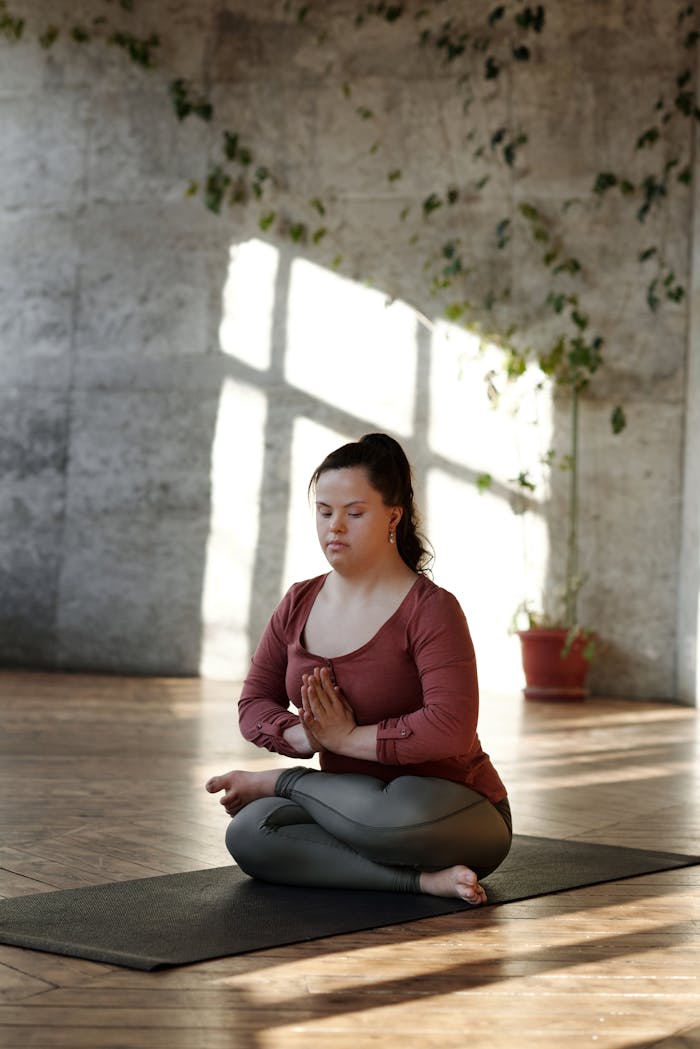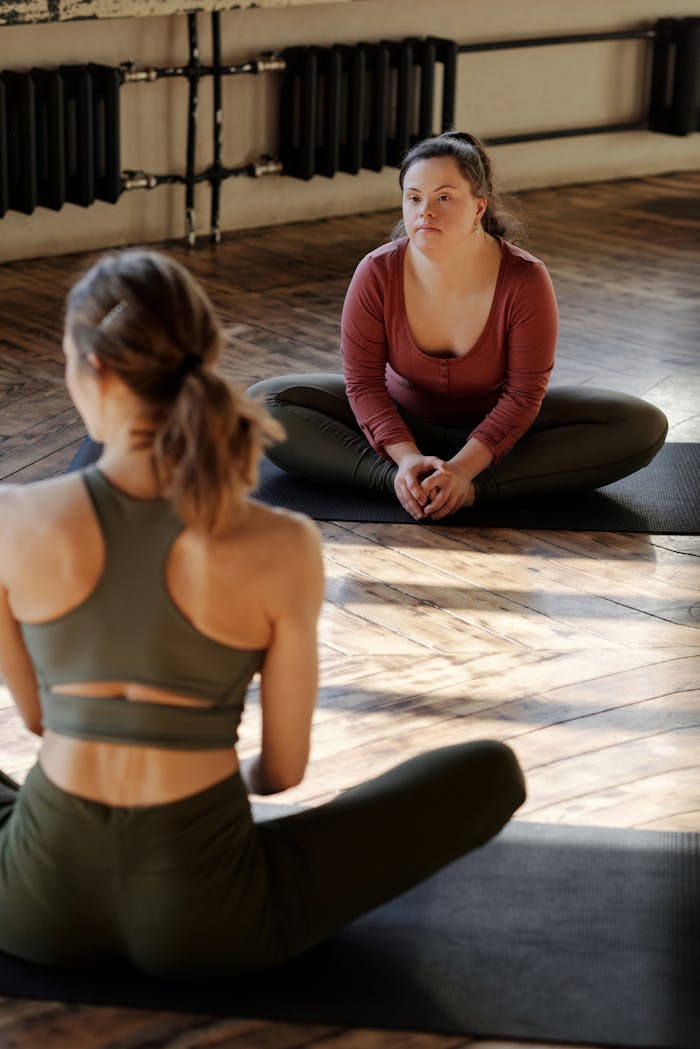
Rhode Island hot yoga offers more than a challenging workout. In a warm studio, movement, breathwork, and mindfulness come together to support strength, focus, and a deeper sense of balance. The heat can make each pose feel more intense, but it does not automatically make a class more effective.
Hot yoga can describe several formats. You might find traditional Bikram-style sequences, heated vinyasa, power yoga, or slower classes designed for recovery and relaxation. If you are curious about the Bikram tradition, this Bikram yoga studio guide offers helpful context before you explore local options.
The best studio and class will match your goals, experience, and comfort level. As you compare Rhode Island studios, consider teaching quality, safety standards, class style, schedules, accessibility, and the overall community atmosphere. Notice how instructors explain modifications, respond to different needs, and encourage a sustainable pace. With the right fit, hot yoga can become a supportive practice that challenges you while still honoring your unique path.
Start With Your Goals, Experience, and Heat Tolerance
Before choosing a Rhode Island hot yoga studio, consider what you hope to gain from practice. You may want stress relief, greater flexibility, improved strength, cardiovascular conditioning, or a deeper mindfulness routine. You might also be looking for consistent movement and a welcoming community. Your goals can help you choose between restorative classes, strength-focused flows, or faster-paced sessions.
Your current experience matters, too. Beginners often benefit from foundational classes or slower heated sessions. These formats offer time to learn alignment, breathing, and safe transitions. Once you feel comfortable, you can explore advanced power flows or longer traditional sequences. If you need additional support, look for studios offering adaptive yoga options and clear modification guidance.
Be honest about your response to heat. Think about your hydration habits, past experiences with saunas or heated exercise, and any history of dizziness or overheating. If you are new to intense heat, start with a shorter class or a lower-temperature option. Arrive well hydrated, avoid practicing on a heavy meal, and give yourself permission to rest.
A supportive studio will never treat discomfort as a test of commitment. Instructors should welcome modifications and encourage you to pause when needed. Pain, nausea, or lightheadedness are signals to stop, not signs that you need to push harder. Choosing a class that respects your limits can help hot yoga become a sustainable part of your wellness journey.
Compare Hot Yoga Class Styles Before You Book
Once you understand your comfort level, compare the class formats available at Rhode Island hot yoga studios. Heated vinyasa is a flowing, breath-led practice that connects poses through frequent movement. The experience can vary significantly by instructor, so read the teacher’s description and level designation carefully.
Some classes emphasize creative sequences and music, while others move slowly with longer holds. Ask whether the session includes hands-on assists, inversions, extended meditation, or frequent transitions. These details can help you choose a class that matches your desired intensity and mindfulness.
Traditional Bikram-style classes follow a highly structured sequence in a heated room. This consistency can appeal to students who appreciate repetition, clear expectations, and a focused mental challenge. However, studio names, teaching approaches, room temperatures, and attendance policies can differ, so review the specific format before booking.
Heated power yoga may suit you if you want to build strength, increase stamina, and move at a faster pace. Expect challenging poses, stronger transitions, and fewer pauses. If your goals include mobility, nervous-system regulation, or recovery, look for slower heated hatha, yin, or restorative classes instead. These formats usually offer longer holds, gentler movement, and more space to notice your breath.
Also, remember that every movement class creates a different experience. Yoga often blends physical postures with breathwork, meditation, and self-inquiry, while Pilates typically centers on controlled core strength, alignment, and precise movement. This comparison of Pilates and yoga can help clarify which approach supports your mind-body goals.
When in doubt, contact the studio. A thoughtful teacher can explain the pace, heat, modifications, and preparation needed for your first class.
Evaluate Studio Quality, Instructors, and Safety Standards
A welcoming atmosphere matters, but professional standards matter just as much. When comparing Rhode Island hot yoga studios, look for teachers with recognized credentials, relevant experience, and ongoing training. Ask whether they regularly work with beginners and offer clear alternatives instead of giving every student the same correction.
You can also learn more about what to look for in a yoga studio’s classes and schedule. A well-run studio should explain class intensity, heated-room expectations, and modification options before you arrive. Instructors should encourage hydration, rest, and leaving the room when necessary. They should also explain the difference between productive effort and warning signs such as dizziness, nausea, confusion, or sharp pain.
Tour the space if possible, or ask specific questions before booking. Heated rooms should have clean floors and mats, reliable ventilation, and clearly stated temperature and humidity levels. Check whether water is easily available, and notice whether showers and changing areas are clean, accessible, and well maintained. These details can shape both your comfort and your overall experience.
Practical policies can also reveal how thoughtfully a studio supports its community. Ask about first-class requirements, towel and mat rentals, late-arrival rules, cancellation fees, and introductory packages. A trial class can help you assess the teaching style, room conditions, and pace without making a long-term commitment.
If you are pregnant or managing cardiovascular conditions, blood-pressure concerns, heat sensitivity, or another medical issue, consult a qualified healthcare professional before attending. Even with clearance, share relevant needs with your instructor and choose a sustainable pace. The right studio will respect your questions, support your boundaries, and help you build confidence gradually.
Consider Location, Schedule, Cost, and Community Fit
A beautiful studio is not the best choice if getting there feels stressful. Compare commute times from home, work, or school, along with parking, traffic, and public transportation options. In Rhode Island, a studio that is only a few extra minutes away may be easier to reach consistently than one across town.
Review class times and reservation availability before signing up. Do morning, lunchtime, evening, or weekend classes fit your routine? Check whether popular sessions fill quickly and whether the cancellation policy allows flexibility. A nearby studio with reliable class access can support mindfulness more effectively than a prestigious location that makes attendance difficult.
Look beyond the advertised membership price. Compare memberships, class packs, drop-in rates, and introductory offers. Then ask about cancellation fees, automatic renewals, mat or towel rentals, and other equipment costs. Calculating the likely monthly total can help you choose a Rhode Island hot yoga option that feels comfortable financially.
Community fit matters just as much as convenience. Notice whether the atmosphere feels quiet, energetic, competitive, welcoming, or community-oriented. Do instructors greet students and offer clear modifications? Are beginners treated with patience? These details can shape how safe and supported you feel.
If possible, try more than one class before committing. Attend with different instructors, too, since one class experience may not represent the studio’s overall culture. Pay attention to how teachers communicate, how students interact, and whether the environment encourages a sustainable pace.
The right studio should fit your real life and your unique needs. When location, schedule, cost, and community align, showing up becomes easier. That consistency can help your practice grow from an occasional activity into a steady source of balance and well-being.
Prepare for Your First Rhode Island Hot Yoga Class
A little preparation can help your first Rhode Island hot yoga class feel welcoming and manageable. Wear breathable, secure clothing that allows comfortable movement. Bring a yoga mat with a towel or mat towel for grip, a large water bottle, and a small towel. Confirm the studio’s rental policies before arriving.
Hydrate throughout the day, rather than trying to catch up just before class. Avoid arriving dehydrated, and choose a light meal with enough time to digest. Practicing immediately after eating may feel uncomfortable, especially in a heated room.
Arrive early to complete registration and settle in. Tell the teacher that you are new, and choose a spot near an exit if that feels reassuring. Move at your own pace, and take child’s pose or rest whenever needed. You can also explore yoga practices for improving flexibility gradually, without forcing range or intensity.
Pay attention to your body throughout class. Persistent dizziness, confusion, chest pain, severe nausea, or unusual weakness are reasons to stop and seek assistance immediately. These signals deserve care, not willpower.
After class, rehydrate gradually and enjoy a balanced meal or snack. Gentle stretching, a comfortable shower, and quiet time can support recovery. Notice how your body and mood respond over the next day. This reflection can help you choose the right pace and build a sustainable practice.
Choose the Studio That Supports Consistent, Balanced Practice
Start with your goal, choose a suitable class level, and verify instructor quality and safety practices. Compare costs and convenience, then attend a trial class before committing to Rhode Island hot yoga long term.
Progress may mean steadier breathing, greater body awareness, improved mobility, or more calm—not simply tolerating more heat. Begin gradually, balance energizing and restorative classes, listen to your body, and choose a studio where mindfulness and personal well-being come first.