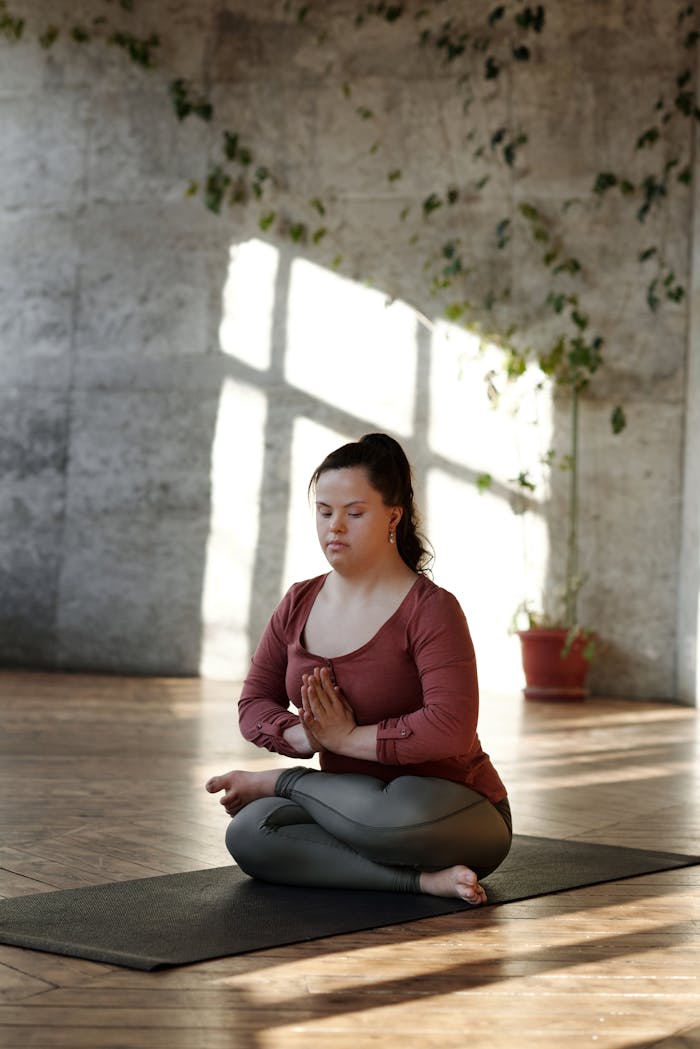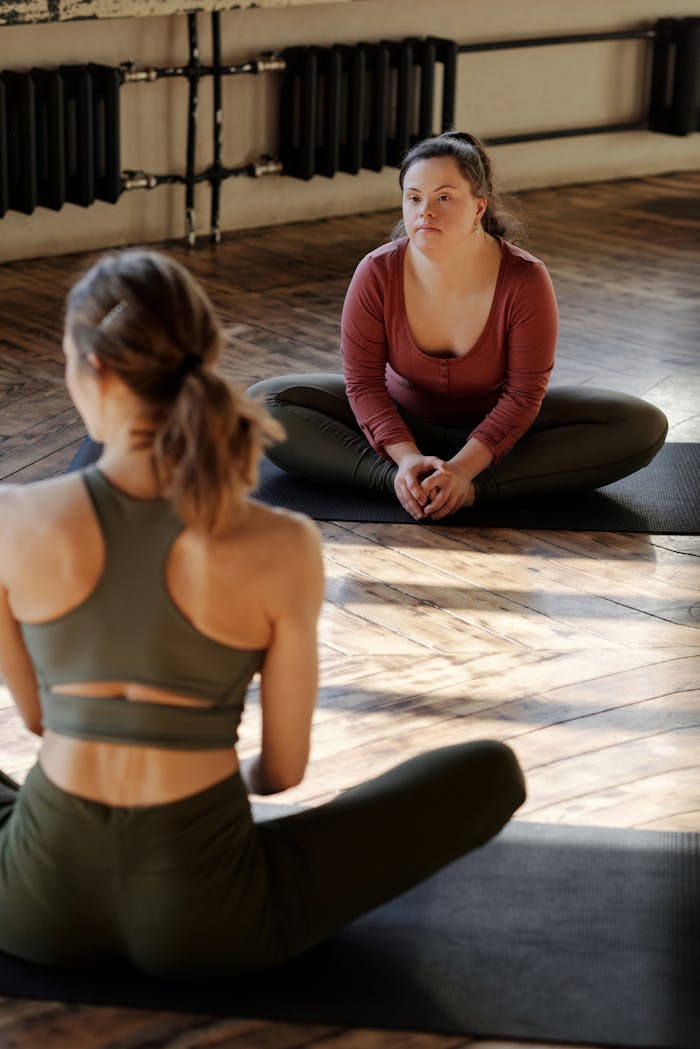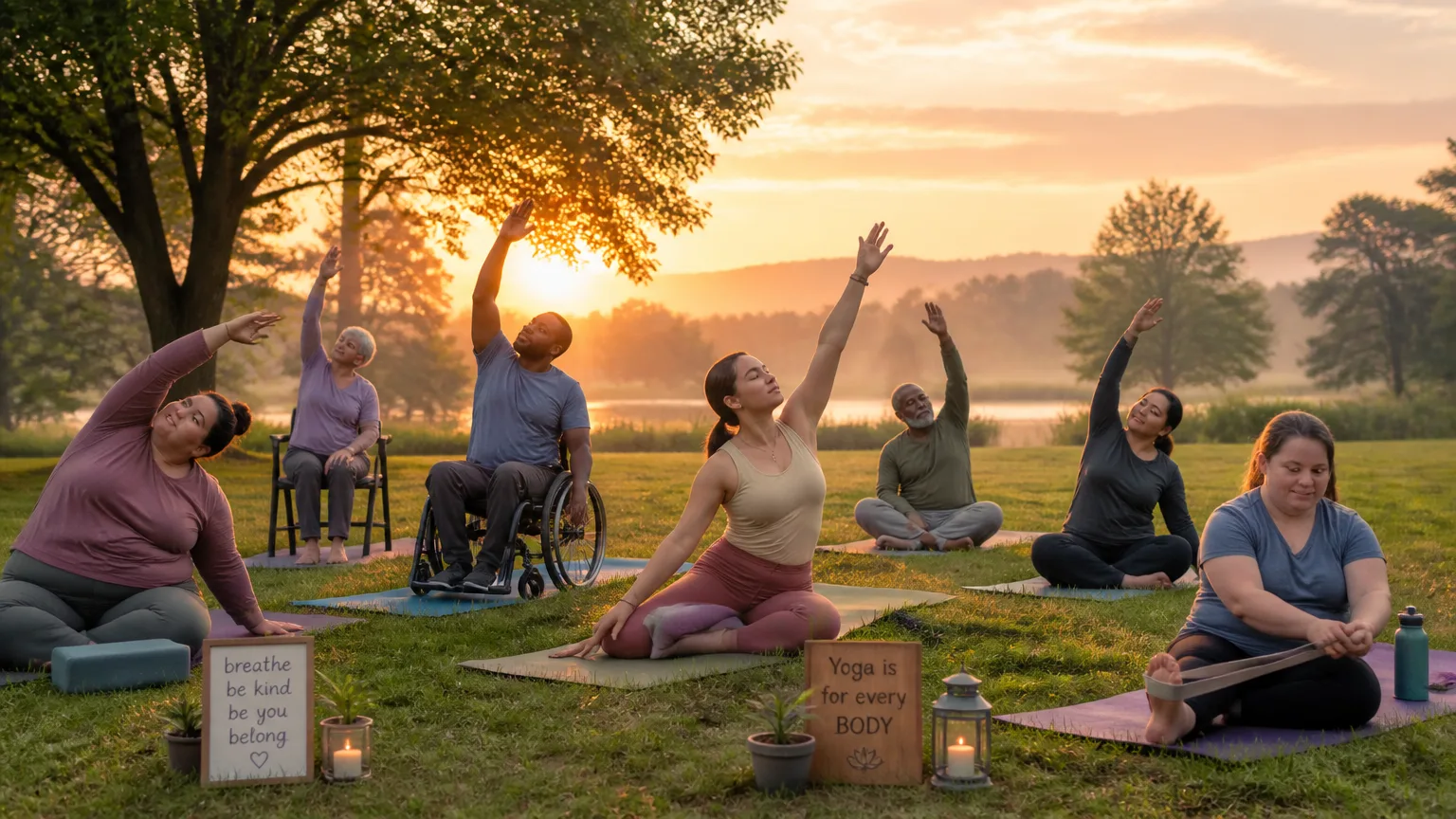
Adaptive yoga is a beautiful solution for inclusivity in wellness practices. It invites individuals of all abilities to experience the transformative power of yoga, proving that this ancient practice is truly for everyone. Whether you are a seasoned yogi or a complete beginner, adaptive yoga creates a space where you can thrive, regardless of your physical capabilities.
This approach emphasizes mindfulness and balance, allowing practitioners to tailor poses and sequences to their unique needs. By adapting traditional yoga techniques, individuals can enjoy the physical benefits, such as improved flexibility and strength, while also nurturing emotional well-being. The supportive environment encourages deeper connections, fostering a sense of community among practitioners.
Imagine participating in a class where every pose feels accessible and every breath resonates with your body’s rhythm. Adaptive yoga not only enhances physical health but also promotes self-acceptance and emotional resilience. As we explore this journey together, remember that the essence of yoga lies in its ability to adapt, ensuring that everyone can find joy on their mat. Join us as we delve into the myriad ways adaptive yoga can enrich your practice and uplift your spirit.
1. The Principles of Adaptive Yoga
At the heart of adaptive yoga lies the principle of body awareness. This mindful approach encourages practitioners to tune into their physical sensations and emotions. Each individual’s experience is unique, and recognizing this allows for a more personal practice.
Modifications are key in adaptive yoga. Simple adjustments to traditional poses can make a world of difference. For example, if a forward fold feels too intense, bending the knees or using a chair can provide comfort without sacrificing the benefits of the pose.
Personal expression is equally vital. Adaptive yoga invites you to explore what feels good for your body. There is no right or wrong way to practice; it’s about finding what aligns with your comfort and capabilities.
Props, such as blocks, straps, and blankets, play a crucial role in enhancing accessibility. They offer support and stability, allowing you to explore poses safely and effectively. Embracing these tools fosters a sense of community, as everyone shares their unique adaptations together on this journey.
2. Mindfulness and Breath: The Core of Adaptive Yoga
In adaptive yoga, mindfulness and breath control are vital for enhancing both physical and mental well-being. Breath awareness serves as an anchor, helping to relieve stress and cultivate a sense of calm. By focusing on your breath, you create a space for relaxation that allows you to be fully present in each moment, making your practice more enriching.
Incorporating mindfulness techniques can significantly support emotional balance during your sessions. Simple practices, such as observing your thoughts without judgment, can transform your experience on the mat. This gentle approach fosters self-acceptance, encouraging you to embrace where you are in your journey.
Additionally, breath techniques can be tailored for both meditation and movement. For instance, a slow, rhythmic breath can enhance your flow during poses, while a focused breath can deepen your meditation practice. Explore the benefits of integrating these techniques to support your journey in adaptive yoga and discover how yoga for stress can elevate your overall wellness.
3. Accessible Poses for Everyone
Adaptive yoga opens the door to a wide array of poses that cater to all levels and abilities. Each pose can be tailored to meet individual needs, ensuring that everyone can participate comfortably. Let’s explore some accessible poses and their benefits.
Mountain Pose (Tadasana) is a great starting point. It promotes grounding and posture awareness. If standing is challenging, this pose can be practiced seated. Simply sit tall in a chair, feet flat on the floor, and envision your body as a mountain, strong and steady.
Cat-Cow Stretch (Marjaryasana-Bitilasana) is another versatile pose that enhances spinal flexibility. If getting on all fours is difficult, try this stretch seated. Move your torso gently forward and back, synchronizing your breath with each movement to create a flowing rhythm.
Child’s Pose (Balasana) invites relaxation and introspection. For those who may find kneeling uncomfortable, this pose can be modified by sitting back on a chair and folding forward over your thighs. Feel the gentle stretch in your back and the calming effect it brings.
Using props such as blocks and straps can also transform traditional poses. For instance, when practicing Downward-Facing Dog (Adho Mukha Svanasana), placing your hands on a chair or using a wall can provide support. This adaptation allows you to enjoy the pose without strain.
Remember, the beauty of adaptive yoga lies in its flexibility. Each pose can be modified to embrace your unique journey, making yoga a truly inclusive practice for everyone.
4. Building Community Through Adaptive Yoga
Adaptive yoga creates a welcoming space where practitioners of all abilities can connect and thrive. The shared experiences in group classes foster a sense of belonging, making it easier to form bonds with others who understand the journey toward wellness.
In these inclusive settings, participants often inspire one another through their unique adaptations. A person using a chair for support may encourage someone else to try a new modification, sparking creativity and collaboration. This exchange of ideas nurtures a supportive network within the yoga community.
Moreover, adaptive yoga classes often attract diverse groups, allowing individuals to learn from each other’s perspectives. The collective energy in these sessions can uplift spirits, reinforcing the idea that everyone’s path is valid and celebrated. Embracing this community aspect not only enhances your practice but also enriches your overall experience in yoga.
5. The Role of Teachers in Adaptive Yoga
In the world of adaptive yoga, instructors play a pivotal role in creating an inclusive and nurturing environment. Specialized training equips teachers with the skills to understand diverse needs and limitations. This knowledge allows them to offer modifications and variations that ensure safety and comfort for all practitioners.
Creating a welcoming atmosphere is essential. Teachers can foster inclusivity by using language that is affirming and encouraging. Simple gestures, like smiling and making eye contact, can help students feel seen and valued. Additionally, inviting feedback from students about their experiences can help tailor classes to better meet individual needs.
Being attuned to each student’s unique journey is vital. Teachers should observe body language and energy levels, adjusting poses and practices as needed. For example, if a student struggles with balance, a teacher might suggest a wall for support or demonstrate a seated version of a pose. This level of attentiveness not only enhances safety but also builds trust.
Ultimately, the heart of adaptive yoga lies in connection—between teachers and students, and among practitioners themselves. By embracing their role as guides, teachers can inspire everyone to explore their unique paths toward wellness and fulfillment.
Finding Your Path in Adaptive Yoga
As you embark on your journey with adaptive yoga, remember that this practice is deeply personal and meant for everyone. It invites you to explore what resonates with you, honoring your unique body and spirit. Whether you’re a seasoned yogi or just beginning, adaptive yoga offers a pathway to self-discovery and growth.
Embrace the opportunity to try different adaptive techniques and connect with supportive communities. Sharing experiences with others can deepen your understanding and enhance your practice. The collective energy in these spaces nurtures a sense of belonging, reminding you that each individual’s path is valid and celebrated.
Ultimately, the continued practice of adaptive yoga brings both mental and physical benefits. It fosters resilience, flexibility, and peace of mind. So, step onto your mat with an open heart and a spirit of curiosity. Your journey in adaptive yoga awaits, filled with joy and transformation.