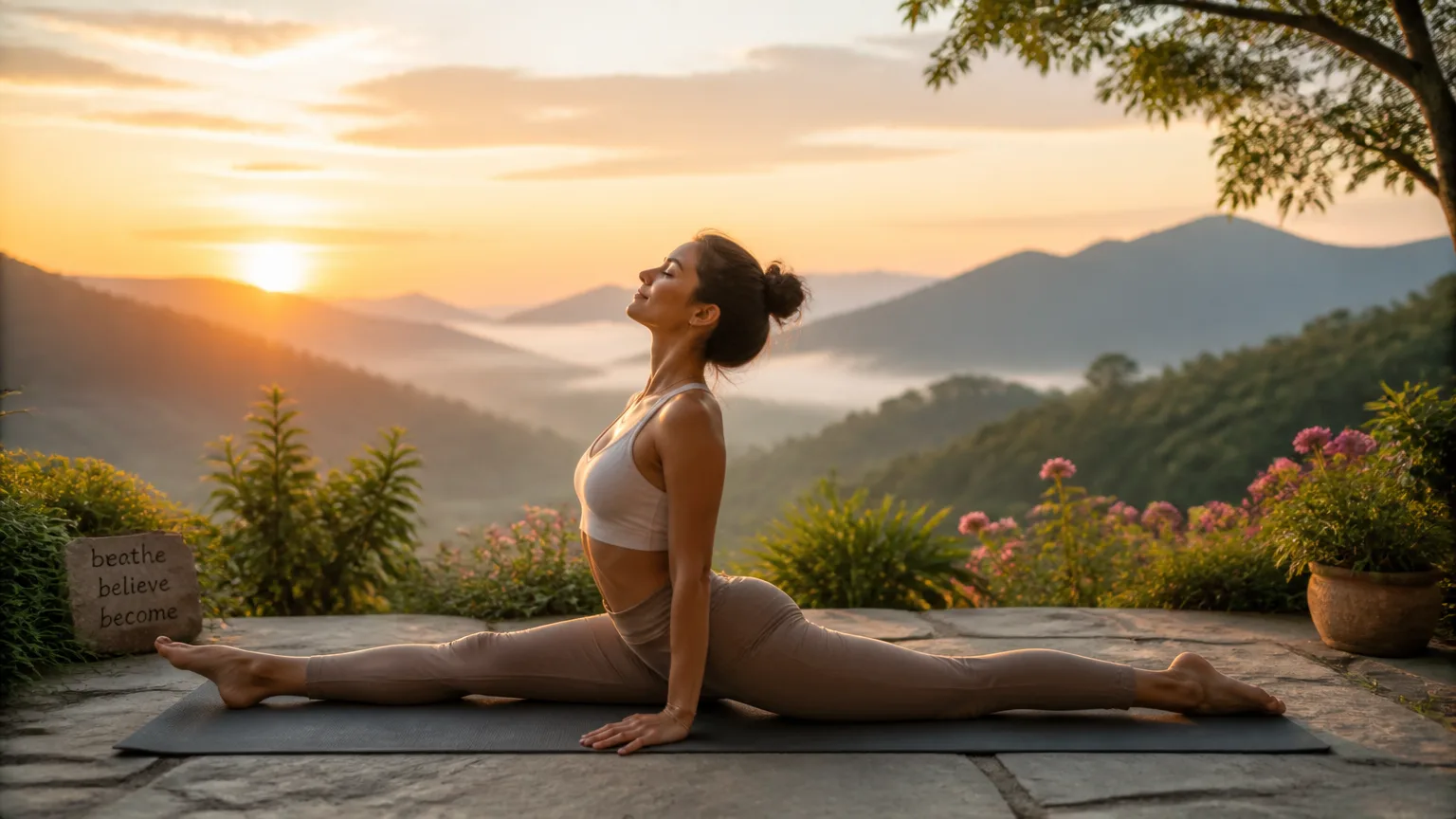
Unlocking flexibility through yoga opens the door to a world of physical and mental well-being. Flexibility is not just about bending and stretching; it plays a crucial role in overall health, helping to prevent injuries and enhance daily movements. When we embrace yoga for flexibility, we not only improve our physical range of motion but also cultivate a deeper mind-body connection.
Specific yoga poses are designed to target various muscle groups, promoting increased flexibility and balance. As you flow through these poses, you’ll notice how each stretch can release tension and increase mobility, allowing you to move more freely in your everyday life.
Engaging in a regular yoga practice can lead to remarkable changes in your body. With dedication, you’ll find that each pose encourages you to listen to your body, fostering a sense of mindfulness and presence. This journey toward flexibility is not just physical; it invites you to embrace patience and self-compassion, guiding you toward a more fulfilling and balanced life.
Join us as we explore the top poses that will enhance your flexibility, empowering you to unlock your true potential on and off the mat.
1. Forward Bend (Uttanasana)
The Forward Bend, or Uttanasana, is a wonderful pose for enhancing flexibility, particularly in the hamstrings and lower back. As you fold forward from a standing position, you create a gentle stretch that encourages lengthening throughout your entire spine. This pose not only improves hamstring flexibility but also helps alleviate tension in the back, making it a favorite for many practitioners.
To get the most out of Uttanasana, start by standing tall with your feet hip-width apart. Inhale deeply, reaching your arms overhead, and as you exhale, hinge at your hips to fold forward. Allow your knees to bend slightly if needed; this can help reduce strain on your back and make the pose more accessible. Let your head hang heavy, and take a few breaths here, focusing on the sensation of release.
As you hold this pose, remember to engage in mindfulness. Each breath can deepen your stretch, allowing you to feel the subtle shifts in your body. This practice encourages relaxation, inviting you to let go of any stress or tension you may be carrying. The more you practice Uttanasana, the more you’ll notice an increase in your range of motion, both physically and mentally.
Embrace this pose as a moment of connection with yourself. With patience and consistency, you will find that yoga for flexibility not only transforms your body but also nurtures your spirit.
2. Cat-Cow Stretch (Marjaryasana-Bitilasana)
The Cat-Cow stretch is a dynamic pose that beautifully enhances spinal flexibility. This flowing movement warms up the spine and encourages a gentle release of tension, making it an excellent addition to your yoga for flexibility practice.
To perform the Cat-Cow stretch, begin on your hands and knees in a tabletop position. Ensure your wrists are aligned under your shoulders and your knees under your hips. As you inhale, arch your back, lifting your head and tailbone towards the sky—this is Cow pose. Feel the stretch along your spine and enjoy the openness in your chest.
As you exhale, round your spine, tucking your chin towards your chest and drawing your belly button in—this is Cat pose. Imagine a wave flowing through your spine as you move between these two positions. Repeat this sequence for several breaths, allowing your body to find its rhythm.
Not only does this stretch promote better posture, but it also serves as a perfect warm-up for other poses. By increasing the flexibility of your spine, you’ll find it easier to transition into deeper stretches and postures.
Incorporating the Cat-Cow stretch into your routine can significantly support your journey toward holistic wellness. As you practice, focus on your breath and the sensations in your body, fostering a deeper connection with yourself. With each movement, you nurture both your body and spirit, paving the way for greater flexibility and balance in all areas of your life.
3. Butterfly Pose (Baddha Konasana)
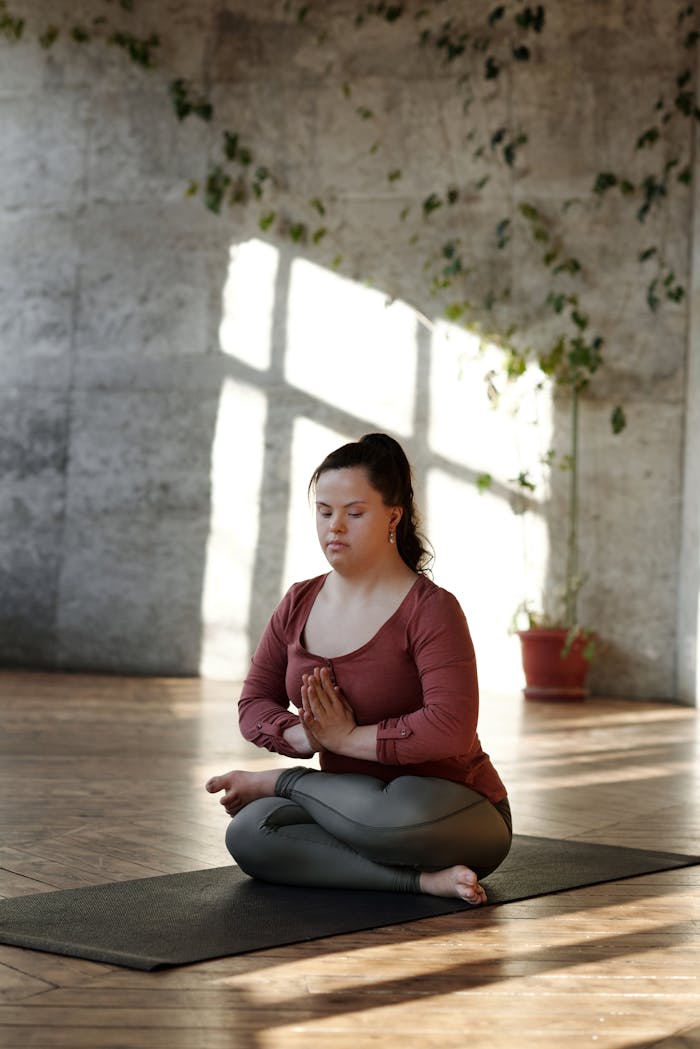
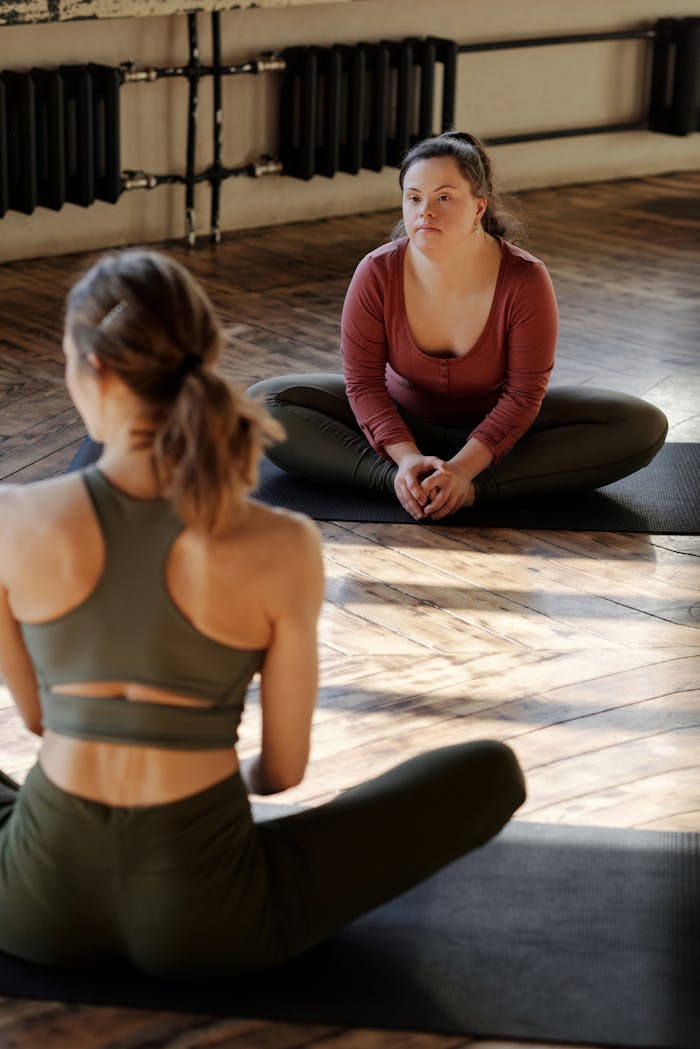
Butterfly Pose, or Baddha Konasana, is an inviting posture that stretches the inner thighs and groin area. As you sit comfortably on your mat, bringing the soles of your feet together, you create a gentle opening in your hips. This pose not only encourages hip flexibility but also promotes relaxation and mindfulness.
To begin, sit with your spine tall and your feet drawn in close to your body. Allow your knees to fall outward, feeling the release in your hips. For those new to this pose, it’s helpful to sit on a folded blanket or cushion. This modification elevates your hips, making it easier to maintain an upright posture while allowing for a deeper stretch.
If you’re more experienced, you can deepen the pose by gently pressing your knees toward the ground. However, listen to your body and avoid forcing any movement. The beauty of Butterfly Pose lies in its adaptability for all skill levels. You can also take it a step further by leaning forward slightly, bringing your chest closer to your feet. This variation can enhance the stretch and deepen your connection with your breath.
As you practice Baddha Konasana, focus on your breath and the sensations in your body. Each inhale brings in fresh energy, while each exhale allows you to release tension. Whether you are new to yoga for flexibility or a seasoned practitioner, this pose serves as a nurturing reminder of the importance of self-care and patience on your journey.
4. Lizard Pose (Utthan Pristhasana)
Lizard Pose is a fantastic addition to your yoga for flexibility practice, deeply stretching the hips and opening the groin. This pose encourages greater range of motion, allowing for enhanced mobility in your lower body. As you settle into the pose, you may find that it not only benefits your physical body but also fosters a sense of calm and grounding.
To ease into Lizard Pose, start from Downward-Facing Dog. Step your right foot forward, placing it outside your right hand. Allow your left knee to lower to the mat, creating a supportive base. Keep your toes tucked or untucked, depending on what feels comfortable for you. As you breathe deeply, allow your hips to sink closer to the ground.
If you’re feeling tight or need a modification, it’s perfectly okay to use props. A yoga block under your hands can provide extra support, making the pose more accessible. Alternatively, you can stay on your hands or even lower down to your forearms if it feels right.
Remember, flexibility is a personal journey. Listen to your body and honor its limits. With regular practice, Lizard Pose will help you cultivate a deeper connection with your body, enhancing your overall flexibility and well-being. Embrace the process, and enjoy the nurturing benefits this pose brings to your practice.
5. Seated Forward Bend (Paschimottanasana)
The Seated Forward Bend, or Paschimottanasana, is a beautifully restorative pose that stretches both the spine and hamstrings. As you sit comfortably on your mat, extend your legs in front of you. This position invites you to gently fold forward, reaching for your feet. It’s a wonderful way to enhance your flexibility, especially in the lower back and legs.
Incorporating mindful breathing is essential in this pose. As you inhale, lengthen your spine. With each exhale, allow yourself to sink deeper into the stretch. This rhythmic breathing not only deepens the pose but also promotes relaxation and mental clarity. By focusing on your breath, you create a space for mindfulness, calming your mind as you stretch your body.
The benefits of Seated Forward Bend extend beyond physical flexibility. It encourages introspection, helping you connect with your inner self. As you fold forward, visualize letting go of tension and stress. This gentle surrender can open pathways to emotional release, allowing for a more profound sense of well-being.
Remember, this pose is not about how far you can reach; it’s about honoring your body’s unique limits. With regular practice, Paschimottanasana will nurture your journey in yoga for flexibility, inspiring you to embrace patience and self-compassion. Enjoy the process, and let this pose be a sanctuary for both body and mind.
6. Half Moon Pose (Ardha Chandrasana)
Half Moon Pose, or Ardha Chandrasana, is a beautiful blend of balance, strength, and flexibility. This pose not only enhances your core and leg flexibility but also challenges your balance in a nurturing way. As you shift your weight onto one leg, you engage your entire body, fostering a sense of stability and confidence.
To get into Half Moon Pose, start in Triangle Pose (Trikonasana). From there, lower your hand to the floor or a block while lifting your opposite leg parallel to the ground. This alignment requires concentration and mindfulness, allowing you to tune into your body’s sensations. Remember to keep your standing leg strong and engaged, which provides the foundation for your balance.
As you practice, focus on your breath. Inhale deeply to create space in your body, and exhale to release any tension. This connection encourages a more profound sense of awareness, enhancing your yoga for flexibility journey. The pose also strengthens your core and legs, making it an essential component of your practice.
For tips on perfecting your balance and alignment, check out our guide on Mastering Half Moon Pose Yoga. With every practice, you’ll find that Half Moon Pose nurtures not just your physical flexibility, but also your mental focus and emotional resilience. Embrace the journey as you explore this transformative pose!
Integrating Flexibility into Your Yoga Practice
As we conclude our exploration of effective yoga for flexibility, it’s essential to remember that integrating these poses into your routine can lead to lasting improvements. Regular practice not only enhances your physical range of motion but also cultivates patience and self-awareness. Each pose we discussed serves as a stepping stone toward greater flexibility, inviting you to connect with your body and mind on a deeper level.
Incorporating these poses into your daily practice encourages a holistic approach to wellness. Embrace the journey, allowing each session to nurture your spirit and foster emotional balance. Remember, flexibility is not just about the body; it’s about creating space for growth and self-compassion.
For those seeking to expand their yoga knowledge further, consider exploring resources that delve into other aspects of your practice. You might find inspiration in our guide on Yoga for Balance: 6 Essential Poses. Whether you are just beginning or are a seasoned yogi, the journey toward flexibility can be transformative.
Embrace these practices regularly, and watch how they enrich not only your yoga experience but your life as a whole. Here’s to your continued growth and well-being on and off the mat!