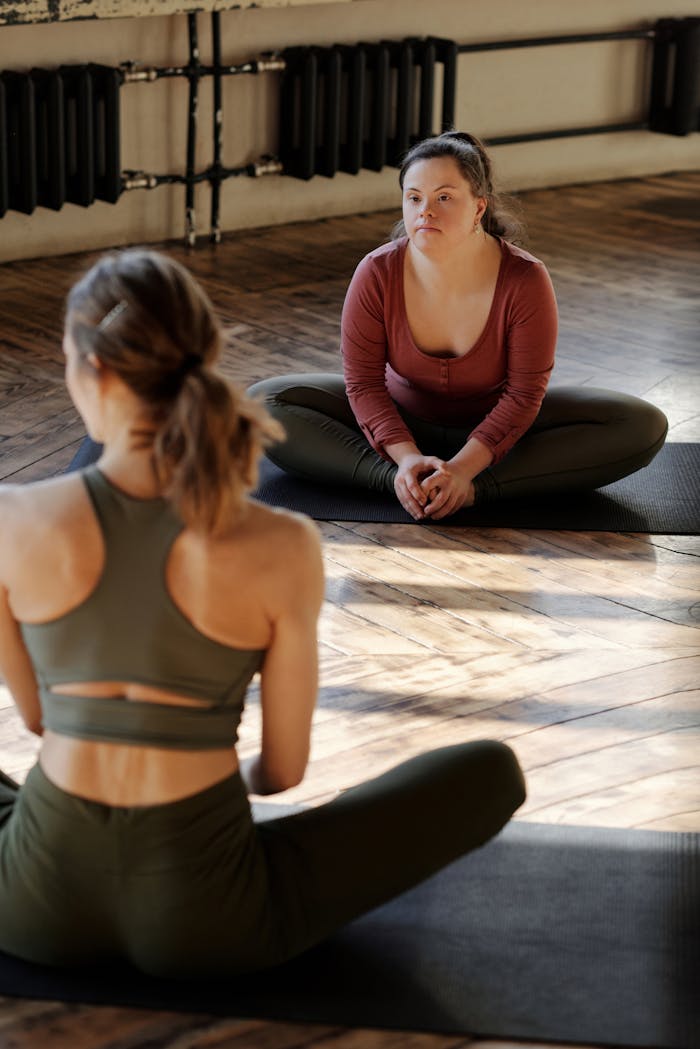
“Real hot yoga” can sound like one familiar style, but the phrase may mean different things depending on where you encounter it. Some people use it to describe a specific studio or teaching approach; others mean yoga practiced in a heated room. That difference matters when you’re choosing a class that feels right for you.
Heated classes vary from studio to studio. One might follow a set sequence in a very warm room, while another combines flowing poses with different temperatures and teaching styles. Even class names can be similar while the experience differs, so check the description for details rather than assuming every heated class follows the same format.
At Joyous Yoga, we believe the best choice is the one that supports your needs and helps you feel comfortable exploring your practice. This article will clarify how a branded method differs from the broader category of heated yoga, and offer a practical way to compare sequence, temperature, teaching style, and safety.
There’s no single heated format that works best for everyone. Understanding what a class actually involves can help you make an informed choice, listen to your body, and find a welcoming path toward balance.
What Is Real Hot Yoga? Define the Format Before Comparing It
The name real hot yoga can sound like it refers to one established style. In practice, it may be the name of a studio, a branded program, or a way a provider describes its heated classes. There isn’t one universal authority that sets the sequence, room temperature, or teaching rules for every class using the phrase.
That distinction matters because hot yoga is a broad umbrella. One studio may offer a set sequence in a heated room, while another may teach a flowing class with changing poses and adjustable heat. Even classes with similar names can differ in pace, structure, and how much guidance the instructor provides.
Before booking, check how the studio defines its method. Ask whether the class follows a fixed sequence or varies from session to session, and whether the studio identifies a particular lineage or training approach. If a lineage is important to you, ask what it means in that studio’s teaching and how instructors are trained.
It’s also helpful to ask about the room and the class experience. Studios may use different temperatures, humidity levels, and heating systems, so don’t assume the word hot points to a specific setting. Find out whether students can rest or leave the room if needed, and whether the instructor offers modifications for different bodies and experience levels.
These details give you a useful starting point for comparing classes throughout this article: heat, sequence, pace, instructor guidance, and overall intention. A class might emphasize steady practice and repetition, while another may focus on strength, flowing movement, or relaxation. Neither description tells you everything, but together they can help you understand what to expect.
If you’re new to heated practice, consider asking whether the class is suitable for beginners and what to bring. You might also try a less intense option first, especially if you’re unsure how your body responds to heat. Choosing a class is not about finding the one “right” format; it’s about finding a supportive setting where you can practice mindfully and make choices that feel right for you.
How Heat Changes the Class Experience
A heated room can make familiar movements feel different from the start. Warmth may help some students feel more comfortable moving, while others may notice that they feel hot or tired sooner. In real hot yoga, the room’s temperature and humidity are part of the experience, not a measure of how challenging or beneficial the class will be.
Heat can also change how effort feels. A steady sequence that might feel moderate in a cooler studio can seem more demanding when you’re warm and sweating. Humidity may make sweat evaporate less easily, which can add to the sense of discomfort. Pay attention to how you feel rather than assuming you should keep the same pace throughout class.
Some students may find that warmth makes certain movements feel easier. But the sensation of moving comfortably in a warm room doesn’t mean heat automatically improves flexibility or makes a pose safer to deepen. Move gradually, avoid forcing a stretch, and let your teacher know if you need a modification.
Sweating is common in heated classes, but it isn’t proof that your body is “detoxing” or that you’ve had a more effective workout. Your body manages waste through its normal processes, and sweat primarily helps regulate temperature. Likewise, a hotter room does not automatically mean more calories burned or a better practice.
Instead of matching the room’s intensity, use your breath and steadiness as guides. If you can breathe comfortably and move with control, you may be able to continue at your chosen pace. If your breathing becomes strained or your movements feel unsteady, slow down, rest, or step out of the room.
Notice symptoms such as dizziness, nausea, headache, unusual weakness, or feeling confused. These are reasons to stop and seek help from the instructor, rather than pushing through. Bring water, take breaks when needed, and follow the studio’s guidance for cooling down and leaving class safely.
It’s also helpful to resist comparing yourself with classmates. People respond to heat differently, and the same person may feel different from one day to the next. Resting in a comfortable position or choosing a smaller range of motion can be part of a mindful practice—not a sign that you’re falling behind.
Real Hot Yoga Compared With Other Heated Classes
A warm room is only one part of what shapes a heated yoga class. To understand how real hot yoga may differ, look at the sequence, pace, and teaching goals—not temperature alone. Studios use labels differently, so a class description or a quick question to the instructor can tell you more than the name.
Some classes called real hot yoga follow a consistent sequence of standing and floor postures. Repeating a familiar order can help you notice changes in balance, focus, and comfort over time. Ask whether the sequence stays the same each class, or whether the teacher regularly changes the poses.
Heated vinyasa often links poses with breath in a flowing sequence. The order may vary, and students may move more continuously between postures. Compared with a set sequence, this can feel more like a moving practice, though the pace and intensity depend on the teacher.
Power yoga may also be heated and flowing, but often places greater emphasis on strength and stamina. You might encounter longer holds, challenging transitions, or sequences that build heat through effort. That doesn’t mean every power class is vigorous; check whether the description mentions strength, athletic movement, or options to modify.
Heated yin and restorative classes offer a different experience. Yin typically involves longer, mostly still holds, while restorative practice uses props to support relaxation. The room may be warm, but the goal is generally not continuous movement or building strength. Ask how long poses are held and whether the class is designed for quiet stillness or gentle release.
These categories can overlap. A heated vinyasa class might include long holds, and a class labeled hot yoga may use a changing sequence. Rather than assuming, consider three questions: How much does the sequence repeat? How continuously will I move? Does the class emphasize strength, flow, stillness, or alignment?
You can also ask how the teacher offers choices. Clear options for resting, adjusting a pose, or stepping out briefly can make a class feel more supportive. That matters in any heated setting, especially when you’re learning how your body responds to warmth and effort.
Some studios explore playful or unusual approaches to yoga, too. These creative and unconventional yoga practices may combine movement with unexpected themes or settings. They offer a contrast in teaching style, but shouldn’t be assumed to use the same heated-room method as hot yoga.
Before booking, read the full class description and ask the studio what to expect. You might ask about room temperature, sequence, pace, and whether beginners are welcome. A few simple questions can help you choose a class that supports your needs and feels right for your practice.
Benefits, Expectations, and Common Misconceptions
People choose heated classes for different reasons. A familiar sequence or regular class time can make it easier to build a routine. The warmth and focused setting may also help some students concentrate on the practice and feel engaged by its physical challenge.
These experiences are personal, not guaranteed outcomes. A class that feels immersive to one person may feel distracting or too intense to another. Your response can also vary with sleep, hydration, stress, and other factors. There’s no single way you should feel during or after class.
Sweating is a normal response to heat, but it is not proof that your body is detoxifying. Your body has its own systems for processing and removing waste. A towel soaked through may show that you sweated heavily; it doesn’t measure the value or success of your practice.
Heat also does not make every pose safer. Warmth may change how your body feels, but it doesn’t remove the need for good alignment, gradual movement, or awareness of your limits. Avoid forcing a deeper stretch just because your muscles feel warm or others in class are moving further.
More discomfort is not a measure of progress, either. Feeling challenged can be part of practice, but pain, dizziness, nausea, confusion, or unusual weakness are reasons to pause and seek help. Follow the studio’s guidance, move to a cooler space if needed, and tell the instructor how you’re feeling.
Mindfulness in a heated class is not about proving you can push through. It means noticing what is happening and making a choice: continue, rest, modify a pose, or leave the room. Choosing a comfortable position or a smaller range of motion can be a wise part of practice, not a failure of toughness.
If you’re exploring real hot yoga, think about what you hope to gain from the experience. You might value the structure, the shared energy of a group, or simply having dedicated time to focus. Let success mean showing up, listening to your body, and finding a pace you can sustain—not matching someone else’s effort or chasing a particular result.
Safety, Hydration, and Who Should Take Extra Care
A heated class can feel different from one day to the next. Your sleep, stress, health, and the room itself may all affect how you respond. Approaching real hot yoga with curiosity rather than a goal to push through can help you stay connected to your body.
Prepare with a few simple steps. Arrive hydrated, and avoid a heavy meal immediately before class; a lighter snack, if you need one, may feel more comfortable. Follow the studio’s guidance about water and room conditions, since practices and facilities can vary. Bring water if recommended, and don’t feel you need to wait until class ends to drink.
Once you’re in the room, move at a pace that feels manageable. Take a break whenever you need one, even if the group continues. You can sit or lie down in a comfortable spot, step out with the instructor’s guidance, or choose a smaller range of motion. Rest is a useful way to respond to your needs, not a measure of how well you’re practicing.
Pay attention to how you feel, rather than comparing your experience with anyone else’s. Dizziness, nausea, confusion, unusual weakness, or feeling faint are signs to stop, cool down, and tell the instructor. If symptoms persist or worsen, seek medical help. It’s also sensible to leave the heated room if you feel unwell, rather than trying to finish the sequence.
Some people may benefit from extra care or an unheated class. If you’re pregnant, have a health condition that could affect your response to heat or exercise, experience heat sensitivity, or have questions about how medication may affect you, seek individualized guidance from a healthcare professional before attending. They can help you consider your circumstances and whether a heated setting is appropriate.
If you’re unsure, you can ask the studio about room temperature, class intensity, break options, and what to do if you feel unwell. You might also choose a gentler or unheated class while you learn what feels supportive. There’s no need to prove anything by staying in the heat; a mindful practice includes choosing the conditions that help you feel safe and present.
What to Bring and How to Choose a Studio
A little preparation can make your first heated class feel more comfortable. Choose lightweight, breathable clothing that allows you to move freely. Some people prefer fitted clothes that stay in place as they sweat, while others feel more at ease in looser layers. Wear what helps you focus on your practice.
Bring water and a towel. A hand towel can help manage sweat, and a larger towel placed over your mat may offer extra traction. Whether you need a towel for grip depends on how much you sweat and how the mat feels under your hands and feet.
Your mat choice is personal, too. Some students bring their own mat; others use one provided by the studio. Comfort, grip, your response to heat, and studio rules can all shape what works best. If you’re comparing options, this guide to choosing a yoga mat can help you think through practical features. For easier transport, you might also consider a yoga mat bag that fits your practice.
Before booking, check the studio’s policies. Ask whether mats and towels are available to rent, how early to arrive, and what to do if you need to step out. Some studios ask students to avoid entering once class begins, while others have specific guidance for taking breaks.
It’s also worth asking about the room’s heat and humidity, the class sequence, and whether the teacher offers beginner options. Find out if breaks are welcome and whether the session is suitable for first-timers. These details can help you understand what “real hot yoga” means at that particular studio, rather than relying on the class name alone.
A welcoming studio should be comfortable answering your questions. You might say, “I’m new to heated yoga—what should I expect, and can I rest whenever I need to?” The response can offer a sense of the studio’s approach to safety and support.
If you’re unsure how your body will respond, consider starting with a class that offers modifications or a gentler level of heat. Arrive with enough time to settle in, notice the room, and ask your teacher anything you’re still wondering about. A thoughtful start can help you practice with more ease and confidence.
Frequently Asked Questions
Is Real Hot Yoga the same as Bikram yoga?
Not necessarily. The word “hot” describes a heated setting, but it doesn’t confirm a class’s name, sequence, or lineage. Studios may use different formats and teaching approaches, so check with the class provider rather than assuming it is Bikram yoga.
Is hot yoga suitable for beginners?
It can be, depending on the class, the studio, and your needs. Some classes welcome beginners and offer modifications, while others may move at a faster pace or feel more intense. Read the description and ask whether the class is beginner-friendly. If you’re new to heated practice, you might choose a gentler option and take breaks as needed.
How hot is a Real Hot Yoga class?
There isn’t one temperature that applies to every Real Hot Yoga class or studio. Room temperature can vary by format and provider. Check the class details or contact the studio to ask about its usual temperature and how intense the session may feel.
Your experience can also depend on the room, the pace of class, and how your body responds that day. Arrive hydrated, follow the studio’s preparation guidance, and give yourself permission to modify your effort.
Can I pause or leave the room if I feel unwell?
Yes. If you feel dizzy, nauseated, unusually weak, or otherwise unwell, stop practicing and let the teacher know. Rest in a comfortable position, and leave the room for cooler air if needed. You don’t need to wait for permission to respond to how you feel.
Studios may have specific guidance for breaks or re-entry, so ask about it before class. A mindful practice includes listening to your body—not pushing through symptoms to keep up with others.
Choose the Heated Practice That Supports Your Well-Being
Real hot yoga may refer to a particular method or studio offering, while heated yoga is a broad category with many styles. The best fit depends on what feels comfortable and sustainable for you: the room’s heat, the class pace, the teaching, and the atmosphere.
Look beyond claims about intensity or results. Check class details, ask questions, and notice how your body responds; resting is part of practice, too. If you’re comparing local options, this guide to choosing a yoga studio focuses on Jackson, Michigan. Begin thoughtfully, and let your own well-being guide the way.