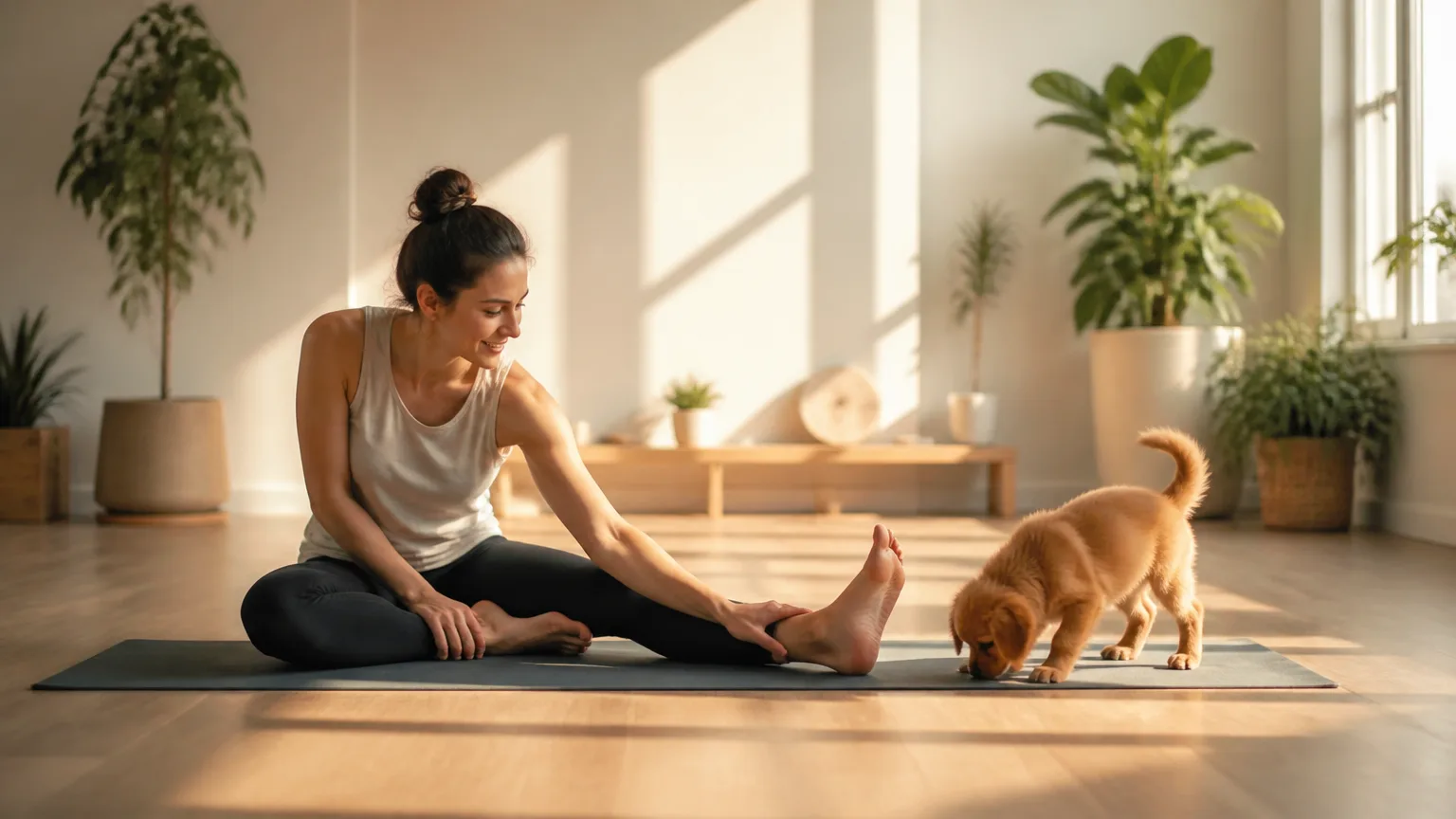
Puppies and yoga bring movement, novelty, and animal companionship together in a playful special-event setting. You might stretch through a familiar pose while a puppy explores nearby, or pause to watch the puppies interact with the group. For many people, that mix is part of the appeal; just remember that the experience may be livelier than a typical mindfulness class.
Puppy yoga is not a substitute for a focused yoga or meditation practice. The puppies may move around, nap, or need a break, and the class may include interruptions rather than long stretches of quiet. A responsible session makes the animals’ comfort and safety the priority, even when that means adjusting the schedule or giving them space.
Before booking, it helps to know how the event is run and what to expect from the setting. Look for a provider that explains how puppies are supervised, how participants can interact with them, and what happens if a dog needs rest. Joyous Yoga believes wellness experiences should feel welcoming and thoughtful, with room for each person to find a comfortable way to take part.
In this guide, we’ll explore how a class typically flows, what to ask of a provider, and how to prepare for the visit. We’ll also cover practical ways to help keep both people and puppies safe, so you can arrive with realistic expectations and enjoy the experience at a pace that feels right.
What Puppy Yoga Is—and What It Is Not
Puppy yoga usually combines a guided yoga practice with time to interact with puppies in the same space. Depending on the organizer, the puppies may wander around while participants move, rest nearby, or join in during pauses. A supervised play period may follow the class, giving people time to meet the puppies more directly.
No two events are identical. Some offer a gentle, modified sequence with frequent breaks, while others set aside most of the session for puppy interaction. Before booking, check what the schedule includes and how long you can expect to practice versus play.
It helps to arrive ready for interruptions. A puppy might cross your mat, seek attention, or need a handler’s care while the instructor pauses. The result can feel more playful and less focused than a conventional studio flow, so it may not suit anyone looking for a quiet, uninterrupted practice.
Puppies and yoga is not a single standardized format, and the name alone does not tell you how experienced the instructor is or how well the event is run. It also does not guarantee that the puppies’ needs come first. Organizers should explain how the animals are supervised, when they can rest, and what rules participants must follow.
The practice belongs to a wider world of other creative and unconventional yoga practices, but an unusual format is not automatically right for every student—or every dog. Some people may prefer a calmer class, while some puppies may need more space or rest than a busy room allows. A thoughtful provider makes room for those differences rather than expecting everyone to participate in the same way.
Before you go, ask how the session is structured, who supervises the puppies, and whether participants can opt out of interaction. Clear answers help you understand the experience and decide whether it feels comfortable for you.
How a Puppy Yoga Class Usually Unfolds
The experience often begins with check-in, where staff explain the schedule, introduce the puppies, and review ground rules. You may be asked to remove shoes, sanitize your hands, or leave personal items in a designated area. Each provider has its own routine, so the order and length of activities can vary.
Before class starts, notice how the room is set up. A well-managed space gives puppies room to rest and move away from people, with staff available to supervise. Ask where you can place your mat and what to do if a puppy needs a break or the room feels busy.
The yoga portion is usually brief and accessible, with options for different experience levels. Instructors may offer gentle stretches or simple poses rather than a fast-paced sequence. If a puppy wanders over, you can pause, stay steady, and let the instructor guide the class around the moment.
You are welcome to keep practicing, take a rest, or simply observe. There is no need to reach for a puppy to make the class worthwhile. In a puppies and yoga session, flexibility often means adapting to the puppies’ needs as well as your own.
Depending on the provider, supervised interaction may happen before, during, or after the yoga practice. Staff should guide these moments and make sure puppies can retreat, nap, or have space when needed. Watch their body language: turning away, hiding, or seeming tense may mean they need distance. Follow staff directions, and avoid reaching, lifting, or pursuing a puppy.
Some classes include another short practice or a quiet period after the interaction. Organizers should control the pace and offer puppies regular breaks, rather than treating them as props or entertainment. If the room becomes lively, you can step back or pause while staff settle the group.
At the end, staff may guide everyone through a calm transition, such as gathering belongings quietly and leaving the puppies’ space clear. Take your time, follow instructions, and give the animals room as you depart. A thoughtful class leaves both people and puppies with space to settle before the next activity.
Choose a Responsible Organizer Before You Book
A caring organizer puts puppy welfare ahead of guaranteed cuddles or picture-perfect moments. Before booking, ask clear questions about where the puppies come from, how they’re cared for, and what the class looks like behind the scenes. Responsible providers will welcome those questions and answer them without rushing you.
Ask whether the puppies are vaccinated as appropriate for their age and veterinary guidance. Find out who provides their veterinary care, what health concerns would keep a puppy from attending, and what happens if a puppy becomes unwell during class. Puppies are still growing, so a thoughtful organizer should be prepared to change plans when an animal needs care.
Good supervision is just as important as good intentions. Look for a clear puppy-to-handler ratio and ask whether a named person is responsible for watching the animals throughout the session. In a busy room, instructors may be focused on guiding movement, so puppy care should not be left to chance or shared vaguely among participants.
Class size matters, too. A smaller group can make it easier to move calmly and give puppies room to explore without being crowded. Ask whether there is a quiet, secure rest area that puppies can enter freely, and whether they may leave the room if they need a break. Rest should be an option, not something a puppy has to earn after entertaining the group.
Ask how the space is cleaned before and after class, how accidents are handled, and what steps help reduce the spread of illness. You can also ask what participants should do if a puppy approaches them. A well-run session makes it easy to enjoy the experience while respecting each animal’s comfort, much like how partner yoga approaches shared movement and boundaries.
Pay attention to how the organizer responds. Evasive answers about puppy sourcing or veterinary care, overcrowding, or pressure to hold and handle animals are good reasons to reconsider booking. Be cautious if puppy access is guaranteed; responsible providers should allow animals to rest or opt out.
These questions aren’t about finding a flawless event. They help you choose a class where people and puppies can participate at a comfortable pace. With puppies and yoga, a flexible plan and attentive care are signs that everyone’s well-being matters.
Keep Puppies Safe: Handling, Space, and Stress Signals
A safe puppies and yoga class gives young dogs room to move, rest, and choose whether to interact. Puppies are still learning about the world, and a busy room can feel exciting or overwhelming. Calm handling and attentive supervision help make the experience more comfortable for everyone.
Let a puppy approach you rather than reaching toward it or following it. Even if a puppy comes close, that does not mean it wants to be picked up, petted, or passed around. Watch its body language, and give it space if it moves away. Ask the qualified handler before touching a puppy, and follow their guidance for any specific interaction.
Avoid waking, restraining, crowding, feeding, or lifting a puppy unless a qualified handler explicitly permits it. A puppy resting nearby may need sleep, not attention. If treats are part of the session, staff should direct when and how they are offered, since unfamiliar food may not be appropriate.
Puppies also need a clear way to disengage. Look for a quiet, secure area where they can retreat from people and movement without being followed. They need access to water, rest, and activity that suits their age. Staff should monitor the puppies and step in if one needs a break or should leave the session.
Notice possible signs that a puppy is stressed or overstimulated. These may include repeated attempts to hide or escape, excessive panting unrelated to heat or activity, trembling, or persistent vocalizing. One sign alone does not tell you exactly what a puppy is feeling, so avoid diagnosing the animal. Instead, calmly alert staff and let the handler assess what to do.
The room setup matters, too. Keep walkways and exits clear, and avoid gathering around a puppy or blocking its route to a retreat area. Follow staff instructions about where to place mats and belongings. Gentle voices and unhurried movements can help reduce extra stimulation.
Hygiene is part of keeping both puppies and people safe. Follow the provider’s handwashing guidance, especially before and after contact with the animals. Keep personal food and drinks out of the puppy area, and tell staff if you notice a mess or a hygiene concern. Don’t try to clean or treat a puppy yourself.
Good supervision means staff can focus on the animals, not just the class schedule. They should be able to intervene promptly, create space, and remove a puppy from the session when needed. Respecting a puppy’s choice to rest or retreat helps make the class gentler and safer for the whole group.
Protect Participants: Movement, Hygiene, and Allergies
A puppy may wander across a mat just as you’re changing poses, so let the room’s activity shape your practice. Choose stable, low-to-the-ground movements, and move slowly through transitions. Avoid inversions or poses that could put a nearby puppy at risk, and follow the instructor’s modifications. It’s always okay to pause, make space, or skip a pose.
Keep your mat and belongings arranged to reduce trip hazards. Leave clear paths where possible, and avoid stepping backward without checking your surroundings. A well-fitting bag can help keep extra items tidy; see these tips for choosing a yoga mat bag for your practice. Follow the organizer’s directions about where to place bags, shoes, and water bottles.
Animals and shared floors also call for thoughtful hygiene. Wash your hands after interacting with puppies, avoid touching your face, and don’t let puppies lick your face or any open cuts. Follow the organizer’s cleaning and illness policies, including guidance about sanitizing mats and equipment. If you feel unwell, check the event’s policy before attending.
Consider your own health and comfort before booking. Allergies, asthma, immune concerns, pregnancy-related considerations, injuries, or a fear of dogs may affect whether the setting feels right for you. Check with an appropriate clinician or the organizer in advance; they can explain the environment and available accommodations, but they can’t determine what is medically suitable for you.
You might ask how many puppies will be in the room, whether they’ll have access to every mat, and what cleaning happens between sessions. If the answers leave you uncertain, or the environment doesn’t suit your needs, choose a regular yoga class instead. There’s no need to push past your comfort level: a practice that supports your well-being should feel welcoming and manageable.
What to Bring, Wear, and Ask Before Class
A little preparation can help you settle in without adding clutter to a space shared with puppies. Choose comfortable, washable clothes that let you move freely and won’t worry you if they pick up a little fur. If you’re thinking about how weather can shape a yoga practice, remember that the room itself may also feel warm or cool; ask the organizer what to expect and dress in layers if helpful. Read more in this guide to yoga through the seasons.
Check whether you need to bring a mat or whether the venue provides one. Some organizers may ask you to bring your own, while others supply mats and clean them between sessions. If you bring yours, follow any instructions about where to place it, so puppies and staff have clear paths through the room.
Keep personal belongings to a minimum. Unless the organizer specifically requests them, leave food, toys, and dangling accessories at home. Snacks and toys can distract puppies, while loose straps, long necklaces, or other hanging items may invite mouthing or become hazards. A small bag for essentials is usually easier to manage than several loose items.
Before booking, confirm the class’s age limits and accessibility details, including the space, seating, and available support. Ask about arrival timing, too: arriving early may help you hear instructions, but some venues prefer participants to wait until staff are ready. Check cancellation terms in case plans change, and ask how to notify the organizer.
It’s also worth clarifying photography rules, especially whether photos are allowed and whether flash or interaction with puppies is restricted. Ask what to do if you need to step out, or if you feel uncomfortable during class. A clear route out and a staff member who can guide you can make the experience feel more manageable.
These details matter because puppies and yoga classes vary in their setup and rules. Following the organizer’s guidance helps protect the animals’ space and supports a calmer visit for everyone. You can arrive prepared without assuming that every venue allows the same equipment or interactions.
Frequently Asked Questions
Choosing a class that fits your needs often comes down to a few practical details. Because formats and safeguards vary, check the event policies and follow veterinary guidance about puppy health and participation.
Can beginners attend?
Many events welcome beginners, but class pace and intensity differ. Ask whether the instructor offers modifications and whether you can pause or step away whenever you need.
Will I be able to hold or play with the puppies?
Not necessarily. Interaction depends on each puppy’s comfort and the handler’s rules; puppies may rest, move away, or stay with staff. Access to holding or play is never guaranteed, so follow instructions and let the animals choose whether to approach.
Is puppy yoga safe for puppies?
It depends on how the event is run and whether participation suits each puppy. Responsible providers should explain age-appropriate participation, health screening, rest breaks, close supervision, and how a puppy can be withdrawn at any time. Ask your veterinarian for guidance on what is appropriate for a particular puppy.
What if I have allergies or feel nervous around dogs?
Contact the organizer before booking to ask about the venue, expected contact, and ways to keep distance. If exposure or close contact may not be suitable for you, choosing a regular yoga class is a sensible alternative.
Is puppy yoga a substitute for a regular yoga class?
Puppies and yoga events are usually social, event-oriented experiences, and animal movement may interrupt instruction or practice. They may offer a playful change of pace, but they don’t guarantee better mindfulness, fitness, or puppy behavior. For uninterrupted practice or deeper instruction, look for a standard class.
Enjoy the Experience Without Losing Sight of Safety
Puppies and yoga can be a joyful way to share a playful community experience, as long as everyone’s well-being comes first. In a calm, ethical class, puppies can rest or decline interaction, and participants adapt their practice around them. Treat the session as a lighthearted change of pace, not a replacement for focused yoga or mindfulness.
Choose organizers who answer questions clearly, respect the puppies’ boundaries, and put safety ahead of the schedule. Before booking, ask how the animals are supervised and whether they can opt out. If the setup doesn’t feel right, trust that feeling and choose another format that better supports your well-being or animal welfare.