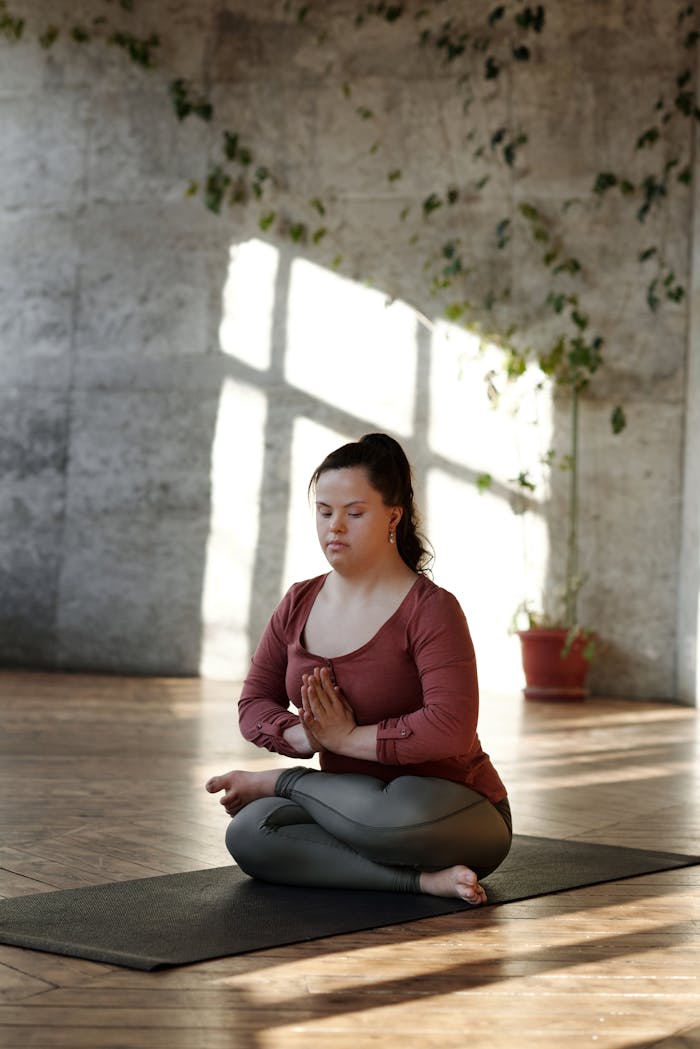
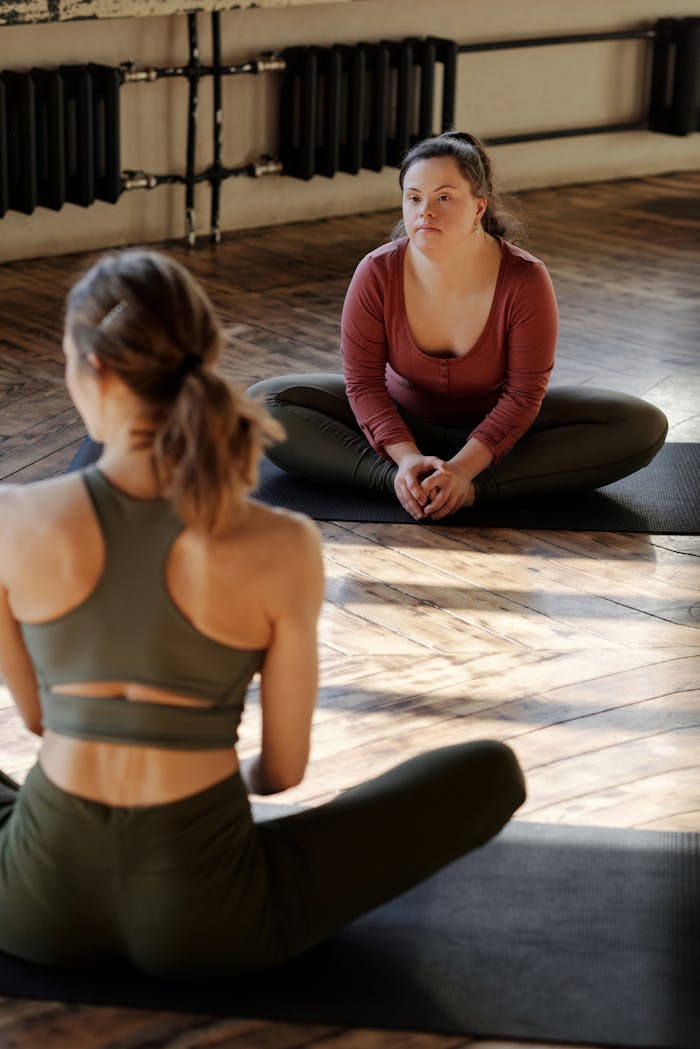
Raja yoga is often called the royal path because it guides us toward disciplined mastery of the mind. Traditionally connected with Patanjali’s Yoga Sutras, it offers far more than a posture-based class. This holistic practice supports ethical living, physical awareness, focused attention, and spiritual clarity.
Its eight limbs work together as an integrated path. Each step builds awareness, helping us bring greater intention to our choices, breath, body, thoughts, and inner life. Rather than following a rigid formula, practitioners develop balance gradually and in ways that fit their unique journeys.
That approach continues to resonate with modern yoga seekers exploring Michigan yoga studios and wellness classes. Whether you want more calm, purpose, or self-understanding, Raja Yoga offers practical tools for creating lasting well-being from the inside out.
The Foundation: Yamas and Niyamas
Raja Yoga begins with two grounding limbs: the yamas and niyamas. Together, they offer an ethical and personal foundation for living with greater awareness, balance, and care.
The yamas are outward-facing principles that guide how we relate to others and the world. They include non-harming, truthfulness, non-stealing, moderation, and non-attachment. Rather than strict rules, they are invitations to pause and choose wisely. You might practice non-harming through mindful speech, truthfulness through honest communication, or non-attachment by loosening your grip on comparison and outcomes.
The niyamas turn inward, shaping how we care for our own minds and lives. They include cleanliness, contentment, disciplined effort, self-study, and surrender to something greater. In daily life, this could mean creating a peaceful space, appreciating what is already present, observing recurring habits, or staying committed to a nourishing practice.
These principles support self-care without demanding perfection. They encourage you to notice your choices with curiosity and make small, meaningful adjustments. Over time, relationships can feel more compassionate, and well-being can become more intentional.
While Raja Yoga emphasizes inward discipline and self-awareness, Karma Yoga’s principles of selfless action focus on serving others without attachment to personal reward. Both paths invite mindful, purposeful living.
From the Body to the Breath: Asana and Pranayama
The third limb, asana, refers to the physical posture used in yoga. Traditionally, an asana was meant to be stable and comfortable, helping the body prepare for seated meditation. Today, postures can also support strength, mobility, balance, and greater body awareness.
Still, Raja Yoga does not require extreme flexibility, advanced poses, or a particular body type. A simple seated position, gentle stretch, or supported posture can be meaningful when practiced with attention. Movement is a supportive tool—not the complete definition of yoga.
The fourth limb, pranayama, is the conscious regulation of breath. Because breathing influences the nervous system, gentle breath practices can settle the body and create a steadier foundation for concentration. Try lengthening your exhalation slightly, or explore alternate-nostril breathing at a relaxed pace.
Keep the breath smooth and comfortable, never forced. If you feel dizzy or strained, return to natural breathing. Slower practices can make this inner work feel accessible. Restorative postures and yin yoga’s slower approach to deep relaxation use stillness, support, and breath to encourage presence rather than performance.
Together, asana and pranayama help shift attention inward. They prepare you to notice sensations, thoughts, and emotions with greater patience, making deeper concentration more natural.
Turning Inward: Pratyahara, Dharana, and Dhyana
Together, pratyahara, dharana, and dhyana guide awareness from the outside world toward inner experience. This inward movement does not require leaving ordinary life. Instead, it helps you respond to sensations, thoughts, and emotions with greater choice.
Pratyahara means consciously reducing reactivity to external stimulation. You are not rejecting your senses or avoiding daily responsibilities. You might simply notice surrounding sounds without chasing each one, allowing your attention to rest more peacefully.
Dharana is the practice of deliberately placing attention on one object. That object could be your breath, a mantra, or a visual point. Distraction is a normal part of training. Each time you notice your mind wandering and gently return, you strengthen focus and emotional steadiness.
Dhyana develops when that attention becomes a more continuous, settled flow. Dharana involves returning to one point repeatedly, while dhyana describes awareness that feels less interrupted. Even brief practice can nurture present-moment awareness and a calmer response to stress.
Try five minutes of seated breathing during a busy day. Notice the breath, return when thoughts arise, and soften unnecessary tension. You can also explore these beginner-friendly yoga poses for balance and connection before sitting. With patience, Raja Yoga becomes less about perfect stillness and more about meeting each moment with mindfulness.
Samadhi and the Meaning of the Complete Path
Samadhi is the eighth limb of Raja Yoga. It is often described as profound absorption or a unity of awareness, though interpretations vary across yoga traditions. Rather than a productivity technique or guaranteed achievement, samadhi represents the culmination of sustained ethical practice, self-understanding, concentration, and meditation.
The eight limbs unfold as a connected progression. Ethical principles and personal observances support steady practice, while asana, breathwork, sense awareness, concentration, and meditation gradually refine attention. A yoga teacher, meditation instructor, or thoughtful class setting can help beginners approach this tradition safely and respectfully. Learning what to expect from yoga teacher training can also offer helpful context.
Still, the limbs are not a checklist or promise of instant enlightenment. Practitioners may revisit each one throughout life as physical, emotional, and spiritual needs change. Together, they form an adaptable framework for living with greater awareness, balance, and compassion.
Beginning a Raja Yoga Practice Today
Raja Yoga brings together how you act, care for your body, breathe, focus, and relate to inner experience. You can begin without changing your whole life. Choose one kind intention, observe a few mindful breaths, or sit quietly for several minutes.
As you grow curious, explore yoga classes or meditation practices for guidance and community, though no studio is required. The goal is not perfection. Through gradual awareness, balance, and compassion, Raja Yoga can support a more connected way of living.