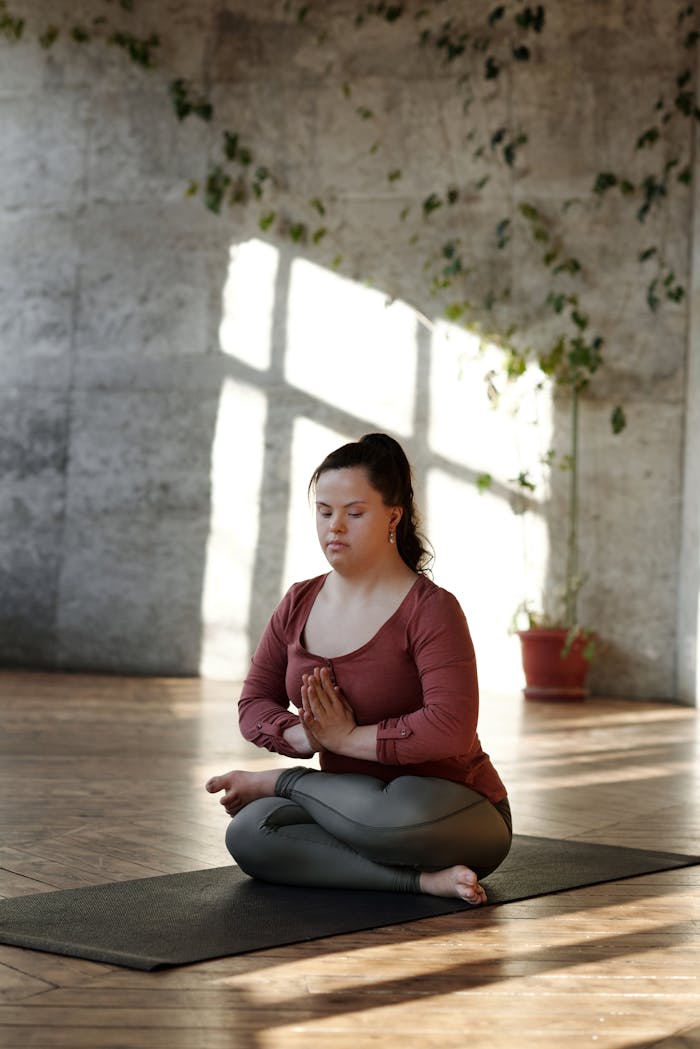
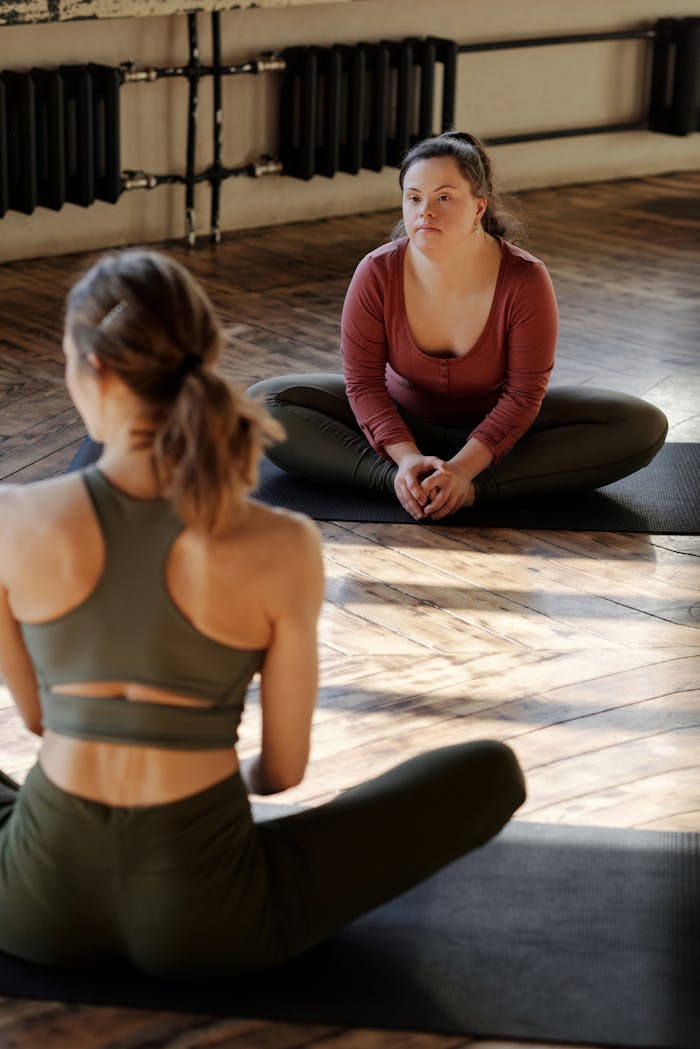
Yin yoga is a slow, contemplative practice centered on stillness, passive stretching, mindful breathing, and extended holds. Rather than building heat, speed, or athletic intensity, it invites you to slow down and notice physical and mental sensations with curiosity. This spacious approach appeals to anyone seeking greater balance, calm, and holistic well-being.
While active practices such as Hatha Yoga often link movement with breath, Yin Yoga emphasizes quiet attention and release. The two approaches can complement each other beautifully. In this guide, you’ll explore Yin Yoga’s principles, potential benefits, common poses, and its role in deep relaxation, along with simple guidance for beginning a supportive practice.
Understanding the Principles Behind Yin Yoga
Yin yoga works through quiet, supported shapes rather than rapid movement or intense exertion. Poses are usually practiced with relaxed muscles and held for about three to five minutes. Some advanced practices last longer, but the process always begins gradually, allowing stillness to feel safe and approachable.
Instead of actively contracting muscles, you settle into a position and notice how your body responds. You may first feel sensation in the muscles, then notice subtler sensations in areas that feel less familiar, including deeper connective tissues. Discomfort is never the goal. A useful sensation should remain manageable, steady, and free from sharp pain or strain.
Breath awareness helps create space for observation. As you breathe slowly, you can soften unnecessary effort and recognize when your body asks for less. This quiet, room-temperature approach differs from hot yoga, which often combines heat with more vigorous movement. Yin yoga does not require heat to feel meaningful or restorative.
Three central attitudes guide practice: find an appropriate edge, remain still when safe, and stay for a suitable length of time. These principles are invitations, not rules. Rather than forcing a deeper stretch, you respond to your body moment by moment, honoring its unique needs and limits.
The Benefits of Yin Yoga for Body and Mind
With consistent practice, yin yoga may support greater ease in the body and more steadiness in the mind. Supported, sustained poses gently invite mobility, especially around the hips, pelvis, spine, and shoulders. You may also become more aware of where you hold tension, even when flexibility does not noticeably change.
Props such as bolsters, blankets, and blocks can make each shape more comfortable. This support allows you to explore sensation without forcing a stretch. Some practitioners find that these quiet moments offer a restorative experience in themselves, regardless of how deeply they move.
Slow breathing and reduced external stimulation can help the body shift toward its relaxation response. As your attention settles on the breath and present sensations, your heart rate and muscle activity may naturally feel calmer. Yin Yoga does not promise to treat anxiety, insomnia, or medical conditions, but it can provide a supportive space for rest and self-awareness.
The practice also develops patience and interoception, or the ability to notice internal signals. Staying with a manageable sensation can strengthen concentration and emotional regulation over time. These skills may support more thoughtful responses during busy moments in daily life.
Benefits are personal and often gradual. You might leave class feeling grounded, refreshed, or simply more connected to yourself. Exploring grounding yoga poses can complement this inward, steady approach.
Beginner-Friendly Yin Yoga Poses to Try
Yin Yoga poses are simple shapes held with quiet attention, often for several minutes. Begin with a supportive yoga mat and plenty of space. You can explore these poses individually rather than following a rigid sequence.
Butterfly gently focuses on the inner thighs and hips. Sit with the soles of your feet together, then allow your knees to open naturally. Fold forward only as far as feels comfortable, resting your head or chest on a bolster or cushions if helpful.
For a quiet, inward focus, try Child’s Pose. Kneel and fold forward, keeping your knees together or comfortably wide. A Supported Child’s Pose places a bolster beneath your torso, making it easier to soften your belly, shoulders, and breath.
Sphinx offers a gentle backbend for the front body and spine. Rest on your forearms with your chest softly lifted. Lower your elbows farther forward, or place a cushion beneath your ribs, if the pose feels intense.
Dragon, or a gentle low lunge, explores the hips and front of the legs. Use blankets, blocks, bolsters, or cushions beneath your hands, hips, or knee to reduce strain.
Pose names and target areas vary across bodies and teachers. Aim for a manageable, steady sensation, never sharp pain, numbness, or tingling. After a long hold, transition slowly and pause briefly to notice the rebound sensation before continuing.
How Yin Yoga Supports Deep Relaxation in Practice
Create a quiet, comfortably warm space with soft lighting and several props nearby. For beginners, a 20- to 30-minute practice offers enough time to settle without feeling overwhelming. Wear comfortable yoga clothes that allow easy movement and gentle adjustments.
Begin with a few minutes of natural breathing. Rest your attention on the breath’s rhythm or the steady contact between your body and the floor. As you remain still, thoughts, restlessness, or emotions may arise. Notice them without judgment, then gently return to your chosen focus.
Move through a few supported poses, leaving time to listen inwardly. End with several quiet minutes in Savasana or another comfortable position, allowing your body and nervous system to integrate the practice.
Making Yin Yoga Part of a Balanced Wellness Routine
Yin Yoga combines sustained, supported poses with breath awareness and stillness. It offers a calming counterbalance to busy schedules and more vigorous movement while cultivating body awareness and deep relaxation.
Begin with one or two gentle sessions each week. Prioritize comfort, curiosity, and consistency over depth or flexibility. Seek qualified instruction or medical guidance if you’re managing an injury, pregnancy, osteoporosis, joint concerns, or unexplained pain.