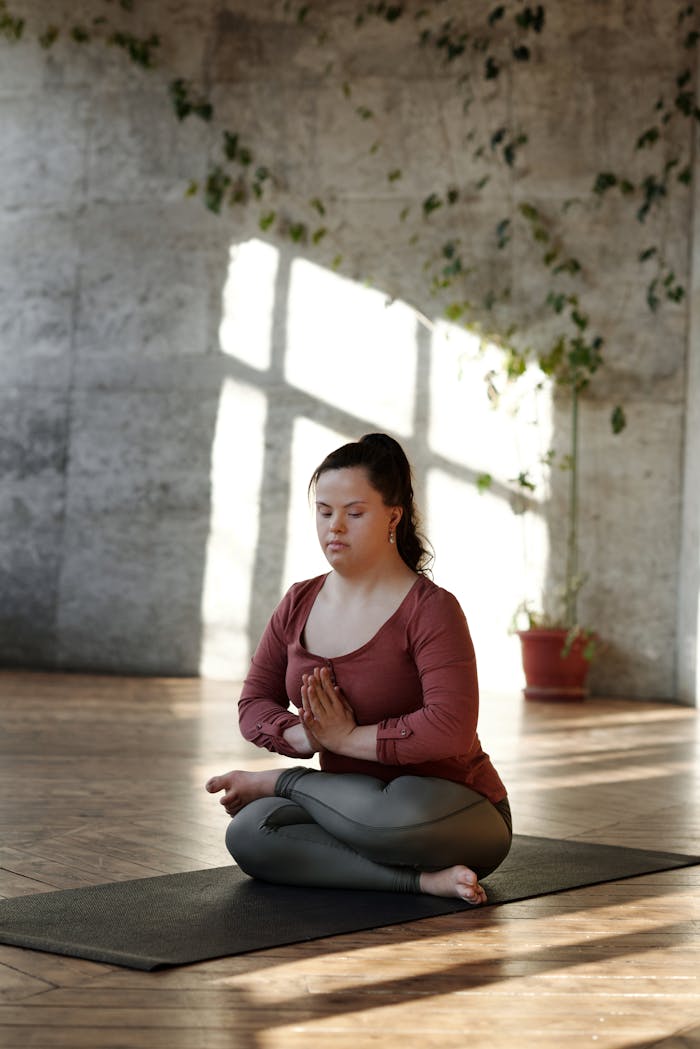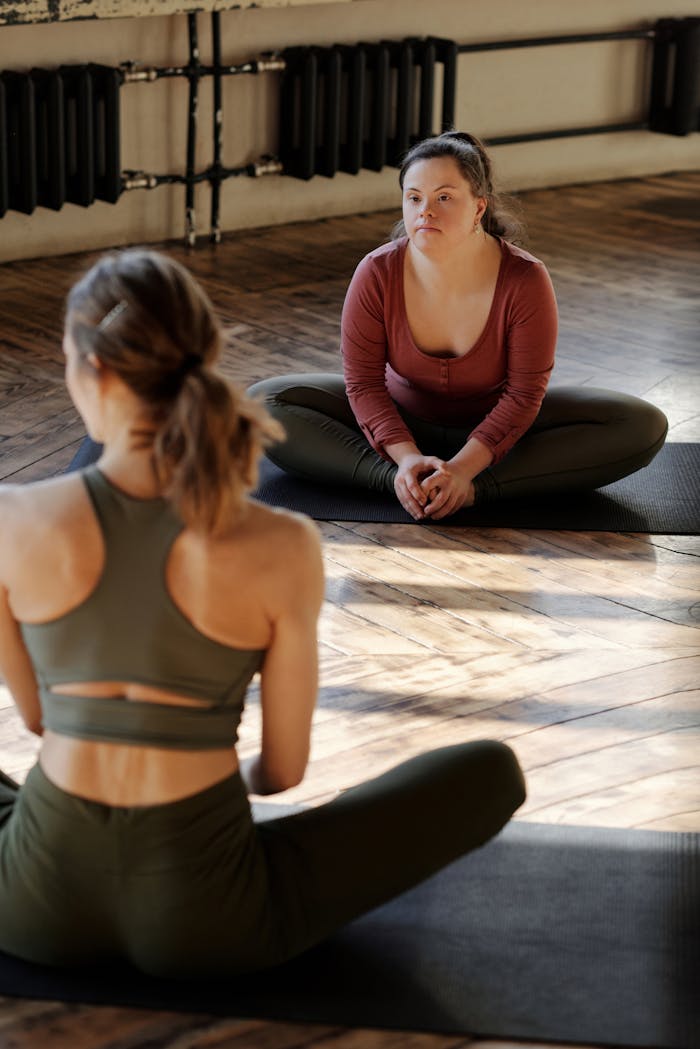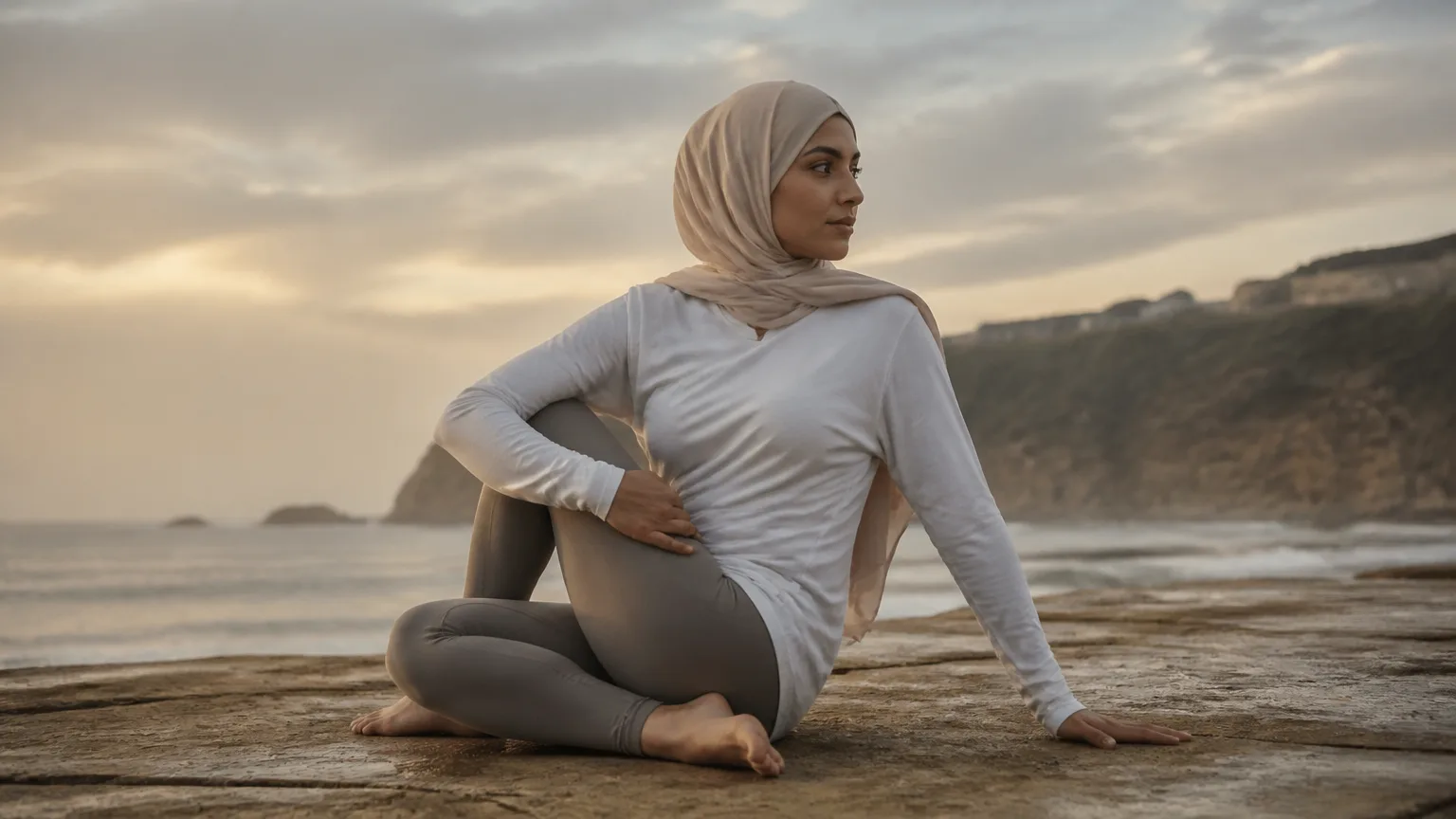
You may come across the phrase “porn yoga” in search results, on social media, or within adult content. It can sound like the name of a yoga style, but it is an informal label whose meaning depends on where and how it appears.
In most cases, the phrase describes yoga-inspired movement or poses presented in a sexualized context. That framing differs from yoga as a holistic practice, which may bring together movement, breath, mindfulness, and personal intention. Yoga itself is not inherently sexual, even when someone uses its poses or imagery for a different purpose.
Understanding the context can help you make sense of what you find without confusing adult media with wellness guidance. This article explores how the term is used, what separates sexualized content from yoga practice, and how to approach online material thoughtfully. You can then decide what aligns with your own comfort, values, and wellness goals.
What the Term Usually Refers To—and What It Does Not
“Porn yoga” is an informal phrase, not a precise definition. It may refer to explicit adult media that features yoga poses, settings, or terminology. In other cases, it may describe suggestive content or appear as a search label meant to attract attention.
These uses are related, but they are not interchangeable. A label alone may not tell you whether content is explicit, suggestive, or simply using yoga imagery to draw interest. Looking at the material and its context matters more than relying on the phrase.
Some adult content presents yoga poses in a sexualized way or uses familiar wellness language as a marketing hook. A mat, studio setting, or mention of breathing does not necessarily mean the material offers yoga instruction. Its purpose and presentation may be quite different from a class designed to guide movement and awareness.
That distinction is about the content, not a judgment about the people who create, perform in, or view it. Individuals may have different reasons for engaging with media, and the phrase alone does not reveal those reasons. It is more useful to ask what the material shows and how it is framed.
Yoga practice, by contrast, can support movement, breath, and attention to the body. A class might guide students through poses, offer ways to adapt them, and invite them to notice how each movement feels. The same pose can appear in many settings, but its presence does not make every portrayal a wellness practice.
“Porn yoga” is not a standardized yoga style, lineage, or wellness category. It does not name a recognized sequence, teaching method, or shared set of principles. If you are looking for yoga guidance, check whether the source explains its approach, supports safe participation, and focuses on practice rather than suggestive presentation.
Online labels can be vague, so take a moment to consider your comfort and goals before clicking. If you want movement or mindfulness support, seek resources that clearly describe their instruction and intentions. This can help you explore with curiosity while keeping adult media separate from wellness guidance.
How Yoga Imagery Becomes Sexualized Online
Yoga poses can look different depending on how they are presented. A teacher might demonstrate a stretch to explain alignment, breathing, or a safe range of movement. The same pose can be framed to invite sexual attention if the main focus is suggestive posing, rather than instruction or mindful practice.
Clothing alone does not tell the whole story. Many yoga practitioners wear fitted or minimal clothing because it supports movement and comfort. Camera angles, cropping, lighting, and repeated close-ups can shift attention away from the practice and toward someone’s body. Captions also shape interpretation: a clear cue about posture signals instruction, while suggestive language may encourage a different response.
Platforms can add another layer. Search results and tags sometimes place wellness education, suggestive promotion, and explicit media near one another, even when their purposes differ. A broad search for “porn yoga,” for example, may surface content that uses yoga poses as an adult theme, as well as material that has little to do with yoga instruction. Tags and recommendations can make these boundaries feel less clear than they are.
This is one reason to look beyond a pose when deciding what a post means. Consider what the creator says the content is for, what the camera emphasizes, and whether it offers useful guidance about movement or mindfulness. A pose by itself does not establish intent; context and presentation matter.
Visual art offers a helpful contrast. A yoga figure in a painting, illustration, or decorative print might represent calm, strength, devotion, or beauty. Artists make different choices about posture, setting, and style to communicate different ideas. Explore yoga art and mindful design for examples of how yoga-inspired imagery can express many intentions without functioning as instruction or adult content.
Online images can be personal, educational, commercial, playful, or sexually suggestive. Sometimes those purposes overlap, and viewers may interpret an image differently from its creator. You do not need to settle every ambiguity to make a thoughtful choice. If a post feels uncomfortable or does not match your goals, you can move on and seek sources that explain their approach clearly.
Porn Yoga Versus Yoga Practices Involving Nudity or Intimacy
A pose or outfit alone cannot tell you whether a yoga video is pornographic. The setting, stated purpose, consent, and intended audience offer more useful clues. A yoga practice may involve nudity or another person without being designed as adult entertainment.
Naked yoga, for example, may focus on body acceptance, comfort, movement, or mindfulness. Nudity does not automatically make a class or video sexual. What matters is how the practice is presented and whether participants feel safe, respected, and free to set limits. For more on naked yoga and its boundaries, consider the practical questions around privacy, consent, and personal comfort.
A clear description can help you understand the purpose before taking part. Is the session presented as movement instruction, a body-positive experience, or adult entertainment? Does it explain who will see the content and how it may be shared? These details matter, especially when filming or practicing in a group. You can choose a clothed setting, ask questions, or leave if a situation does not feel right.
Partner-based yoga also has a range of forms and intentions. Couples yoga can use supported poses to explore balance, communication, and connection. The goal may be to listen to one another, adjust together, and build trust—not to create sexual content. Beginner-friendly couples yoga for trust and connection can offer a structured way to practice with a partner.
Adult entertainment may also use yoga poses or partner movements, but its framing and intended audience are different. A familiar pose can appear in either context. Rather than judging by the movement itself, notice whether the material emphasizes instruction and wellbeing or is presented primarily for sexual viewing.
Consent is important in every setting, but it is not the only consideration. People should understand what they are agreeing to, including touch, clothing expectations, photography, and distribution of any images. A person’s agreement to practice does not automatically mean agreement to be filmed or have content shared.
If you are unsure how to interpret a post, look for clear information about its purpose and audience. You do not need to label every ambiguous image as either wellness content or pornography. Checking in with your comfort and boundaries can help you choose what supports your own goals.
Consent, Boundaries, and Ethical Questions
When sexualized content is presented as yoga instruction or wellness, clear consent and transparency matter. A person’s choice to participate in a pose does not automatically mean they agreed to be filmed, have the footage edited, or share it with a particular audience. Consent is specific to each part of the process, and it can change over time.
Consider what the people involved agreed to: filming, distribution, editing, and the intended audience. A video made for a private class, for example, is not automatically appropriate to repost publicly. Ethical content gives participants room to understand how their images may be used and to make informed choices.
Viewers can also look for signs of clarity and agency. Are promotional claims specific about whether the material is yoga instruction, adult entertainment, or both? Do participants appear to have control over their involvement, and are their privacy and identifying details protected? These questions can help you assess the content without assuming you know the full story.
Appearance alone cannot tell you whether someone consented, felt comfortable, or chose to take part freely. A pose, expression, or outfit is not proof of anyone’s motives or experience. Viewers see only what a creator chooses to show, so it is wise to avoid treating assumptions as facts.
The term “porn yoga” can blur expectations, especially when a post uses wellness language to promote sexualized material. Clear descriptions help people decide whether content fits their interests and boundaries. If the purpose, audience, or use of someone’s image is unclear, you can pause, seek more information, or choose not to engage.
Your own boundaries matter, too. You might be comfortable with movement-focused instruction but not sexualized presentation, or you may simply prefer content with transparent descriptions. There is no single response you need to have. Taking a moment to notice what feels right for you can help you make a thoughtful choice.
What This Label Can Mean for a Holistic Wellness Practice
As you explore online content, you may notice how a sexualized portrayal shapes ideas about bodies and yoga spaces. It can suggest that a practice should look a certain way, or that appearance matters more than how movement feels. That message may feel confusing, uncomfortable, or simply irrelevant to you. There is no single response you need to have.
A yoga practice does not need to match a polished image to be meaningful. For many people, its everyday aims include noticing the breath, building strength, improving mobility, or making space for personal reflection. These goals can be part of a quiet home practice, a studio class, or a few minutes of mindful movement.
The phrase “porn yoga” describes a media label, not a standard for yoga or a guide to wellness. A staged performance and an instructional class may both show yoga poses, but their purposes and presentation can differ. Keeping that distinction in mind can help you choose content based on what you want from it, rather than on how closely it matches a particular image.
Yoga environments also have their own norms. Some classes emphasize alignment and stillness, while others bring heat, music, or a more vigorous pace. A heated class is not defined by sexualized imagery or by the phrase under discussion. If you are curious about the range of heated formats, you can learn more about how real hot yoga differs from other heated classes.
You can choose the settings and media that support your well-being. Perhaps you prefer clear instruction and a focus on breath; perhaps you feel comfortable with other forms of presentation. Either way, checking whether a source explains its purpose can help you decide if it fits your needs.
Mindfulness includes noticing your own response without judging it. If a post does not feel right, you can leave it behind; if it meets your goals, you can engage thoughtfully. Your practice belongs to you, and it can take a form that feels balanced and supportive.
Finding Clear, Respectful Yoga Instruction Online
When you explore yoga videos or social posts, start by checking what the creator says the content is for. A class description that names its focus, level, and intended audience can help you tell whether it offers movement instruction, general wellness ideas, or adult entertainment. The phrase “porn yoga” may appear in searches, but it does not describe one consistent type of content.
Consider the creator’s qualifications when they offer physical instruction or make claims about health. Credentials alone cannot guarantee a good fit, but relevant training and clear teaching can offer useful context. Notice whether the movement guidance explains options, encourages gradual practice, and avoids pressuring you to push through pain.
A wellness video should also make its purpose and boundaries reasonably clear. Look for information about how a platform handles privacy, personal data, and viewer interactions, especially if it invites you to share details or join a community. You can take time to read descriptions and policies before deciding whether to engage.
Pay attention to your own comfort as you browse. If a post feels sexualized when you were looking for a calm class, you can close it, adjust your search, or use the platform’s controls to hide or report content. These tools are there to help shape your experience, not to pass judgment on other people’s choices.
For questions about injuries, pregnancy, pain, or other health concerns, seek guidance from a qualified professional rather than relying on a short online clip. A teacher may offer general modifications, but online content cannot assess your individual needs. Choosing instruction that respects your limits is part of caring for yourself.
Mindful media choices can support a balanced practice, just as noticing your breath can help you stay present on the mat. You might prefer straightforward movement cues, a particular teaching style, or a setting that feels welcoming. If you are looking for clearly described yoga and wellness material, Joyous Yoga’s yoga and wellness resources can be one place to explore. Let your goals and boundaries guide what you choose, while allowing others to make choices that suit them.
Frequently Asked Questions
What does “porn yoga” mean?
“Porn yoga” is an informal label commonly used for pornographic or sexualized content that features yoga poses, clothing, or imagery. It is not a recognized yoga style or a term for a particular wellness practice. The label describes how some content is presented, not a tradition of yoga.
Is porn yoga a real yoga discipline?
No. The phrase does not identify a standardized lineage, teacher certification, or wellness method. A video or image may use yoga movements, but that alone does not make it part of a recognized discipline. If you’re looking for instruction, check whether the provider explains their training, teaching approach, and class goals.
Is naked yoga the same as porn yoga?
No. Nudity alone does not establish sexual intent. Purpose, consent, setting, and presentation all matter: a class may offer nonsexual movement in a body-neutral environment, while other media may frame similar poses erotically. Clear descriptions can help you understand what to expect and decide whether it suits your comfort and goals.
Can yoga poses be used in adult content?
Yes. Yoga poses can appear in many kinds of media, including adult content, fitness videos, art, and educational materials. The same pose can serve different purposes depending on how it is filmed, described, and shared. Adult media featuring yoga imagery is distinct from a class designed to support movement, mindfulness, or holistic wellness.
How can I tell what kind of content I’m viewing?
Look for context rather than relying on a pose or outfit alone. A page’s description, intended audience, teaching guidance, and presentation may offer clues about its purpose. If the information is unclear, or the material does not feel right for you, you can step away and choose a source that describes its approach openly.
Understanding the Phrase Without Losing Sight of Yoga’s Purpose
“Porn yoga” is a context-driven label, not a formal category of yoga practice. The same pose may appear in mindful movement instruction or in sexualized media; its meaning depends on the surrounding presentation, purpose, and intended audience. Clear descriptions and consent matter when interpreting or sharing yoga-related content.
Yoga practice, at its heart, can support mindful movement, breath, and balance. Sexualized representation has a different purpose, even when it borrows yoga poses or imagery. When content feels ambiguous, you can pause, consider your comfort and goals, and choose whether to engage.
There is no single right way to approach yoga. You might prefer a guided class, a quiet home practice, or another setting that feels respectful and safe. Let your own needs and boundaries guide you, and know that everyone deserves space to explore forms of movement and mindfulness that feel supportive.