Jnana Yoga is the path of wisdom, inviting us to explore who we are beneath changing thoughts, beliefs, roles, and experiences. Rather than focusing only on physical postures, jnana yoga uses calm self-inquiry to recognize a deeper sense of self. This practice is not overthinking or criticizing yourself. It is a compassionate investigation guided by awareness, curiosity, and discernment.
Like Raja Yoga’s eight-limbed path, Jnana Yoga reflects yoga’s broader purpose: cultivating inner peace and balance. Through thoughtful reflection, meditation, and mindful observation, you can notice which stories shape your life and gently question whether they still serve you. This journey can support greater clarity, resilience, and holistic well-being—without requiring you to abandon your everyday life.
The Core Questions Behind Self-Inquiry
Jnana yoga begins with questions that invite curiosity rather than quick conclusions. You might ask, “Who am I beyond my roles, habits, and thoughts?” or “What remains when a feeling or belief changes?” These questions open space to observe your inner life with patience.
A central principle is the distinction between awareness and the contents of awareness. Thoughts, emotions, sensations, and memories continually shift. Awareness is the capacity to notice these experiences. Understanding this difference can unfold gradually, especially through quiet reflection or meditation.
For example, noticing “I am experiencing anger” creates a little space from the anger itself. You are not denying the feeling or forcing it to disappear. Instead, you are recognizing it as a temporary experience within a wider field of awareness.
This practice develops discernment, a key element of jnana yoga. Discernment means learning to recognize what is reactive, conditioned, or fleeting, and what supports clarity, compassion, and steadiness. Over time, self-inquiry can help you respond with greater intention, even when life feels uncertain.
How Self-Inquiry Can Support Spiritual Growth
Jnana Yoga can make spiritual growth feel practical and grounded. As you observe thoughts without immediately identifying with them, you create space between a trigger and your response. Instead of reacting defensively to criticism, you might notice the hurt, question its story, and choose a calmer reply.
This growing awareness supports emotional resilience. You begin to recognize patterns without judging yourself, including fear, impatience, or the need to be right. Spiritual growth then becomes less about escaping ordinary responsibilities and more about meeting life with honesty, presence, humility, and compassion.
Self-inquiry can also bring intention to everyday choices. Before speaking, working, or resting, you might ask, “What is guiding me right now?” This pause can help you act from your values rather than from habit or anxiety.
Jnana Yoga’s inward questioning offers one path, while Bhakti Yoga’s devotional practices nurture connection through love, trust, and reverence. These approaches do not compete. Devotion can soften the heart, while wisdom can clarify where that love is directed. Together, they support a more balanced and compassionate relationship with yourself, others, and daily life.
A Beginner-Friendly Jnana Yoga Practice
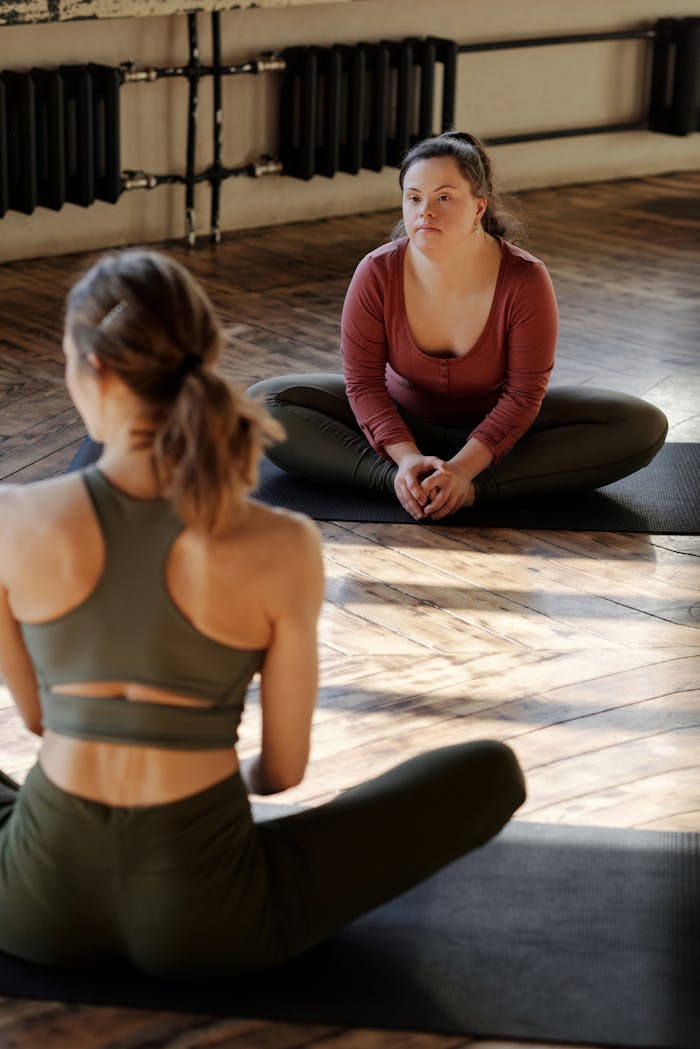
You do not need advanced philosophy to begin practicing jnana yoga. Start with five to ten quiet minutes, perhaps after gentle movement, breathwork, or a yoga class suited to your wellness goals. These practices can help prepare your body and attention for stillness, especially when you choose a welcoming class that supports your individual needs.
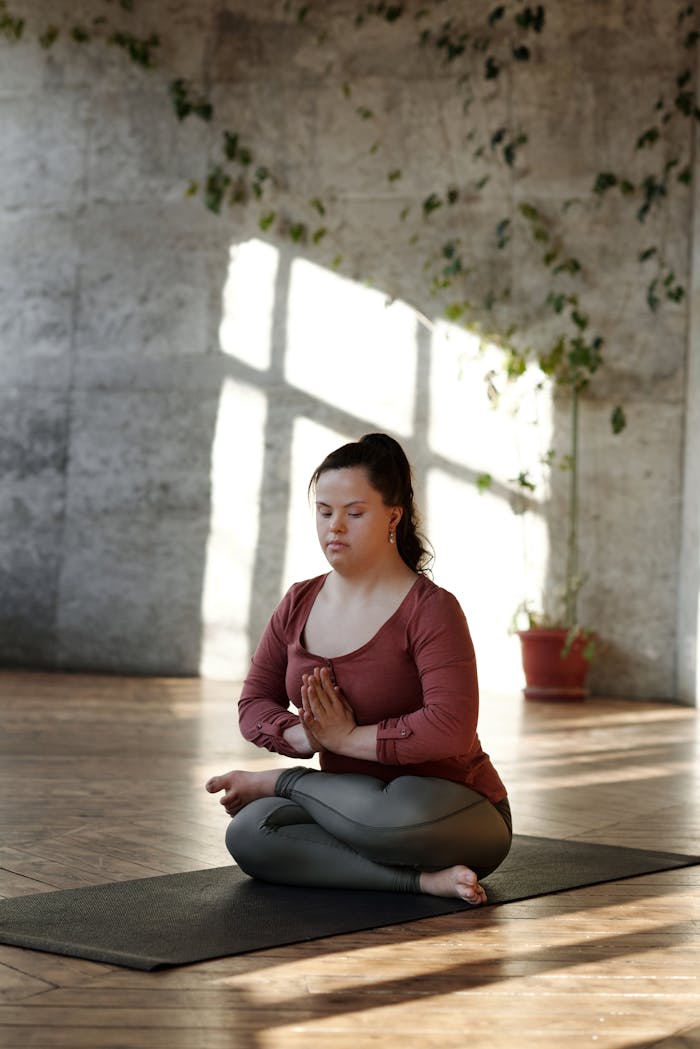
Settle into a comfortable position and allow your body to soften. Follow your natural breath for several slow cycles, noticing its rhythm without trying to control it. When a recurring thought or emotion appears, name it gently: worry, planning, irritation, or sadness.
Then ask, “What is aware of this thought or feeling?” You do not need to find a perfect answer. Simply notice the quiet awareness observing your experience, and return to that open observation whenever the mind wanders.
Afterward, spend a few minutes journaling. Try prompts such as, “What did I assume today?” or “Which parts of my identity felt threatened?” Write honestly, without judging your responses. Over time, this simple routine can reveal habitual stories and create space for more mindful choices.
Common Misunderstandings and Ways to Practice Safely
Jnana yoga is sometimes mistaken for endless analysis. Yet self-inquiry should create clarity, not rumination. If questioning increases anxiety, return to sensory awareness, gentle movement, or steady breath regulation. A qualified teacher or mental health professional can also offer supportive guidance.
Self-inquiry is not spiritual bypassing. It does not ask you to reject your personality, relationships, or emotions. Instead, it helps you relate to them with greater honesty, compassion, and clarity. Notice difficult feelings without using spiritual ideas to dismiss them.
Another misunderstanding is that Jnana Yoga requires withdrawing from everyday life. You can practice while working, caring for family, or connecting with friends. Pause during ordinary moments and ask, “What am I believing right now?” Then listen without forcing an answer.
A comfortable, distraction-reducing setup can support consistency. Consider choosing a supportive yoga mat or cushion for meditation. Equipment remains secondary, however; your steady presence matters most.
Bringing Jnana Yoga Into Everyday Life
Jnana yoga is not limited to occasional intellectual reflection. It becomes meaningful through daily awareness, ethical choices, and compassion. By noticing your thoughts, roles, and reactions without being completely defined by them, you create space for clearer, steadier responses.
Begin with a few quiet minutes, one honest question, and a willingness to observe without forcing an answer. You might ask, “What am I believing right now?” Let the question accompany you through conversations, challenges, and ordinary choices. This grounded practice can begin at home, wherever you are.
For a more systematic exploration, deeper yoga philosophy and teacher training can offer valuable guidance and community. Yet every sincere moment of self-inquiry is already a meaningful step toward spiritual growth.