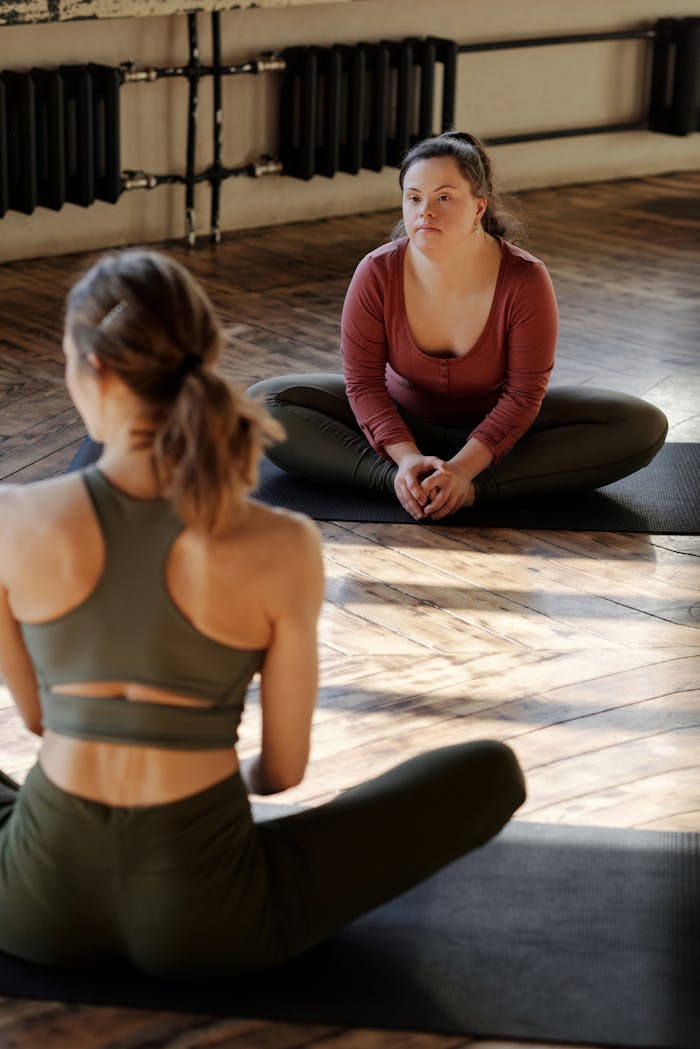
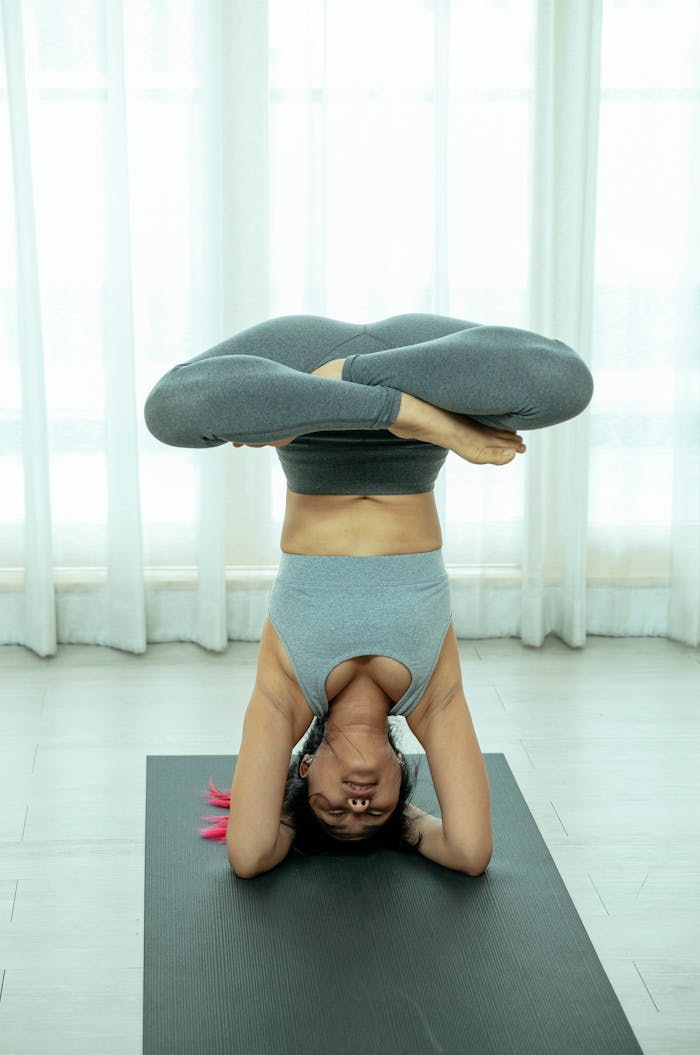
Viniyoga is an individualized approach to yoga that meets you where you are. Rather than asking everyone to follow the same poses, it adapts movement, breathing, sequencing, and meditation to your age, health, goals, energy, and experience.
This does not mean Viniyoga is simply a gentle class or a particular collection of postures. It is a thoughtful method for applying yoga in ways that support your changing needs. A practice might build strength and mobility, ease physical tension, calm the nervous system, or create space for deeper self-awareness.
Unlike standardized or performance-oriented classes, Viniyoga places breath, function, and personal connection at the center. Each movement becomes an opportunity to notice what your body and mind are communicating. In that way, it supports both physical function and a steadier relationship with yourself, reflecting the broader principles of karma yoga. As you explore this adaptive practice, you may discover a more balanced, sustainable path toward holistic well-being.
The Origins and Core Principles of Viniyoga
Viniyoga grows from the teachings of T. Krishnamacharya, whose approach honored each student’s needs, abilities, and life circumstances. His son and student, T. K. V. Desikachar, helped share these teachings with wider audiences. Rather than a rigid exercise system or branded style, viniyoga describes a way of transmitting and applying yoga’s broader wisdom.
At its heart is the principle that yoga should be adapted to the individual. Movement is often guided by the breath, with sequences chosen for their appropriate pace, direction, and purpose. Practice may begin simply, progress gradually, and change over time as a person’s goals and experience change.
A viniyoga practice can include asana, pranayama, meditation, chanting, self-inquiry, or other traditional tools. These elements are selected to support a specific intention, such as building steadiness, developing body awareness, or creating a reflective daily routine. Physical postures are one part of the practice, not its entire purpose. This flexible framework invites you to explore yoga as a practical path for working with body, breath, mind, and attention.
How a Viniyoga Practice Adapts to the Individual
In Viniyoga, a posture is a starting point, not a fixed shape. The same movement might be practiced standing, seated, with a chair, or with supportive props. A teacher may also reduce the range of motion, slow the pace, or replace the movement entirely.
This individualized approach considers mobility, strength, pain history, age, pregnancy, stress levels, and previous experience. Someone rebuilding strength may practice fewer repetitions with longer pauses. Another student may focus on balance, gentle mobility, or a calming breath pattern. The teacher can adjust breathing techniques, movement speed, and attention to match the student’s needs that day.
This accessibility connects with chair yoga’s gentle approach to mobility and relaxation. However, Viniyoga is broader than chair-based practice. It is an adaptive methodology that may include standing, floor-based, seated, breath-centered, or meditative practices.
For a pregnant student, adjustments might create more space and comfort as the body changes, much like how prenatal yoga classes are adapted for changing needs. These modifications are not lesser versions of yoga. They are central to practicing safely, meaningfully, and with respect for your unique body and season of life.
Mind and Body Benefits of Viniyoga
A consistent viniyoga practice may help you build clearer body awareness and more functional movement. Moving slowly and intentionally can support coordination, posture, balance, and comfortable mobility in daily activities. Linking each movement with the breath also brings attention to present sensations, making it easier to notice unnecessary tension or familiar movement patterns.
Over time, this mindful approach may support steadier breathing and a more responsive relationship with your body. You might recognize when you are bracing your shoulders, rushing through a transition, or holding your breath. These observations are not problems to fix immediately. They offer useful information for making gentler, more supportive choices.
Viniyoga can also encourage greater calm, stress awareness, and concentration. A practice shaped around your needs may feel more sustainable than exercise driven by pressure or comparison. It can nurture self-compassion by honoring your energy, abilities, and changing circumstances. Some people may also benefit from pairing adaptive movement with restorative yoga’s emphasis on props and deep relaxation. Results vary, however, and yoga should complement—not replace—appropriate medical or mental-health care.
What to Expect in a Viniyoga Session
A Viniyoga session often begins with a check-in about your energy, goals, and current health. You may then center your attention before moving through gentle, breath-linked movements and individualized postures.
Your teacher might include breathing practices, meditation, or guided relaxation. Sessions often close quietly, allowing you to notice changes in your body and mind. The pace may feel slower and more exploratory than fitness-focused yoga, yet movements can still be physically engaging when appropriate.
Props such as straps, blankets, bolsters, walls, and blocks can support alignment, range, stability, and comfort. Learn more about using yoga blocks to support a personalized practice.
Look for a teacher who listens carefully, asks thoughtful questions, and explains modifications clearly. Share relevant health information, ask how adaptations are offered, and stop or adjust any movement causing sharp pain, dizziness, or distress.
Is Viniyoga Right for You?
Viniyoga brings together movement, breath, reflection, and relaxation with an emphasis on appropriateness, not performance. Its responsive approach can support greater balance, accessibility, and mindful self-awareness as your needs change.
If you’re curious, consider an introductory session with a qualified teacher who listens and offers thoughtful adaptations. The most supportive practice is not always the most demanding. It is the one you can return to consistently, thoughtfully, and with care.