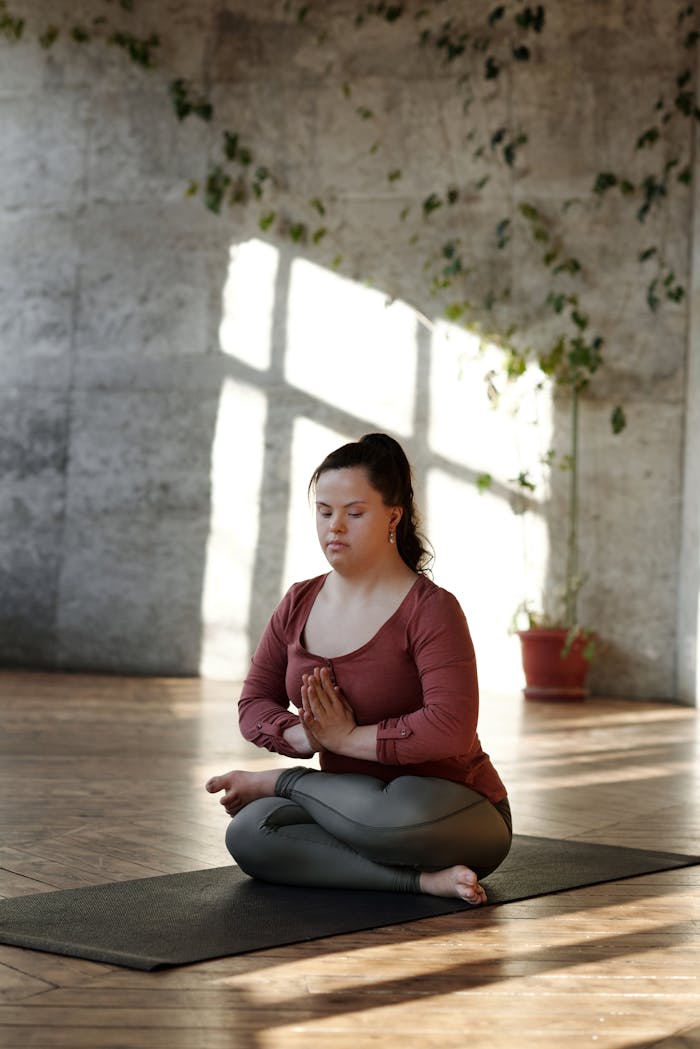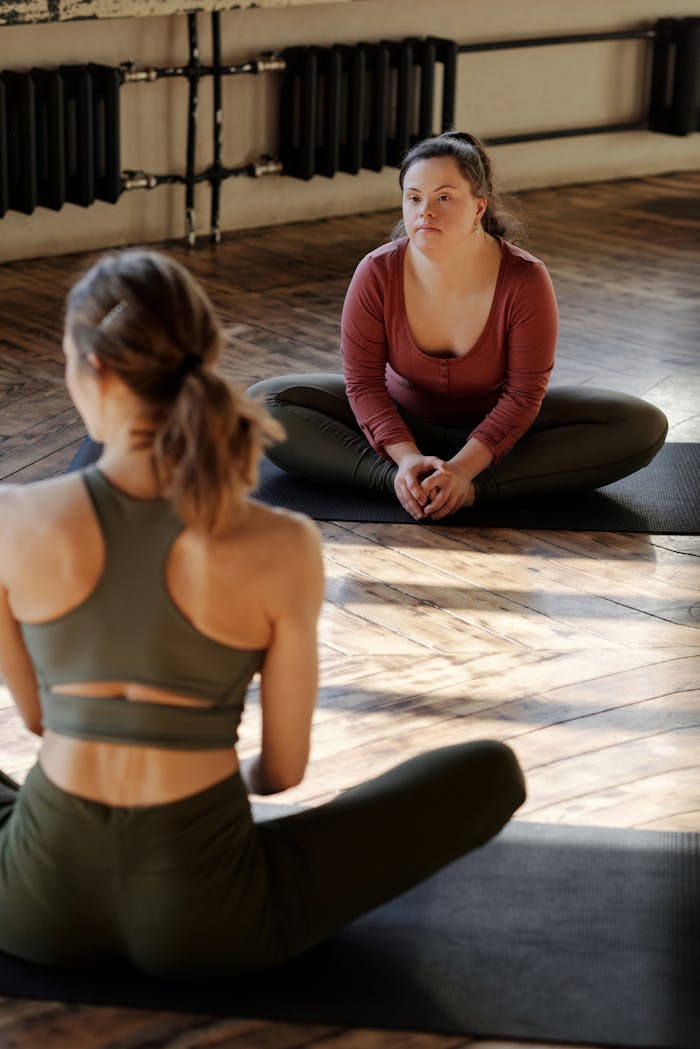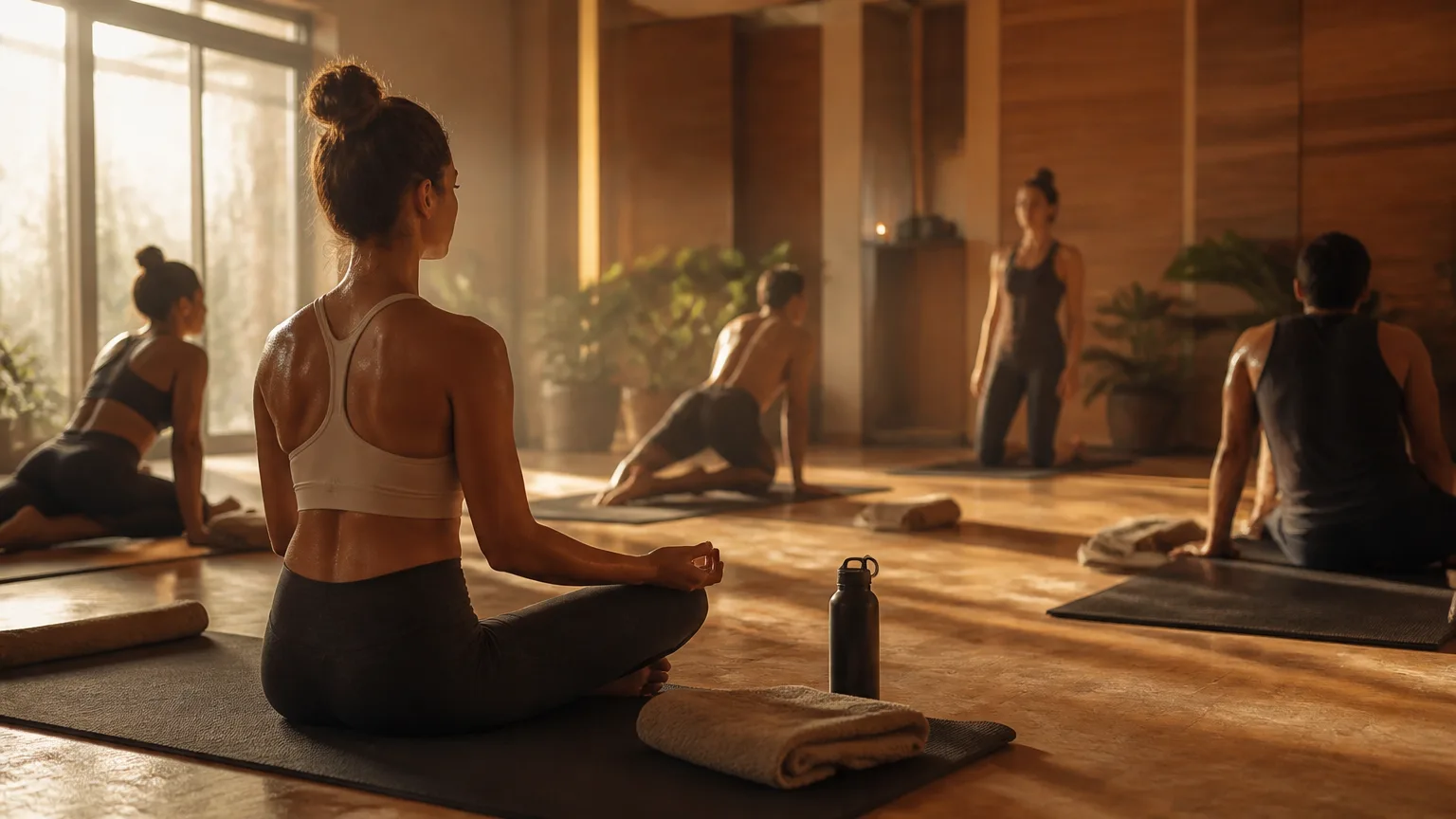
Stepping into your first hot yoga class can feel exciting, unfamiliar, and even a little intimidating. The warm room, flowing movement, and steady focus create an experience unlike many traditional workouts. With a little preparation, you can meet the practice with curiosity instead of pressure.
Hot yoga takes place in a heated studio, often with added humidity. The warmth may help your muscles feel more mobile, but it can also make familiar movements feel more challenging. You may sweat more than expected, breathe differently, or need extra pauses as your body adjusts.
You do not need to be flexible, experienced, or physically fit to begin. Your goal is not to copy every pose perfectly. Instead, focus on awareness, safe participation, and listening to your body throughout class. Resting in Child’s Pose or stepping out briefly is always a valid choice.
Hot yoga can support strength, mobility, mindfulness, stress relief, and a deeper sense of holistic well-being. It is not one single, fixed format, however. Room temperature, class length, sequence, and intensity vary between studios, so ask about the class style before arriving. Joyous Yoga offers a welcoming place to explore your practice at your own pace.
As you prepare, remember that your first class is simply an opportunity to notice how you feel. The following guidance will help you arrive prepared, stay comfortable, and build a meaningful relationship with the practice.
Understanding Hot Yoga Before You Book Your First Class
Hot yoga is yoga practiced in a heated room, often with added humidity. The warmth encourages your muscles to loosen and can make movement feel different from a regular class. It also asks your body to work harder to regulate temperature, so preparation and self-awareness matter.
Not every studio creates the same environment. Some rooms feel warm and moderately humid, while others are intensely hot. Before booking your first hot yoga class, check the room temperature, humidity, class length, and level description. A beginner-friendly session may offer more breaks and slower pacing than an advanced class.
Class styles can also vary. A general hot yoga class may include breathwork, standing poses, balance work, and strength-focused sequences. You may then move into floor stretches before ending with relaxation and savasana. The teacher might offer several options, helping you choose movements that match your energy and experience.
You may also encounter more structured formats, such as Bikram yoga. These classes traditionally follow a set sequence of poses and breathing exercises in a heated room. Other hot yoga classes may change from session to session, blending different poses and teaching styles. Neither approach is best for everyone; the right choice depends on what feels supportive to you.
It is helpful to release the idea that more sweat means a better practice. Sweat mainly shows that your body is cooling itself. It does not measure your focus, progress, strength, or success.
The deeper benefits come from consistent, mindful movement. Paying attention to your breath, respecting your limits, and returning regularly can help you build balance over time. If the heat feels overwhelming, pause in child’s pose, rest on your mat, or step outside briefly.
Your first class is not a test of endurance. Choose a session that allows space to learn, ask questions, and move at your own pace. A welcoming teacher will help you explore the practice with curiosity rather than pressure.
How to Prepare for Your First Hot Yoga Class
A little planning can help you feel more at ease when you arrive. Start by choosing a beginner-friendly class at a time when you can move slowly and stay present. If possible, register in advance and check the studio’s policies, including check-in times, room temperature, and equipment rentals.
Plan to arrive 15 to 20 minutes early. This gives you time to complete check-in, meet the instructor, and ask any questions. You can also choose a comfortable spot and let your body acclimate to the warm room instead of rushing in just before class begins.
Hydration starts well before your hot yoga class. Drink water consistently throughout the day rather than consuming a large amount immediately beforehand. Too much water at once may feel uncomfortable during movement. Depending on your body, the class length, and how much you sweat, you may also benefit from electrolytes. Your needs can vary, so notice how you feel and ask your healthcare professional for personalized guidance.
Try to eat a light, familiar meal or snack well before class. A banana, toast, oatmeal, or yogurt may provide gentle energy without feeling too heavy. Avoid greasy, rich, or unfamiliar foods immediately beforehand. Give yourself enough time to digest, especially if you know that heat or movement can affect your stomach.
Wear breathable, moisture-wicking clothing that allows you to move freely. Many people prefer fitted shorts, leggings, or lightweight layers that stay comfortable as they sweat. Bring the following supplies:
- A yoga mat, large towel, hand towel, and water bottle
- A change of dry clothes for after class
- Optional sandals or a small bag for keeping belongings organized
A large towel can help prevent slipping and make the experience more comfortable. If the studio rents mats or towels, confirm availability before you go. Pack a little more than you think you need, especially for your first visit.
Your health and comfort come first. Contact the studio before booking if you are pregnant, have a cardiovascular condition, blood pressure concerns, heat sensitivity, an injury, or another medical consideration. Also mention any medications that may affect hydration, sweating, balance, or your response to heat. The instructor may suggest modifications or recommend speaking with your healthcare provider first.
During class, remember that preparation does not mean pushing through every sensation. Bring curiosity, listen to your body, and take breaks whenever needed. With the right support and a thoughtful plan, you can enter your first class feeling grounded and ready to explore.
What Happens When You Arrive at the Studio
When you arrive for your first hot yoga class, begin at the front desk. The staff will check you in, confirm your class, and ask you to complete a waiver if you are new. This is a good time to mention that it is your first class so they can answer questions and offer helpful guidance.
Next, you’ll usually find the changing area, lockers, or a place to store your belongings. Remove your shoes before entering the practice space, silence your phone, and keep valuables secure. Some studios provide lockers, while others ask you to leave bags in a designated area.
You may rent or borrow a mat, towel, or other equipment, depending on the studio’s policies. Facilities vary widely, including showers, towel service, water refill stations, and rental options. Check the website or call ahead so you know what to bring and avoid surprises.
A staff member may show you where the studio room is, explain the temperature, and point out important features. Look for a clean, calm space where students have room to set up without crowding one another. A beginner-friendly studio might offer clear instructions, welcome questions, and create an atmosphere where everyone can practice without comparison.
You can choose a spot near the door if you want an easy exit or extra peace of mind. A place toward the back may also feel comfortable while you learn the flow of class. There is no “best” or most advanced location. Visibility and airflow often matter more than being close to the instructor.
Before class begins, introduce yourself to the teacher and share any injuries, health concerns, or movement limitations. Let them know you are new to a hot yoga class. They can explain where to rest, suggest modifications, and help you understand what to expect during the session.
Studio etiquette is simple and considerate. Give others space, avoid unnecessary conversation once class starts, and keep your belongings neatly contained. If you need to step outside, move quietly and return when you feel ready.
If you want a clearer picture of the arrival experience, explore what to expect at a yoga studio. Every studio has its own rhythm, but a welcoming team will help you feel oriented before you enter the room.
What the Class Feels Like From Start to Finish
A hot yoga class often begins quietly. You may settle onto your mat, notice the warmth, and listen as the instructor explains the sequence. During the first several minutes, the room may feel surprisingly intense. Your body needs time to adjust to the heat, humidity, and steady movement.
Start with calm, steady breaths through your nose when comfortable. Focus on how your body feels rather than matching the pace or depth of experienced students. Controlled transitions can help you stay balanced and aware, especially when changing positions on a warm, slippery mat.
Your instructor will usually guide you with verbal cues and demonstrations. They may offer different options for each posture, such as bending your knees, lowering your arms, or resting between movements. Looking around to understand the sequence is completely acceptable, and you can always pause in child’s pose or rest on your mat.
As the class builds, the physical intensity may increase. You might sweat heavily, feel your muscles working, and notice your attention becoming more focused. Some students feel calm and centered during this part, while others feel distracted, frustrated, or self-conscious. Every reaction is normal during a first class.
Think of the practice as an awareness exercise, not a performance. Notice your breathing, your balance, and the difference between effort and strain. If a posture feels too deep or demanding, choose a gentler modification or take a break. Rest is a valuable part of learning.
Pay close attention to warning signs. Dizziness, nausea, confusion, chills, unusual weakness, chest pain, or difficulty breathing mean you should stop. Sit or lie down, leave the heated room if needed, and tell the instructor or studio staff. Seek appropriate medical help when symptoms are severe, continue, or feel concerning.
Near the end, the pace typically slows. You may move through gentle stretches before settling into a final relaxation pose. This quiet period allows your breathing and heart rate to settle, while giving you space to absorb the experience.
You may leave feeling energized, peaceful, tired, or emotionally full. You might also feel unsure about certain poses or sensations. Let those observations guide your next step, without judging yourself or expecting every class to feel the same.
How to Practice Safely in the Heat
Heat can make movement feel smoother, but it can also change how you judge your range of motion. As your muscles warm, you may feel ready to stretch farther than your tissues are prepared to go. Prioritize stable alignment, steady control, and a comfortable range of motion over reaching the deepest version of a pose.
Begin at a moderate pace, especially during your first hot yoga class. Follow the teacher’s instructions, but remember that intensity is personal. You can choose a smaller movement, lower your knees, or remain in a foundational pose while you learn how your body responds.
Use your breath as a steady guide. Slow, even breathing can help you notice when effort becomes strain. If your breath becomes ragged, pause and return to a comfortable rhythm before continuing. Dizziness, nausea, unusual weakness, confusion, chest discomfort, or feeling faint are signs to stop and seek help.
Take breaks early rather than waiting for symptoms to become severe. Rest in child’s pose, lie down, sit quietly, or step outside if needed. Resting is a skill, not a sign of failure. A thoughtful pause helps you stay connected to your body and make a clear choice about what comes next.
Hydration begins before class and continues afterward. Drink according to your needs, and consider how much fluid you have already had that day. More water is not always better, so avoid forcing large amounts quickly. If you have medical or dietary considerations, follow individualized guidance from your healthcare professional.
People who are pregnant, heat intolerant, or managing certain health conditions should obtain professional advice before attending. Medication-related risks may also affect heat tolerance, hydration, or balance. Follow the studio’s screening requirements and share relevant information before class.
Your teacher can offer technique cues and suggest modifications, but cannot diagnose symptoms. Communicate clearly if you feel unwell, and honor your own limits without comparison. If you are exploring different yoga class formats, choose an option that matches your current comfort and experience.
When in doubt, step out and ask for support. You can always return when you feel ready—or decide that today’s practice is complete.
What to Do After Class and How to Evaluate the Experience
After your first hot yoga class, give yourself time to cool down gradually. Sit or lie quietly for a few minutes, and let your breathing and heart rate settle before leaving the room. Avoid rushing into strenuous activity, errands, or another demanding workout right away.
Replace fluids and food according to what your body needs. Sip water steadily, and consider an electrolyte-rich drink if you sweated heavily. A balanced snack or meal with carbohydrates and protein can support recovery, especially if you feel hungry or lightheaded. Change out of damp clothing soon after class to stay comfortable and reduce skin irritation.
It is common to feel pleasantly tired, relaxed, or mildly sore after a new practice. Your muscles may feel tender for a day or two, particularly if you tried unfamiliar movements. Rest, gentle walking, and easy stretching may help. However, symptoms such as severe dizziness, confusion, fainting, chest pain, trouble breathing, vomiting, or a worsening headache need prompt attention. If concerning symptoms persist, contact a healthcare professional or seek urgent medical care.
Once you feel settled, reflect on the experience without judging it as a success or failure. Did your energy improve, or did you feel depleted? How was your mood afterward? Notice whether your breathing felt steady and supported, and whether the instructor offered clear guidance and welcoming options.
Also consider the room itself. Was the heat manageable, or did it make it difficult to stay present? Did the studio feel accessible, inclusive, and comfortable? Most importantly, did the class feel sustainable for your wellness goals, rather than merely challenging?
Your next step does not have to repeat the same format. A shorter, slower, or less heated class may offer a better introduction. You might also choose a beginner session with more pauses and personalized instruction. Adapting the practice is not a setback; it is part of building a mindful relationship with movement.
Pay attention to mental clarity and emotional balance alongside physical sensations. Perhaps you feel calmer, more focused, or connected to yourself and the community. These quieter benefits matter, too. Over time, your reflections can help you choose a hot yoga class that supports your whole well-being.
Frequently Asked Questions About a First Hot Yoga Class
Can I attend hot yoga if I have never done yoga before?
Yes. Choose a class labeled beginner-friendly, and tell your instructor that it is your first time. They can explain unfamiliar poses and suggest modifications. You do not need to match anyone else’s pace. Rest often, and focus on learning how your body responds.
What should I wear to hot yoga?
Wear secure, breathable clothing that allows comfortable movement. Choose fabrics that remain comfortable when wet, such as moisture-wicking shorts, leggings, or fitted tops. Avoid heavy layers and slippery materials that may shift during poses. Bring a towel and water bottle, if the studio allows them.
Should I drink water during class?
Hydrate earlier in the day instead of waiting until class begins. During practice, follow your body’s cues and the studio’s guidance. Take small sips when needed rather than forcing large amounts at once. Your instructor may also explain when water breaks are appropriate.
Is it normal to feel dizzy or nauseated?
Heat can create unfamiliar sensations, but dizziness or nausea means you should pause. Rest on your mat, move to a cooler area, and tell the instructor what you feel. Do not push through symptoms or feel embarrassed about taking a break. Your safety matters more than completing every pose.
How often should a beginner do hot yoga?
Begin conservatively and allow time for recovery between sessions. One class each week may be a comfortable starting point for some people. Increase frequency only if your body responds well, and keep checking in with your energy and hydration. Consistency and enjoyment matter more than an aggressive schedule.
If you are choosing a Bikram yoga studio, ask about beginner classes, room temperature, instructor support, and studio policies. These details can help you feel prepared and welcomed. With patience and self-awareness, your first hot yoga class can become a gentle beginning to a more mindful practice.
Begin Your First Hot Yoga Class With Curiosity, Not Pressure
Your first hot yoga class is an invitation to notice, not a test to pass. Check the class details beforehand, including the temperature, length, and experience level. Arrive early, hydrate thoughtfully, and bring comfortable clothing, a towel, and water. Let the instructor know it is your first class so they can offer helpful guidance.
During practice, listen closely to your body. Take breaks whenever needed, whether that means resting on your mat, choosing child’s pose, or stepping outside briefly. Your most valuable takeaway may be learning how you respond to heat, movement, breath, and stillness. Every sensation offers information, without requiring judgment.
If your first experience does not feel like the right fit, you have options. Try a different teacher, temperature, or class style, while keeping your health and personal comfort at the center. One challenging or unfamiliar session does not define your relationship with yoga.
With patience, kindness, and curiosity, you can discover what supports your well-being. Let your practice grow at a pace that feels sustainable, building mindfulness, movement, and genuine balance within a welcoming community.