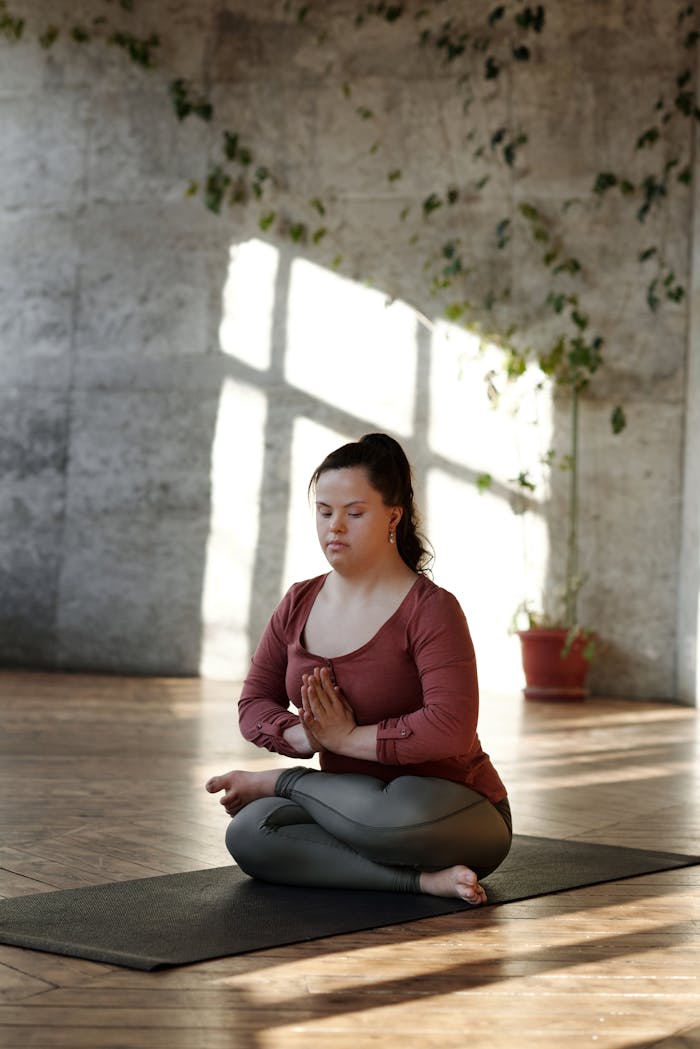
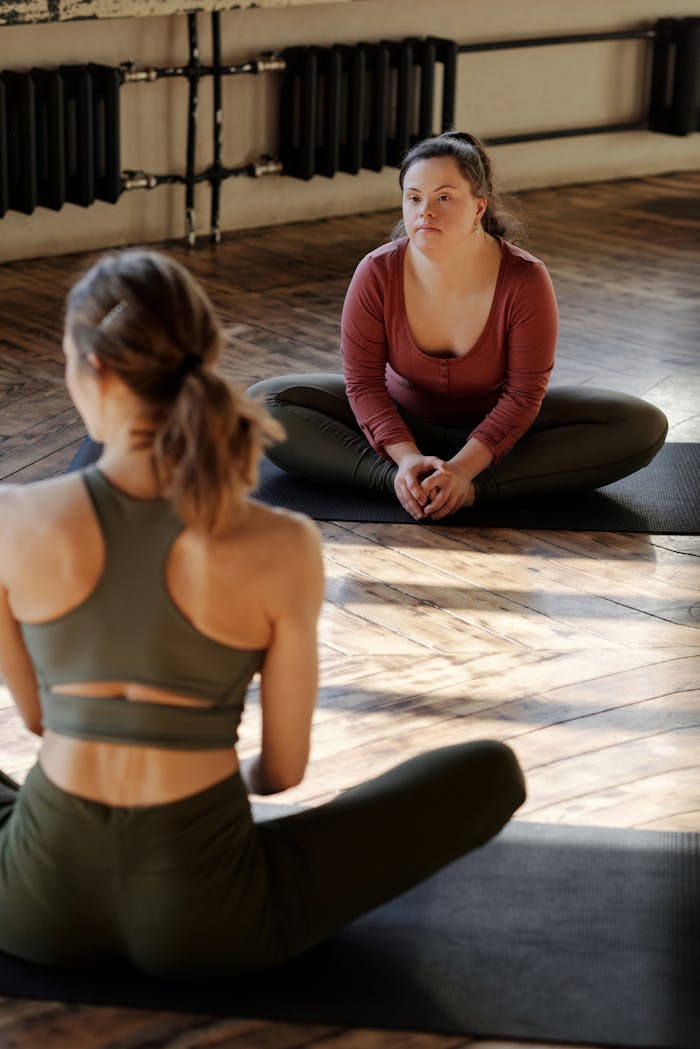
Vinyasa yoga is a breath-led practice that turns individual poses into a mindful, moving sequence. The word vinyasa means “placing” or “arranging” with intention, reflecting how breath, transitions, and awareness work together. Rather than holding one shape for a long time, you might flow from plank to cobra, then into downward-facing dog.
You do not need to be flexible, experienced, or perfectly in sync with the class. Vinyasa can be adapted for different fitness levels, energy, and mobility needs, making mindful participation more important than performance. Compared with slower, more static styles, it often feels dynamic and creative. As you explore the poses and benefits ahead, remember that your practice can meet you exactly where you are. For more context, explore this beginner’s guide to yoga classes and benefits.
Beginner-Friendly Vinyasa Poses to Learn First
A beginner vinyasa sequence often begins in Mountain Pose, helping you feel steady, alert, and connected to your breath. Stand with feet grounded, spine long, shoulders relaxed, and hands by your sides. From here, you may fold forward with soft knees, choosing comfort over depth.
On the mat, Cat-Cow gently warms the spine. Move slowly between rounding and lengthening your back, following each shape with an inhale or exhale. Child’s Pose offers a restful pause, while Downward-Facing Dog builds strength and mobility. Spread your fingers, press through your hands, and keep your spine long. Bend your knees if your hamstrings feel tight.
Plank strengthens your core and prepares you for transitions. Keep shoulders over wrists and choose stability over intensity; dropping your knees is always an option. With practice, you may move from Plank through Chaturanga to Cobra or Upward-Facing Dog. Beginners can lower to the floor, use knees-chest-chin, or practice a knees-down variation instead.
Standing poses such as Warrior I and Warrior II develop balance and confidence. Keep your front knee tracking toward your toes and adjust your stance for stability. Blocks can bring the floor closer, and a supportive yoga mat can help you feel secure as you explore each flowing transition.
The Benefits of Practicing Vinyasa Yoga
With regular practice, vinyasa yoga can support strength, balance, coordination, and mobility. Flowing sequences ask your muscles to work together as you shift between poses. Over time, you may also develop greater body awareness, making it easier to notice alignment, tension, and the support you need.
Because movement follows the breath, vinyasa can offer a practical way to manage everyday stress. Focusing on steady inhales and exhales may improve concentration and help quiet mental distractions. Many beginners feel a greater sense of calm after class, though each person’s experience will be different.
The physical intensity can vary widely. Your experience depends on the teacher, pace, sequence, and room temperature, so not every class feels equally cardiovascular. For a clearer picture of how class environments can vary, consider asking about the studio’s teaching style before attending.
Progress does not require mastering advanced poses. You might notice steadier breathing, more confidence, or greater ease moving between shapes. These small changes can make practice feel more comfortable while supporting your broader physical and emotional well-being.
What to Expect in Your First Vinyasa Class
Your first vinyasa yoga class may begin with quiet centering and breathwork. The instructor will then guide warm-up movements, followed by standing sequences such as Warrior I and Warrior II. Some classes include optional challenges before moving into cool-down stretches and Savasana.
The pace can feel steady and rhythmic, but you are never expected to keep up perfectly. Teachers may use Sanskrit and English pose names, demonstrate transitions, and offer verbal or hands-on adjustments. Let your instructor know about injuries, pregnancy, or other limitations before class so they can suggest safe modifications.
Child’s Pose is always an appropriate place to rest. Listen to your breathing, pause when needed, and return when you feel ready. The atmosphere is usually welcoming, with students focused on their own practice rather than watching one another.
Arrive 10–15 minutes early to settle in and ask questions. Wear comfortable yoga clothes, bring water, and choose a supportive mat if available. If you are curious about what to expect from a studio class, remember that every student begins somewhere. Avoid comparing yourself with experienced practitioners; your steady attention matters most.
How to Build a Safe and Sustainable Beginner Practice
Choose a class that matches your current experience and energy. Look for labels such as beginner, fundamentals, gentle vinyasa, or all levels. Before enrolling, check whether the teacher offers modifications and welcomes questions. A supportive studio or instructor should match your pace and wellness goals.
Begin with one or two vinyasa yoga sessions each week. Between classes, add short home practices focused on breathing, gentle mobility, and foundational poses. Let consistency matter more than duration. As your comfort grows, increase practice time gradually rather than forcing progress.
Notice the difference between productive effort and warning signs. Mild muscle fatigue or a gentle stretch can be appropriate, but sharp pain, numbness, dizziness, or breathlessness are signals to stop. Rest, adjust the pose, and seek qualified medical guidance when needed. Your body’s feedback is an essential part of a safe, sustainable practice.
Begin Your Vinyasa Practice With Curiosity
Vinyasa yoga is a learnable, adaptable practice that grows with you. Consistency, mindful breathing, and self-awareness matter more than mastering advanced poses quickly. Let each class be an opportunity to notice how movement influences your energy, focus, and sense of ease.
Arrive with curiosity rather than expectations. Modify poses, rest when needed, and celebrate small changes, such as steadier breath or smoother transitions. Honor your personal limits, and consult a healthcare professional about significant health concerns before beginning.