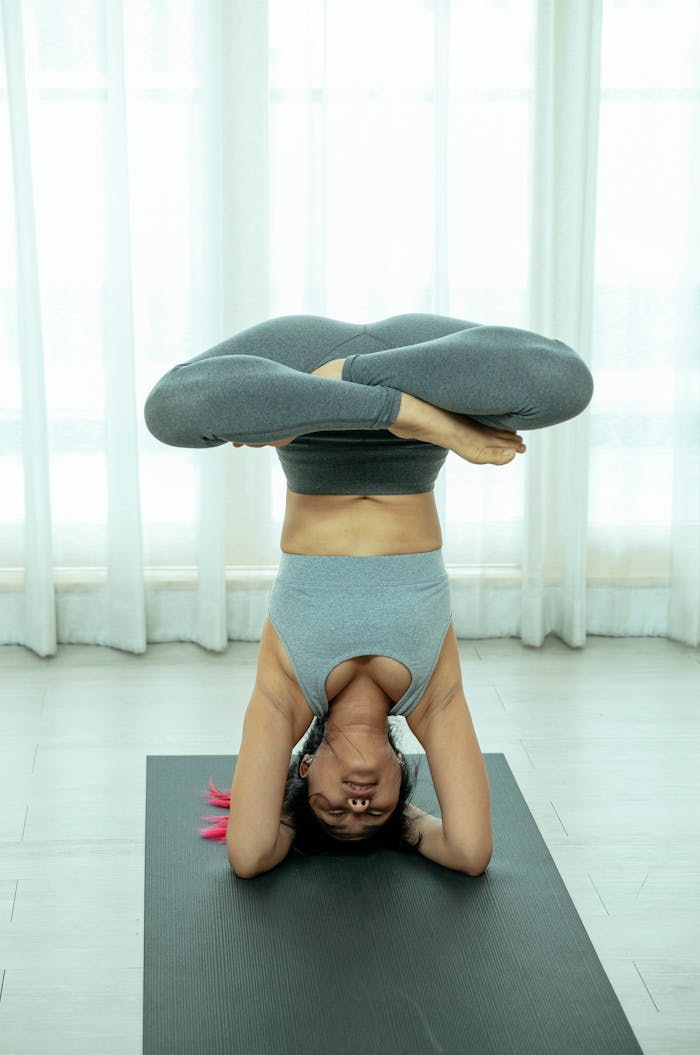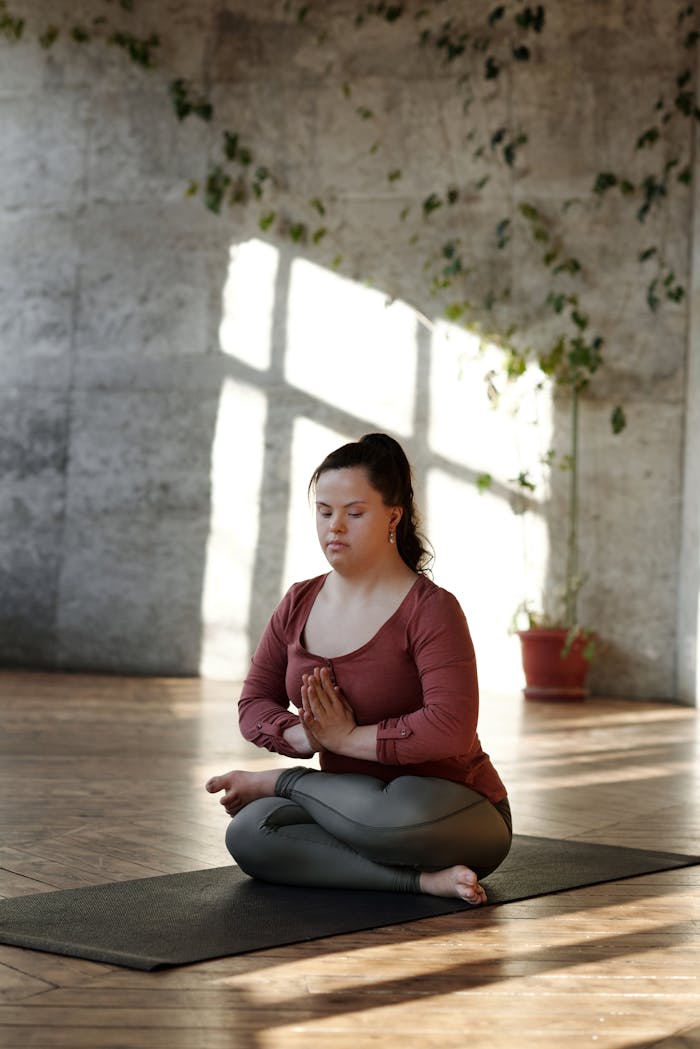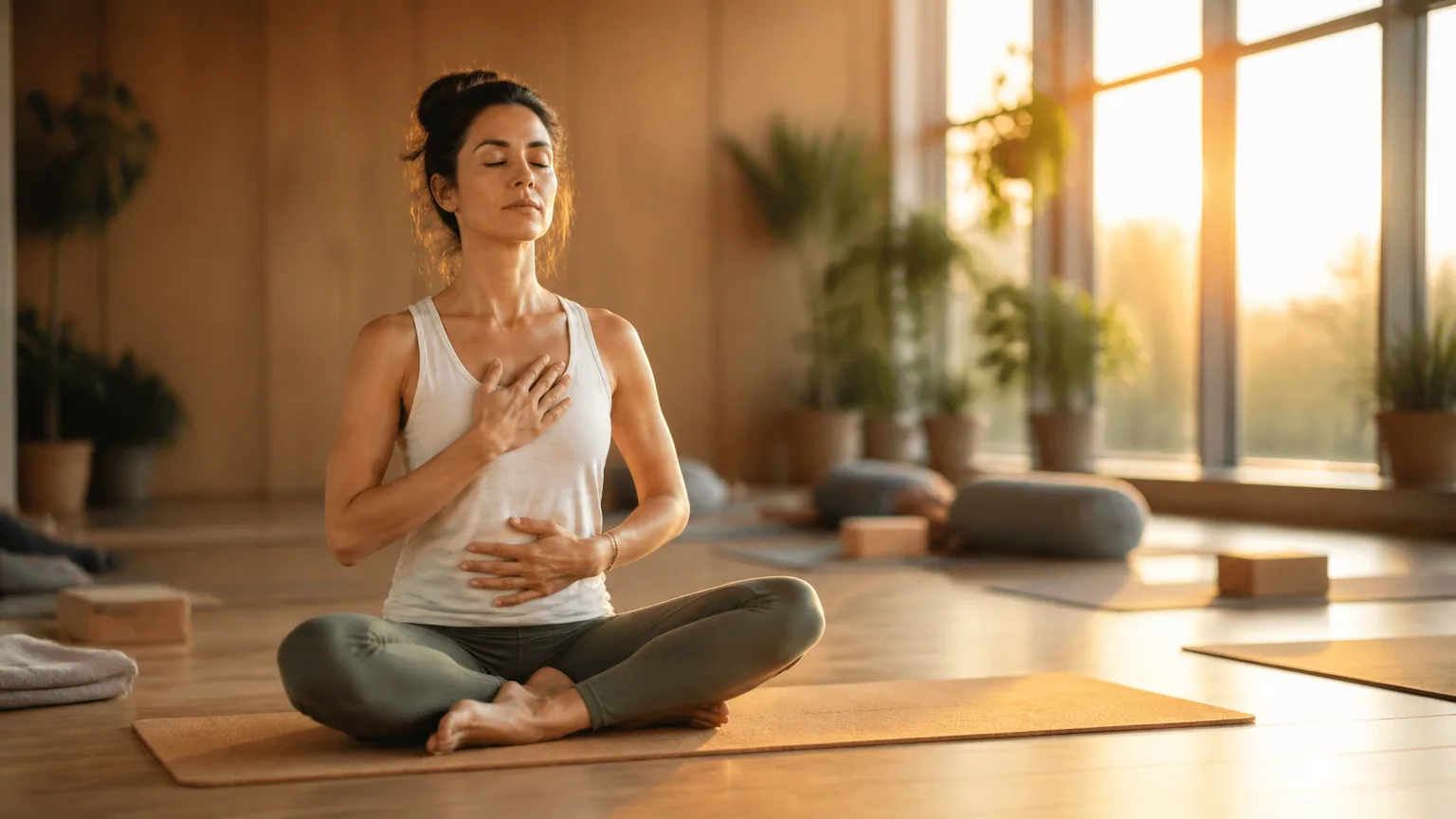
St Marks Yoga may refer to a local studio, neighborhood class, or community-based yoga offering. People often search for st marks yoga because they want accessible movement, a welcoming space, or a steady practice that supports physical and emotional well-being. If you are exploring options, the Joyous Yoga homepage can offer further inspiration as you begin.
At its heart, a St Marks Yoga experience may combine mindful movement, breathwork, meditation, and community connection. Classes can provide a structured pause in a busy day, helping participants build body awareness and explore balance at their own pace. Yoga is best viewed as a complementary wellness practice, not a guaranteed treatment or replacement for qualified medical or mental-health care.
The name may describe a specific studio or a class near a St. Marks location. Offerings can change, so confirm the current address, schedule, instructors, pricing, and class descriptions before attending. This simple check can help you choose a setting that feels comfortable and suits your needs.
In this guide, we will explore common class formats and yoga styles you may encounter. You will also learn what beginners can expect, how to prepare, and how to practice safely. Most importantly, you will gain practical questions to help you decide whether a St Marks Yoga offering supports your goals, experience level, and preferred approach to community and mindful movement.
What a St Marks Yoga Class May Include
A St Marks Yoga class often follows a welcoming, gradual arc. You may begin by checking in at the front desk, meeting your teacher, and finding a comfortable space in the studio. Some classes invite you to settle quietly, while others begin with a brief introduction or community check-in.
The practice usually starts with centering. Your instructor may guide you through mindful breathing, body awareness, or a short intention-setting exercise. Gentle mobility movements can then warm the joints and spine, helping you transition from the pace of daily life into focused movement.
From there, the class may develop into posture practice. You might move through standing poses, balance work, and simple flowing sequences before exploring seated stretches or strengthening postures. The exact pace depends on the teacher, class level, and style, so one session may feel active while another emphasizes slow, restorative movement.
Instructors commonly demonstrate poses and offer clear verbal cues throughout class. They may suggest modifications, use props such as blocks, straps, blankets, or bolsters, and provide options for different bodies and experience levels. Some teachers offer hands-on adjustments, but these should always be optional. You can decline physical adjustments at any time, and a respectful instructor will support your choice without question.
As the class progresses, movements generally become quieter. Cooling-down postures may include gentle twists, forward folds, hip openers, or supported stretches. Many classes finish with savasana, a few minutes of stillness, or another closing relaxation practice. A brief meditation, gratitude prompt, or shared breath may follow before the teacher invites everyone back into the room.
Before attending, it helps to confirm a few practical details. Studios and community spaces can differ in their schedules, policies, and accessibility. Consider asking:
- How long is the class, and do I need to book in advance?
- Are mats and other props available, or should I bring my own?
- Is the room heated, cool, or naturally ventilated?
- What is the cancellation or late-arrival policy?
- Are there accessible entrances, restrooms, and movement options?
These questions can make your first visit feel more comfortable and prepared. They also help you choose a class that matches your needs, whether you want mindful movement, community connection, or a distinctive experience such as a guide to finding unique yoga experiences. Remember that no two classes are exactly alike. The teacher’s approach and the group’s energy can shape each session, while the central invitation remains the same: move with awareness and listen to your body.
Yoga Styles You Might Find at St Marks Yoga
A st marks yoga schedule may include several styles, each offering a different pace and purpose. The best choice depends on your energy, experience, mobility, and what you hope to receive from practice that day.
Gentle yoga usually moves slowly, with simple poses and thoughtful transitions. It can support relaxation, flexibility, and body awareness without demanding intense exertion. Restorative yoga is even quieter. Props such as blankets, bolsters, and blocks support the body while you remain in restful poses for several minutes.
Yin yoga also uses a slower pace, but its focus is different. Poses are often held longer to explore stillness and comfortable range of motion in connective tissues. You may feel a deep stretch, but you should never force it. Yin can suit students seeking patience, reflection, or a calming counterbalance to active routines.
Chair yoga offers lower-impact movement with support from a chair. Some poses happen seated, while others use the chair for balance during standing work. This format may help older adults, people managing limited mobility, or anyone recovering from an injury. Ask the teacher about modifications before class if you have specific concerns.
Vinyasa and flow classes connect movement with breath. You might move through poses with each inhale and exhale, creating a steady, mindful rhythm. The pace can vary widely. One class may be slow and accessible, while another feels athletic and physically demanding, so read the description and ask about the level.
Power, hot, and other vigorous formats can build strength, stamina, and focus. Power yoga often includes challenging transitions, while hot yoga takes place in a heated room. If you are new, pregnant, managing a medical condition, or recovering from an injury, seek professional guidance first. Hydrate well, respect heat intolerance, and choose an appropriate level rather than pushing through dizziness or pain. For more context, explore this guide to power yoga.
Finally, remember that “all levels” does not always mean beginner-focused. These classes often provide variations, but they may still move quickly or assume basic familiarity with common poses. If you are completely new, look for a beginner class or contact the studio. A brief conversation can help you find a welcoming starting point and practice with greater confidence.
Choosing the Right St Marks Yoga Class for Your Goals
The right St Marks Yoga class begins with your intention. Are you hoping to release stress, build strength, improve flexibility, or reconnect with mindful movement? Your answer can guide you toward a class that feels supportive rather than overwhelming.
Use this simple framework when comparing options:
- Choose gentle, restorative, or slow-paced classes when you want to downshift. These sessions often include longer holds, supported poses, breathing practices, and quiet time.
- Choose flow classes for coordinated movement and a steady rhythm. They can build mobility and focus, though some flows include fast transitions.
- Choose strength-focused classes for conditioning. Expect more weight-bearing poses, stronger sequences, or longer holds that challenge your muscles.
- Choose meditation-oriented or breath-centered sessions for mental stillness. These may include seated practices, mindful movement, and guided relaxation.
Your current energy matters, too. A vigorous class may feel uplifting on one day and depleting on another. If you are returning to exercise, healing from an injury, pregnant, or managing a medical condition, look for appropriate modifications and ask questions before class.
It is also helpful to consider your comfort with heat, balance work, and quick transitions. A heated room can feel invigorating, but it may not suit everyone. Similarly, a class described as “flow” might be slow and accessible in one studio, yet fast and physically demanding in another.
Class labels offer a starting point, not a complete picture. Words such as “beginner,” “flow,” and “advanced” can mean different things from teacher to teacher. If a description feels unclear, contact the studio or instructor. Ask about pacing, class size, props, modifications, and whether previous yoga experience is expected.
Think about the kind of community you want, as well. A small class may offer more personal guidance, while a larger group can provide energy and social connection. If you value a particular teaching method, guidance on choosing the right yoga studio can help you compare teachers, settings, and approaches.
The most challenging class is not automatically the best fit. A useful class leaves you feeling safe, engaged, and willing to return. Consistency, enjoyment, and steady progress are often better measures than intensity.
Give yourself permission to explore. You might begin with restorative yoga, try a gentle flow, and later discover that strength or meditation-centered classes support you in a new way. Your needs can change, and your practice can change with them.
What Beginners Should Know Before Their First Class
Starting a st marks yoga class can feel unfamiliar, but you do not need special skills to begin. Yoga is not a performance, and your first session is not a test of flexibility, strength, or balance. Think of it as an opportunity to notice your body, steady your breath, and learn at your own pace.
Arrive about 10 to 15 minutes early, especially if you are visiting a new studio. This gives you time to check in, find the practice room, and settle before class begins. Wear comfortable clothing that allows you to move without constant adjustment, and bring water if the studio does not provide it.
Consider speaking privately with the instructor before class. Share any injuries, health concerns, physical limitations, or movements that make you uncertain. This information helps the teacher offer useful modifications and support your practice more thoughtfully.
You do not need to know Sanskrit or recognize every pose by name. You also do not need to touch your toes, balance on your hands, or perform advanced shapes. A welcoming teacher should demonstrate accessible options and explain how to adjust poses for different bodies and experience levels.
If you are unsure what a class may involve, reviewing beginner tips for a yoga class can help you feel more prepared. You can also contact the studio ahead of time and ask whether the class includes props, heated conditions, or faster-paced movement.
Studios often share a few simple etiquette practices. Silence your phone, keep conversation quiet, and respect each person’s personal space. Return borrowed mats and props after class, and ask questions when you need clarification. Most teachers appreciate questions, especially when they help you practice safely.
During class, notice the difference between effort and strain. Mild stretching or muscular effort can be normal, but sharp pain, dizziness, unusual discomfort, or breathlessness is a reason to stop. Move into child’s pose or another comfortable position, and rejoin only when you feel ready.
Resting is not falling behind. Child’s pose, seated breathing, or lying quietly can help you reconnect with your body. In a supportive st marks yoga community, listening inward is part of the practice, not a sign that you are doing less.
Benefits, Safety, and Accessibility at St Marks Yoga
Regular yoga may support several aspects of physical and mental well-being. With consistent practice, you might notice improved mobility, balance, strength, and body awareness. These benefits can develop gradually through mindful movement rather than intensity alone.
Yoga may also help you manage everyday stress. Breathwork, focused attention, and slower sequences can create space to relax and reconnect with yourself. While yoga is not a guarantee of specific health outcomes, many students value its calming rhythm and supportive structure.
Accessibility begins with having choices. Blocks, straps, blankets, chairs, and walls can provide stability or reduce the range of movement. A teacher might also suggest a slower pace, a seated variation, or an alternative posture that better suits your body.
You do not need to perform every pose exactly as demonstrated. For example, you might practice a supported standing pose near a wall instead of balancing in the center of the room. In a welcoming st marks yoga class, modifications are a normal part of practice, not an exception.
Listening to your body is essential. Stretching may feel noticeable, but sharp, sudden, or persistent pain is a reason to stop and reassess. Rest in a comfortable position, ask for an option, or leave a posture when it no longer feels appropriate.
If you have an acute injury, a significant health condition, or ongoing symptoms, seek guidance from an appropriate healthcare professional before participating. People with pregnancy-related questions should also consult a qualified provider and tell the teacher before class. Sharing relevant concerns can help the instructor offer safer choices.
A supportive studio welcomes questions before and during class. Teachers should offer options, respect personal boundaries, and avoid language that shames bodies or compares students. They should never pressure you to attempt pain, discomfort, or an advanced pose.
Pay attention to how the room feels, too. An inclusive class makes space for different ages, abilities, experience levels, and ways of moving. When teachers encourage curiosity instead of competition, you can build confidence while honoring your unique path.
How to Evaluate the St Marks Yoga Experience
After trying a St Marks Yoga class, pause before deciding whether it belongs in your routine. Notice how the experience supports your goals, energy, and comfort. A good fit should feel challenging enough to encourage growth without leaving you overwhelmed or disconnected.
Start with the teaching quality. Did the instructor explain poses clearly and offer useful variations? Did you understand how to move safely, breathe, and transition between shapes? Consider whether the pace matched your experience level and goals. A slower class may support stress relief, while a more active flow may suit strength and stamina.
The room itself also matters. Think about the class size, music, temperature, lighting, and overall atmosphere. A lively group can create connection, while a quieter setting may help you focus inward. Neither approach is universally better. What matters is whether the environment helps you feel present and supported.
Pay attention to the community, too. Were different bodies, abilities, and experience levels welcomed? Could you ask questions without feeling embarrassed? A positive class should leave you appropriately challenged, informed, and comfortable. You should never feel pressured to purchase a package or ignore pain and physical warning signs.
Scheduling and cost deserve a practical review. Compare introductory offers, drop-in prices, class packs, and memberships. Then check expiration rules, booking requirements, late-arrival policies, and cancellation fees. A lower headline price may not be the best value if classes expire quickly or your schedule changes often.
It can help to track your response after each visit. Write down your energy before class, how your body felt afterward, and whether you felt calmer, stronger, or more connected. Also note any recurring concerns, such as rushed instruction, crowded rooms, or difficulty finding suitable times.
If the experience does not feel right, explore thoughtfully rather than assuming yoga is not for you. Another studio format, class style, or location may better match your needs. You might prefer restorative sessions, smaller groups, meditation-centered classes, or a different teaching approach. The goal is not to choose the most intense or popular option. It is to find a sustainable practice where you can listen inward, build confidence, and continue growing.
Frequently Asked Questions About St Marks Yoga
What is St Marks Yoga?
St Marks Yoga generally refers to a yoga studio, program, or local class offering associated with St Marks. The name may describe different providers, locations, or teaching styles. Check the studio’s official website or contact the class provider for current schedules, pricing, instructors, and services.
Is St Marks Yoga suitable for complete beginners?
Many studios offer beginner, gentle, or all-levels classes. These sessions often introduce foundational poses, breathing, and simple movement patterns at a welcoming pace. Look for class descriptions that mention beginner support, modifications, or no prior experience required.
If you have an injury, health condition, or specific concern, contact the instructor before attending. A short conversation can help you choose an appropriate class and understand how the teacher supports different needs. You are always encouraged to rest, ask questions, and move within your comfort level.
What should I bring to class?
Bring comfortable clothing that allows you to move without distraction. You may also need:
- A yoga mat, if the studio does not provide one
- Water and an optional towel
- Personal support items, such as blocks or a cushion
- Any medication or health supplies needed for safe participation
Arrive a few minutes early if it is your first visit. This gives you time to check in, settle into the room, and ask about equipment or studio guidelines. Confirm these details with the provider, since requirements vary.
How often should I attend yoga?
Start with a schedule you can maintain comfortably. For many beginners, one or two classes each week provides time to learn, recover, and notice how the practice feels. You can adjust your routine based on your energy, enjoyment, personal goals, and recovery.
Consistency matters more than intensity. A shorter, supportive practice may serve you better than attending frequently and feeling exhausted. Give your body time to adapt, especially when trying a more active style.
Can yoga help with stress, flexibility, or balance?
Regular yoga practice may support relaxation, body awareness, flexibility, strength, and balance. Breathing exercises and mindful movement can also create helpful pauses during a busy day. Results vary, and progress may appear gradually through greater comfort and confidence.
Yoga should complement, not replace, professional medical or mental-health care. Speak with a qualified healthcare provider when you need support for pain, injury, stress, or another health concern. Most importantly, let your St Marks Yoga experience remain a compassionate exploration of what helps you feel more balanced.
Is St Marks Yoga Right for You?
St Marks Yoga can be a flexible starting point for movement, mindfulness, and community. The right class depends on your goals, experience, body, and preferred atmosphere. You may want gentle mobility, physical challenge, stress relief, meditation, or simply a welcoming space to reconnect with yourself.
Begin with a clearly described class that matches your current needs. Arrive prepared with comfortable clothing, water, and an open mind. Let the teacher know about injuries, health concerns, or questions before class begins. Modifications, props, and rest breaks are normal parts of yoga, not signs that you are falling behind.
As you explore, remember that yoga is less about achieving impressive poses. It is about developing steady awareness, sustainable movement, and a supportive relationship with your body. A class that leaves you feeling grounded and encouraged may serve you better than one that feels intensely demanding.
Before booking a longer package, review the current St Marks Yoga schedule and confirm beginner requirements, class details, and pricing. Choose one suitable class, try it, and notice how you feel afterward. This simple first step can help you discover whether the teacher, pace, and community support your unique path.