Yoga for self-care doesn’t need to become another task on your list. It can be a small, repeatable way to notice what your body needs, settle your attention, and make room for well-being. At Joyous Yoga, we believe a few gentle movements or mindful breaths can be a meaningful place to begin.
Choose one practice and adapt it to suit you. Pause, change position, or stop whenever you need; there’s no need to push through discomfort. Gentle yoga can support everyday well-being, but it isn’t medical treatment. For persistent pain or other health concerns, seek guidance from a qualified health professional.
1. Arrive With Three Slow Breaths
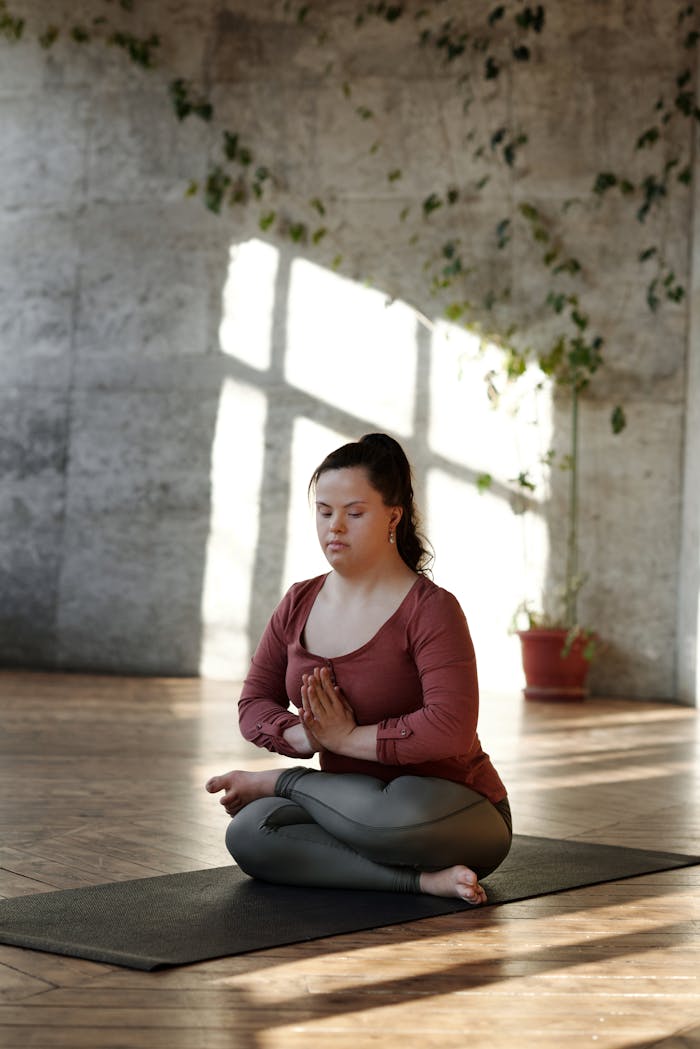
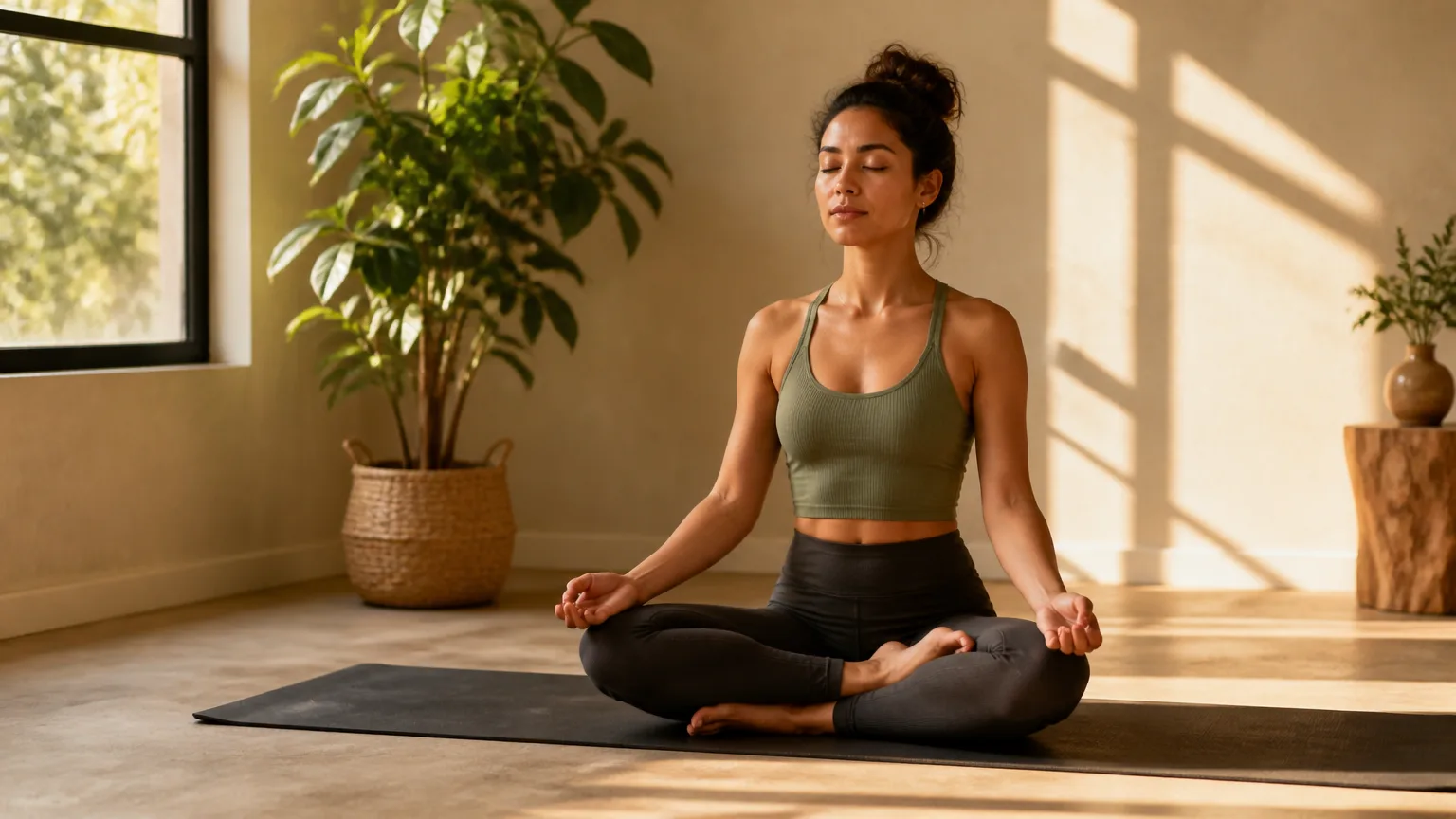
Settle into a comfortable seated or reclined position, letting your shoulders soften. Take three unforced breaths, without trying to change their pace or create a particular feeling. This small pause can help you arrive in your yoga for self-care practice just as you are.
Notice one physical sensation, such as your feet resting on the floor, and one emotion. There’s no need to judge or fix either one—simply let them be part of your check-in.
2. Stretch the Neck and Shoulders
From that gentle check-in, notice whether your neck or shoulders are holding tension. During a desk break or a moment of screen fatigue, let your shoulders rise softly toward your ears, then roll them back and down a few times.
Next, tilt one ear toward the same-side shoulder, keeping your range comfortable, then switch sides. Avoid forceful neck circles, and don’t pull on your head. These small movements can bring ease to your yoga for self-care practice. Stop if you feel pain or dizziness.
3. Move Through Cat–Cow
From hands and knees, place your hands beneath your shoulders and knees beneath your hips. As you breathe out, gently round your back; as you breathe in, gradually lengthen your spine and lift your chest slightly. Move only as far as feels comfortable, without aiming for a deep stretch.
Let your breath guide the pace, while keeping it natural and unforced. If kneeling doesn’t suit you, sit in a chair and gently round and lengthen your back with each breath. This simple movement can add a moment of ease to your yoga for self-care practice.
4. Rest in Child’s Pose—or a Supported Alternative
If it feels comfortable, ease into Child’s Pose with your knees together or set wide. Place a cushion under your torso or head so you can rest without reaching or straining. Let your arms settle wherever they feel relaxed.
Rest is a valid choice in any yoga for self-care practice. If kneeling creates discomfort in your knees, hips, or back, skip the pose and try a seated forward rest over a table or chair instead.
5. Try a Gentle Seated Twist
Settle into a chair or sit cross-legged, keeping both sitting bones grounded. Place your hands comfortably, then lengthen your spine as you breathe in.
As you breathe out, turn your torso just slightly, letting the movement stay easy. Keep your breath natural, and release at once if you feel strained. This gentle rotation offers a moment of mindful mobility in your yoga for self-care practice—not a detox or a guaranteed remedy for discomfort. Return to center, then try the other side if it feels comfortable.
6. Practice a Supported Forward Fold
From center, ease into a forward fold, seated or standing, and let it become a soft resting stretch. Keep your knees bent, and rest your head or forearms on a chair or cushion if that feels supportive. Let gravity do the work; there’s no need to pull yourself deeper.
If you have back concerns or limited mobility, choose a seated version or skip the fold. In yoga for self-care, adapting or resting is always a valid choice.
7. Explore a Low Lunge With Support
From your fold, step one foot forward and lower the back knee onto a folded blanket. Place your hands on blocks, a chair, or your front thigh to feel steady. Keep the front knee comfortable, and move only until you notice a mild stretch at the front of your hip—never a sharp or pinching sensation.
If kneeling doesn’t suit you, stand with one foot slightly behind the other and gently shift your weight forward. Even a small movement can be useful in yoga for self-care. Switch sides when you’re ready, or pause and rest.
8. Choose a Figure-Four Hip Stretch
Lie on your back with both feet grounded. Rest one ankle across the opposite thigh, above the knee. Stay here, or draw your legs toward you if comfortable, keeping the supporting foot grounded. Let the hip soften; don’t push on your knee or measure success by stretch intensity.
For easier access, sit in a chair and cross your ankle over the opposite thigh, staying upright or leaning forward slightly. Explore guidance on pigeon pose variations and safe alignment; props and variations can change how a pose feels. Switch sides, or rest.
9. Rest With Legs on a Chair
After exploring a gentle stretch, let your body settle into a supported rest. Lie on your back and place your lower legs on a chair or sofa, adjusting your hips and legs until they feel comfortable. A folded blanket under your head may offer extra support.
Your legs don’t need to be elevated against a wall. Stay for a few easy breaths, or longer if it feels good. If lying with your legs supported doesn’t suit you, fully recline and rest instead—both are valid ways to pause in your yoga for self-care practice.
10. Finish With a Short Body Scan
As you finish resting, bring your attention gently from your head down to your feet. Notice any areas of ease, tension, or neutrality. There’s no need to change each sensation; simply noticing is enough.
Let this brief body scan be a quiet closing to your yoga for self-care practice, even if meditation feels unfamiliar. Before moving on, choose one intention for the next part of your day, such as moving gently or taking a mindful pause.
Let Gentle Practice Be Enough
You don’t need to do all ten practices every time. On busy days, choose one or two poses, or combine a few into a brief, flexible routine. Let your yoga for self-care practice meet you where you are, and use support or a comfortable surface whenever it helps.
A mat that suits your body and practice can make home sessions feel more comfortable. If you’d like help choosing, explore tips for choosing a yoga mat or a guide to comfortable yoga mat straps. These resources are optional; you can begin with what you have.
Above all, listen to your needs. Rest, adapt, or pause whenever that feels right. Each gentle choice is a meaningful way to care for yourself.