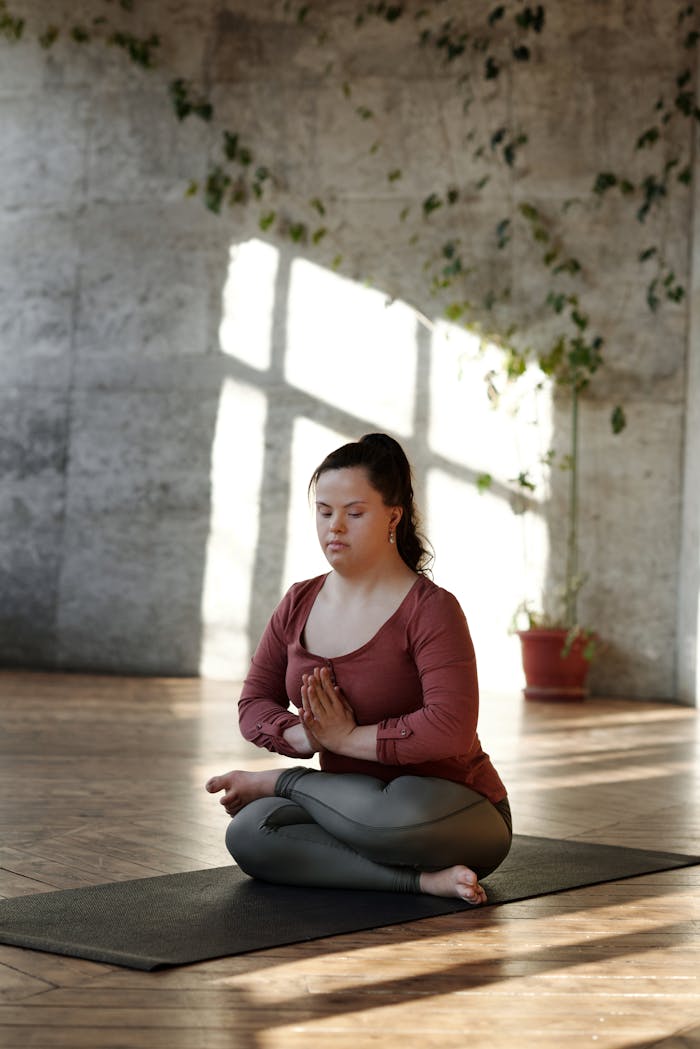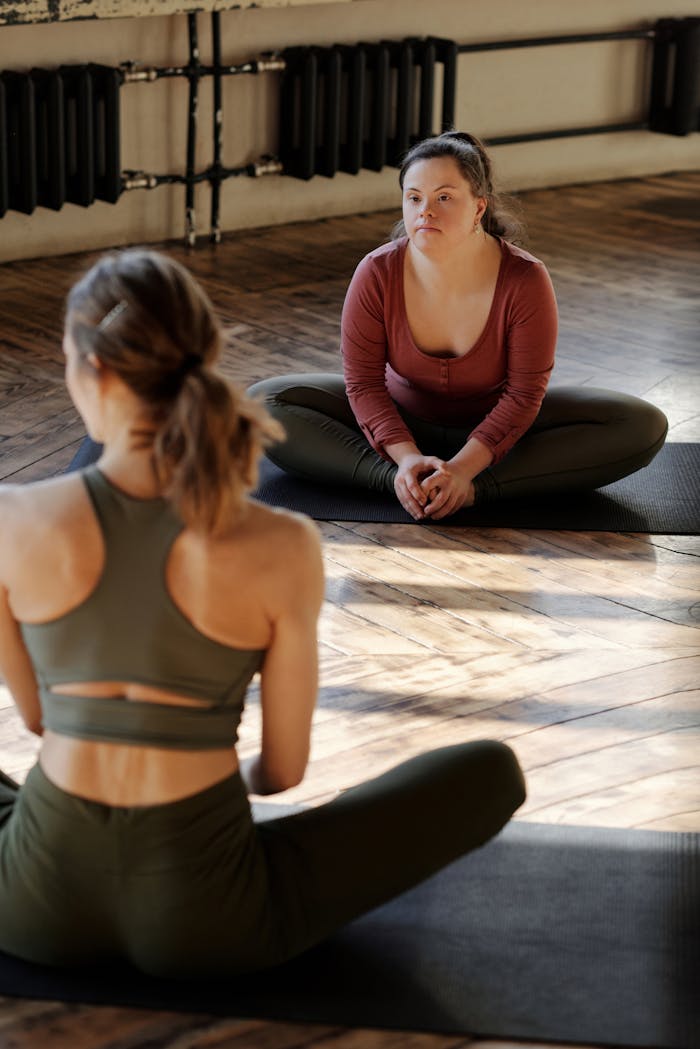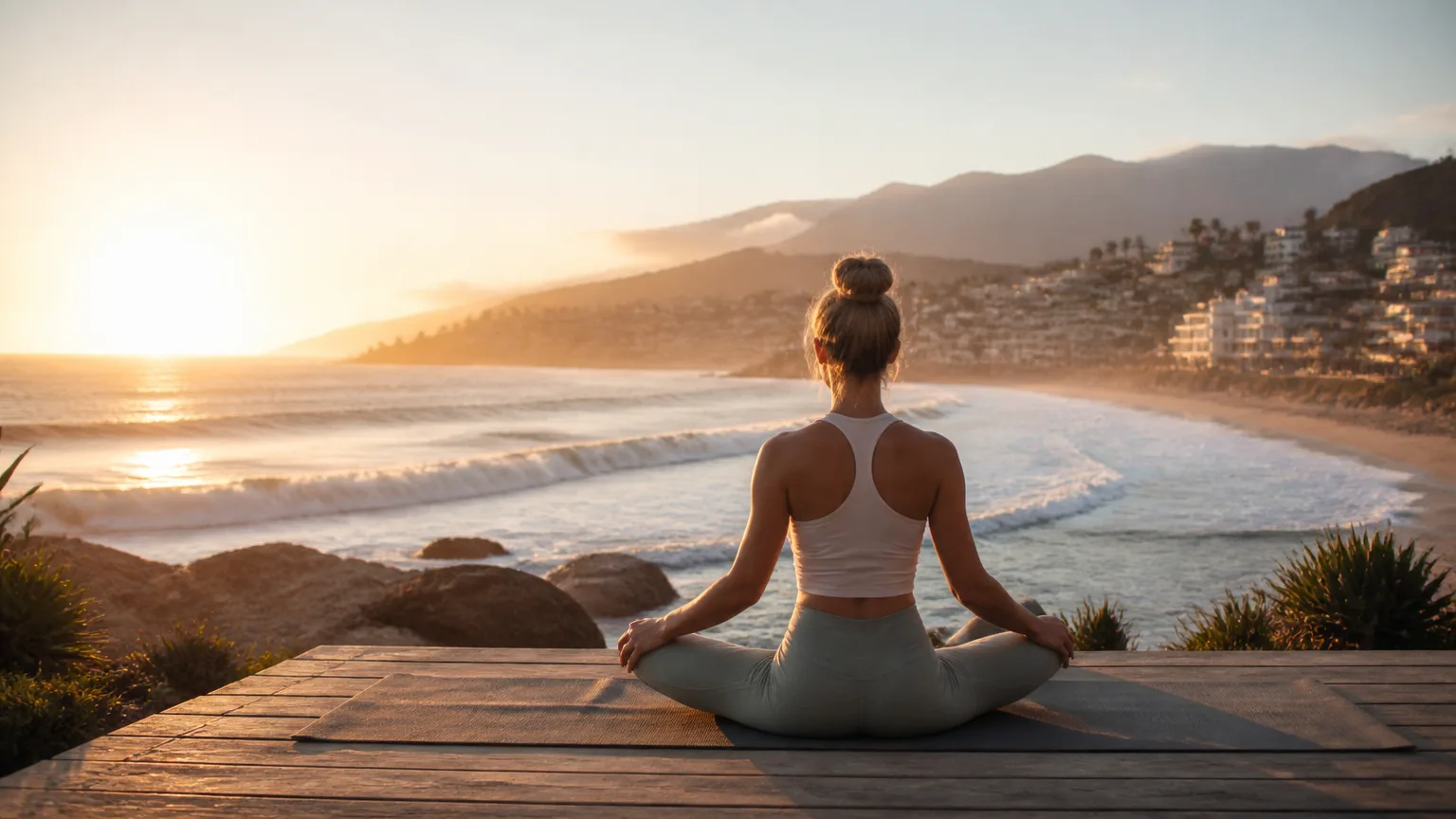
Beach town yoga can begin with a sunrise class by the water, but the setting is only part of the experience. Local teachers and fellow students, shifting weather, beach crowds, and seasonal schedules all shape how your practice feels—and whether it can become part of everyday life.
Whether you’re visiting for a few days, settling into a new coastal home, or a longtime local ready for a fresh start, finding the right class can help you feel at ease. An outdoor flow may be energizing, while a quiet studio offers shelter when wind or rain rolls in. Your best fit depends on your comfort, experience, and what you hope to gain.
A sustainable coastal practice doesn’t need perfect weather or a picture-perfect view. With a little flexibility, you can enjoy the ocean when conditions allow and keep moving indoors or at home when they don’t. Explore Joyous Yoga for yoga resources as you discover what supports your well-being. This guide will help you find a class and build a routine that feels welcoming, realistic, and your own.
Start With Your Goals, Schedule, and Comfort Level
Before comparing studios or outdoor sessions, take a moment to consider what you want from yoga. Are you hoping to build strength, improve mobility, ease stress, explore meditation, or meet a welcoming community? An ocean view can make a class feel special, but the best fit is the one that supports what matters to you.
Your experience and comfort level can help narrow the search. If you’re new to yoga, look for classes clearly labeled beginner-friendly or all-levels. You can also ask an instructor whether they offer modifications, especially if you have limited mobility, an injury, or simply prefer a gentler pace. A supportive teacher will help you adapt poses without feeling pressured to keep up.
Think about the pace and style that feel good in your body. A flowing class may suit you if you enjoy movement, while a slower session can leave more room for stretching and rest. If you’re unsure, try a few different classes before deciding. Beach town yoga can include studio sessions, outdoor practices, and styles that vary widely from one teacher to another.
Your plans also shape what you need. A vacation drop-in can be a fun way to try something new, so look for a class that fits your travel dates and budget. If you live nearby or visit often, consider whether the location, price, and class options make it realistic to return regularly. A single memorable session and a lasting local routine can call for different choices.
Finally, check the schedule against your real life. Early-morning classes may feel peaceful, and sunset sessions can be a lovely way to wind down. But a time that sounds appealing on holiday may not work with work, family, transportation, or changing seasons. Choose a class you can attend without adding stress. A steady, manageable practice is often more nourishing than an ideal schedule you can’t maintain.
Where to Find Beach-Town Yoga Classes
Begin with a simple local search. Try your town or neighborhood name alongside a class style, such as “gentle yoga,” “vinyasa,” or “beach town yoga.” This can help you find options that fit both your location and the kind of practice you enjoy.
Check nearby studio schedules, community centers, and parks and recreation programs. Some towns offer seasonal outdoor classes, while others hold regular sessions in a park, recreation hall, or studio. Beach-event listings can also point you toward pop-up classes, but treat older listings as clues—not confirmation that a class still runs.
Local wellness groups and instructor pages can reveal options you might miss in a general search. Community profiles can also help you learn about a teacher’s approach and the atmosphere they hope to create. For a reference point, see an example of how a teacher’s classes and community can be presented; it isn’t a recommendation for a beach-town provider.
Once you find a promising listing, check when its schedule was last updated. A search result or event page may remain online after a class has ended, especially when the offering is seasonal. If the date is unclear, contact the organizer directly before making plans.
Then make sure the practical details match your needs. Confirm the exact location, whether the class is actually on the beach or nearby, and whether it takes place indoors or outdoors. Ask about booking requirements, class size, cancellation policies, and whether mats or other equipment are provided.
These details matter near the coast, where weather, tides, and busy public spaces can affect a session. Check what happens if conditions change, and whether the instructor shares updates by email, social media, or a booking platform. If you need accessible paths, shade, or a quieter setting, ask about those features in advance.
A short message can save you a frustrating trip: “Is this class running this week, and where should I meet the group?” You can also ask whether beginners are welcome and what to bring. Clear answers help you arrive feeling prepared, rather than worrying about logistics.
If a class feels like a good fit, try one session before building it into your routine. Notice how the teacher gives guidance, how comfortable the group feels, and whether the format works for your day. Finding a welcoming class is less about choosing the most scenic spot and more about discovering a practice you can return to with ease.
Choose the Right Class, Instructor, and Setting
Once you know when you can practice, consider which kind of class feels right. A studio class offers shelter, a firm floor, and familiar facilities. An outdoor group session can connect your practice with the coast, while private instruction may offer more individual guidance. Each can be a good fit; the best choice is the one that supports your comfort and goals.
Before booking, ask what level the class is designed for and whether the teacher offers options for different abilities or experience. A supportive instructor makes modifications available without pressure to attempt a pose or keep up with others. They recognize that bodies differ, and encourage you to listen to your own.
You might also ask about the teacher’s training and experience, especially if you have an injury or specific concerns. Find out how many students usually attend and whether the instructor can offer personal guidance in a group. These questions can help you picture the class before you arrive and decide whether the teaching style feels welcoming.
For outdoor beach town yoga, a beautiful ocean view is only one part of the experience. Check whether there’s shade, stable ground, and enough space to move safely. Ask how nearby noise might affect instruction and whether restrooms are accessible. These practical details can shape your experience just as much as the scenery.
Weather matters, too. Coastal wind, rain, or heat can change conditions quickly, so ask where the class moves if the weather turns. A clear plan might include a nearby indoor space, a rescheduled session, or a refund. If the answer is vague, consider whether you’d feel comfortable making plans around it.
If you’re choosing between group and private instruction, think about the kind of support you want. A group can bring a sense of community, while private sessions allow more time to explore your needs. Neither is automatically better. Comfort and safety are valid reasons to choose a different format, even if another option looks more appealing online.
Whenever possible, try one class before buying a pass. Notice whether the instructions are easy to follow, the pace feels manageable, and you’re given room to rest or adapt. A single visit can help you decide whether the teacher, setting, and format are a good match—without turning your practice into a commitment before it feels right.
Prepare for Sun, Sand, Wind, and Changing Tides
A beachside class can feel grounding, but the shoreline is always changing. Before you head out, check the weather forecast and local beach advisories. Look for notices about strong winds, heat, water quality, high surf, or restricted access, and follow any updates from the instructor.
Bring more water than you think you’ll need, along with sun protection such as sunscreen, a hat, and lightweight clothing that covers your skin. Sunglasses can help before and after class, though you may prefer to remove them during poses. If the session falls during a hot part of the day, consider whether a cooler time or an indoor option would feel safer and more comfortable.
When you arrive, follow the instructor’s directions about where to set up. They may choose a spot away from wet sand, steep slopes, fragile dunes, or areas where waves could reach the group. Sand shifts underfoot, so standing poses may feel less steady than they do on a mat or firm floor. Widen your stance, soften your knees, and choose a simpler variation if balance feels uncertain.
Wind can also tug at clothing, carry sand, and make it harder to hear cues or settle your attention. Place your mat where the instructor recommends, and secure loose belongings so they don’t blow away. If grains of sand make a pose uncomfortable, adjust your hands or knees, or take a pause rather than pushing through irritation.
Heat adds another layer. Moving through familiar poses outdoors may take more effort when the sun is strong, so adapt your intensity and rest whenever you need to. You can skip a pose, sit in the shade, or leave early. There’s no need to match the pace of the group; tuning in to your body is part of a mindful beach town yoga practice.
Wet conditions call for extra care, too. A damp mat or slick boardwalk can make footing less secure, and incoming tides may change how much space is available. Respect beach access rules, wildlife, other visitors, and all posted restrictions. Keep walkways clear, give nesting or resting animals plenty of distance, and leave the beach as you found it.
Outdoor classes may be moved, shortened, or canceled when conditions become unsafe. Don’t assume a session will proceed just because it’s listed on a schedule. Check messages before leaving, and have a backup plan, such as practicing indoors or at home. Flexibility helps you enjoy the coast while caring for yourself and the wider beach community.
Pack Light: Clothing, Mats, and Useful Extras
A coastal class calls for gear that feels comfortable in changing conditions, not a bag full of extras. Choose clothing that lets you bend, stretch, and breathe. A warm afternoon may call for light, moisture-friendly layers, while a breeze near the water can make a cover-up useful between poses. If you’re weighing fit and support, a guide to choosing comfortable yoga sets can help you find options that move with you.
Think about the practice surface before packing a mat. Sand can shift beneath your hands and feet, and damp ground may make some materials slippery or harder to clean. Ask whether the instructor provides mats and what the class will use. Depending on studio rules and the surface, a mat, a towel, or no mat at all may work best.
If you bring a mat, consider adding a washable towel or mat cover. It can create a familiar layer between you and the sand, and it’s easy to rinse or launder after class. A towel may also be enough for a short practice on a firm, clean surface. For outdoor sessions, check the teacher’s guidance rather than assuming your usual studio setup will suit the shore.
Keep the rest of your kit simple. Water and sun protection are practical essentials, especially for a sunny class or a longer walk to the meeting spot. A light layer can help during a cool breeze or the journey home. A small bag makes it easier to carry these items while keeping your hands free.
If carrying a mat feels awkward, a strap can make the walk to class more comfortable. You can explore a yoga mat strap guide to compare simple options. Before you leave, check that your bag can hold your essentials without becoming a burden. With beach town yoga, a well-chosen, lightweight kit can help you arrive ready to settle into practice.
Build a Coastal Practice That Lasts Beyond a Drop-In
A welcoming class can be a lovely starting point, but a lasting practice doesn’t need to depend on perfect beach weather or a packed schedule. Begin with a realistic weekly rhythm, such as one group class and a few minutes of movement or breathing at home. You can adjust as work, energy, weather, and access change. Consistency is about returning when you can, not keeping an ambitious daily streak.
Let the season shape your plans. In warmer months, you might enjoy an outdoor class or a mindful walk by the water. When the days grow colder, schedules shift, or travel takes you away, choose a shorter indoor practice instead. A few gentle stretches between tasks or several steady breaths before bed can help you stay connected to the calm you found in class.
It also helps to have a fallback for days when the beach is crowded, windy, or otherwise uncomfortable. Try a few minutes of breath awareness, gentle mobility, or a short sequence at home. You could roll your shoulders, move through easy seated twists, and pause to notice how your body feels. Keep the practice flexible and comfortable; it doesn’t need to look like a full class to be worthwhile.
Connection can make showing up feel easier. Practicing with a friend adds company and can turn a class into something you both look forward to, while still leaving room for quiet, individual practice. Couples yoga is another way to explore movement together. These beginner-friendly couples yoga ideas offer a place to start, but talk openly, ask before adjusting one another, and respect each person’s limits.
On some days, your friend may want a longer session while you choose a few minutes of stretching—or you may practice separately and meet afterward for a walk. Both can support connection without making attendance, flexibility, or performance the measure of success. In beach town yoga, a sustainable routine can shift with the tides: notice what feels supportive, make room for change, and return at your own pace.
Frequently Asked Questions
A few practical questions can make it easier to try a class with confidence. Beach town yoga may look different from one shoreline to another, so check the details with the organizer and choose what feels supportive for you.
Can beginners join beach yoga?
Often, yes. Look for a class described as beginner-friendly, gentle, or suitable for all levels, and check whether the instructor offers clear guidance and options to rest. If the listing is unclear, ask about the pace and available modifications before attending.
You don’t need to master every pose to belong. Let the teacher know you’re new, move at a comfortable pace, and take breaks when you need them.
What should I bring to an outdoor class?
Check the class listing or contact the organizer first: some sessions require a mat, while others recommend practicing directly on a towel or sand. Bring water, sun protection such as sunscreen and a hat, and clothing that feels comfortable in the local weather.
A light layer can be useful if the breeze picks up. Keep your setup simple, and avoid bringing anything you’d feel worried about getting sandy.
Is yoga on sand safe?
Sand can shift and feel uneven, which may make standing balance poses more challenging than they are indoors. Widen your stance, soften your knees, and choose a steady option when a pose feels uncertain.
Follow the teacher’s guidance and adapt rather than pushing through discomfort. If the sand, surf, wind, or nearby activity makes you feel unsafe, pause or leave the practice area.
What happens if the weather changes?
Outdoor plans can shift quickly, even when the forecast looks promising. Check the organizer’s updates before leaving, and confirm whether the class will be canceled, postponed, or moved to an indoor space.
Knowing the plan ahead of time can help you avoid a stressful trip. If the session doesn’t go ahead, an easy home practice or gentle walk may be a welcome alternative.
How often should I practice?
There’s no single schedule that suits everyone. Your goals, energy, experience, and recovery all matter, so start with a rhythm that fits your life—perhaps one class a week or a short home practice between sessions.
Notice how you feel afterward and adjust as needed. A manageable routine you can return to is often more nourishing than a rigid target, especially as seasons, schedules, and needs change.
Make the Coast Part of Your Practice, Not the Whole Plan
A beautiful view can make a class memorable, but a meaningful beach town yoga practice also depends on comfort, consistency, and a teacher you trust. Choose a class that fits your experience, schedule, and needs. Prepare for sun, wind, sand, or changing weather, and check the current schedule before you go.
Start small. Try one suitable class, then notice how your body responds to the pace, setting, and instructions. You might find that an early beach session feels restorative, while an indoor class offers more comfort on a windy day. Adapt as local conditions and your needs change; a flexible routine can include classes, short home practices, or time to rest.
Your first step can be simple: check a nearby studio or instructor’s schedule and choose one class that feels welcoming and manageable. There’s no need to make the shoreline the center of every practice. The steadiness you build through breathing and mindful movement can travel with you—from the beach into the rest of everyday life.