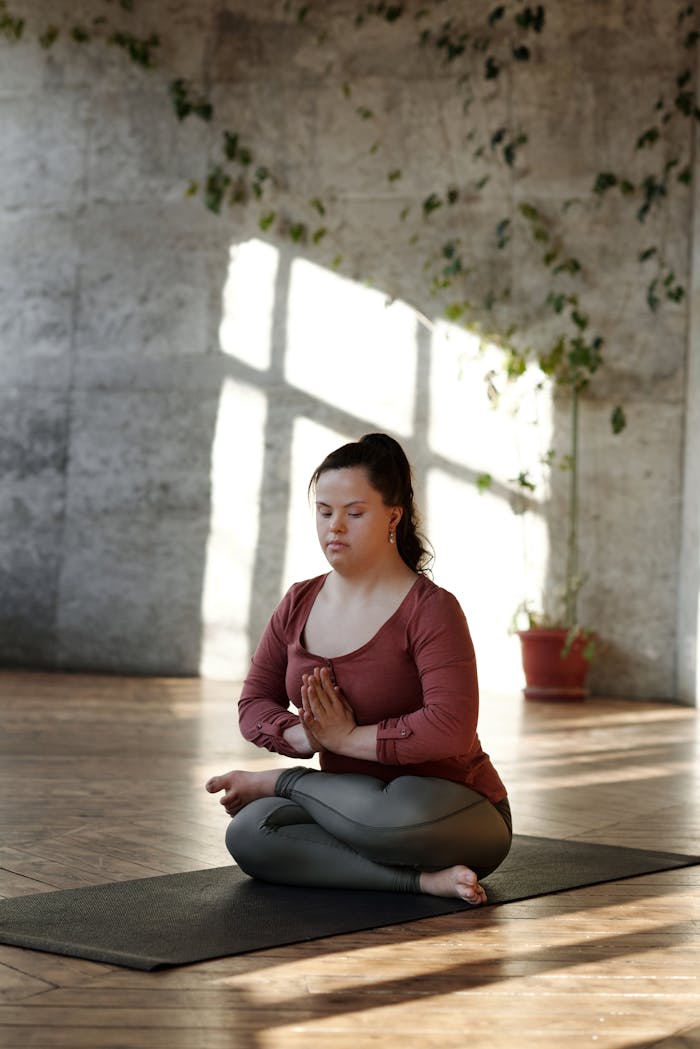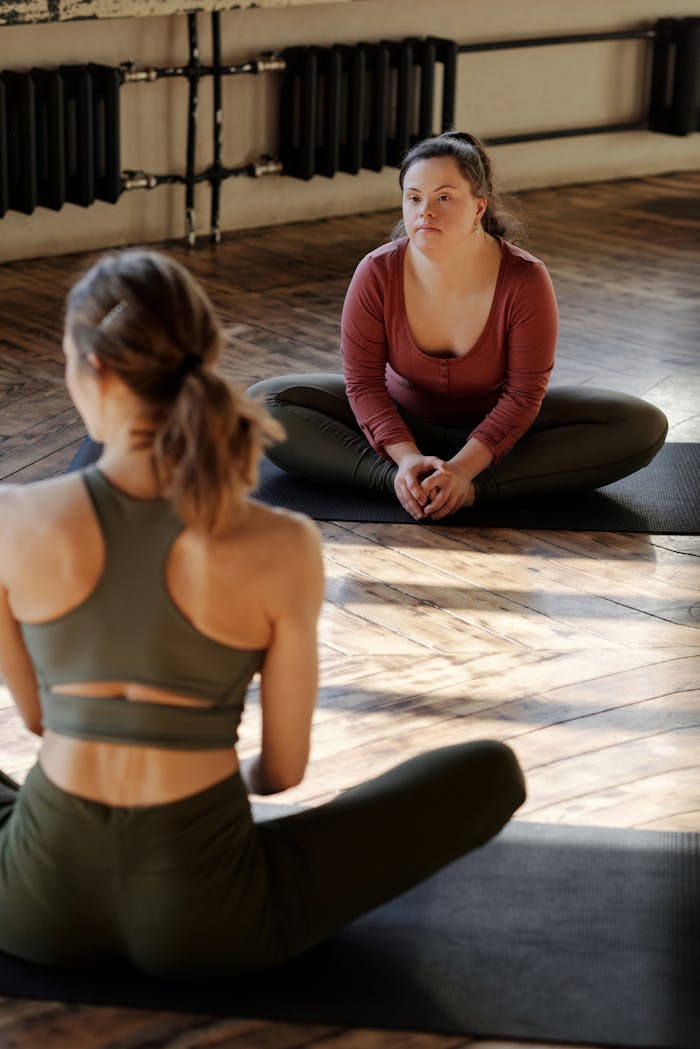
Power yoga is a vigorous, fitness-focused style rooted in traditional yoga. It blends flowing sequences, strength-building poses, controlled breathing, and focused attention to challenge your body while calming your mind. Unlike set styles, power yoga does not follow one fixed sequence, so each class may feel different.
Intensity varies by teacher and studio, especially for beginners. Instead of trying to keep up, prioritize mindful movement, steady breathing, and safe alignment. This practice also reflects raja yoga’s eight-limbed path, where concentration and self-awareness support inner balance. With the right approach, power yoga can help you build strength, confidence, and a deeper connection with yourself. The poses and tips ahead will help you begin with greater ease.
The Benefits of Power Yoga for Body and Mind
With consistent practice, power yoga can build muscular strength and improve core stability. Holding poses and transitioning with control also challenges balance, flexibility, and coordination. Over time, everyday movements may feel steadier and more comfortable.
Because power yoga keeps you moving, it can gently support cardiovascular conditioning. The intensity varies by class and practitioner, so begin at a manageable pace. Exploring purposeful asana training can also deepen your understanding of alignment, technique, and the intentional practice of yoga postures.
The benefits extend beyond the physical. Pairing breath awareness with concentration can help quiet racing thoughts and reduce everyday stress. Focusing on each inhale, exhale, and transition turns the sequence into a moving form of mindfulness. It may also sharpen body awareness, helping you notice tension, effort, and your personal boundaries.
Your experience will depend on practice frequency, intensity, sleep, nutrition, and individual health. Progress may appear gradually, and it will look different for everyone. Power yoga can complement medical care and healthy habits, but it should not replace guidance from a qualified healthcare professional. Listen to your body, rest when needed, and let steady, mindful practice support your unique path.
Essential Power Yoga Poses and How They Fit Together
A beginner-friendly power yoga sequence can build heat gradually while strengthening your whole body. Begin in Mountain Pose, noticing steady feet and relaxed shoulders, then move into Chair Pose to awaken your legs and core.
From Chair, place your hands down and step back into Plank. Hold for a few breaths, or lower your knees for support. You can also practice a knees-down Chaturanga variation, keeping your elbows close as you lower with control.
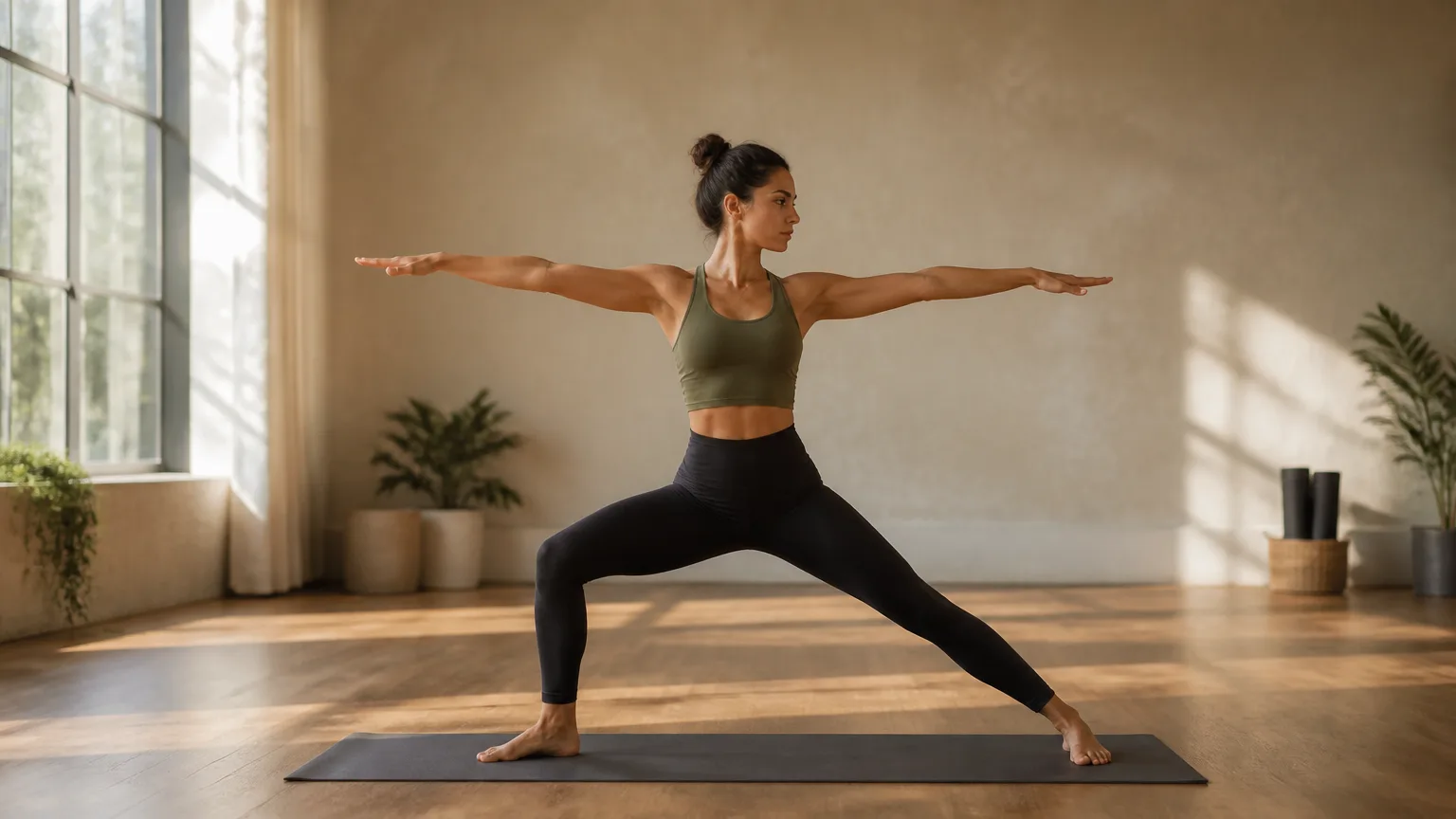
Press back into Downward-Facing Dog for an active reset. Let your spine lengthen, your hips rise, and your breathing settle. Then step forward and explore Warrior I, Warrior II, and Crescent Lunge. These poses develop stability while opening the hips, chest, and shoulders.
Transitions matter as much as individual poses. Move with your breath, keep your alignment steady, and choose supported options whenever needed. After your body feels warm, try Tree Pose for balance. Practice near a wall or shorten the hold while you build confidence.
This flexible approach differs from the structured Ashtanga yoga tradition, which follows a more defined sequence. Power yoga does not require advanced choreography. Begin with mindful transitions, steady effort, and respect for your unique pace.
Beginner Tips for a Safe and Sustainable Practice
Start with a beginner, slow-flow, or foundational power yoga class. Before practice, tell your instructor about injuries, pregnancy, health conditions, or limited mobility. This helps them offer options that support your needs.
Prepare your body with a short warm-up, such as gentle shoulder rolls, Cat-Cow, or easy lunges. Wear comfortable clothing, bring water, and use a nonslip mat. Begin with one or two sessions each week, then gradually increase your frequency. Daily high-intensity practice is not necessary for progress.
Use modifications freely. Lower your knees during Plank, skip Chaturanga, or raise your hands on blocks. You can also shorten your stance to improve balance and reduce strain. Rest in Child’s Pose whenever you need to reconnect with your breath.
Adaptive yoga principles can help you approach each pose according to your body, goals, and available range of motion. A shorter hold or gentler variation still builds awareness and strength. Let steady practice, not intensity, guide your progress.
Building a Balanced Power Yoga Routine
Start with two or three power yoga sessions each week. Alternate challenging flows with rest days, walking, gentle stretching, or restorative practices. This rhythm supports strength while giving your body time to recover and adapt.
A balanced class usually begins with centering and breathwork. Next, warm up gradually before moving into standing strength poses, such as Warrior II or Chair Pose. Add balance poses, then cool down with seated stretches and finish with several minutes of relaxation.
Judge intensity by your breath, alignment, and recovery—not by sweat or speed. You should be able to maintain steady breathing and controlled movement. Persistent pain, dizziness, or breathlessness means you should stop and seek guidance.
Heated classes may feel more demanding. Give yourself time to adjust, drink water, and pace yourself carefully. For more support, explore what to know before trying a hot yoga class, especially if you are new to practicing in heat.
Start Power Yoga With Strength and Self-Awareness
Power yoga is a customizable practice that can build strength, mobility, stamina, focus, and stress-management skills. With consistent, mindful practice, these benefits can support greater balance in daily life.
Begin with a manageable class or short home sequence. Use modifications freely, and let steady breathing guide your effort. Progress is not measured by advanced poses, but by growing awareness, resilience, and balance on and off the mat.