Prenatal yoga classes offer a gentle way to move, breathe, and connect with your changing body during pregnancy. Rather than treating yoga as a fitness challenge, these classes combine mindful movement, relaxation, breathwork, and community. They are designed specifically for pregnancy, with thoughtful adjustments that support comfort and changing needs.
Unlike a general yoga class, prenatal sessions account for each stage of pregnancy. Teachers may offer modifications for balance, joint stability, energy levels, and growing bellies. Still, every pregnancy is different, so speak with your prenatal healthcare provider before beginning or continuing a class. Their guidance can help you choose an approach that feels appropriate and supported.
You may also discover that yoga reaches beyond its exercise-based image. Its physical practices connect with mindfulness, self-awareness, and compassion. Exploring yoga’s broader origins and philosophy can deepen your understanding of how these traditions support presence and balance.
In this guide, you’ll learn what typically happens in a prenatal class, how instructors adapt poses, and which safety considerations matter most. You’ll also find practical questions to ask when comparing studios, teachers, class formats, and online options. With the right setting, prenatal yoga can become a welcoming space to slow down, listen inward, and share the journey with others.
What Is Prenatal Yoga, and What Benefits Can It Offer?
Prenatal yoga is a style of yoga adapted for pregnancy. It uses supportive poses, mindful movement, breathing practices, and relaxation techniques that can change as your body changes.
Rather than focusing on maximum range of motion or intense conditioning, prenatal yoga classes commonly emphasize gentle strength, mobility, balance, and posture. Teachers may offer props, position changes, and several options so you can practice comfortably at different stages of pregnancy.
You might move through supported squats, standing poses, hip and shoulder stretches, or gentle sequences for the back and legs. Classes often include breath awareness and restorative rest, giving you time to pause and notice how you feel.
These practices may help ease everyday muscular tension and support more comfortable movement. Building body awareness can also make it easier to recognize when a pose feels supportive, when you need a break, or when your posture needs adjusting.
Prenatal yoga may offer emotional benefits, too. A calm class creates intentional space to slow down, breathe, and connect with yourself during a season filled with physical and practical changes. Regular relaxation practices may help you manage stress, though each person’s experience will be different.
There is also a meaningful social side to practicing with other pregnant people. Sharing a class can reduce the sense of moving through pregnancy alone and create opportunities for encouragement, conversation, and community. You may discover that others have similar questions, changing energy levels, or hopes for the months ahead.
Prenatal yoga is not a replacement for medical care, childbirth education, or physical therapy. Your healthcare provider can help you decide whether yoga is appropriate for you, especially if you have pregnancy-related concerns or have been advised to limit activity.
A qualified prenatal teacher can complement that care by offering movement options and helping you practice with greater awareness. Be open about your stage of pregnancy, relevant health information, and any discomfort before class begins.
The most supportive practice is not necessarily the most challenging one. It is a practice that leaves room for curiosity, rest, and listening inward as you move through your unique pregnancy journey.
Safety First: When to Get Medical Clearance and What to Avoid
Before joining prenatal yoga classes, discuss your plans with your obstetrician, midwife, or another qualified prenatal care provider. This conversation is especially important if you have a high-risk pregnancy, experienced complications, or are beginning a new exercise routine. Your provider can help you understand which movements and intensity levels are appropriate for your health and stage of pregnancy.
Many people can practice prenatal yoga safely with thoughtful modifications. However, your care team may recommend avoiding exercise temporarily or choosing a more supported approach. Follow their guidance, and share relevant health information with your instructor before class begins.
During practice, avoid overheating and drink water regularly. Choose breathable clothing, a well-ventilated room, and a pace that allows you to speak comfortably. You should never feel pressured to push through fatigue, hold your breath, or match another participant’s intensity.
Pregnancy can change your balance and joint stability, so be cautious with poses that create a falling risk. Wide-legged standing poses, quick transitions, and unsupported balancing may need modifications. Use a wall, chair, blocks, bolsters, or another stable surface when helpful.
Avoid forceful stretching, deep twists, and any position that feels uncomfortable. Pregnancy hormones can increase flexibility, but more range is not always better. Move gently, keep space for your changing body, and choose alternatives when a pose creates pressure or strain.
Some positions may become uncomfortable when held for too long. You might need to adjust or leave poses that create pelvic pressure, abdominal discomfort, back pain, or breathlessness. Resting in a supported position is always a valid choice.
Stop practicing and contact your healthcare professional if you experience pain, dizziness, bleeding, fluid leakage, regular contractions, chest pain, unusual shortness of breath, or another concerning symptom. When symptoms feel urgent or severe, seek immediate medical care. It is better to pause and ask questions than to dismiss a warning sign.
A supportive instructor should regularly invite you to rest, use props, or select a different variation. They should offer guidance without pressure and respect your decision to skip a pose. Look for teachers who understand prenatal considerations and encourage participants to listen to their bodies.
You remain the best guide to your comfort from moment to moment. An instructor can suggest options, but they cannot assess medical symptoms or replace your prenatal care provider. When something feels uncertain, stop, rest, and bring your questions to a qualified healthcare professional.
What to Expect During a Typical Prenatal Yoga Class
A prenatal yoga class often begins with a relaxed check-in. You may share your stage of pregnancy, relevant health information, and any discomfort before class begins. This helps the instructor offer appropriate options and understand what your body needs that day.
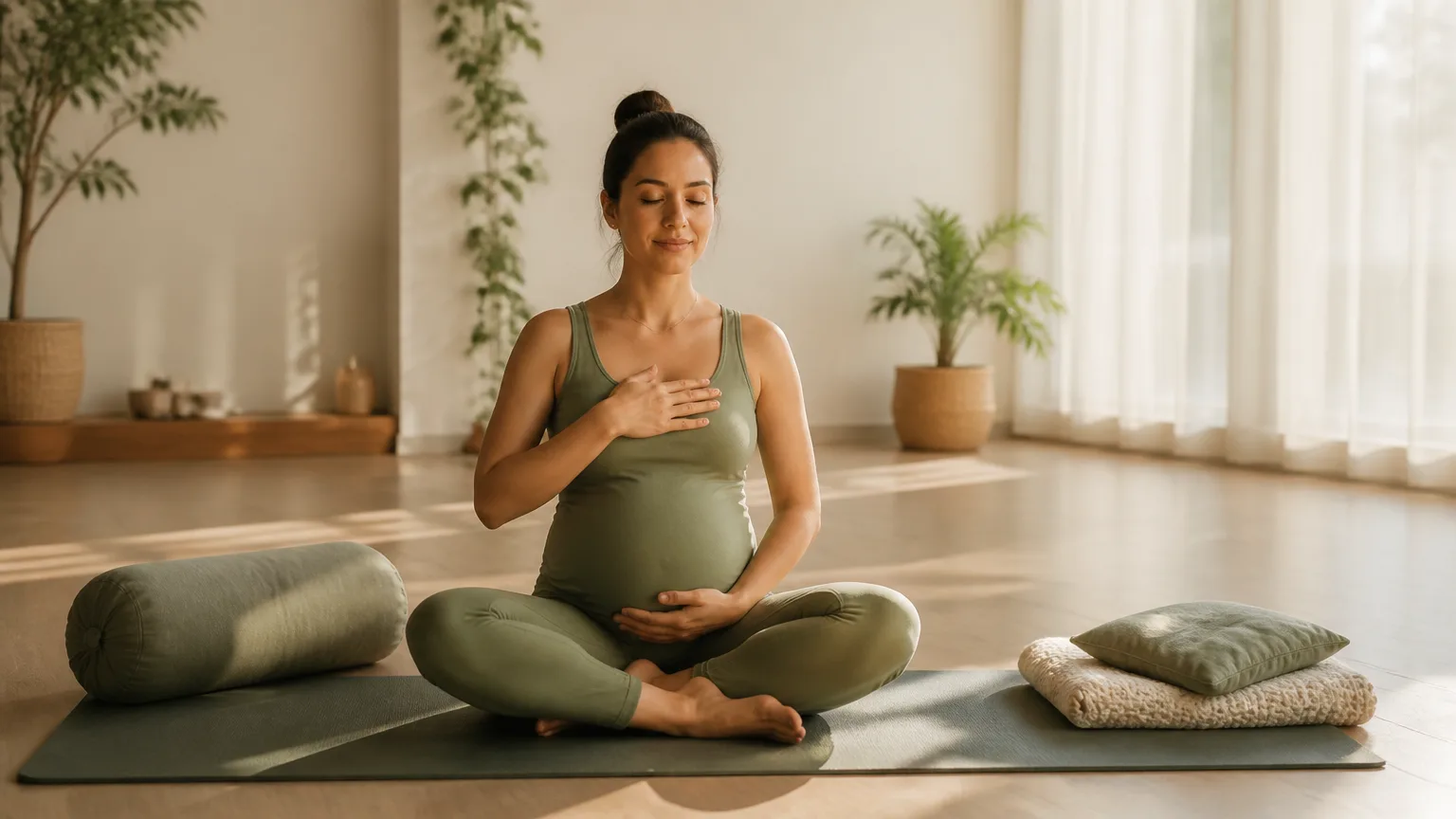
The class usually starts with centering and gentle breathwork. You might sit comfortably, close your eyes, and notice your breathing without trying to force it. Some teachers include a short mindfulness practice, similar to a gentle morning yoga practice, to help you arrive fully in the present moment.
Next comes a gradual warm-up. Expect simple movements for the shoulders, spine, hips, and ankles, often performed on hands and knees or in a seated position. These motions can ease stiffness and help you notice how your energy and comfort feel that day.
The middle of class may include standing and seated poses, with plenty of opportunities to modify. You might practice supported squats, wide-legged movements, gentle lunges, hip openers, or side stretches. The instructor should explain how to adjust each pose as your belly grows and your balance changes.
Prenatal yoga also includes supportive strength and mobility work. You may use a wall, chair, or blocks for stability during standing poses. Bolsters, blankets, and extra mats can provide comfort beneath the hips, knees, or back.
As pregnancy progresses, elevated and side-lying positions often become more comfortable than lying flat. A teacher may guide you to rest on your side with blankets between your knees or support your upper body with a bolster. You may also practice seated or reclined poses at an angle, rather than lowering completely to the floor.
Many classes include pelvic-floor-aware movement and relaxation. This does not mean constantly contracting these muscles. Instead, you may explore softening, breathing, and releasing tension while practicing positions that support comfort and body awareness.
The final portion is usually slower, with several minutes of supported rest. You might lie on your side, recline with your upper body elevated, or rest in a comfortable seated position. This longer closing pause gives your nervous system time to settle before you return to your day.
A welcoming class leaves room for personal choice. You can skip a pose, change positions, take a break, or ask questions at any time. A well-led class prioritizes consent, comfort, and individualized options rather than expecting everyone to move in the same way.
You may notice different pacing from one class to another. Some prenatal yoga classes feel quiet and restorative, while others include more movement and gentle strength work. In every format, your practice should support curiosity, steadiness, and trust in your changing body.
How Prenatal Yoga Changes Across the Trimesters
Your yoga practice may change as your pregnancy unfolds. Energy, balance, mobility, and comfort can shift from week to week, so a skilled instructor responds to the person in front of them rather than following rigid trimester rules.
During the first trimester, you may experience fluctuating energy, nausea, fatigue, or increased sensitivity. Some days, familiar movements may feel comfortable; on others, rest may be the most supportive choice. Avoid overheating and overexertion, and tell your instructor how you are feeling before class begins.
Your existing yoga experience also matters. Someone with an established practice may continue familiar movements with thoughtful adjustments, while a beginner may need more guidance and slower pacing. Your prenatal care provider’s recommendations should always shape your practice, especially if you have symptoms, health concerns, or a higher-risk pregnancy.
In the second trimester, your growing abdomen may change how you move, balance, and organize your posture. You might feel more comfortable with wider or elevated stances, additional space between your feet, and support from blocks, a wall, or a chair. These options can make transitions steadier and reduce pressure on your abdomen, pelvis, back, or joints.
A knowledgeable teacher may also adjust poses that require deep twisting, prolonged balance, or lying in positions that no longer feel comfortable. Moving slowly between shapes can help you notice changes in stability and avoid straining. The goal is not to achieve the deepest version of a pose, but to find a variation that supports ease.
In the third trimester, comfort and stability often become central themes. Classes may include gentle mobility, supported standing poses, restorative positions, and breathing practices that help you settle into the present moment. Props can make it easier to rest, change positions, and create space for your body.
This stage can also offer time to practice softening effort and becoming familiar with rest. Breath awareness may support mental preparation for labor, though yoga cannot guarantee a particular birth outcome. Instead, it can help you explore steadiness, presence, and trust while honoring your individual experience.
Trimester labels are useful teaching references, but they are not universal prescriptions. Symptoms, pregnancy history, daily energy, mobility, and provider recommendations may guide modifications more than the calendar does. In prenatal yoga classes, you should always have permission to pause, choose a different option, or rest completely.
How to Choose the Right Prenatal Yoga Class, Instructor, and Studio
Choosing among prenatal yoga classes starts with the instructor. Look for dedicated prenatal-yoga education, relevant teaching experience, and ongoing training. A prepared teacher should explain modifications clearly and coordinate with your healthcare guidance. They should offer movement suggestions, not medical advice, and welcome questions about your individual needs.
Ask how the instructor adapts practice across pregnancy. Can they modify poses for different trimesters, pregnancy complications, pelvic discomfort, or previous injuries? Find out how they support participants who need extra rest, change positions, or leave early. Also ask whether hands-on adjustments are offered and how consent is handled. A respectful teacher always provides verbal alternatives and honors your choice to decline touch.
Next, compare the class format and practical details. Smaller groups may allow more personal attention, while larger classes can offer community and a wider range of options. In-person classes provide direct support and social connection. Online classes may offer greater privacy, flexibility, and accessibility, especially when travel or fatigue makes leaving home difficult.
Consider the schedule, location, cost, and cancellation policy. Check whether beginners are welcome and whether the studio provides mats, bolsters, blocks, blankets, or chairs. Comfortable temperature, good ventilation, clean facilities, and accessible entrances can make a meaningful difference. If you are joining online, ask whether recordings, captions, or live instructor feedback are available.
The teaching style should also match what helps you feel at ease. Some classes focus on restorative movement, breathing, and relaxation. Others include gentle strength, mobility, or longer flows. Ask about the pace and how often participants are invited to pause. The best fit supports exploration without treating pregnancy as a performance.
Pay attention to the emotional tone from your first conversation. A supportive studio should feel noncompetitive, body-neutral, and culturally respectful. It should welcome different abilities, identities, birth plans, family structures, and levels of yoga experience. No one should feel pressured to look, move, or prepare for birth in a particular way.
If possible, attend a trial class or speak with current participants. Notice whether the instructor offers choices, explains why modifications may help, and responds warmly to uncertainty. You should feel comfortable sharing relevant health information, resting without apology, and changing your mind as your body changes.
Finally, review the studio’s health and safety process. Ask what information they request before class and how they respond if someone feels unwell. Your healthcare provider’s recommendations should guide participation, especially with complications or new symptoms. A thoughtful prenatal yoga setting works alongside that care, creating space for mindfulness, connection, and steady support.
Preparing for Your First Prenatal Yoga Class
A little preparation can help you arrive feeling grounded and comfortable. Wear soft, comfortable layers that are easy to adjust as your temperature changes. Bring water, any prescribed support items, and anything that helps you feel secure, such as a cushion or brace.
Studios often provide blocks, blankets, bolsters, and straps. Feel free to use these props, even if you have never tried them before. They can make positions more comfortable and reduce strain as your body changes. Avoid eating a heavy meal immediately before class, while still following your individual nutrition needs and your healthcare provider’s guidance.
Before the session begins, introduce yourself to the instructor. Share your trimester, relevant symptoms, previous injuries, and any pregnancy restrictions or recommendations from your care team. You can also explain your preferences around physical adjustments, including whether you welcome hands-on guidance or would rather receive verbal cues.
This conversation does not need to be lengthy or formal. A supportive teacher will listen without judgment and offer choices throughout class. You should feel comfortable asking questions, declining an adjustment, or requesting a different option whenever needed.
Approach your first class as an opportunity to notice how your body responds. You are not there to prove flexibility, strength, balance, or spiritual commitment. You are learning whether the pace, movements, language, and teaching style feel trustworthy for this stage of pregnancy.
Some poses may feel wonderful, while others may feel awkward or unsuitable. Rest in a comfortable position, skip a movement, or leave early if that feels right. Self-compassion is part of the practice, especially on days when your energy, comfort, or concentration changes unexpectedly.
Pay attention to how the instructor responds when someone needs support. Do they offer clear alternatives, welcome questions, and remind students to listen inward? The right prenatal yoga classes should leave room for rest and individual needs, rather than encouraging you to keep up with everyone else.
Home and online classes can also be useful when attending a studio is difficult. Choose a clear, reputable prenatal offering led by a qualified teacher, and create a safe setup with enough space, steady flooring, and nearby support. Avoid generic yoga videos that do not provide pregnancy-specific options or explain how to modify movements.
Most importantly, keep your prenatal care provider’s recommendations at the center of your choices. If a symptom feels new, painful, or uncertain, pause your practice and seek appropriate medical guidance. Your first class is simply a chance to begin gently, listen closely, and discover what supports you today.
Frequently Asked Questions About Prenatal Yoga Classes
Can I do prenatal yoga if I have never practiced yoga before?
Yes. Beginners can often join prenatal yoga classes after receiving medical clearance. Choose a genuinely prenatal class where the instructor explains foundational movements, breathing, and safe modifications. You do not need flexibility or previous experience. A supportive teacher will welcome questions and help you practice at your own pace.
When can I start prenatal yoga?
There is no single starting week for everyone. The right timing depends on your health history, pregnancy symptoms, activity level, and healthcare provider’s advice. Some people begin early, while others wait until they feel ready or receive specific guidance. Share your stage of pregnancy and any relevant concerns with the instructor before class.
Is prenatal yoga safe in every trimester?
Many people practice throughout pregnancy, but your needs will continue to change. Poses, intensity, balance demands, and comfort levels may look different from one trimester to the next. A well-designed class offers options rather than expecting everyone to move the same way. Resting, skipping a pose, or choosing a simpler variation is always appropriate.
Can prenatal yoga help with discomfort or constipation?
Gentle movement, breathing, and mindful stretching may support general comfort for some people. Certain practices may also encourage relaxation and healthy digestion. For ideas, explore these gentle yoga approaches for constipation, while remembering that pregnancy requires individualized guidance.
Yoga should not replace medical evaluation. Persistent constipation, significant discomfort, sudden changes, or concerning symptoms deserve attention from your healthcare professional. Ask before adding new techniques, especially if you have pregnancy-related complications.
What should I do if a pose feels wrong?
Stop and rest as soon as something feels uncomfortable or uncertain. You can try a modification, use a prop, or move into a comfortable position. Let your instructor know so they can offer another option, but remember that they cannot assess medical symptoms.
Pain or warning signs should prompt you to stop practicing and contact a qualified healthcare professional. Your prenatal yoga practice should feel like an invitation to listen inward, not a test of endurance.
Finding a Prenatal Yoga Practice That Supports You
Choosing among prenatal yoga classes begins with medical clearance and prenatal-specific instruction. Look for a teacher who understands pregnancy-related changes and offers adaptable class design, including modifications, rest, and options for different energy levels.
The environment matters, too. A welcoming, noncompetitive studio or online community can make it easier to ask questions and move at your own pace. Before enrolling, ask how the instructor supports your stage of pregnancy, responds to discomfort, and works alongside your healthcare provider’s recommendations.
If possible, try one or two classes before committing. Notice how your body feels during and afterward, and ask direct questions about anything that feels unclear. Comfort and trust are meaningful signs of fit. You do not need to choose based only on a studio’s brand, a particular style, or a class’s intensity.
Most importantly, keep listening to your own body. Pause, rest, or choose another option whenever needed, and seek medical guidance for new, painful, or uncertain symptoms. A successful prenatal yoga practice is not one that demands a particular pose or performance. It is one that helps you feel more grounded, connected, and supported throughout your unique pregnancy journey.
A Supportive Community Can Shape the Experience
The people around you can shape how prenatal yoga feels, both on and off the mat. Practicing alongside others may reduce isolation and create opportunities for encouragement, shared understanding, and gentle connection during a changing season of life.
At the same time, supportive community does not mean pressure to share personal information. You should never feel expected to discuss your pregnancy, compare symptoms, or follow another participant’s choices. A healthy studio makes room for different experiences, preferences, bodies, abilities, and levels of comfort.
Before choosing among prenatal yoga classes, notice how the studio welcomes questions. Do staff members respond with patience and clarity? Does the teacher offer modifications without drawing unwanted attention? A calm, respectful atmosphere before and after class can be just as meaningful as the class description itself.
You might also observe how participants interact. Do people have space to arrive quietly, ask for help, or leave without socializing? Is encouragement offered generously, without turning poses, birth plans, or pregnancy experiences into a competition? These details can help you recognize whether the community supports your needs.
Local-studio evaluation offers a practical way to explore the culture. Read recent reviews, ask whether you can attend a trial class, and look for teacher introductions that explain training and teaching values. A short conversation with staff can also reveal how the studio handles accessibility, changing energy levels, and individual concerns.
For example, a community-oriented yoga studio may offer several ways to connect while still respecting personal boundaries. You can ask what happens if you need to rest, arrive late, or modify an activity. These questions are not demanding; they help you find a setting where you can practice with confidence.
The right community will not ask you to perform pregnancy or wellness in a particular way. Instead, it will offer steady encouragement, thoughtful guidance, and room to listen inward throughout your unique journey.