In a world that often feels chaotic, many are seeking solace and balance, leading them to explore yoga beyond its physical practice. While the asanas, or postures, are widely recognized for their benefits to the body, the essence of yoga extends far deeper. It encompasses a rich tapestry of philosophy and practices that promote mental clarity and spiritual well-being.
The growing interest in yoga reflects a collective desire for holistic wellness. People are increasingly turning to yoga not just for strength and flexibility, but for a refuge from daily stressors. This shift invites us to delve into yoga’s deeper dimensions, where mindfulness and self-awareness play pivotal roles.
Understanding the origins of yoga allows us to appreciate its relevance today. Rooted in ancient traditions, yoga offers timeless wisdom that resonates in our fast-paced lives. The principles of yoga encourage us to cultivate inner peace and foster connections within ourselves and our communities.
As we embark on this journey through yoga’s history and philosophy, we’ll uncover the profound teachings that have stood the test of time. By exploring these elements, we can enhance our practice and enrich our lives beyond the mat. Join us as we navigate this transformative path, discovering how yoga can guide us toward a more fulfilling existence.
The Historical Roots of Yoga
Yoga’s origins can be traced back over 5,000 years to ancient India, rooted in spiritual and philosophical traditions. The earliest references to yoga can be found in the Vedas, sacred texts composed around 1500 BCE. These texts laid the groundwork for a way of life that emphasized harmony between mind, body, and spirit.
As we delve deeper, the Upanishads emerge around 800 BCE, shifting the focus from ritualistic practices to the exploration of the self. This period emphasizes meditation and spiritual inquiry, inviting practitioners to seek deeper truths beyond the material world. It is here that yoga begins to intertwine with philosophical thought, exploring concepts like non-attachment and self-realization.
The evolution of yoga continued with the emergence of the Bhagavad Gita, a pivotal text that presents yoga as a path to spiritual enlightenment. This text introduces various forms of yoga, including Bhakti (devotion), Karma (action), and Jnana (knowledge), showcasing the diverse approaches to achieving inner peace. Each path offers a unique lens through which practitioners can explore their spiritual journey.
During the classical period, around the 2nd century BCE to the 5th century CE, Patanjali’s Yoga Sutras codified yoga into an organized system. This text outlines the eight limbs of yoga, providing a comprehensive framework for ethical living and self-discipline. It is during this time that yoga began to take shape as a structured practice, emphasizing both physical postures and mental discipline.
As centuries passed, yoga underwent significant transformations, especially during the medieval period. Influential schools, like Hatha Yoga, emerged, focusing on physical postures and breath control. This marked a turning point where yoga began to emphasize the body as a vehicle for spiritual growth. Techniques such as asanas and pranayama gained popularity, making yoga more accessible to the masses.
In the late 19th and early 20th centuries, yoga began its journey to the West, where it blossomed into a global phenomenon. Influential teachers like Swami Vivekananda and later, B.K.S. Iyengar, introduced yoga to a broader audience. They combined ancient wisdom with contemporary practices, making yoga a holistic approach to wellness that transcends mere physical exercise.
Today, the practice of yoga continues to evolve, integrating ancient philosophies into modern lifestyles. As we explore this rich tapestry of history, we can appreciate how the teachings that began thousands of years ago still resonate. They encourage us to look beyond yoga as just a physical practice, inviting us to embrace a more profound journey toward balance and community, ultimately enriching our lives beyond the mat.
Central Philosophy of Yoga: The Eight Limbs
At the heart of yoga lies a profound philosophical framework known as the Eight Limbs, as outlined by the sage Patanjali in the Yoga Sutras. This holistic approach transcends physical postures, guiding practitioners toward a balanced and fulfilling life. Each limb represents a unique aspect of the journey, emphasizing the interconnectedness of mind, body, and spirit.
The first two limbs, Yama and Niyama, set the ethical foundation for practice. Yama consists of five moral restraints, such as non-violence and truthfulness, which encourage us to cultivate compassion and integrity in our interactions. Niyama, on the other hand, focuses on personal observances like contentment and self-discipline, guiding us to nurture a positive inner environment. Together, these limbs teach us that our relationships with others and ourselves are essential to overall well-being.
Moving forward, we encounter Asana, the physical practice of yoga. While many view yoga primarily through the lens of asanas, this limb serves as a gateway to deeper self-awareness. By connecting breath with movement, we not only enhance physical health but also cultivate mindfulness—an essential aspect of modern wellness. The practice of asanas prepares the body for meditation, allowing us to settle into stillness more easily.
Next is Pranayama, the art of breath control. This limb emphasizes the importance of breath in achieving mental clarity and emotional stability. By learning to regulate our breath, we can manage stress and anxiety more effectively. In today’s fast-paced world, the practice of pranayama offers us a simple yet profound tool for grounding ourselves in the present moment.
The following limbs, Pratyahara and Dharana, focus on the inward journey. Pratyahara encourages withdrawal from external distractions, helping us to turn our attention inward. This practice fosters a deeper connection with our thoughts and feelings, allowing us to observe them without judgment. Dharana, or concentration, builds on this foundation, training the mind to focus on a single point or object, paving the way for deeper meditation.
As we progress, we reach Dhyana, or meditation. This limb invites us to explore the stillness within. Regular meditation practice nurtures a sense of inner peace, enhancing our ability to respond rather than react to life’s challenges. Through Dhyana, we connect with our true selves, fostering a sense of belonging and community.
The final limb, Samadhi, represents the ultimate state of enlightenment—a profound union with the universe. This state of bliss transcends the individual self, encouraging us to embrace the interconnectedness of all beings. While reaching Samadhi may seem like a lofty goal, the journey toward it enriches our lives in countless ways.
By incorporating the Eight Limbs of Yoga into our daily lives, we cultivate a comprehensive approach to wellness that extends well beyond the mat. Each limb offers practical guidance, helping us navigate the complexities of modern living while fostering a mindful existence. For a deeper exploration of these essential teachings, check out the Eight Limbs of Yoga. As we connect with these timeless principles, we embark on a transformative journey that promotes both mental and physical health, ultimately enriching our lives as we strive for balance and fulfillment.
Diverse Yoga Styles: A Spectrum of Practices
Yoga is a beautifully diverse practice that caters to a wide spectrum of needs and aspirations. Each style offers unique approaches, allowing individuals to find a path that resonates with their personal journey. Whether you seek physical strength, mental clarity, or spiritual growth, there’s a yoga style for you.
Hatha Yoga is often considered the foundation of all yoga styles. It emphasizes physical postures (asanas) and breathing techniques (pranayama). This slower-paced practice is ideal for beginners, helping to build strength and flexibility while promoting mindfulness. Hatha encourages a deep connection with your breath, making it a wonderful starting point for those looking to establish a steady routine.
Vinyasa Yoga, on the other hand, is more dynamic and fluid. It links breath with movement, creating a dance-like flow from one pose to another. This style is great for those who enjoy a bit more energy and rhythm in their practice. It offers cardiovascular benefits while still promoting mental focus. Those who thrive on movement and enjoy a challenge will find Vinyasa invigorating and fulfilling.
For those who seek a more structured approach, Ashtanga Yoga might be the perfect fit. This style follows a specific sequence of postures, practiced in a set order. It’s rigorous and physically demanding, appealing to those who appreciate discipline and consistency in their practice. Ashtanga builds strength and endurance, fostering a sense of accomplishment as practitioners advance through the series.
Kundalini Yoga delves into the spiritual and energetic aspects of the practice. It focuses on awakening the energy at the base of the spine through specific sequences of poses, breathwork, and chanting. This style is beneficial for those looking to explore their inner selves and expand their consciousness. Kundalini encourages emotional release and spiritual growth, making it a transformative experience for many.
Other styles, such as Yin Yoga and Restorative Yoga, cater to those who seek relaxation and recovery. Yin Yoga involves holding poses for longer periods, targeting deep connective tissues and promoting flexibility. Its meditative nature allows for introspection and mindfulness, making it an excellent choice for those looking to unwind.
Restorative Yoga is even gentler, using props to support the body in relaxed poses. This style is perfect for anyone dealing with stress, injury, or fatigue. It promotes deep relaxation and healing, making it a nurturing practice that encourages self-care.
As you explore these diverse yoga styles, consider your personal goals and needs. Are you looking for physical strength, mental clarity, or a spiritual journey? Allow yourself to experiment with different styles to find the one that resonates most with you. Remember, yoga is a personal practice, and what works for one person may not work for another.
Embrace this diversity as an invitation to discover what lies beyond yoga. Each style holds the potential to enrich your life in unique ways, offering tools for growth, healing, and connection. By choosing a practice that aligns with your aspirations, you embark on a transformative journey that nurtures both body and soul.
Yoga’s Impact on Well-being: Mind, Body, and Spirit
Yoga is more than a series of poses; it’s a holistic practice that nurtures the mind, body, and spirit. Its impact on well-being transcends the physical, leading to profound benefits in various aspects of life. By understanding these connections, we can appreciate how yoga serves as a powerful tool for transformation.
Physically, yoga has been linked to numerous health benefits. Scientific studies indicate that regular practice can improve flexibility, strength, and cardiovascular health. For instance, a study published in the Journal of Clinical Hypertension found that participants who practiced yoga regularly experienced significant reductions in blood pressure. This illustrates how yoga promotes not only physical fitness but overall well-being. By incorporating these practices into our daily lives, we can experience a more vibrant, energetic state.
On the mental health front, yoga shines as a beacon of hope. It has been shown to reduce stress and anxiety, offering a sanctuary for those overwhelmed by daily life. A comprehensive review in the Journal of Alternative and Complementary Medicine highlighted that yoga significantly reduces symptoms of anxiety and depression. The combination of breath control, mindfulness, and movement helps cultivate mental clarity and focus. This is especially beneficial in our fast-paced world, where distractions abound. For those seeking additional insights, exploring how yoga for anxiety can promote relaxation offers practical strategies to enhance mental well-being.
Beyond the physical and mental realms, yoga fosters spiritual growth and mindfulness. Many practitioners describe a deepened sense of connection to themselves and the world around them. This spiritual aspect of yoga invites individuals to explore their inner selves, cultivating a sense of peace and purpose. By engaging deeply in practices such as meditation and breathwork, one can experience moments of clarity and stillness that resonate on a profound level.
The philosophy of yoga encourages us to live in the present moment, embracing a mindful approach to life. This mindfulness extends beyond the mat, influencing how we interact with others and perceive our surroundings. By practicing awareness in our daily activities, we can foster compassion and empathy, building a sense of community and connection. This is especially important in today’s world, where isolation and disconnection can be prevalent.
Moreover, yoga promotes balance not only in our physical bodies but also in our emotional landscapes. The practice teaches us to navigate life’s challenges with grace and resilience. By learning to balance effort with ease, we cultivate a sense of harmony that permeates all areas of our lives. This balance allows us to respond to stressors with a calm and centered mindset, enhancing our overall quality of life.
Incorporating yoga into your wellness routine can be a transformative experience. Whether you’re looking to improve your physical health, enhance your mental clarity, or foster your spiritual connection, yoga offers a comprehensive toolkit. As you explore the depths of this practice, remember that each journey is unique. Embrace the process, and allow it to guide you toward a more fulfilling existence—beyond yoga and into a life of holistic wellness.
Accessibility in Yoga: Adapting Practices for All
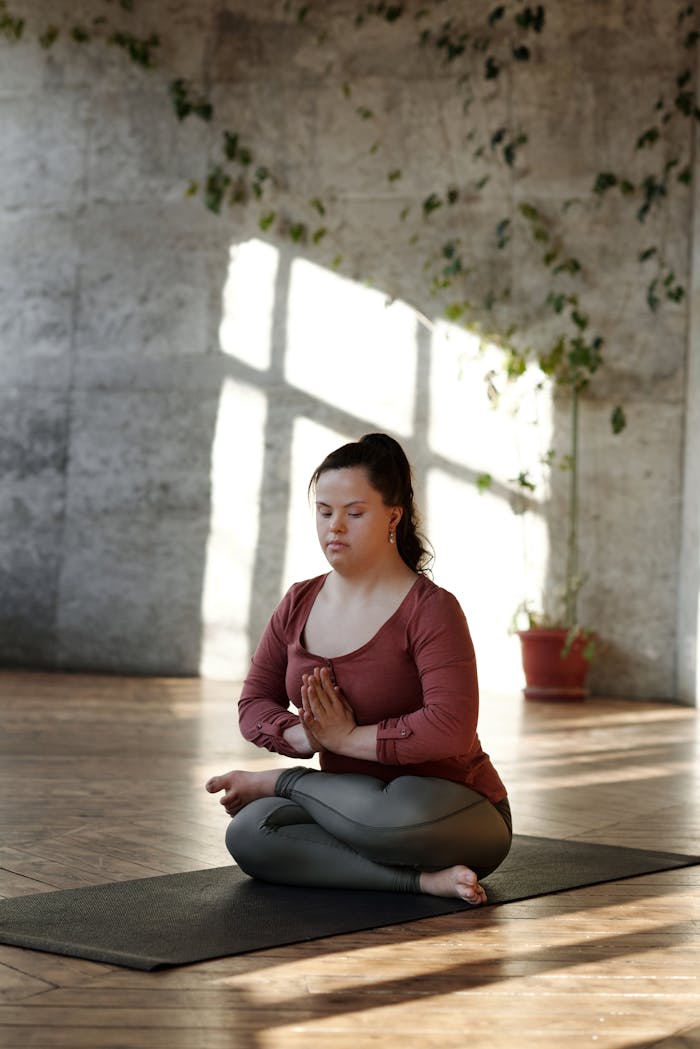
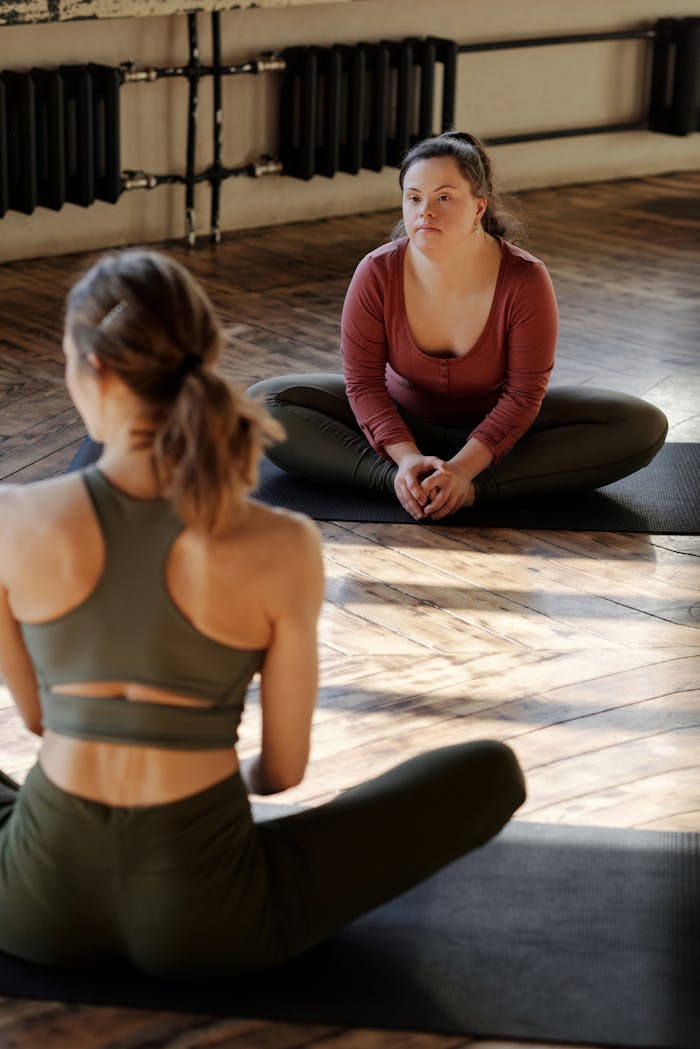
Yoga is for everyone. Yet, many may feel hesitant to step onto the mat, believing that flexibility or prior experience is a requirement. It’s essential to recognize that yoga truly transcends physical limitations. Through adaptive yoga techniques, we can create an inclusive environment that welcomes individuals of all ages, abilities, and backgrounds.
Adaptive yoga is all about modifying poses and practices to suit individual needs. For instance, using props like blocks, straps, or bolsters can make challenging postures more accessible. A chair can serve as a supportive tool, allowing those with mobility issues to engage comfortably in the practice. These modifications not only enhance physical accessibility but also foster a sense of empowerment and self-acceptance.
It’s vital to understand that yoga is not solely about achieving the perfect pose. It’s about connecting with yourself and finding balance. In this spirit, many studios and practitioners now offer specialized classes focused on inclusivity. These classes create safe spaces where anyone can experience the mental and emotional benefits of yoga, regardless of their starting point.
For those seeking inclusive yoga options, numerous resources are available. Online platforms often feature adaptive yoga classes and tutorials that guide practitioners through modified poses. If you’re interested in a deeper dive into this topic, check out Transform Your Practice: The Ultimate Guide to Adaptive Yoga for Everyone. This guide provides practical insights and techniques to help you embrace your unique journey.
Community support plays a crucial role in making yoga accessible. When individuals come together to share their experiences, they create a nurturing environment. This sense of belonging can be transformative, encouraging participants to embrace their unique paths in wellness. Many local studios offer workshops or support groups focused on adaptive practices, emphasizing that everyone is welcome.
As we expand our understanding of yoga, let’s prioritize accessibility. By adapting practices and fostering community support, we can ensure that the benefits of yoga reach everyone. This inclusive approach not only enriches our individual journeys but also strengthens the collective fabric of our yoga community. Together, we can create a space where everyone feels valued and empowered to explore the depths of their practice, going beyond yoga to embrace holistic wellness.
Incorporating Yoga into Daily Life
Integrating yoga into your daily life can be a gentle yet powerful transformation. It’s about more than just the physical postures; it’s a way to weave mindfulness into your everyday routines. Start by carving out a specific time for your practice. Whether it’s a morning sun salutation or an evening wind-down, consistency is key. Aim for short sessions if you’re just starting—10 to 15 minutes can be incredibly effective.
Consider setting up a dedicated space in your home. A quiet corner with a yoga mat, some cushions, and perhaps a few candles can create an inviting atmosphere. This space becomes a sanctuary for your practice, encouraging you to return regularly. If you prefer community, explore local classes that resonate with you. Being part of a group can deepen your connection to the practice and inspire you to stay committed.
Mindfulness is another essential aspect of incorporating yoga into daily life. It’s not just about the time spent on the mat; it extends to how you approach everyday activities. Try to bring awareness to simple actions like walking, eating, or even washing the dishes. Focus on your breath and the sensations in your body. This practice can transform mundane moments into opportunities for mindfulness, enriching your overall experience.
Setting realistic goals and intentions for your yoga practice is also crucial. Instead of aiming for perfection, consider what you hope to achieve. Whether it’s increased flexibility, stress relief, or a deeper connection to yourself, having clear intentions can guide your practice. Write them down or share them with a friend to help keep you accountable.
As you step into this journey, remember that yoga is a personal path. Each session doesn’t have to be a significant undertaking; it can be as simple as a few stretches before bed or mindful breathing during a busy day. Embrace the ebb and flow of your practice. Some days you may feel energized and ready to dive deeper, while other days might call for gentleness and rest.
Ultimately, incorporating yoga into your daily life is about creating a rhythm that nurtures your well-being. As you cultivate this practice, you’ll find moments of peace and clarity that extend beyond yoga, enriching your entire existence. Each small step forward is a celebration of your commitment to holistic wellness.
Frequently Asked Questions about Yoga
As you embark on your yoga journey, you may have questions or concerns. Here are some common inquiries that can help clarify your path toward holistic wellness.
Do I need to be flexible to start yoga?
Absolutely not! Many newcomers believe that flexibility is a prerequisite for yoga. The truth is, yoga is about meeting yourself where you are. With regular practice, you’ll gradually notice improvements in your flexibility and strength. Remember, every yogi was once a beginner!
What should I wear?
Choose comfortable, breathable clothing that allows for movement. Stretchy fabrics work well, as they won’t restrict your poses. It’s also helpful to wear layers, as your body temperature may change during practice.
How often should I practice?
Consistency is essential, but there’s no one-size-fits-all answer. Even short sessions a few times a week can be beneficial. Listen to your body and find a rhythm that feels right for you. The key is to enjoy your practice and return to it regularly.
Is yoga just about the physical postures?
Many people think yoga is solely about the poses, but it encompasses much more. The philosophy emphasizes mindfulness, breathwork, and community, cultivating a deeper connection to yourself and others. This holistic approach can enhance your life beyond yoga.
What if I have a health condition?
If you have any health concerns, consult your doctor before starting yoga. Many studios offer classes catering to various needs, including gentle and restorative practices. Don’t hesitate to communicate your limitations to your instructor; they can help you modify poses for safety and comfort.
For those looking to deepen their knowledge, resources like books on yoga philosophy and online classes can provide valuable insights. Engaging with the community—whether through workshops or local classes—can also foster connections and support your journey. Embrace the process, and let yoga guide you beyond the mat and into a more balanced life.
Conclusion: Embracing the Journey of Yoga
As we conclude our exploration of yoga, it’s clear that this practice offers a rich tapestry of benefits that extend far beyond the mat. From fostering mental clarity to nurturing physical health, yoga invites us into a holistic space where balance and mindfulness thrive. Each element of yoga, rooted in ancient philosophy, encourages us to embrace our unique paths toward personal fulfillment.
The journey of yoga is not a destination but a lifelong adventure. As you continue to explore different styles and teachings, remember that your practice is a reflection of your own evolving needs and aspirations. Whether you seek to deepen your meditation, enhance your physical strength, or connect with your spiritual self, there is always more to uncover.
Community plays a vital role in this journey. Surrounding yourself with like-minded individuals can provide invaluable support and encouragement. Engaging with others, whether through local classes or online platforms, fosters connections that enhance your experience and enrich the collective spirit of yoga. Together, we can create a nurturing space where everyone feels empowered to explore the depths of their practice.
As you embrace your yoga journey, consider integrating essential pieces like the alo yoga quarter zip, which can support your comfort and style both on and off the mat.
In closing, remember that beyond yoga lies a world of possibilities for growth and transformation. Embrace the journey with an open heart, and let the wisdom of yoga guide you toward a more balanced and fulfilling life.