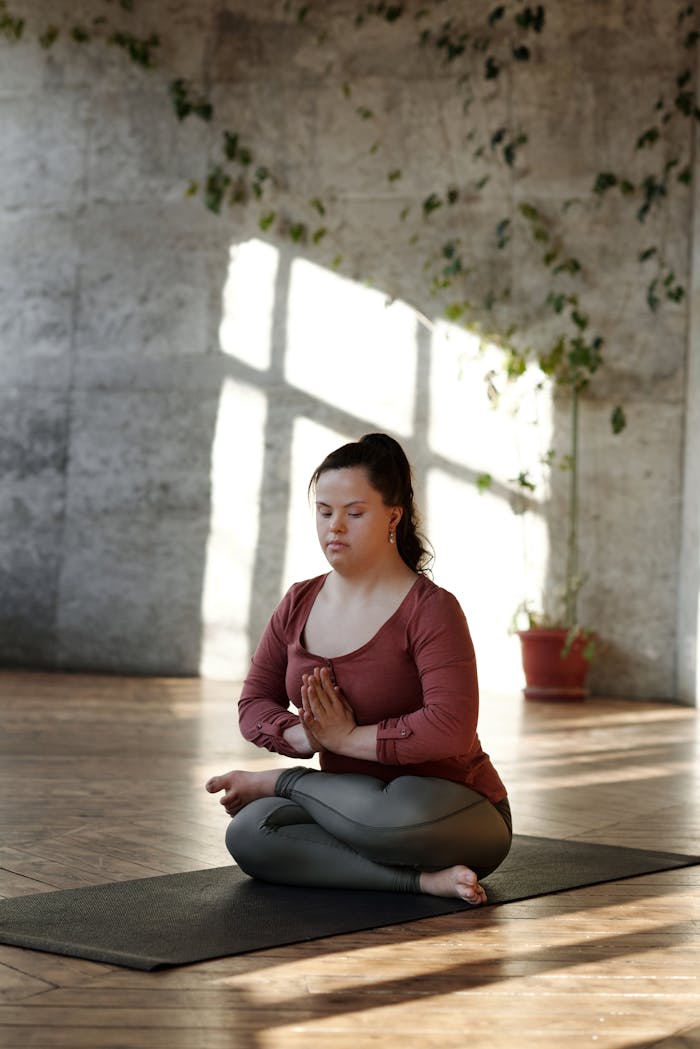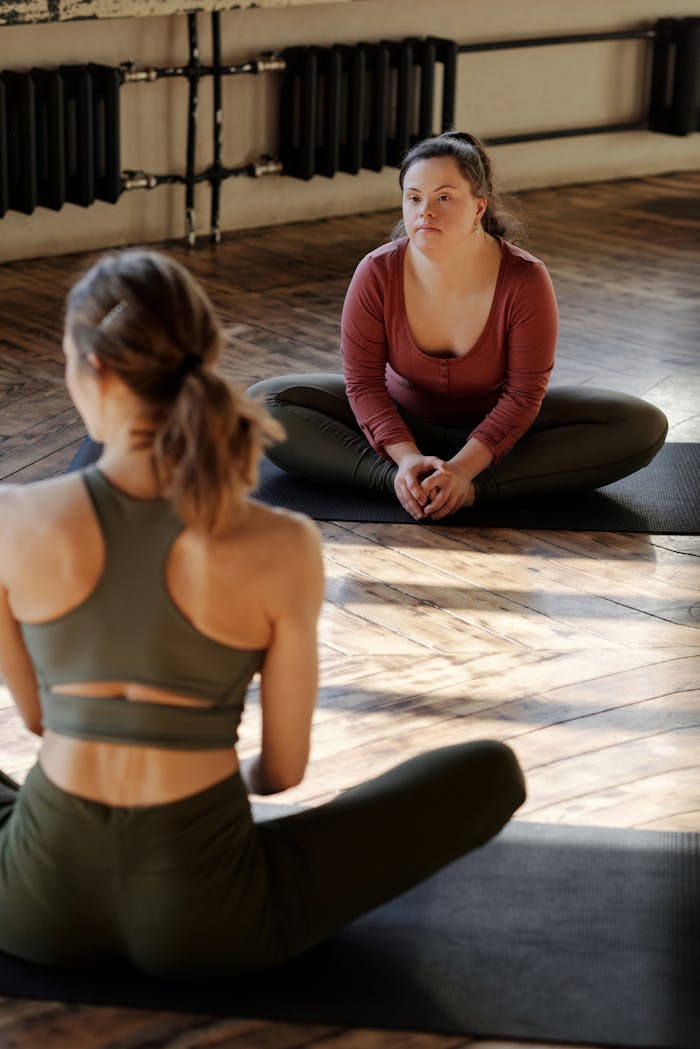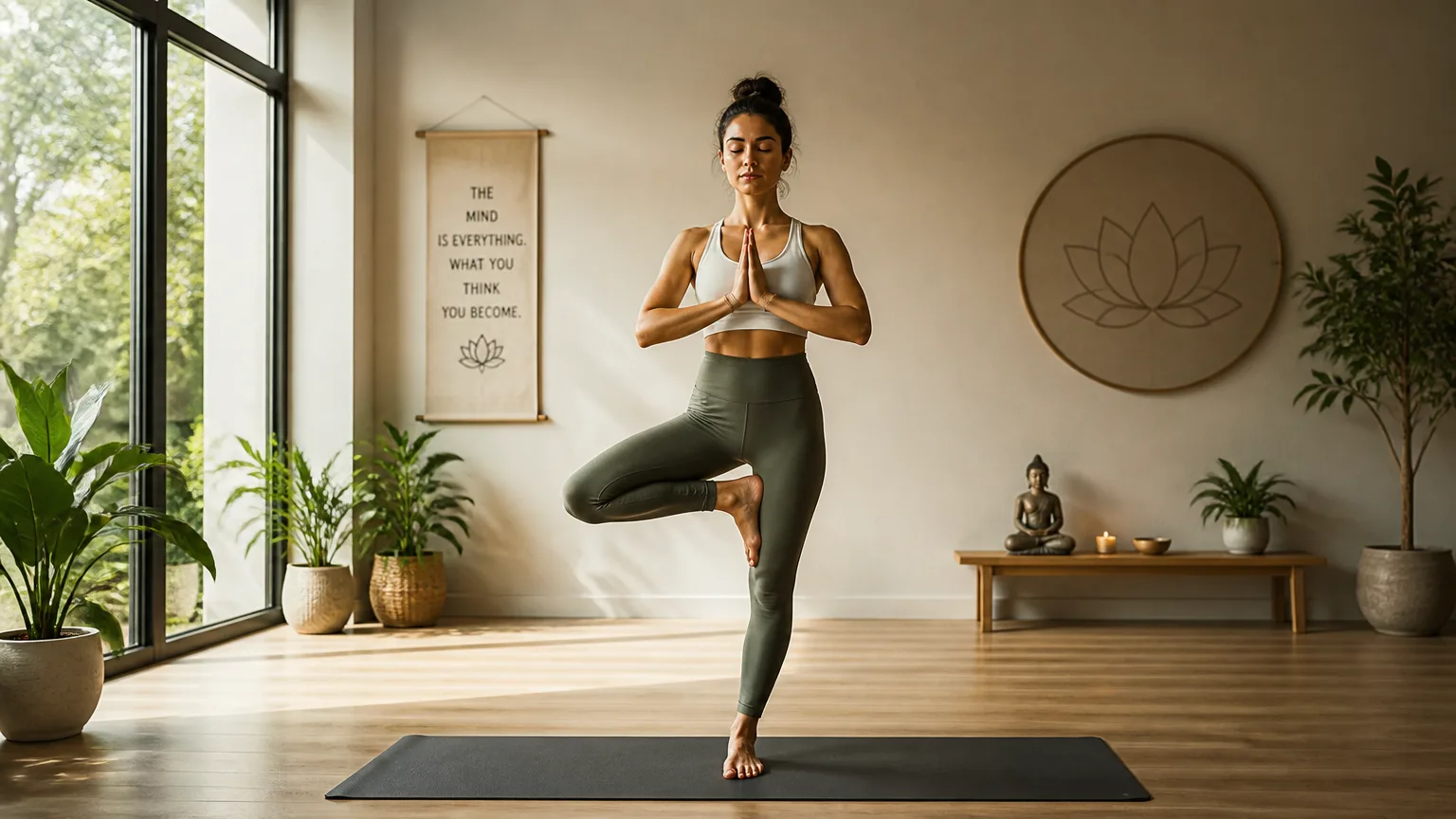
Asana training serves as the cornerstone of yoga practice, offering a gateway to deeper physical and mental wellness. By focusing on various postures, or asanas, practitioners cultivate strength, flexibility, and balance. But asana training goes beyond the physical; it connects the body to the present moment, fostering mindfulness and self-awareness.
When we engage in these movements, we learn to tune into our bodies and breath, creating a harmonious relationship between our physical and mental states. Each pose invites us to explore our limitations and celebrate our progress, encouraging a journey of self-discovery. This connection between physical postures and mindfulness lays the groundwork for a holistic approach to well-being.
In this guide, we will delve into the many benefits of asana training. You will discover how these practices can enhance your physical health, improve mental clarity, and promote emotional balance. We’ll explore various techniques that cater to all levels, whether you’re a seasoned yogi or just starting out.
Through engaging storytelling and practical tips, you’ll be encouraged to embrace your unique path to fulfillment. As we journey together, you’ll find inspiration to incorporate asana training into your daily life, nurturing not just your body, but your mind and spirit as well. Join us as we uncover the transformative power of asana and its profound impact on your overall well-being.
1. The Importance of Proper Asana Alignment
When it comes to asana training, proper alignment is the cornerstone of an effective practice. Think of alignment as the framework that supports your body during each pose. When your body is aligned correctly, you not only enhance the effectiveness of each asana, but you also create a safe environment that helps prevent injuries.
One common alignment mistake is collapsing the shoulders during poses like Downward Dog. This can strain your neck and upper back. Instead, focus on drawing your shoulder blades down your back, creating space in your neck. Remember, small adjustments can have a significant impact on how your body feels during and after practice.
Another frequent error occurs in standing poses, such as Warrior II. Many practitioners tend to let their front knee drift inward, which can lead to discomfort or injury over time. To maintain proper alignment, ensure that your knee tracks directly over your ankle. Visualize your body as a sturdy tree, with roots grounding you firmly into the earth.
To support good posture in your asana practice, consider these practical tips. First, engage your core muscles. A strong core stabilizes your spine and supports your movements. Second, use props like blocks or straps. These tools can help you find the right alignment, especially if you’re new to certain poses or if flexibility is a challenge.
Incorporating mindfulness into your practice can also help with alignment. As you transition between poses, take a moment to check in with your body. Ask yourself if you feel balanced and aligned. This practice of self-awareness can deepen your connection to your body and enhance your overall experience.
Don’t hesitate to seek feedback from instructors or fellow practitioners. They can offer valuable insights to help you refine your alignment. Remember, asana training is a journey, and learning from others can enrich your practice.
Ultimately, mastering alignment is about honoring your body and its unique needs. As you continue on this path, you’ll find that each adjustment not only enhances your physical practice but also nurtures your mental and emotional well-being. Embracing proper alignment invites a sense of balance and harmony, paving the way for a fulfilling asana experience.
2. Breath and Movement: The Synchronization of Prana
In the realm of asana training, breath is more than just a biological function; it is the vital life force known as prana. This energy flows through us, and understanding its connection to movement can transform your practice. When we synchronize our breath with our movements, we create a harmonious rhythm that enhances both physical vitality and mental clarity.
The essence of yoga lies in this profound interplay. As you transition through poses, coordinating your inhalations and exhalations with each movement allows for a deeper connection to your body and mind. For example, inhaling as you lift into a pose, like Warrior I, fills you with energy and intention, while exhaling as you deepen into the stretch grounds you, fostering mindfulness.
To effectively synchronize breath with movement, consider a few techniques. Start with simple practices, such as counting your breaths. For instance, inhale for four counts as you raise your arms overhead, then exhale for four counts as you fold forward. This structured approach helps cultivate awareness and control. Gradually, you can extend or shorten your counts based on your comfort level, allowing your breath to guide your pace.
In addition to enhancing physical alignment, breath awareness in asana training cultivates mental clarity. When your mind is focused on your breath, it quiets distractions and fosters a sense of presence. This mindfulness can lead to reduced stress and heightened emotional resilience. Engaging in this intentional practice allows you to navigate daily challenges with a calm and centered mindset.
Imagine flowing through your practice with each inhale and exhale seamlessly guiding your movements. This not only deepens your physical experience but also nurtures an emotional connection to your practice. As you become more attuned to your breath, you may notice a shift in your energy levels, leading to greater vitality both on and off the mat.
Incorporating breath into your asana training invites a sense of community, too. Whether practicing alone or in a group, the shared rhythm of breath creates a collective energy that can be incredibly uplifting. Embrace this connection as you deepen your practice and explore the transformative power of synchronized breath and movement.
3. Enhancing Flexibility and Strength Through Asana
Asana training offers a beautiful pathway to enhance both flexibility and strength. Each pose serves a unique purpose, targeting specific muscle groups and helping to create a balanced practice. Understanding how to integrate these elements into your routine can deepen your physical experience and support overall wellness.
To improve flexibility, certain asanas are particularly beneficial. Poses like Downward-Facing Dog and Forward Fold stretch the hamstrings and calves, opening the body and releasing tension. Butterfly Pose is another excellent choice, as it gently stretches the inner thighs and groin, allowing for a deeper range of motion. Incorporating these poses regularly can lead to noticeable improvements in your flexibility, making everyday movements easier and more comfortable.
Strength-building is equally important in asana training. Poses such as Plank and Warrior II engage multiple muscle groups, promoting stability and endurance. Chair Pose is another powerful option, as it strengthens the legs and core while also enhancing balance. By focusing on these poses, you’ll cultivate not only physical strength but also the mental resilience that comes from holding challenging postures.
Creating a balanced practice is key to maximizing the benefits of asana training. Aim to include both flexibility-enhancing and strength-building poses in each session. This not only promotes a well-rounded workout but also helps prevent injury. For instance, following a deep stretch like Cobra Pose with a strength-focused pose like Boat Pose can create a harmonious flow that engages and relaxes your body in equal measure.
Listening to your body is crucial as you explore these asanas. Pay attention to how each pose feels and adjust your practice accordingly. You may find some poses require more strength, while others challenge your flexibility. This awareness allows you to tailor your sessions to your unique needs, making your asana training both effective and nurturing.
As you continue to develop your practice, remember that enhancing flexibility and strength is a journey. Celebrate your progress, no matter how small. Each time you step onto your mat, you are taking a step towards greater balance in your body and mind, fostering a deep sense of connection to yourself and your practice.
4. Using Props for an Inclusive Practice
Incorporating yoga props into your asana training can transform your practice, making it more accessible and effective for everyone. Props, such as blocks, straps, bolsters, and blankets, are invaluable tools that can enhance your experience on the mat. They provide support, stability, and comfort, allowing you to explore poses more deeply while respecting your individual needs.
Types of Yoga Props and Their Benefits
Yoga props come in various forms, each designed to assist you in different ways. Blocks can elevate your hands in poses like Downward Dog, making it easier to maintain proper alignment. Straps are perfect for deepening stretches in poses such as Forward Fold, allowing you to hold onto the strap instead of straining. Bolsters can offer support in restorative poses, promoting relaxation and letting go of tension. By using props, you can modify poses to suit your body, enhancing both safety and effectiveness.
How to Incorporate Props in Different Asanas
When practicing asanas, consider how props can enhance your experience. In Triangle Pose, for example, placing a block under your bottom hand can help you maintain balance and alignment. This adjustment allows you to focus on your breath and the stretch rather than the strain. In seated poses, using a bolster or blanket can elevate your hips, making it easier to sit comfortably and engage in mindful breathing. Each prop can be seamlessly integrated into your practice, inviting you to explore your range of motion without discomfort.
Personalizing Your Practice with Props
Using props is not just about support; it’s about personalizing your journey. Everyone’s body is different, and what works for one person may not work for another. By experimenting with props, you can discover what feels best for you. Perhaps you find that using a strap in a seated forward bend allows you to deepen your stretch without compromising your back. Or maybe a block under your hands in Warrior II provides the stability you need to hold the pose longer.
Embrace the diversity of your practice and let props guide you toward greater awareness. They serve as reminders that yoga is not a one-size-fits-all experience. By honoring your unique needs and preferences, you’re cultivating a compassionate approach to your asana training that celebrates every step of your journey.
5. The Role of Mindfulness in Asana
Mindfulness plays a vital role in asana training, transforming each pose into a deeply enriching experience. Unlike traditional physical exercise, which often prioritizes speed or intensity, mindful movement invites you to engage fully with each moment. This shift in focus allows you to connect not only with your body but also with your breath and thoughts, fostering a holistic sense of awareness.
To cultivate mindfulness during your practice, start by setting an intention before you step onto your mat. This could be as simple as a word or phrase that resonates with you, such as “release” or “embrace.” As you flow through each asana, let this intention guide your movements and your breath.
Staying present can be challenging, especially in a world filled with distractions. One effective technique is to anchor your awareness in your breath. Notice the rise and fall of your chest, the sensations of inhaling and exhaling. Whenever your mind wanders, gently bring it back to this rhythmic cycle. This practice not only enhances your asana training but also cultivates a sense of peace that extends beyond the mat.
Another helpful technique is to engage in body scanning. As you transition between poses, take a moment to check in with different areas of your body. Notice any tension or discomfort and consciously soften those areas. This practice encourages self-compassion and deepens your connection to your physical state.
Integrating mindfulness into your asana training has numerous benefits. It enhances your ability to focus, helping you maintain balance and stability in your practice. Additionally, mindfulness can reduce stress and anxiety, allowing for a more relaxed approach to each pose. Many practitioners find that this mental clarity fosters a deeper sense of fulfillment and joy in their practice.
Moreover, as you cultivate mindfulness, you create space for self-discovery. Each asana becomes an opportunity to explore your thoughts and emotions, revealing insights that may have been hidden beneath the surface. This journey inward not only enriches your physical practice but also nurtures your emotional and spiritual well-being.
Ultimately, embracing mindfulness in your asana training transforms your practice from a routine exercise into a sacred ritual. It allows you to connect with yourself on a deeper level, nurturing balance and harmony within your entire being. As you move through each pose, honor the journey and the present moment, for it is here that true transformation occurs.
6. Cues and Adjustments: Transforming Your Practice
In the world of asana training, the right cues and adjustments can make all the difference. These elements are not just about correcting postures; they play a crucial role in enhancing your practice, ensuring safety, and deepening your connection to each pose. Understanding how to effectively use cues can transform your experience on the mat, guiding you toward optimal alignment and awareness.
Cues are verbal or physical prompts that instructors provide to help you navigate your practice. They can range from simple instructions, like “engage your core,” to more nuanced guidance, such as “lengthen through your spine.” When delivered mindfully, cues help you focus on your breath and body, creating a deeper sense of presence. This awareness is vital for both beginners and seasoned practitioners, as it fosters a mindful approach to movement.
Adjustments, on the other hand, involve hands-on guidance from instructors. These gentle touches can help you find the right alignment in a pose, enhancing your physical stability. For instance, if you’re struggling with balance in Tree Pose, an instructor might support your hip, helping you discover a more grounded position. Adjustments not only facilitate safety but also encourage you to explore your limits, fostering growth and understanding of your body.
While receiving adjustments is beneficial, providing feedback is equally important. If something doesn’t feel right during your practice, communicate with your instructor. A simple, “That doesn’t feel comfortable,” can lead to adjustments that cater to your needs. This open dialogue cultivates a supportive environment, allowing everyone to feel safe and nurtured in their pursuit of wellness.
Creating a space for feedback also encourages instructors to refine their techniques. When you share your experience, it not only helps them improve their cues but also deepens the instructor-student relationship. This mutual respect builds a sense of community, reminding us that we are all on this journey together.
As you embark on your asana training, remember that cues and adjustments are tools for growth. They invite you to explore your practice with curiosity and openness. By embracing these elements, you’re not only enhancing your safety but also enriching your journey toward holistic wellness. Each cue, each adjustment, becomes a step towards a more fulfilling practice, fostering a deeper connection to yourself and the world around you.
7. Building a Sustainable Asana Practice
Creating a sustainable asana practice is about more than just physical postures; it’s about nurturing a lifelong journey towards wellness. To begin, establishing a regular practice routine is essential. Aim for consistency, even if it’s just a few minutes each day. This helps to create a rhythm, making asana training an integral part of your life.
Setting realistic goals is also crucial. Rather than aiming for perfection, focus on gradual progress. For instance, if you’re new to asanas, start with shorter sessions. As you build confidence, you can slowly increase the duration and complexity of your practice. Celebrate small victories, like mastering a challenging pose or simply showing up on your mat. Each step forward is a triumph worth acknowledging.
Another important aspect of a sustainable practice is to remain mindful of your body and mind. Recognizing signs of burnout can help you maintain your passion for yoga. If you find yourself feeling exhausted or disinterested, it may be time to take a step back. Listen to your body; it often knows what you need. Incorporating rest days or lighter sessions can rejuvenate your spirit and prevent fatigue.
Recovery is just as important as practice. Allowing yourself time to rest and recharge not only enhances your physical abilities but also deepens your mental focus. Consider incorporating restorative poses or gentle stretches on days when you feel low energy. These practices can be just as beneficial as more vigorous sessions, providing balance and promoting overall well-being.
Setting intentions before each practice can also guide your journey. Whether it’s cultivating gratitude or fostering self-compassion, these intentions will help you stay focused and connected. Write them down or take a moment to breathe deeply and reflect. This mindfulness can transform your practice from a mere routine into a meaningful ritual.
Engaging with a community can further enrich your practice. Sharing your experiences with others can provide motivation and support. Whether it’s joining a yoga group or participating in online forums, connecting with like-minded individuals can inspire you to stay committed.
Ultimately, building a sustainable asana practice is about honoring your unique path. Embrace the journey with patience and love, reminding yourself that every step—no matter how small—contributes to your holistic wellness. Nurture this relationship with your practice, and it will flourish, bringing you joy and balance for years to come.
Frequently Asked Questions
As you embark on your asana training journey, you may find yourself grappling with common questions and concerns. Let’s clarify some misconceptions and offer helpful tips to guide you.
One prevalent myth is that asana training is only for the flexible. In truth, yoga is for everyone, regardless of your starting point. Every body is unique, and asana can be adapted to fit your individual needs. Remember, it’s not about perfecting a pose but about connecting with yourself.
For beginners, starting with simple poses can be empowering. Try foundational asanas like Downward Dog or Child’s Pose to cultivate strength and flexibility. Set aside a few minutes each day to practice, gradually increasing your time on the mat. Consistency is key, and celebrating small victories can enhance your motivation.
It’s also crucial to seek guidance from a qualified teacher. A knowledgeable instructor can offer personalized adjustments and help you understand the nuances of each pose. This guidance ensures that you practice safely and effectively, minimizing the risk of injury.
As you progress, don’t hesitate to ask questions during class. Whether about alignment or breath, engaging with your teacher can deepen your understanding of asana training. Your curiosity is a powerful tool on this journey.
Lastly, remember that community plays an essential role in your practice. Connecting with fellow practitioners can provide encouragement and support. Sharing experiences can enrich your understanding and foster a sense of belonging, making your asana journey even more rewarding.
Embrace these insights, and let them nurture your path to holistic wellness. Each question you explore brings you closer to a deeper connection with your practice.
Conclusion: Cultivating Wellness through Asana
As we wrap up this guide on asana training, it’s clear that the journey toward holistic wellness is deeply enriched by this practice. The transformative power of asana extends far beyond physical benefits; it nurtures the mind and spirit, fostering a sense of balance that permeates all aspects of life. Each pose serves as an opportunity to connect with yourself, encouraging mindfulness and self-awareness.
Incorporating asana into your daily routine can lead to remarkable shifts in both your body and mindset. From improved flexibility and strength to enhanced emotional resilience, the benefits are profound. Remember, though, that this is a journey best approached with patience and curiosity. Embrace the process and allow yourself the grace to explore at your own pace.
As you continue to delve into your practice, consider the importance of community. Connecting with others who share your passion can inspire deeper exploration and growth. Whether through group classes or online forums, these connections can provide encouragement and motivation, making your asana training experience even more enriching.
Lastly, keep in mind that longevity in yoga comes from consistency and compassion. Celebrate your progress, no matter how small. Each moment spent on the mat is a step toward greater wellness. By honoring your unique journey, you’ll cultivate a lasting relationship with your practice that brings joy and balance for years to come.
So, step onto your mat with an open heart and a curious mind. Let asana guide you toward a life filled with wellness, connection, and transformation. Your path is uniquely yours, and every breath brings you closer to living your fullest, most vibrant life.