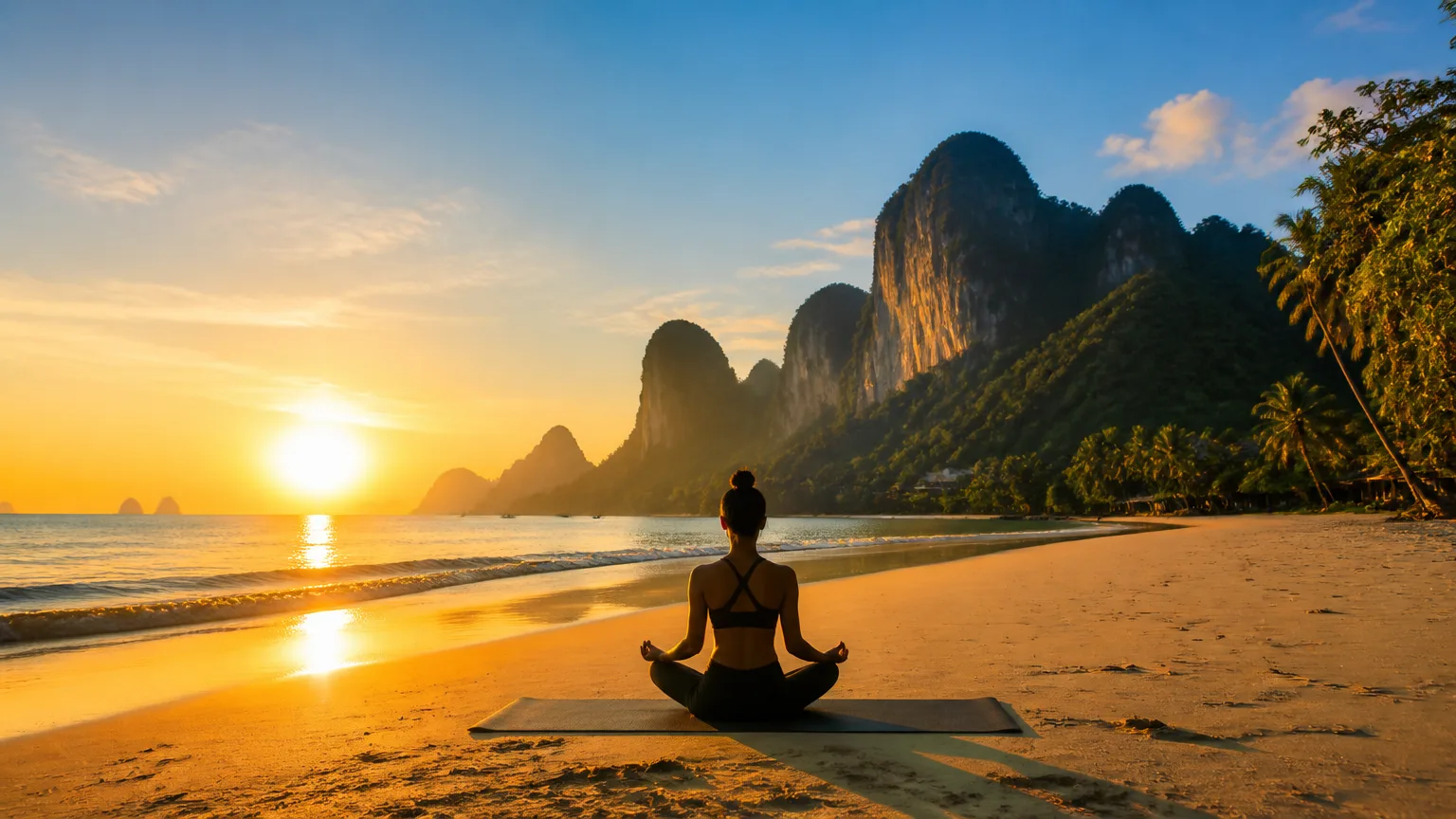
Thailand yoga teacher training has become a beacon for wellness seekers from around the globe. Nestled amidst stunning landscapes and serene beaches, the country offers a unique environment that enhances the practice of yoga and mindfulness. As you step into this vibrant culture, you’ll find not only breathtaking scenery but also a deep connection to ancient traditions that enrich your learning experience.
Choosing the right training program is vital for your personal growth. In Thailand, you’ll find diverse offerings that cater to various styles, philosophies, and skill levels. This variety allows you to select a program that resonates with your unique path, ensuring a profound journey of self-discovery.
The appeal of immersing yourself in a culturally rich setting cannot be overstated. Thailand’s warm hospitality and vibrant energy create an inviting atmosphere that fosters community and connection among fellow trainees. This supportive environment encourages you to explore your potential, both on and off the mat. Embracing this transformative experience in Thailand could be the first step towards a fulfilling journey in yoga and beyond.
1. Types of Yoga Teacher Trainings Offered
In Thailand, you’ll find a vibrant array of yoga teacher training programs designed to suit various styles and experience levels. Whether you’re drawn to the calming flow of Hatha, the dynamic energy of Vinyasa, or the foundational strength of Ashtanga, there’s a program tailored just for you. Each style offers unique philosophies and techniques, allowing you to explore what resonates most deeply with your practice.
Most training programs come in different durations, with the most common being the 200-hour and 300-hour certifications. A 200-hour course is often seen as the essential foundation, perfect for beginners or those looking to deepen their understanding of yoga. This level covers the basics of asanas, anatomy, and teaching methodologies. On the other hand, a 300-hour program is ideal for those wishing to refine their skills and delve deeper into advanced practices and teaching techniques.
When choosing the right training, consider your personal goals and previous experience. Are you looking to teach professionally, or are you seeking personal growth? If you’re just starting, a 200-hour program may be the best fit. However, if you have prior experience and aim to deepen your knowledge, a 300-hour course could be your next step.
Many training centers in Thailand also offer specialized workshops, such as prenatal yoga or yoga therapy, allowing you to diversify your skills. This flexibility ensures that no matter where you are on your journey, you can find a program that aligns with your aspirations and supports your growth. Embrace the opportunity to explore these diverse offerings and discover the training path that speaks to your heart.
2. The Structure of a Typical Training Program
Embarking on your Thailand yoga teacher training is an exciting journey filled with both learning and personal growth. Most programs are structured to provide a harmonious blend of theory and practice, ensuring a well-rounded experience.
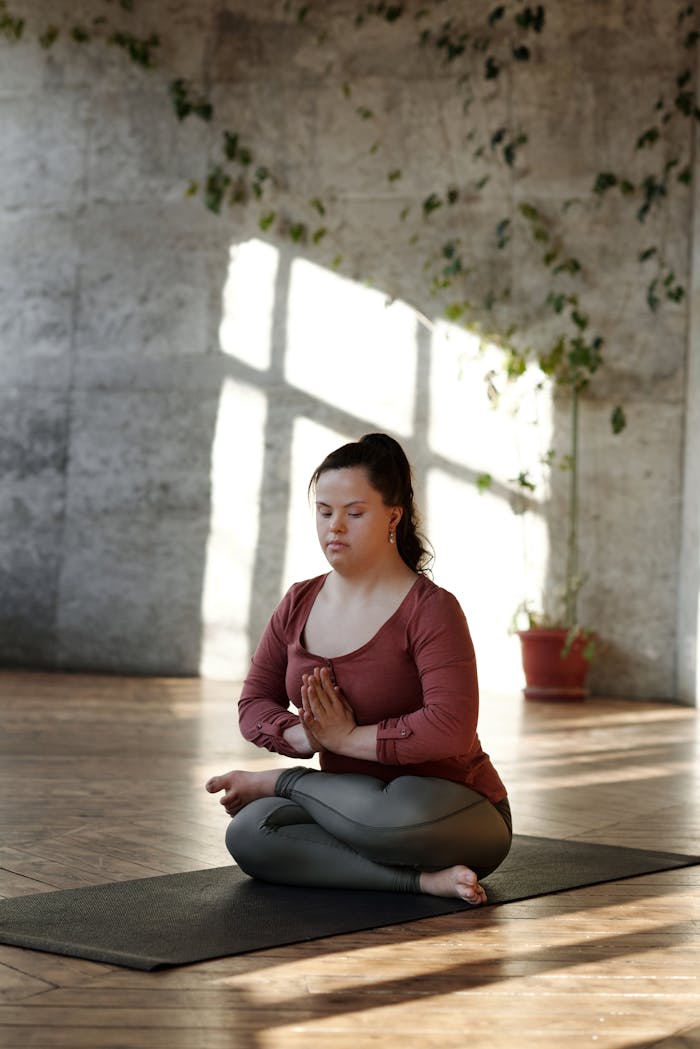
A typical day often begins early, with morning yoga sessions that set a mindful tone for the day. These sessions are not just about physical practice; they also incorporate elements of meditation and breathwork, grounding you in your body and intentions.
After your morning practice, you’ll dive into theoretical components such as anatomy, philosophy, and teaching methodology. Understanding the human body is crucial for any aspiring teacher, as it helps in crafting safe and effective classes. Philosophy discussions often explore the deeper meanings behind yoga, including concepts like mindfulness and balance, which you can further explore in resources like unlocking the eight limbs of yoga.
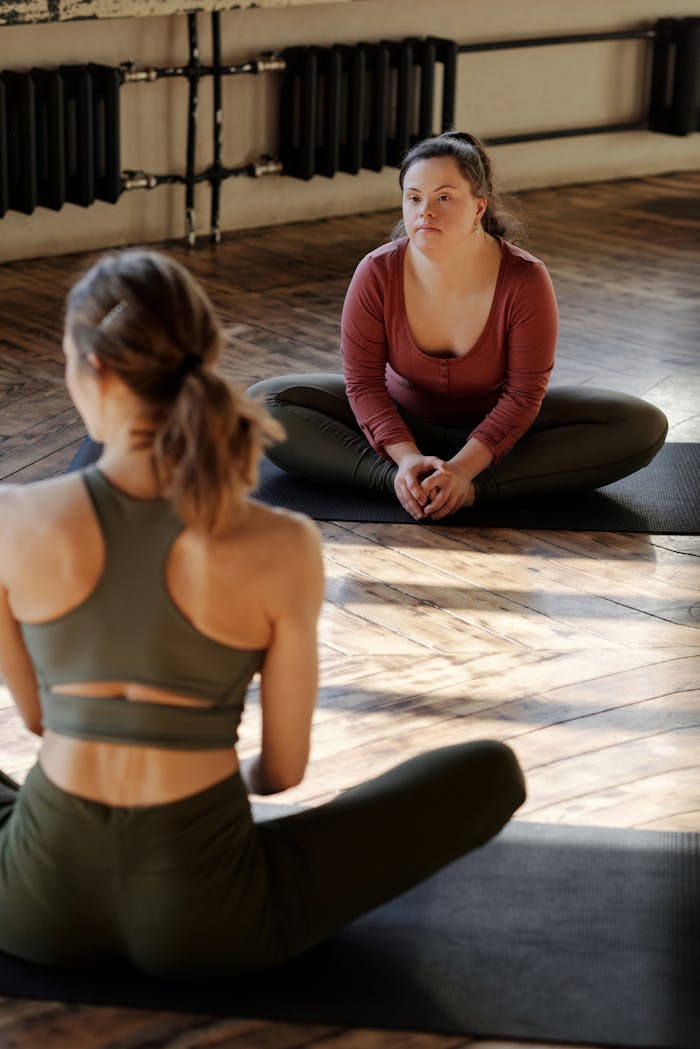
Afternoons usually feature hands-on workshops where you can practice teaching. These sessions are essential, as they give you the chance to experiment with leading your peers in class formats. Here, feedback from instructors and fellow trainees is invaluable, nurturing your confidence and style as a teacher.
Evenings might be reserved for group discussions or guest lectures, where you can connect with experienced yogis and learn from their journeys. This mix of study and practice fosters a community spirit, allowing you to share insights and build relationships with fellow trainees.
In essence, the structure of Thailand yoga teacher training is designed to create a comprehensive learning environment. By balancing theory and practical application, you’re equipped with the tools to embark on your teaching journey with confidence and clarity.
3. Benefits of Training in Thailand
Training in Thailand offers a wealth of holistic benefits that extend far beyond merely earning your certification. One of the most enriching aspects is the cultural immersion. Surrounded by the vibrant traditions of Thai culture, you’ll deepen your understanding of yoga as a spiritual practice, rooted in mindfulness and community. This unique environment encourages you to connect with both the local heritage and your own inner journey.
Nature plays a significant role in this experience. With lush landscapes, serene beaches, and tranquil temples, Thailand’s natural beauty serves as a backdrop for self-discovery. Daily yoga sessions amidst such breathtaking scenery foster a deeper connection to your practice. The calming sounds of nature can enhance your mindfulness, making every session feel more profound.
Additionally, training in Thailand provides ample opportunities for personal development. You’ll engage in reflective practices that encourage self-exploration and growth. The supportive atmosphere allows you to confront challenges and celebrate achievements, nurturing your confidence both on and off the mat.
One of the most rewarding aspects is the community you build with like-minded individuals. Sharing this journey with others who are equally passionate creates lasting bonds. These connections often evolve into a supportive network that extends beyond your training, fostering friendships that encourage your ongoing growth and exploration in yoga.
In this nurturing environment, you’ll discover that the benefits of Thailand yoga teacher training are not only about teaching but also about becoming the best version of yourself.
4. Choosing the Right Training School
Selecting the right yoga teacher training program in Thailand is a crucial step in your journey. It’s important to align your choice with your personal goals and values. Start by researching schools that resonate with your aspirations. Consider their certification process and how it fits into your long-term vision for your yoga practice.
Next, evaluate the qualifications of the instructors. Look for trainers who have extensive experience and a deep understanding of yoga methodologies. Their teaching style should inspire you and align with your learning preferences. Don’t hesitate to reach out with questions about their backgrounds, teaching philosophies, and what you can expect from their classes.
Location plays a vital role in your training experience. Thailand offers diverse settings, from tranquil beaches to lush jungles, each providing a unique atmosphere for learning. Consider what environment will best support your practice and growth. Look into the facilities as well—clean, well-maintained spaces can enhance your learning experience and comfort.
Additionally, it’s beneficial to read reviews and testimonials from past trainees. Their experiences can offer insights into the school’s culture and effectiveness. Engaging with alumni can also provide a sense of community that extends beyond the classroom.
For further insights into different training programs, explore resources like Your Ultimate Guide to CorePower Yoga Teacher Training. This guide can help you compare various options and find the right fit for your journey.
Choosing the right training school is more than just a decision; it’s an investment in your future as a yoga teacher and practitioner. Embrace this opportunity to explore your options and find a program that truly speaks to your heart.
5. What to Pack for Your Training
Packing for your Thailand yoga teacher training can feel overwhelming, but with a little preparation, you’ll be ready for both comfort and adventure. Start with the essentials: your yoga gear. Bring a few pairs of comfortable yoga pants, breathable tops, and a supportive sports bra. Depending on your training schedule, you may also want a light jacket for those cooler mornings or evenings.
Personal items are equally important for your comfort. Consider packing a refillable water bottle to stay hydrated, especially in Thailand’s warm climate. A good yoga mat is essential, but check with your training school to see if they provide mats. Don’t forget a journal to record your thoughts and insights along your journey.
Maintaining your energy levels is vital during intense training. Pack healthy snacks like nuts, dried fruits, or energy bars. If you have specific dietary needs, consider bringing supplements or favorite health products that keep you feeling your best.
Cultural considerations also play a role in your packing list. Thailand is a diverse country with rich traditions, so it’s respectful to include modest clothing for any excursions or temple visits. Lightweight, loose-fitting clothes are ideal for both yoga practice and exploring local culture.
Lastly, don’t forget essentials like sunscreen, insect repellent, and a basic first aid kit. With these items in tow, you’ll be well-prepared to embrace your transformative experience in Thailand yoga teacher training with open arms.
6. Post-Training Opportunities
Completing your Thailand yoga teacher training opens a world of possibilities. Many graduates choose to kickstart their teaching careers right away, sharing their passion and newfound knowledge with others. You might find opportunities to teach at local studios or wellness retreats, allowing you to inspire students on their own journeys.
For those who wish to deepen their practice, advanced programs are readily available. These courses can enhance your skills and broaden your understanding of yoga, preparing you for specialized teaching roles. Whether you’re drawn to restorative practices or a specific style, continuing education is a valuable path to further enrich your journey.
Internships at studios or participating in yoga retreats can also provide hands-on experience. These immersive environments allow you to learn from seasoned instructors and gain insights into the business of yoga. Engaging in these experiences can bolster your confidence and refine your teaching style.
Networking is another essential aspect of life after training. The supportive community you built during your program can lead to collaborations and mentorship opportunities. Staying connected with fellow graduates and instructors can foster growth, both personally and professionally. As you navigate this exciting phase, remember to embrace the relationships you’ve formed, as they can be invaluable on your path.
To explore more about rich practices that can enhance your teaching, consider resources like Discover Anusara Yoga. Each step you take after your Thailand yoga teacher training is an opportunity to thrive and share your passion with the world.
Conclusion: Embracing Your Yoga Journey in Thailand
As you consider embarking on your Thailand yoga teacher training, remember that this journey is about more than just learning to teach. It’s an opportunity to immerse yourself in the profound practices of yoga and mindfulness, fostering a deeper connection between your mind, body, and spirit.
The tranquil landscapes and welcoming communities of Thailand create an ideal backdrop for personal growth. Here, you can explore your inner self, gaining insights that will serve you both as a practitioner and potential teacher. Engaging with like-minded individuals allows you to form lasting friendships that support your ongoing wellness journey.
Taking the leap to train in Thailand is an investment in your future. Whether you seek to teach or deepen your practice, this experience can be transformative. Embrace the chance to learn, grow, and become the best version of yourself.
So, if you feel the call to yoga, don’t hesitate to answer. Your adventure awaits, ready to unfold in the beautiful embrace of Thailand. Let this journey guide you towards fulfillment, both on and off the mat.