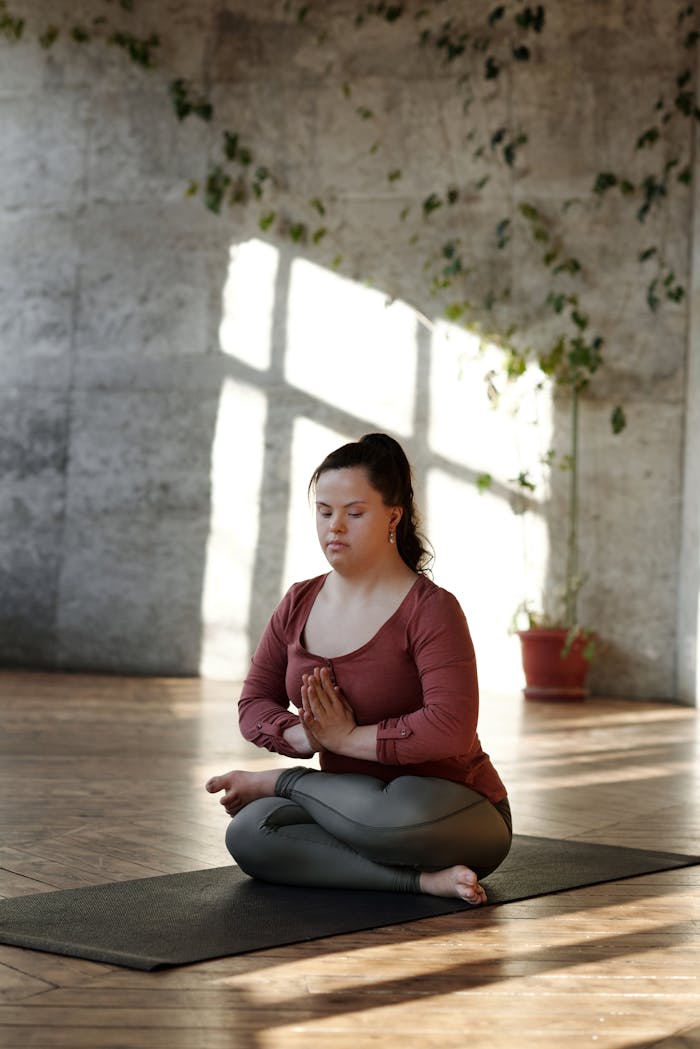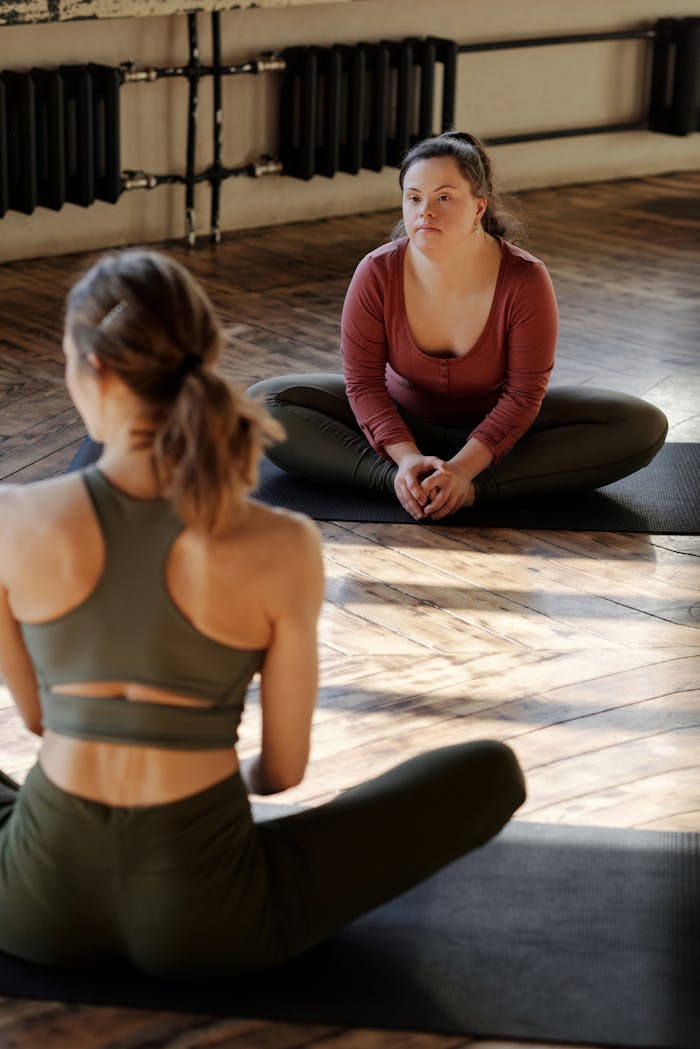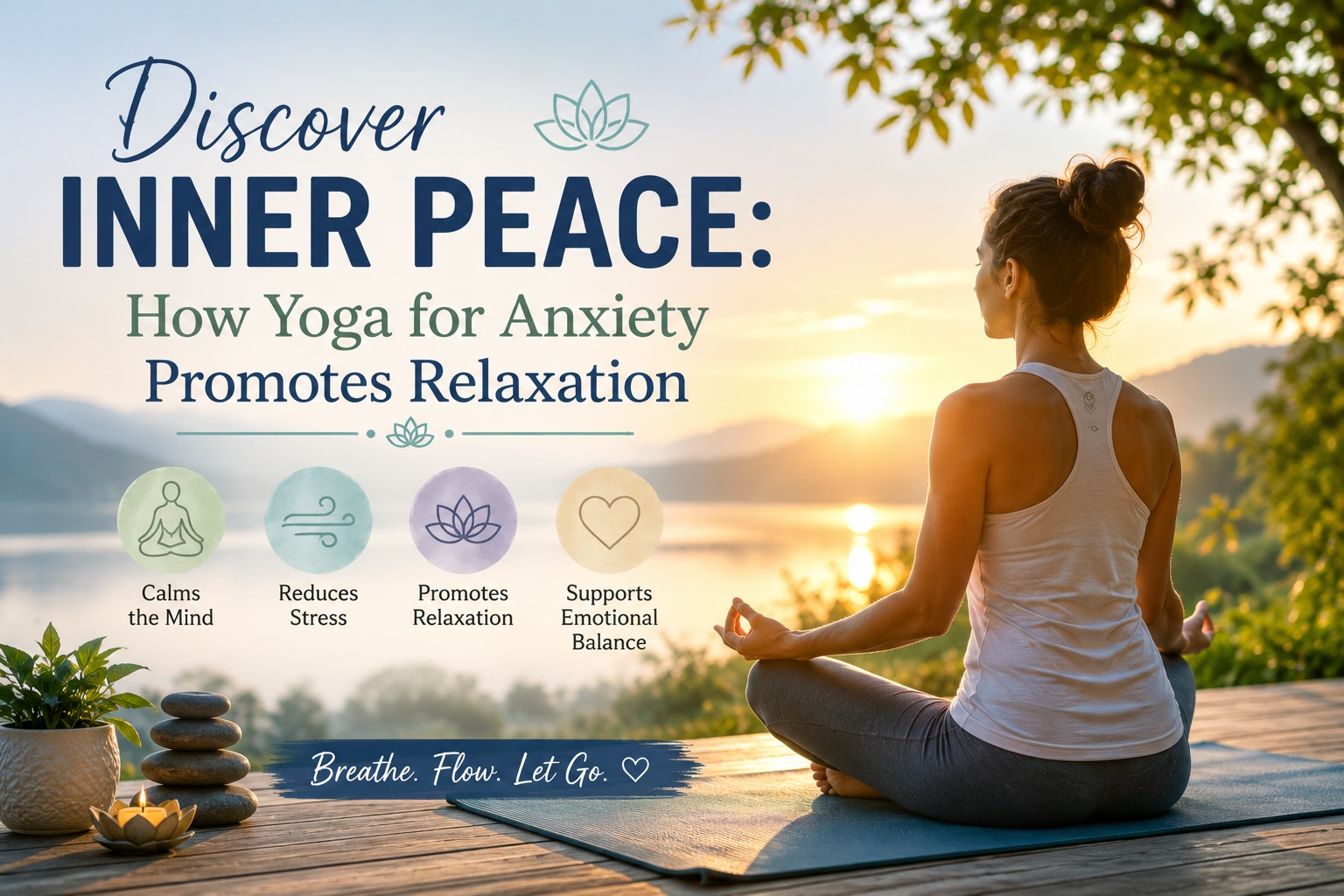
In today’s fast-paced world, anxiety has become a common companion for many. The demands of work, relationships, and daily responsibilities can create a whirlwind of worries, leaving us feeling overwhelmed and disconnected. Yoga for anxiety offers a path toward inner peace and relaxation, inviting us to explore the calming effects of mindful movement and breath.
Anxiety can manifest in various ways, both mentally and physically. You might experience racing thoughts, restlessness, or an unshakeable sense of dread. Physically, anxiety can lead to tension in your body, headaches, and even digestive issues. These symptoms can disrupt daily life, making it hard to focus on tasks, connect with loved ones, or simply enjoy the present moment.
As anxiety becomes more prevalent in modern society, finding effective coping strategies is essential. Many people are turning to yoga as a holistic remedy. This ancient practice encourages you to tune into your body and cultivate mindfulness, helping to ground you in the present.
Through gentle movements, deep breathing, and meditation, yoga can create a safe space to explore your emotions. Each pose becomes a tool for releasing tension and fostering a sense of balance. By incorporating yoga into your routine, you can transform your relationship with anxiety, paving the way for a calmer, more centered life.
In this article, we will delve into the ways yoga can support you on your journey to finding solace. As we explore the techniques and benefits, you’ll discover how this practice can nurture your well-being and foster a deeper sense of connection with yourself.
The Science Behind Yoga for Anxiety
Research increasingly supports the idea that yoga for anxiety can be a powerful tool for mental health. Studies have shown that regular yoga practice significantly reduces anxiety symptoms. For instance, a study published in the Journal of Clinical Psychology found that participants who practiced yoga experienced a notable decrease in anxiety levels compared to those who did not engage in any form of exercise.
At the heart of yoga’s effectiveness are its physical movements and mindfulness techniques. Poses such as Child’s Pose and Legs-Up-the-Wall not only promote relaxation but also stimulate the parasympathetic nervous system, which helps the body to unwind. These gentle stretches release tension stored in the muscles, allowing for a deeper sense of calm.
Breathwork is another essential component of yoga for anxiety. Techniques like Pranayama, or controlled breathing, can help regulate emotions and reduce stress. By focusing on the breath, you create a space for mindfulness, allowing you to observe your thoughts without judgment. This practice can ground you, making it easier to navigate anxiety-provoking situations.
Moreover, a meta-analysis published in the journal Health Psychology Review highlighted that yoga practices which incorporate both movement and mindfulness lead to improved mental well-being. Participants reported feeling more balanced and centered after consistent practice, reinforcing the idea that yoga can be a transformative experience.
Integrating meditation into your yoga routine can further amplify these benefits. Mindfulness meditation helps cultivate awareness and presence, allowing you to confront anxious thoughts with compassion. The combination of movement, breath, and meditation offers a holistic approach to managing anxiety, guiding you toward inner peace and relaxation.
Key Yoga Techniques for Managing Anxiety
When it comes to yoga for anxiety, specific techniques can help you cultivate a sense of calm and clarity. One of the most effective tools is deep breathing exercises. Focusing on your breath not only brings awareness to the present moment but also activates your body’s relaxation response. Try inhaling deeply through your nose, holding for a moment, and exhaling slowly through your mouth. This rhythmic breathing can lower heart rates and reduce tension, making it a vital practice for easing anxiety.
In addition to breathwork, restorative yoga poses can significantly enhance relaxation. Poses like Child’s Pose or Supported Bridge allow your body to release tension and invite tranquility. These gentle stretches promote a sense of safety and comfort, which is essential when navigating anxious feelings. By holding these poses for longer durations, you give your body the opportunity to relax deeply, fostering a peaceful state of mind.
Another powerful practice is grounding through the root chakra. This energy center, located at the base of your spine, helps you feel stable and secure. Incorporating poses that focus on grounding, like Mountain Pose or Forward Fold, can help anchor your energy and alleviate feelings of anxiety. For more detailed guidance, check out our article on yoga for sacral chakra.
Finally, integrating mindfulness into your yoga practice can further ease anxiety. By tuning into your body and thoughts during each movement, you cultivate a deeper awareness that can help you confront anxious moments with kindness. This holistic approach—merging breath, movement, and meditation—creates a nurturing environment for your emotional well-being. Embrace these techniques, and watch how they guide you toward a more peaceful existence.
Creating Your Yoga Routine for Inner Peace
Establishing a yoga routine tailored to managing anxiety is a personal journey that can lead to profound inner peace. Begin by setting realistic goals for your practice. If you’re new to yoga, aim for just a few sessions each week. Gradually increase the frequency as you become more comfortable. Remember, consistency is key, and it’s perfectly okay to start small.
Your practice environment plays a vital role in nurturing tranquility. Create a serene space where you feel safe and relaxed. This could be a quiet corner of your home, adorned with soft cushions, calming colors, and perhaps a few plants. Dim lighting or natural light can enhance the soothing atmosphere, making it a perfect sanctuary for your yoga practice.
Consider incorporating elements that resonate with you. Whether it’s soft music, essential oils, or calming visuals, these details can deepen your experience. You might find that practicing in this tranquil space helps to ease your mind and opens the door to relaxation.
As you settle into your routine, explore different styles of yoga to find what resonates with you. Gentle practices like restorative yoga or yin yoga can be particularly effective for anxiety management. These styles allow you to slow down, focus on your breath, and create space for mindfulness.
Don’t hesitate to seek community support as well. Engaging in classes can enhance your practice and provide a sense of belonging. If you’re in the Jackson area, consider checking out local offerings. You can discover yoga in Jackson: classes, retreats, and wellness events await. Connecting with others can inspire your journey and help you stay motivated on days when anxiety feels overwhelming.
Ultimately, your yoga routine should reflect your unique needs and comfort level. With patience and dedication, you’ll find that this practice can be a beautiful tool for managing anxiety and cultivating inner peace.
Complementing Yoga with Mindfulness and Meditation
Integrating mindfulness and meditation into your yoga practice creates a powerful synergy that enhances its effectiveness in combating anxiety. While yoga helps you connect with your body through movement and breath, mindfulness invites you to observe your thoughts without judgment. This combination allows you to confront anxious feelings with a gentle awareness, transforming how you respond to stress.
Mindfulness meditation encourages you to be present in each moment, cultivating a deeper understanding of your internal landscape. For instance, as you move through a yoga sequence, take a moment to notice how each pose feels. Notice any areas of tension or discomfort, and breathe into them. This practice of awareness can help reduce the intensity of anxious thoughts, offering you a moment of clarity amid chaos.
Consistency is key in both yoga and mindfulness practices. Just as you wouldn’t expect to build physical strength overnight, the same applies to mental resilience. Aim to incorporate mindfulness meditation into your routine, even if it’s just for a few minutes each day. Over time, you’ll notice gradual shifts in your anxiety levels and an increased ability to navigate challenges with calmness.
Consider setting aside time after your yoga session to sit in stillness. Focus on your breath, allowing thoughts to come and go without attachment. This simple practice can deepen your sense of relaxation, reinforcing the calming effects of your yoga for anxiety routine.
Together, yoga, mindfulness, and meditation create a holistic approach to managing anxiety. Embrace this nurturing triad, and discover how it can guide you toward a more peaceful and balanced life.
Embracing a Holistic Approach to Anxiety Management
As we wrap up our exploration of yoga for anxiety, it’s essential to reflect on the profound benefits of integrating this practice into your daily life. By combining physical movement, mindful breathing, and meditation, you create a powerful toolkit for managing anxiety. This holistic approach not only helps calm your mind but also strengthens your connection to your body, fostering a sense of balance and inner peace.
Practicing yoga regularly can transform how you respond to stress. Each session invites you to step back, breathe deeply, and reconnect with your true self. Over time, you may notice a shift in your mindset—an increased ability to handle anxious thoughts with grace and compassion. Remember, the journey is uniquely yours, and every small step counts.
Exploring your local yoga community can further enhance your experience. Surrounding yourself with like-minded individuals offers support and encouragement, enriching your practice. Many studios provide classes specifically designed for anxiety relief, catering to different levels and preferences. Don’t hesitate to reach out and find a class that resonates with you.
As you embark on this transformative journey, consider equipping yourself with the right tools. A quality yoga mat can significantly enhance your practice, providing comfort and stability. Check out The Best Yoga Mats of 2026: Top Picks for Every Practitioner to find the perfect mat that suits your needs.
In conclusion, embracing yoga for anxiety is an empowering choice. With dedication and an open heart, you can cultivate a peaceful mind and a balanced life. Your path to inner peace is waiting—take that first step today!