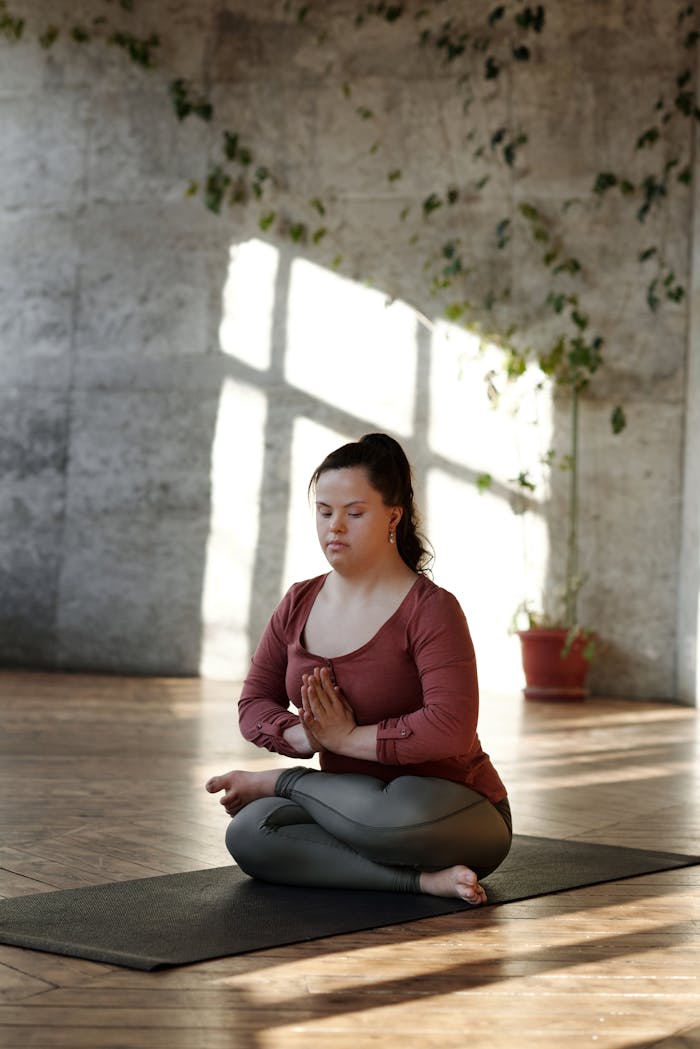
Whether you are new to yoga, returning after a long time, or walking a devoted spiritual path for many years, you are welcome here.
Inner peace is not reserved for saints, monks, or people who live far away from daily responsibilities. It can be discovered in the kitchen, at the office, in family life, in caregiving, in difficult conversations, and even in moments of uncertainty. Karma Yoga offers a gentle, practical, and deeply spiritual way to find peace right where life has placed us.
In Sanskrit, the word karma means “action,” and yoga means “union” or “path.” Karma Yoga is the path of selfless action—doing what needs to be done with sincerity, while gradually releasing attachment to the results. It teaches us to act with love, humility, and awareness, offering our work to the Divine, to humanity, or to the highest good.
This is not a philosophy meant only to be admired. It is a way to live.
Karma Yoga is one of the main paths of yoga described in the Bhagavad Gita, one of the most beloved scriptures of the yoga tradition. It is the yoga of action, service, and surrender.
At its heart, Karma Yoga teaches us to act without selfish attachment. We still care deeply. We still work with excellence. We still show up fully. But we slowly learn not to make our peace dependent on praise, success, recognition, or perfect outcomes.
The Meaning of Selfless Action
Selfless action does not mean ignoring your own needs or allowing yourself to be mistreated. It means acting from a place of inner offering rather than ego-centered demand.
For example, you may care for a child, help a neighbor, complete your job, cook a meal, or support a friend. The outer action may look ordinary. But when it is done with love, presence, and a spirit of service, it becomes yoga.
Karma Yoga transforms daily life into spiritual practice.
The Bhagavad Gita says:
“You have a right to your actions, but never to the fruits of your actions.”
—Bhagavad Gita 2.47
This verse is often misunderstood. It does not mean we should be careless about results. Rather, it invites us to do our best while remembering that many factors are beyond our control. We are responsible for our effort, intention, and integrity. The outcome belongs to a larger order.
Karma Yoga and Inner Peace
Much of our stress comes from clinging: “Will they appreciate me?” “Will I succeed?” “What if I fail?” “What will people think?”
Karma Yoga gently loosens this grip.
When we act with devotion and surrender, the mind becomes lighter. We no longer carry the whole world on our shoulders. We do our part, and then we offer the rest.
This offering may be to God, to Krishna, to Shiva, to the Divine Mother, to the universe, to truth, or simply to the wellbeing of all beings. Yoga welcomes sincere hearts from all backgrounds. The name we use is less important than the humility and love with which we offer.
Why Karma Yoga Brings Inner Peace
Karma Yoga brings inner peace because it changes our relationship with action. Most of us cannot avoid action. Life asks us to work, serve, choose, respond, and care. The question is not whether we will act, but how we will act.
Will we act from fear, pride, comparison, and restlessness?
Or will we act from love, clarity, service, and surrender?
It Reduces Attachment to Results
Attachment means holding tightly to a specific outcome and believing, “I cannot be peaceful unless this happens.”
Of course, it is natural to prefer good results. We want our work to succeed, our relationships to heal, our bodies to be healthy, and our families to be safe. Karma Yoga does not ask us to become cold or indifferent.
Instead, it asks us to soften the inner demand that life must always unfold according to our personal plan.
When we release attachment, we do not lose motivation. We gain freedom.
We can still study for the exam, prepare for the interview, practice for the performance, or care for a loved one. But we do so with a steadier heart. We plant the seed lovingly. We water it with discipline. Then we trust the harvest to grace.
It Purifies the Heart
In yoga philosophy, the heart and mind can become clouded by ahamkara, the ego-sense of “I, me, and mine.” Ego is not always loud arrogance. Sometimes it appears as insecurity, resentment, defensiveness, or the need to be seen as special.
Karma Yoga purifies the heart by inviting us to serve without constantly asking, “What will I get?”
This does not mean we never receive. In truth, service often gives us deep joy. But the joy comes from love itself, not from applause.
As the heart becomes purified, inner peace naturally arises. We begin to feel connected rather than separate. We see that our actions matter, not because they make us superior, but because all life is sacred.
It Turns Ordinary Duties into Devotion
In bhakti, the path of devotion, love is the soul of spiritual practice. Karma Yoga and bhakti beautifully support each other. When action is offered with love, work becomes worship.
Washing dishes can become worship.
Answering emails can become worship.
Changing diapers, caring for elders, tending the earth, teaching children, serving customers, sweeping the floor—all can become worship when done with sincerity and remembrance.
The Sanskrit word seva means selfless service. It is service offered without the need for reward. In many yoga and devotional traditions, seva is considered a powerful way to soften the ego and awaken love.
When life itself becomes seva, inner peace is no longer something we chase after. It begins to shine through our actions.
How to Practice Karma Yoga in Daily Life

Karma Yoga is simple, but not always easy. It asks for awareness, patience, and repeated practice. Like any form of yoga, we grow gradually.
You do not need special clothing, a perfect schedule, or a quiet mountain retreat. You can begin today, exactly where you are.
Begin with Intention
Before starting any task, pause for a moment. Take one gentle breath. Set a clear intention.
You might say inwardly:
“May this action be helpful.”
“May I serve with humility.”
“May this work be offered to the Divine.”
“May my efforts benefit others.”
“May I act with love and clarity.”
This small pause changes the quality of action. It brings the mind from scattered doing into conscious offering.
In Sanskrit, an intention may be called a sankalpa. A sankalpa is a heartfelt resolve. It is not merely a goal; it is a sacred direction for the mind and heart.
Do Your Duty with Care
The Bhagavad Gita often speaks of dharma, a Sanskrit word that can mean duty, purpose, righteousness, or the natural order that supports life.
Your dharma may include caring for your family, earning a living honestly, studying, healing, creating, teaching, protecting, or serving your community. Dharma is not always glamorous. Sometimes it is simply the next right thing.
Karma Yoga does not ask us to escape responsibility. It asks us to meet responsibility with steadiness.
If you are a parent, parent with love.
If you are a student, study with sincerity.
If you are a worker, work with integrity.
If you are resting, rest with gratitude.
If you are healing, heal with patience.
Peace grows when our actions align with our values.
Offer the Results
After completing an action, pause again. Offer the results.
This is the heart of Karma Yoga.
You may say:
“I have done my best. I offer the outcome.”
“May whatever comes be used for growth.”
“This belongs to You.”
“May the fruits of this action benefit all beings.”
This practice is especially powerful when results are uncertain. Perhaps you sent an important message, completed a project, applied for a job, apologized to someone, or made a difficult decision. Instead of replaying everything endlessly, offer it.
Offering does not mean you stop caring. It means you stop tormenting yourself.
Practice Equanimity
Equanimity means inner balance. In Sanskrit, a related word is samatva, evenness of mind.
The Bhagavad Gita says:
“Yoga is equanimity.”
—Bhagavad Gita 2.48
This is a beautiful and practical teaching. Yoga is not only a posture on a mat. Yoga is the ability to remain inwardly steady through success and failure, praise and criticism, gain and loss.
Equanimity does not mean you feel nothing. It means you are not completely ruled by every wave of feeling.
When praise comes, receive it humbly.
When criticism comes, learn from it without collapsing.
When success comes, be grateful.
When failure comes, be patient.
This balance is inner peace in action.
Check out the latest yoga guides on yoga guides for helpful tips and advice.
Common Obstacles on the Path of Karma Yoga

Karma Yoga is a path of the heart, and the heart is honest. As we practice, we may discover hidden expectations, resentment, pride, or fatigue. This is not failure. It is part of the purification process.
The goal is not to become perfect overnight. The goal is to become more truthful, more loving, and more free.
Wanting Recognition
Many of us want to be appreciated. This is human. A kind word can nourish the heart.
But when our peace depends entirely on recognition, we become vulnerable to disappointment. We may start serving with a hidden contract: “I will help, but only if you notice.”
Karma Yoga invites us to look gently at this pattern.
Can we serve because it is right?
Can we act lovingly even when no one sees?
Can we remember that the Divine sees the heart?
In devotional traditions, it is said that no sincere offering is ever lost. Even a small act done with love carries spiritual power.
Feeling Burned Out
Some people hear “selfless service” and think it means giving endlessly until they are empty. But true Karma Yoga includes wisdom.
If the body is exhausted, caring for the body may be your karma yoga.
If the mind is overwhelmed, creating healthy boundaries may be your karma yoga.
If you are always saying yes out of fear, learning to say no with kindness may be your karma yoga.
Selfless action is not self-neglect. The body and mind are sacred instruments. To serve well, we must also care for the one who is serving.
In the Bhagavad Gita, Krishna does not teach escapism or imbalance. He teaches disciplined, wise, devoted action. Peace grows when service and self-care support each other.
Attachment to Being “Spiritual”
Sometimes the ego becomes attached to the identity of being helpful, humble, or spiritual. This can be subtle.
We may think, “I am the one who serves. I am more devoted. I am more generous.”
When this happens, there is no need for shame. Simply smile gently at the mind. Ego can turn anything into self-importance, even spirituality.
Return to simplicity.
Return to the breath.
Return to offering.
A humble heart does not need to announce itself. It simply loves.
Karma Yoga in the Bhagavad Gita
The Bhagavad Gita is one of the clearest and most profound scriptures on Karma Yoga. It takes place on a battlefield, where the warrior Arjuna is overwhelmed by confusion and sorrow. His guide, Krishna, teaches him how to act with wisdom, devotion, and surrender.
This setting is deeply meaningful. The teaching is not given in a peaceful forest, away from difficulty. It is given in the middle of life’s conflict.
This reminds us that yoga is for real life.
Arjuna’s Struggle Is Our Struggle
Arjuna does not want to act because he fears pain, consequences, and moral confusion. Many of us know this feeling. We face choices that are not simple. We wonder what is right. We feel the weight of responsibility.
Krishna does not tell Arjuna to run away from life. He teaches him to act according to dharma, without selfish attachment, and to offer all actions to the Divine.
This is the essence of Karma Yoga.
We too can bring our confusion, grief, and questions into spiritual practice. We do not need to pretend we are peaceful. We can begin from exactly where we are.
Action as Offering to the Divine
Krishna says:
“Whatever you do, whatever you eat, whatever you offer or give, whatever austerity you perform, do that as an offering to Me.”
—Bhagavad Gita 9.27
This verse is a jewel for anyone seeking inner peace through Karma Yoga.
It means that every part of life can become sacred. Not only meditation. Not only prayer. Not only temple worship. Whatever you do can be offered.
Eating can be offered.
Working can be offered.
Giving can be offered.
Resting can be offered.
Even struggle can be offered.
In bhakti, the Divine is not distant. The Divine is present in the heart, in all beings, and in the sacred movement of life. When we offer our actions, we remember this presence.
Freedom Through Surrender
Surrender is another word that can be misunderstood. In Sanskrit, Ishvara pranidhana means surrender or devotion to the Divine. It is also mentioned in the Yoga Sutras of Patanjali as an important practice.
Surrender does not mean weakness. It means releasing the illusion that the small ego controls everything. It means trusting a wisdom greater than our limited understanding.
Karma Yoga teaches active surrender. We do not sit passively and avoid effort. We act wholeheartedly, and then we surrender the fruits.
This brings a beautiful freedom.
We are no longer trapped by anxiety over outcomes. We become instruments of peace.
Practical Karma Yoga Exercises for Inner Peace
Karma Yoga becomes real through practice. Here are simple ways to bring it into your day.
You may choose one practice and stay with it for a week. Small, steady steps are often more powerful than dramatic changes.
The Morning Offering Practice
Before you check your phone or begin your tasks, sit quietly for one minute.
Place one hand on your heart.
Take three slow breaths.
Then say inwardly:
“May my thoughts, words, and actions today be guided by love. May I serve where I can. May I accept what I cannot control. May this day be an offering.”
This practice sets the tone for the day. It reminds the mind that life is not only about getting things done. It is about becoming more awake, kind, and connected.
The One Task Practice
Choose one ordinary task each day and do it as Karma Yoga.
It may be washing dishes, folding laundry, preparing food, writing a report, driving, or cleaning.
While doing the task, practice three things:
Be fully present.
Do it with care.
Offer the action for the wellbeing of others.
If the mind complains, gently bring it back. If you feel rushed, soften your breath. If you want recognition, smile at the desire and return to service.
This is meditation in motion.
The Difficult Person Practice
Many people can be peaceful in solitude but lose balance in relationships. Karma Yoga is especially powerful here.
When you meet a difficult person, silently remember:
“This person also seeks happiness. This person also experiences pain.”
This does not mean you must accept harmful behavior. Boundaries may be necessary. But inwardly, you can practice compassion.
Offer your response rather than reacting automatically. Speak truthfully, but not cruelly. Listen, but do not abandon your wisdom.
This is advanced Karma Yoga, and it takes time. Be patient with yourself.
The End-of-Day Reflection
At night, take a few minutes to review your day.
Ask gently:
Where did I act with love?
Where was I attached to results?
Where did ego or fear guide me?
What can I offer now?
Then mentally place the whole day at the feet of the Divine, or into the care of life itself.
You may say:
“Whatever was done well, may it serve. Whatever was done poorly, may I learn. I offer everything.”
This practice helps prevent regret and pride from hardening in the heart. Each day becomes part of the path.
How Else Can Karma Yoga Support Modern Life?
Karma Yoga is ancient, but it is deeply relevant today. Many people live with stress, comparison, information overload, and pressure to constantly achieve. Karma Yoga offers another way: purposeful action without inner bondage.
It can support mental wellbeing, relationships, work, social service, and spiritual growth.
Karma Yoga at Work
Work is one of the most practical places to practice Karma Yoga.
You can begin by asking:
How can my work serve?
How can I act with integrity today?
Can I focus on effort rather than obsessing over approval?
Can I treat coworkers, clients, and customers as human beings, not obstacles?
Even if your job is not your dream job, you can still bring dignity and awareness to it. Karma Yoga does not always change the outer situation immediately, but it transforms your inner relationship to it.
Work becomes less about proving your worth and more about expressing your values.
Karma Yoga in Family Life
Family life is a powerful field of spiritual practice. It reveals our attachments, expectations, impatience, and deep capacity for love.
Cooking for family, listening to a partner, caring for children, supporting aging parents, or forgiving old wounds can all become Karma Yoga.
But remember: service in family life must include wisdom. Love does not mean losing yourself. Healthy boundaries, honest communication, and rest are also part of dharma.
Sometimes the most loving action is to give.
Sometimes it is to listen.
Sometimes it is to step back.
Sometimes it is to speak the truth.
Karma Yoga asks us to act not from guilt, but from clarity and love.
Karma Yoga and Social Service
Karma Yoga naturally expands the heart beyond personal concerns. As we grow, we begin to see the suffering of others as connected to our own life.
Serving the hungry, protecting the environment, supporting justice, comforting the lonely, or volunteering in the community can become expressions of yoga.
Yet Karma Yoga also protects us from despair. When facing the world’s pain, we may feel, “I cannot do enough.” The teaching reminds us: do your part, with sincerity, without attachment.
You do not have to carry everything.
You only have to respond to the call that is yours.
A small lamp still brings light.
Karma Yoga with Meditation and Bhakti
Karma Yoga becomes even more powerful when supported by meditation, prayer, chanting, or quiet reflection.
In bhakti yoga, repeating a sacred name or mantra can help keep the heart connected while acting. A mantra is a sacred sound or phrase that steadies the mind. For example, some practitioners repeat “Om,” “Rama,” “Krishna,” “So Hum,” or another name of the Divine meaningful to them.
You may silently repeat a mantra while walking, cooking, cleaning, or commuting.
This helps action remain rooted in remembrance rather than restlessness.
Meditation gives inner stillness.
Bhakti gives love.
Karma Yoga gives expression.
Together, they form a beautiful path toward inner peace.
Living Karma Yoga with Humility and Joy
The path of Karma Yoga is not about becoming someone impressive. It is about becoming simple, sincere, and free.
Inner peace does not arrive all at once. It grows through many small offerings. A kind word here. A patient breath there. A task done with care. A result released. A moment of gratitude. A mistake acknowledged. A new beginning.
Progress Is Gentle and Gradual
Some days you may feel peaceful and devoted. Other days you may feel irritated, tired, or attached to outcomes. This is natural.
Do not use yoga as another reason to judge yourself.
The path is walked step by step.
Each time you remember to offer your action, you are practicing.
Each time you return from ego to love, you are practicing.
Each time you choose service over selfishness, even in a small way, you are practicing.
Grace often works quietly.
The Peace of Being an Instrument
Many saints and sages have spoken of becoming an instrument of the Divine. This means allowing love, wisdom, and compassion to move through us.
An instrument does not claim, “I am the source of the music.” It allows the music to flow.
In the same way, Karma Yoga invites us to act with humility:
“May I be used for good.”
“May my life serve peace.”
“May my hands, words, and thoughts become offerings.”
This attitude softens the burden of ego. We no longer need to be the doer, controller, and owner of every result. We become participants in a sacred unfolding.
Returning to the Heart
Whenever the mind becomes restless, return to the heart.
Ask:
What is the loving action here?
What is mine to do?
What can I release?
What can I offer?
These questions bring Karma Yoga into the present moment. They guide us away from anxiety and toward devotion.
Inner peace is not found by withdrawing love from the world. It is found by offering love wisely, without clinging.
A Simple Karma Yoga Practice for Today
If you wish to begin now, choose one action today and make it sacred.
Before the action, pause and set an intention.
During the action, stay present and do it with care.
After the action, offer the result.
That is Karma Yoga.
It may seem small, but no sincere practice is small. A single selfless action can purify the heart. A single offering can quiet the mind. A single moment of surrender can open the door to grace.
The Bhagavad Gita teaches that we do not find peace by avoiding life, but by learning how to live in the world with wisdom, devotion, and freedom.
May your actions become offerings.
May your work become worship.
May your service become joy.
May you discover, step by step, the quiet inner peace that has always been waiting within your own heart.
FAQs
What is Karma Yoga?
Karma Yoga is a spiritual path that emphasizes selfless action and service to others as a way to achieve spiritual growth and liberation. It is one of the four paths of yoga in Hindu philosophy.
What are the key principles of Karma Yoga?
The key principles of Karma Yoga include performing actions without attachment to the results, dedicating the fruits of one’s actions to a higher power or the well-being of others, and maintaining a selfless attitude in all actions.
How does Karma Yoga differ from other paths of yoga?
Karma Yoga differs from other paths of yoga, such as Bhakti Yoga (the path of devotion) and Jnana Yoga (the path of knowledge), in that it focuses on selfless action and service as the primary means of spiritual growth, rather than devotion or intellectual pursuits.
What are the benefits of practicing Karma Yoga?
Practicing Karma Yoga can lead to a sense of fulfillment and purpose, a reduction in selfish desires and ego, and a deeper connection to the divine or to others. It can also help individuals develop a more compassionate and selfless attitude.
How can one incorporate Karma Yoga into their daily life?
One can incorporate Karma Yoga into their daily life by performing their duties and actions with a selfless attitude, by volunteering or serving others in need, and by dedicating the results of their actions to a higher purpose or the well-being of others.