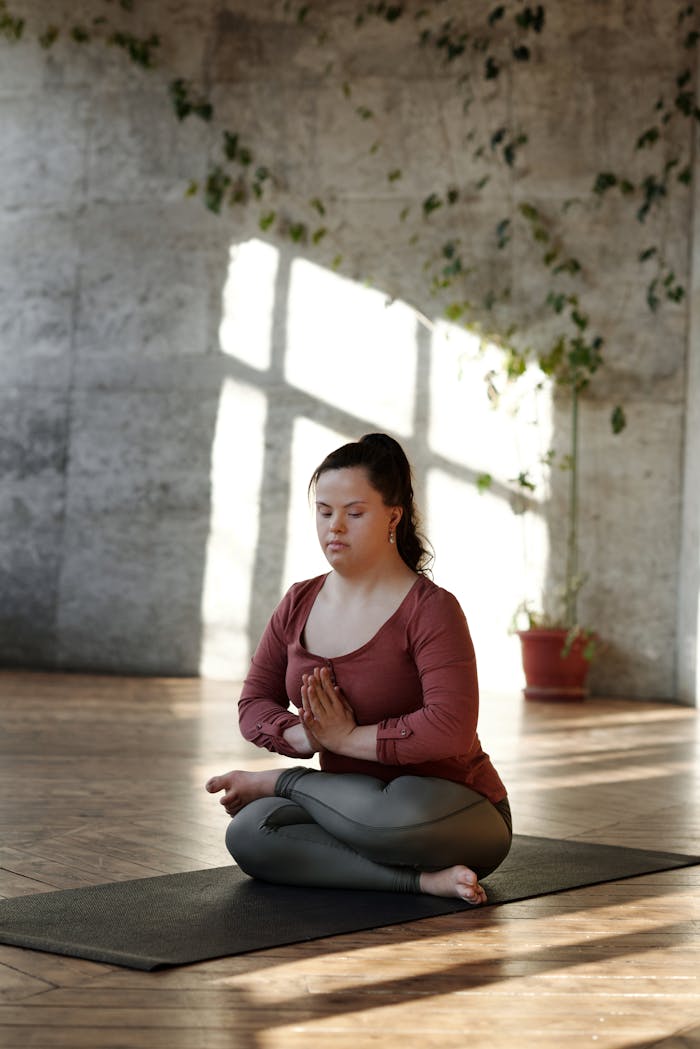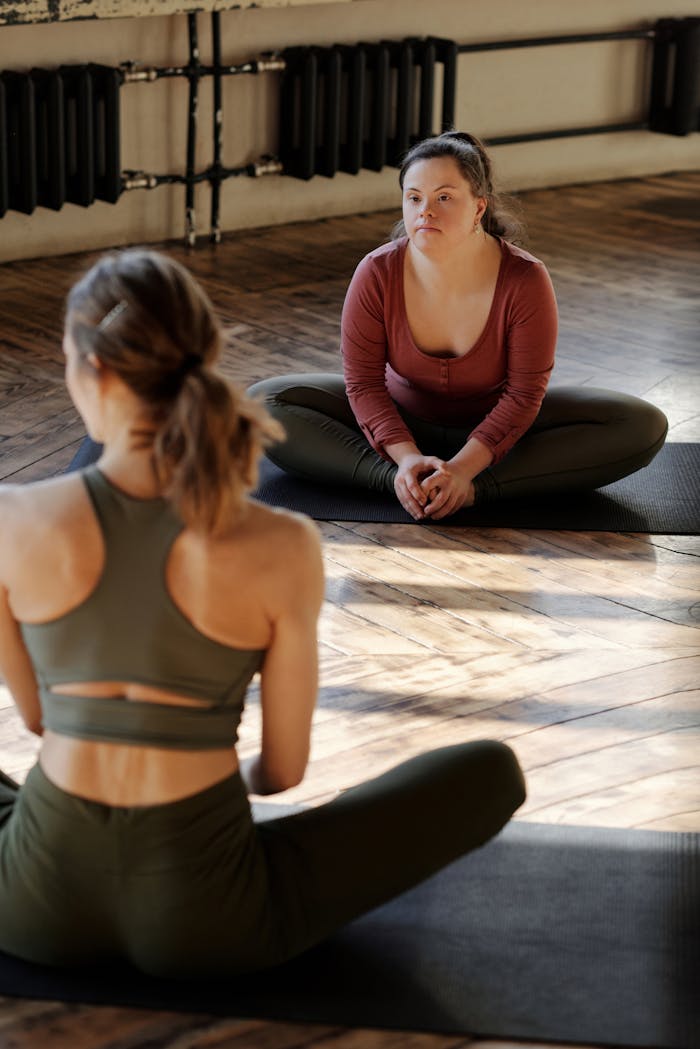
If yoga has helped you feel more grounded, you may wonder how to share that experience with others. Yoga instructor jobs can bring together movement, mindfulness, community service, and even entrepreneurship. They can also look quite different from one another, depending on your teaching style, employer, and location.
Teaching involves more than guiding students through poses. Instructors prepare classes, communicate clearly, adapt to different needs, and maintain professional boundaries. A thoughtful, supportive approach can help students feel welcome while keeping classes safe and focused.
From studios and gyms to schools, retreats, and private practice, there are many ways to build a teaching career. This article explores common roles and qualifications, then offers practical guidance for finding work and evaluating opportunities. As you consider your next step, remember that there is no single path: the right fit can grow from your strengths, values, and the community you hope to serve.
What Does a Yoga Instructor Do?
A yoga instructor does more than demonstrate poses. They plan experiences that help students move, breathe, and build awareness in a supportive setting. The work can include teaching group classes, meeting with private clients, leading workshops, and adapting practices for different needs.
A typical class begins as students arrive and settle in. The instructor may invite everyone to ground themselves, notice their breath, and set an intention. A gentle warm-up follows, preparing the body for asana, or yoga postures, and other movement.
The central practice may focus on a theme, such as balance, strength, or ease. Instructors offer clear guidance, demonstrate options, and encourage students to work at a pace that feels appropriate. A class usually winds down with slower movement, then rest or meditation, giving students time to pause and notice how they feel.
Planning is part of the role, too. Instructors choose a sequence, consider the class’s experience level, and prepare variations when movements may not suit everyone. A beginner class might use simpler poses and more detailed cues, while an experienced group may explore a longer flow. In private sessions, instructors can shape the practice around a client’s goals and preferences.
An inclusive teacher helps students feel welcome without asking them to move in one particular way. They may offer chair-based or lower-impact options, invite students to use props, or adapt a workshop for a specific group. A session might also explore partner yoga poses to build trust and connection, with clear choices for joining in.
Teaching styles and professional scope vary. Some instructors emphasize alignment, while others focus more on flowing movement, meditation, or breathwork. A yoga instructor can share general wellness guidance and lead relaxation practices, but should not present themselves as a medical practitioner unless separately qualified.
Specialists and related wellness professionals may have additional training or defined roles. For example, a prenatal yoga instructor may pursue specialized education, while a yoga therapist may hold credentials beyond a general teaching qualification. Massage therapists, counselors, and physical therapists are separate professionals, even when their work complements yoga. Understanding these distinctions helps students choose support that fits their needs—and helps instructors describe their services clearly.
Common Yoga Instructor Roles and Work Settings
Yoga instructor jobs can look very different from one another, even when the class format is similar. Your schedule, preparation time, pay structure, and connection with students often depend on where you teach and how you are engaged.
Studios and gyms may offer regular classes, established spaces, and access to a steady flow of students. Some instructors are employees, with set shifts and studio responsibilities; others work as contractors, teaching agreed classes without the same benefits or job stability. Ask how much time is paid, whether you handle bookings, and what happens when attendance is low.
Private instruction offers a more tailored experience, often with one student or a small group. Instructors may travel to clients, teach at home, or arrange sessions online. Self-employed teachers typically set their rates and manage scheduling, promotion, payments, and taxes, so flexibility comes with added business work and less predictable income.
Community programs may bring yoga to libraries, senior centers, schools, or nonprofit organizations. These roles can be especially meaningful if you enjoy making practice welcoming and adaptable for different needs. Workplace wellness classes are another option, with sessions often shaped around employees’ schedules, comfort levels, and goals.
Specialist teaching can open more doors, too. Hot yoga, prenatal yoga, and chair yoga each involve particular environments or student needs; additional training may be appropriate before teaching them. For a sense of how regional demand can shape these opportunities, explore local yoga classes and wellness events in Jackson. A region with several studios, retreats, or community offerings may provide different entry points than an area with fewer venues.
Retreat teaching combines classes with a broader guest experience. Instructors may lead several sessions, coordinate with organizers, and help create a supportive group atmosphere. Travel, preparation, and the seasonal nature of retreats can make this work rewarding but less consistent. Online classes can reach students beyond your local area, though instructors may need to handle technology, marketing, and virtual community-building.
Each setting asks something different of you. If hot yoga interests you, a guide to choosing a hot yoga studio can help you understand the environment before pursuing related work. Consider which balance of teaching, administration, flexibility, and stability feels sustainable for your life.
Qualifications, Training, and Skills Employers Look For
Because each teaching setting has different demands, employers may prioritize different qualifications. A studio might seek experience with a particular style, while a workplace wellness program may value clear communication and adaptable class planning. Before applying for yoga instructor jobs, read each posting closely and consider how your preparation fits the role.
Many employers look for a completed yoga teacher-training program, often a 200-hour foundation. These programs typically introduce yoga philosophy, teaching methods, sequencing, and basic anatomy. Requirements vary by studio, region, style, and role, however; some positions may request additional training or experience, while others welcome newer teachers.
Professional registration is a separate consideration. Organizations such as yoga teacher registries offer voluntary credentials that may document training, but registration is not the same as legal permission to teach. Rules and expectations vary, so check local requirements, insurance conditions, and each employer’s policies before accepting work.
A foundational program can help you begin, but learning continues in the classroom. Employers may value workshops or further study in areas such as prenatal yoga, restorative practice, accessible teaching, or working with specific populations. Choose continuing education that supports the students you hope to serve, rather than collecting credentials without a clear purpose.
Practical teaching skills matter alongside formal training. Anatomy-informed cueing helps you offer useful options without presenting one pose as right for every body. Clear, inclusive communication can help students feel welcome, while thoughtful sequencing and class management support a safe, steady experience.
Employers may also look for skills beyond the mat. First aid or CPR training can be relevant, and may be required by particular employers or settings. Reliability, punctuality, respectful boundaries, and professional conduct help build trust with students and colleagues. In some roles, you may also need to communicate schedule changes or follow workplace procedures.
Experience can take many forms as you develop. You might assist a teacher, lead a community class, or offer a short practice for a small group, where permitted. These opportunities can help you learn to adjust your pacing, give clear instructions, and respond calmly when a class does not unfold as planned.
When applying, make your preparation easy to understand. List relevant training, teaching experience, continuing education, and any requested certifications on your résumé. Be ready to describe how you would adapt a class for different experience levels, mobility needs, or group sizes; a short audition may be part of the process.
No single credential guarantees a position, and a less traditional path does not define your potential. Employers often consider the full picture: preparation, teaching approach, fit with their community, and ability to meet the role’s practical needs. As you explore opportunities, look for places where you can keep learning while offering students a welcoming, grounded practice.
Teaching Responsibilities, Safety, and Professional Boundaries
Whatever setting you choose, thoughtful teaching begins before students arrive. Prepare a plan that suits the class length, level, and environment, while leaving room to respond to the people in front of you. Arrive early enough to check the space, set up equipment, and make sure mats and props are clean, stable, and in good condition.
During class, offer options rather than presenting one pose as the only right way. For example, you might suggest using a block, keeping the knees bent, or resting in a comfortable position. Clear, accessible variations help students make choices based on their bodies and experience. Avoid pressuring anyone to try a pose or keep pace with the group.
Hands-on adjustments require particular care. Explain your approach and ask for clear, informed consent before touching a student; make it easy to decline without drawing attention. Follow the studio’s consent practices, and remember that agreement can change at any time. Verbal guidance or a demonstrated variation may be a more comfortable choice.
Safety also includes reliable communication and attention to the room. Follow studio procedures for emergencies and safeguarding, and know how to report a concern. If you need to cancel, notify the studio and students as promptly as possible, using the agreed process. Protect student privacy, too: do not share personal disclosures, contact details, or identifiable images without permission and a valid reason.
A yoga teacher can support mindfulness, movement, and a sense of balance, but should not promise to treat medical or mental health conditions. If a student raises a health concern, encourage them to speak with an appropriate clinician. Teach within your training and competence, and be honest when a question falls outside your expertise. Referring someone to qualified care is a responsible part of serving a community, not a failure to help.
These everyday habits matter in yoga instructor jobs as much as teaching skill does. They help create a space where students can participate with dignity and make informed choices. A steady, respectful approach also supports your own development as you learn from colleagues, training, and the needs of each community.
Where to Find Yoga Instructor Jobs
Once you understand the roles and qualifications that suit you, start looking where yoga is already part of the community. Begin with studio and gym career pages, then check reputable job boards for teaching, substitute, and program-coordinator roles. Some openings are shared through local yoga networks before they appear in public listings, so ask teachers and peers what they are hearing.
Community centers, schools, hospitals, and workplace wellness programs may also hire instructors or contract for classes. Their needs can differ: a school might seek support for a specific age group, while a hospital program may prioritize gentle, accessible movement. Review each organization’s mission and class offerings to see whether its environment aligns with your training and teaching style.
Regional class listings offer a practical way to map local demand. Note which studios are active, what formats they offer, and whether schedules suggest room for additional classes. A neighborhood with several beginner, restorative, or prenatal sessions may point to an established audience for those styles.
Visit prospective employers’ websites and social media pages, and contact them directly even when no vacancy is posted. A brief, thoughtful message can introduce your experience, availability, and the classes you could offer. Attach a concise résumé or teaching profile, and ask whether they accept substitute teachers or keep a list of instructors for future needs.
Whenever possible, attend classes, workshops, and community events before approaching a studio or organization. These visits help you understand the atmosphere, teaching approach, and student community firsthand. They can also lead to genuine professional relationships; focus on learning and connecting rather than treating every interaction as a pitch. Community gatherings and creative ways to connect yoga with seasonal practice can offer a relaxed setting to meet people who share your interests.
Look beyond permanent weekly schedules, too. Seasonal positions, retreats, and short-term wellness programs can help you gain experience or reach new students. Retreat work may involve travel and long days, while seasonal teaching can end when demand shifts. Ask about pay, preparation time, accommodation, and responsibilities before committing.
Virtual teaching can expand your reach beyond nearby studios. Look for online platforms, established wellness businesses, and organizations seeking live or recorded classes. If you teach independently, remember to plan for scheduling, marketing, payments, and technology; the flexibility may come with added business responsibilities and less predictable income.
As you compare yoga instructor jobs, match the setting to your experience, availability, and preferred class format. Keep a simple record of organizations contacted, follow-up dates, and roles that interest you. This steady, respectful approach can help you find opportunities where your skills support both students and the wider community.
Applying, Building Experience, and Evaluating an Offer
Once you find a role that fits your interests, make it easy for a studio or organization to picture you teaching there. Tailor a concise resume and cover note to its students, class format, and stated needs. A community center seeking gentle classes may value different experience than a studio looking for vigorous flow.
Include relevant training, teaching history, and related skills, such as working with beginners or adapting classes for varied abilities. If your experience is still growing, describe practice teaching, volunteer classes, or other roles that have helped you communicate and support a group. For practical help organizing your credentials and teaching history, see this guidance on writing a yoga resume.
Some employers invite applicants to audition by teaching a short sequence. Ask about the expected length, student level, and any props or equipment available, so you can prepare thoughtfully. During the audition, focus on clear cueing, steady pacing, useful modifications, and a calm presence. Advanced poses are not the only way to show skill; helping students feel welcome and offering choices can speak just as clearly.
If you are new to teaching, look for ways to build experience without taking on more than you can manage. Subbing, assisting, or offering a community class can help you practice timing, transitions, and responding to different needs. Afterward, reflect on what felt effective and what you would adjust next time.
Before accepting an offer, ask how compensation is structured: for example, whether payment is per class, by the hour, or tied to attendance. Clarify typical class size, expected preparation time, cancellation policies, and how substitute coverage works. These details affect the time and consistency involved, even when a position sounds appealing.
Also ask whether you need to provide your own insurance and whether the role is employee or contractor work. Those arrangements can affect your responsibilities, paperwork, and access to workplace benefits; clarify what applies rather than assuming. If you plan to teach independently, account for time spent finding students, arranging space, handling bookings, and managing cancellations alongside teaching.
Finally, consider whether the schedule and terms are sustainable for your life. Several scattered classes may involve more travel and preparation than a compact schedule. A thoughtful conversation about expectations can help you choose among yoga instructor jobs with greater confidence—and build a working relationship grounded in clear communication.
Frequently Asked Questions
Choosing yoga instruction as a first career or a part-time role can bring up practical questions. The answers below can help you understand what to expect as you explore your next step.
Can you teach yoga without certification?
Requirements vary by employer and location. Some settings may not require a specific credential, but studios commonly expect formal yoga teacher training. Training supports safer, more confident teaching by helping you plan classes, understand foundational practices, and adapt instruction for different students.
How long does it take to become a yoga instructor?
The time needed for foundational training varies by program and schedule. Completing training is a starting point, not the end of learning. Teaching experience, mentorship, and continuing education help you build skill and confidence over time.
Can yoga instructors work part time?
Yes. Many yoga instructor jobs are part time or based on individual classes, which can offer flexibility. Instructors often combine classes at several studios or community organizations, sometimes alongside another job or related source of income. Consider travel, preparation, and scheduling when deciding whether a mix of roles will suit you.
Is it possible to teach yoga online?
Yes. Online classes can connect you with students who prefer practicing from home or cannot attend in person. You’ll need suitable technology, clear audio and visual instruction, and a way to offer accessible options. Because you may not be able to observe every student closely, explain movements carefully and encourage students to pause if something feels uncomfortable.
Finding a Yoga Teaching Role That Fits
There are many routes into yoga instruction, and the right one depends on your training, teaching values, preferred work conditions, and local opportunities. Explore classes and openings thoughtfully, noticing which settings feel welcoming and sustainable for both you and your students.
A lasting path can begin with one suitable class or community setting, then grow through practice, reflection, and continued professional learning. As you consider yoga instructor jobs, prioritize student well-being and choose roles that align with your skills and values.