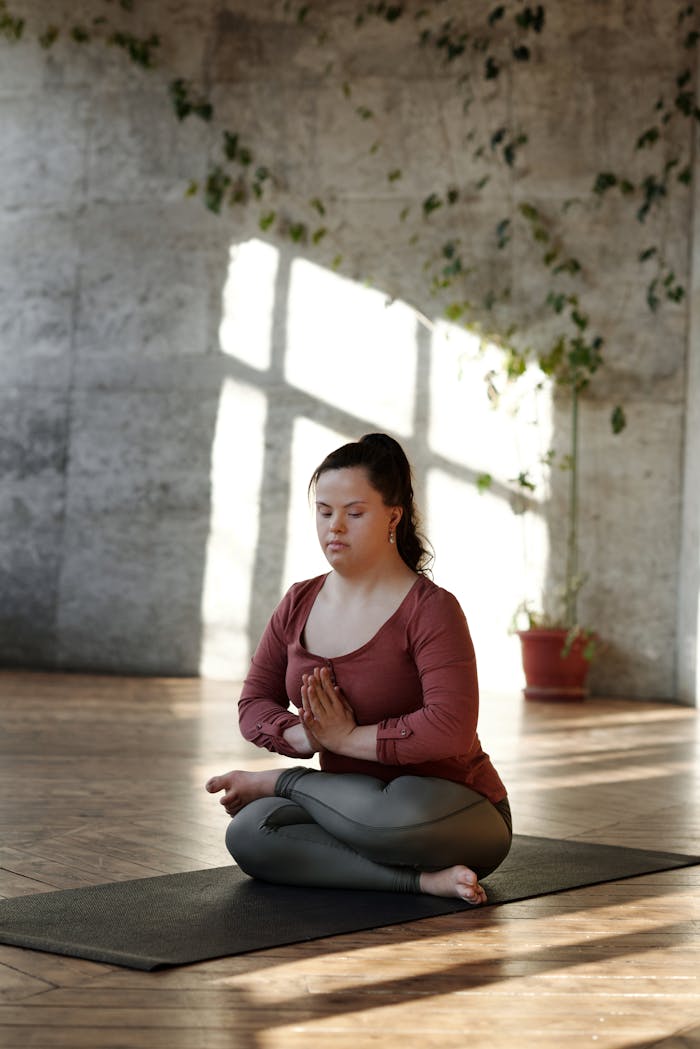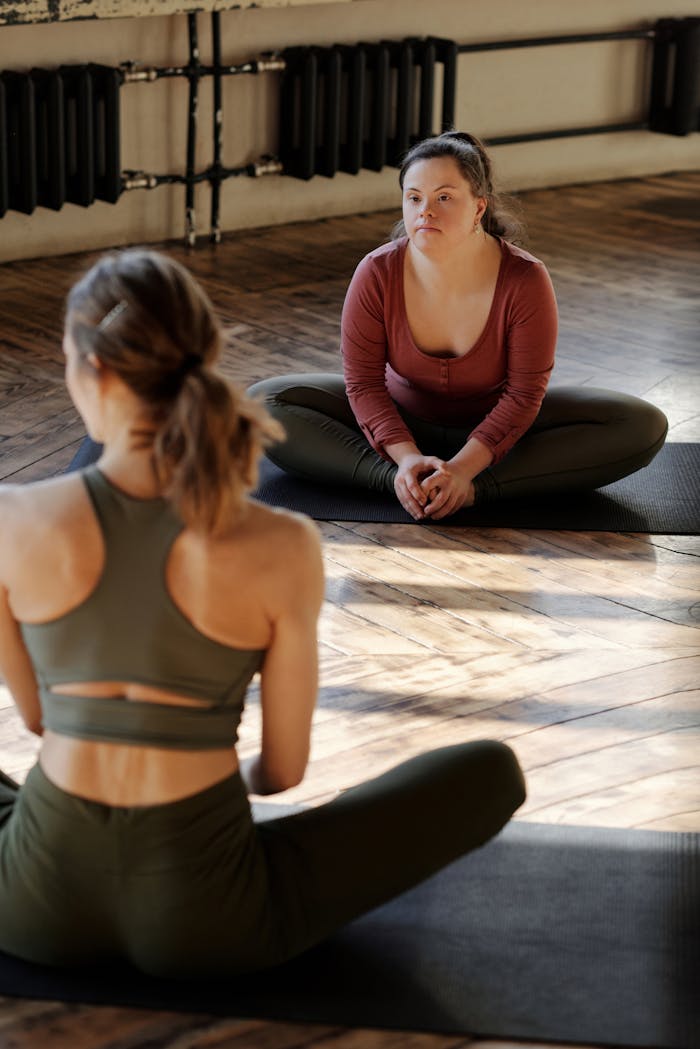
A strong yoga resume does more than list certifications and previous jobs. It shows how you guide classes, care for students, and create a safe, inclusive space where people can connect with their practice.
For yoga professionals, teaching experience should take priority over generic career language. Studio owners and wellness leaders want to understand the classes you lead, the communities you serve, and the ways you adapt instruction for different needs. Your resume should also reflect reliability, clear communication, and a thoughtful approach to student support.
Your experience may include teaching at studios, wellness centers, gyms, retreats, private-client settings, or community programs. Each environment calls for a slightly different emphasis, so an adaptable resume helps you speak directly to the role. A retreat may value workshop leadership, while a community program may focus on accessibility and outreach.
Professional development matters, too. Continuing education, specialized training, mentorship, and personal practice can show your commitment to mindful growth. Together, these details create a fuller picture of your teaching approach and your place within the wider yoga community. Exploring resources such as Joyous Yoga can also help you discover different practices and teaching contexts.
In this guide, you’ll learn how to shape your experience into clear, role-focused language. You’ll find practical ways to highlight class leadership, student care, and professional growth without losing your authentic voice.
Start With the Right Yoga Resume Structure
Once you understand the teaching contexts that fit your path, organize your yoga resume to make that experience easy to find. Studio owners and wellness employers often review applications quickly. A clear structure helps them see what you teach, where you have taught, and how you support students.
For most instructors, the strongest order is:
- Contact information
- Professional summary
- Teaching experience
- Certifications and education
- Relevant skills
- Optional sections, such as workshops, retreats, volunteer work, or testimonials
Begin with your name, phone number, professional email address, and location. You may also include a website, teaching portfolio, or professional social media profile. Avoid unnecessary personal details, such as your age, marital status, photo, or full home address.
Your professional summary should offer a brief introduction to your teaching background. In two or three sentences, mention your main styles, experience level, and the students or settings you serve. For example, you might describe yourself as a 200-hour certified yoga teacher with experience leading beginner vinyasa, restorative, and workplace classes.
Next, place your teaching experience where it receives the most attention. List each role with a clear job title, studio or organization name, location, and consistent dates. Use titles such as “Yoga Instructor,” “Lead Yoga Teacher,” or “Community Class Facilitator” instead of vague labels.
Under each position, describe your impact with concise bullet points. Focus on actions and responsibilities, such as leading weekly group classes, adapting sequences for varied abilities, offering hands-on or verbal guidance, or creating welcoming experiences for new students. Include numbers when they add useful context, such as class size, weekly teaching volume, or the number of workshops led.
Follow your experience section with certifications and education. Include relevant yoga teacher training, continuing education, first aid or CPR credentials, and degrees connected to wellness or movement. List the certification name, training organization, and completion year so employers can understand your preparation quickly.
Your skills section can highlight strengths such as trauma-informed teaching, meditation guidance, anatomy knowledge, prenatal yoga, inclusive cueing, or class planning. Choose skills that match the position rather than listing every quality you possess.
You can add workshops, retreats, volunteer teaching, or testimonials when they support your application. These sections are especially helpful when you are building experience or applying for a specialized role. Keep each entry focused, and include a short testimonial only when you have permission to share it.
A clean one-page resume is often ideal for newer instructors. It encourages you to emphasize your strongest teaching experience without adding unrelated details. Experienced teachers may use two pages when additional trainings, leadership roles, or relevant programs strengthen their application.
Prioritize readability over decoration. Use consistent fonts, dates, spacing, and headings, with enough white space for easy scanning. Avoid elaborate templates, long philosophical statements, and unrelated work history that pushes your teaching accomplishments out of focus. Your resume should feel calm, professional, and easy to navigate.
Write a Compelling Summary and Teaching Profile
Your opening summary is the first invitation into your teaching world. In three to five sentences, show studio owners what you teach, who you serve, and how you support students. A strong summary quickly communicates your experience level, teaching style, specialties, and the settings where you work best.
Use this simple formula: role and experience level + teaching specialties + audience or setting + value you bring. For example: “Experienced 200-hour registered yoga teacher with three years of experience leading vinyasa, restorative, and meditation classes. Supports beginners, older adults, and mixed-level students in studio and community settings. Creates welcoming classes that build strength, body awareness, and confidence through clear instruction and mindful pacing.”
This approach gives your yoga resume a clear focus from the beginning. It also helps readers understand your contribution beyond the fact that you enjoy yoga. A phrase such as “passionate yoga lover” may sound warm, but it does not show what you can do in a teaching role.
Instead, use evidence-based language. You might describe teaching weekly vinyasa classes, guiding prenatal students through modified sequences, or leading chair yoga for older adults. You could also mention measurable goals, such as helping students improve consistency, build balance, develop safe movement habits, or complete an eight-week mindfulness series.
Your teaching profile should reflect your genuine training and experience. Mention modalities such as vinyasa, restorative, Yin, prenatal, trauma-informed yoga, chair yoga, meditation, breathwork, or adaptive yoga when they accurately represent your background. If you completed specialized training, include it clearly. If you have supported a modality informally but lack formal credentials, describe your experience without implying certification.
Tailor the summary to each role you pursue. A wellness center may value breathwork, meditation, and stress management, while a fitness studio may prioritize energetic sequencing and group class leadership. A community program may look for accessibility, patience, and experience serving beginners or diverse populations.
Keep the language specific without overstating your qualifications. For instance, “uses trauma-informed teaching principles to offer choice and create a respectful classroom” is more appropriate than claiming to treat trauma. Similarly, avoid wording that suggests medical expertise unless you hold the required credentials. You can say that you offer modifications or collaborate with healthcare providers, but do not promise to diagnose, rehabilitate, or treat conditions.
Your summary should sound professional and personal at the same time. Let your teaching values come through in phrases such as “clear, encouraging instruction” or “welcoming, choice-based classes.” These details help a studio imagine how you will contribute to its community and support students on their individual paths.
Turn Teaching Experience Into Strong Resume Bullets
Your yoga resume should present teaching as meaningful professional experience, not simply a list of class names and dates. Show how you guided students, managed sessions, supported different needs, and contributed to a studio or community. These details help hiring managers understand both your teaching ability and your reliability.
Use reverse-chronological entries, beginning with your most recent role. Include the studio or organization, location or remote format, role title, and dates. Then add three to five concise bullets focused on responsibilities and outcomes.
- Led four weekly vinyasa classes for groups of 12–25 students, offering clear alignment cues and accessible modifications.
- Designed beginner-friendly sequences for mixed-experience students, supporting confident participation across varied mobility levels.
- Coordinated class scheduling, substitute coverage, and studio communications for a rotating team of instructors.
- Facilitated monthly workshops on breathwork and mindful movement, welcoming 20–30 participants per session.
- Supported student retention by creating a warm, choice-based class environment that encouraged repeat attendance.
Strong bullets begin with specific action verbs. Try led, designed, adapted, coached, facilitated, assessed, coordinated, mentored, and supported. These words show initiative and make your experience easier to scan. Follow each verb with what you did, who you served, and why it mattered.
Include class volume and student populations when those details demonstrate your capability. You might mention prenatal students, older adults, athletes, beginners, or students joining online. Private sessions, substitute teaching, community events, and scheduling responsibilities also count. For example, “Adapted private sessions for clients recovering from injury” communicates more value than “Taught private yoga.”
Quantify your experience responsibly. You do not need impressive-sounding numbers; you need accurate ones. Consider weekly classes, typical attendance ranges, repeat clients, workshop participation, or a successful program launch. If you helped improve retention, describe the result only when you can verify it. “Helped increase repeat workshop attendance from 10 to 16 participants” is stronger and more credible than “Significantly improved engagement.”
Informal teaching can also become credible resume language when you describe it honestly. Teaching friends, volunteering at a community center, assisting during teacher training, or leading online sessions may reveal valuable skills. Avoid presenting these experiences as studio employment, but do explain your contribution clearly.
For example, you could write, “Led weekly donation-based online yoga sessions for a group of eight friends and community members, adapting practices for varied experience levels.” Or, “Assisted lead instructors during teacher training by demonstrating sequencing exercises, offering peer feedback, and helping organize practice sessions.”
Think about what to expect from a yoga studio such as Black Swan Yoga Austin as you shape your examples. Studios often value adaptable instruction, dependable communication, and welcoming community care. Your bullets should make those qualities visible while staying true to your actual path.
Highlight Certifications, Training, and Specialized Skills
Your credentials help employers understand the foundation behind your teaching. List each qualification clearly, including the training provider, credential or designation, completion date, and relevant specialty.
For example, you might write: “200-Hour Yoga Teacher Training, [Training Provider], May 2023.” If your program included a specific focus, add it: “200-Hour Yoga Teacher Training, ABC Yoga Institute, May 2023, vinyasa sequencing and anatomy.” This format makes your preparation easy to verify.
Include advanced training when it supports the role. Common qualifications include 200-hour or 500-hour teacher training, prenatal yoga, children’s yoga, CPR and first aid, meditation, breathwork, trauma-informed education, accessibility training, and anatomy coursework. You do not need to list every workshop, so prioritize education that strengthens your fit for the studio or position.
Be precise about what you have completed. Place finished certifications in a “Certifications” or “Education” section, and label unfinished programs as “In progress” with an expected completion date. For example, write “Prenatal Yoga Certification, in progress, expected June 2025,” rather than presenting it as an earned credential.
Whenever possible, connect each qualification to a practical teaching capability. A credential is more meaningful when employers can see how it shapes your classes and student support. You might describe skills such as:
- Modifying poses for different experience levels, mobility needs, or physical limitations
- Creating welcoming, well-paced sequences for beginners
- Teaching safely to older adults or mixed-level groups
- Offering prenatal modifications within your training and scope
- Facilitating meditation, breathwork, or mindfulness practices
- Using anatomy knowledge to give clear alignment cues
Formal programs may have different names and structures. If you completed CorePower Yoga teacher training, explain the program, completion date, and preparation it provided. Mention relevant elements such as sequencing, teaching practice, anatomy, or supervised instruction. CorePower Yoga is one example of formal preparation; employers generally want to understand what you learned, not see one provider treated as a requirement.
You can also include practical skills that support studio operations. These might include class planning, hands-on or verbal cueing, virtual instruction, music selection, attendance software, or adapting classes for accessible participation. Choose skills you can demonstrate confidently in a teaching environment.
Finally, keep your claims within your education and legal scope. Do not describe yourself as a therapist, medical professional, or mental health expert unless you hold the appropriate credentials. Instead, use accurate language such as “trauma-informed teaching principles” or “supports mindfulness practices,” and clarify that yoga instruction does not replace medical or psychological care. This honesty strengthens your yoga resume and builds trust with studios and students.
Tailor the Resume to the Studio, Students, and Role
A strong yoga resume speaks to the studio’s needs, not only your teaching history. Before applying, study the job description and identify its priorities. The role may emphasize beginner instruction, heated classes, private sessions, workshops, community outreach, member retention, or front-desk support.
Look for repeated words and responsibilities. If the studio needs a teacher for beginner classes, place foundational sequencing and clear instruction near the top of your summary and skills. If it values heated formats, mention relevant training and experience accurately. For an administrative role, highlight scheduling, client communication, check-in systems, and reliable team support.
Avoid sending the same resume to every employer. Adjust your summary, skill order, and experience bullets for each position. A summary for a community-focused studio might describe you as a “welcoming, adaptable yoga teacher who supports students through clear, choice-based instruction.” A resume for a private practice could emphasize personalized sequencing, goal-setting, and one-on-one student care.
Research the studio’s class styles and student experience before applying. A local guide to St Marks Yoga’s class styles and beginner expectations can help illustrate how varied teaching contexts may be. One studio may focus on accessible fundamentals, while another offers vigorous flows, heated classes, restorative sessions, or specialized workshops.
Then, connect your experience to those formats with specific examples. Instead of writing “taught yoga classes,” try “led beginner-friendly Vinyasa classes for students with varied mobility levels” or “adapted heated flow sequences with clear options for different experience levels.” These details help hiring managers picture you in their schedule.
Your language should also reflect cultural awareness and respectful student care. Show that you use consent-based instruction, offer adjustments without assumptions, and welcome different bodies, identities, ages, and ability levels. Phrases such as “offered verbal and hands-off adjustment options” or “used nonjudgmental language to support student choice” communicate these values naturally.
Consider how your teaching supports accessibility. You might mention chair-based variations, props, pacing options, or inclusive demonstrations. Avoid describing bodies as problems to fix. Focus instead on creating a supportive environment where students can explore movement, rest, and mindfulness without pressure.
Many studios also expect teachers to contribute beyond the mat. If the posting mentions member retention, explain how you built consistent student relationships or encouraged return visits. For community outreach, include workshops, local events, referral efforts, or partnerships you supported.
Applicant-tracking systems may scan your resume for standard terms. Use familiar headings such as “Teaching Experience,” “Certifications,” and “Skills,” along with relevant phrases from the posting. Still, prioritize natural, human-readable writing over keyword stuffing. A clear, genuine resume serves both the software and the people deciding who will join their community.
Add Supporting Evidence Beyond the Resume
A strong yoga resume is only one part of your application. A portfolio, cover letter, references, teaching demonstration, and online presence can reveal qualities that a short document cannot fully capture.
Use a concise cover letter to explain your teaching philosophy and interest in the specific studio. Mention one or two relevant examples that would not fit comfortably on your resume, such as supporting beginners through a series or adapting classes for a community program.
Your portfolio can offer practical evidence of your preparation and range. Include sample class sequences, workshop descriptions, continuing-education records, professional references, student testimonials, and links to a professional teaching profile. Choose materials that reflect the role rather than collecting everything you have created.
Experiences outside your usual teaching setting may also add valuable context. For example, Thailand yoga teacher training could appear in your portfolio or interview narrative if it shaped your cultural awareness, educational approach, or sequencing skills. Present it as meaningful professional growth, not simply as a travel detail.
Some studios may invite you to teach an audition class. Prepare by practicing clear cueing, accessible modifications, and realistic timing. Show that you can observe students, offer consent-based adjustments, and create a calm environment without rushing to fill every moment with instruction.
During the demonstration, focus on how students experience your teaching. Use language that offers choice, notice when the group needs more time, and adjust your plan when appropriate. These choices can demonstrate adaptability, care, and confidence more effectively than broad claims on a resume.
Your online presence should support the same professional story. Review your website, teaching profile, and social media pages for accurate credentials, current class information, and a welcoming tone. A studio should be able to move from your yoga resume to your online profile without finding conflicting information.
Before submitting your application, review every detail for consistency. Dates, class formats, certification names, contact details, and professional claims should match across your resume, website, portfolio, and interview conversation. Small inconsistencies can create doubt, while a clear and consistent application helps employers trust your experience and readiness.
Frequently Asked Questions About Yoga Resumes
How long should a yoga resume be?
For most yoga teaching roles, aim for one page. A two-page yoga resume can work when you have extensive teaching, leadership, or specialized experience. Keep the focus on relevant classes, student care, certifications, and studio responsibilities. Clear headings and concise bullet points make your experience easy to scan.
What should a new yoga teacher include without studio experience?
You can create a strong resume without formal studio employment. Include your teacher training, practice teaching, workshops, volunteer classes, community sessions, and relevant personal practice. Describe what you actually did, such as “Led weekly beginner sequences for a community group of eight participants.”
Transferable experience also matters. Customer service, hospitality, fitness, education, event coordination, and community work can demonstrate communication, organization, and student care. Connect each role to the needs of a studio whenever possible.
Should teaching philosophy appear on the resume?
Yes, but keep it brief and practical. A two- or three-sentence summary near the top can communicate your approach, such as offering clear, encouraging instruction or welcoming, choice-based classes. Avoid long philosophical statements that take attention away from your experience. Your teaching philosophy should support the rest of your resume, not replace specific examples.
How should online and private teaching be listed?
List online and private teaching under “Teaching Experience,” just as you would studio classes. Include your title, dates, format, audience, and key responsibilities. For example, you might write, “Private Yoga Teacher, 2023–Present: Create personalized sessions for beginners and returning students, using video calls and in-home instruction.”
You can also mention class size, scheduling, client communication, and adaptations when accurate. These details show that you can manage logistics, build trust, and respond to individual needs.
Which certifications matter most?
Start with your foundational yoga teacher training, including the school, certification level, and completion date. Add current CPR or first aid training, specialty certifications, and relevant continuing education, such as prenatal, restorative, children’s, or trauma-informed studies. Place the credentials most connected to the role first.
Only list certifications you have genuinely completed. If you studied a topic without earning a formal credential, describe it accurately as training or continuing education. This clear, honest approach helps studios understand your preparation and supports trust within their community.
Present Your Teaching Experience With Clarity and Confidence
A strong yoga resume does more than list studios, dates, and certifications. It connects your training and teaching history to the employer’s needs, showing how you support student safety, inclusive instruction, and dependable professional habits.
Review each experience entry and ask whether it communicates your impact clearly. Mention the class styles, levels, and formats you have taught. Include responsibilities such as planning sequences, welcoming new students, offering thoughtful modifications, maintaining a safe environment, or communicating reliably with studio staff.
Your resume should also reflect the qualities that shape your teaching presence. Use specific, truthful language to describe how you create accessible classes, encourage student choice, and support a welcoming community. When possible, show how your experience aligns with the studio’s values without copying language that does not feel authentic to you.
Keep your document current as your path develops. Revise it when you teach new class formats, explore specialties, complete continuing education, or take on leadership responsibilities. A regular review also helps you correct outdated details and tailor your resume to each role.
Before submitting, check your dates, credentials, contact information, and professional claims. Make sure every statement is accurate and consistent with your website, portfolio, and interview conversation. This careful attention to detail reflects the same steadiness you bring to your students and colleagues.
Finally, remember that a polished yoga resume opens the conversation. Your authentic teaching, thoughtful communication, and student-centered presence help you earn the opportunity and build trust from the first interaction. Let your resume offer a clear view of where you have been, how you serve students, and the meaningful direction your practice is taking.