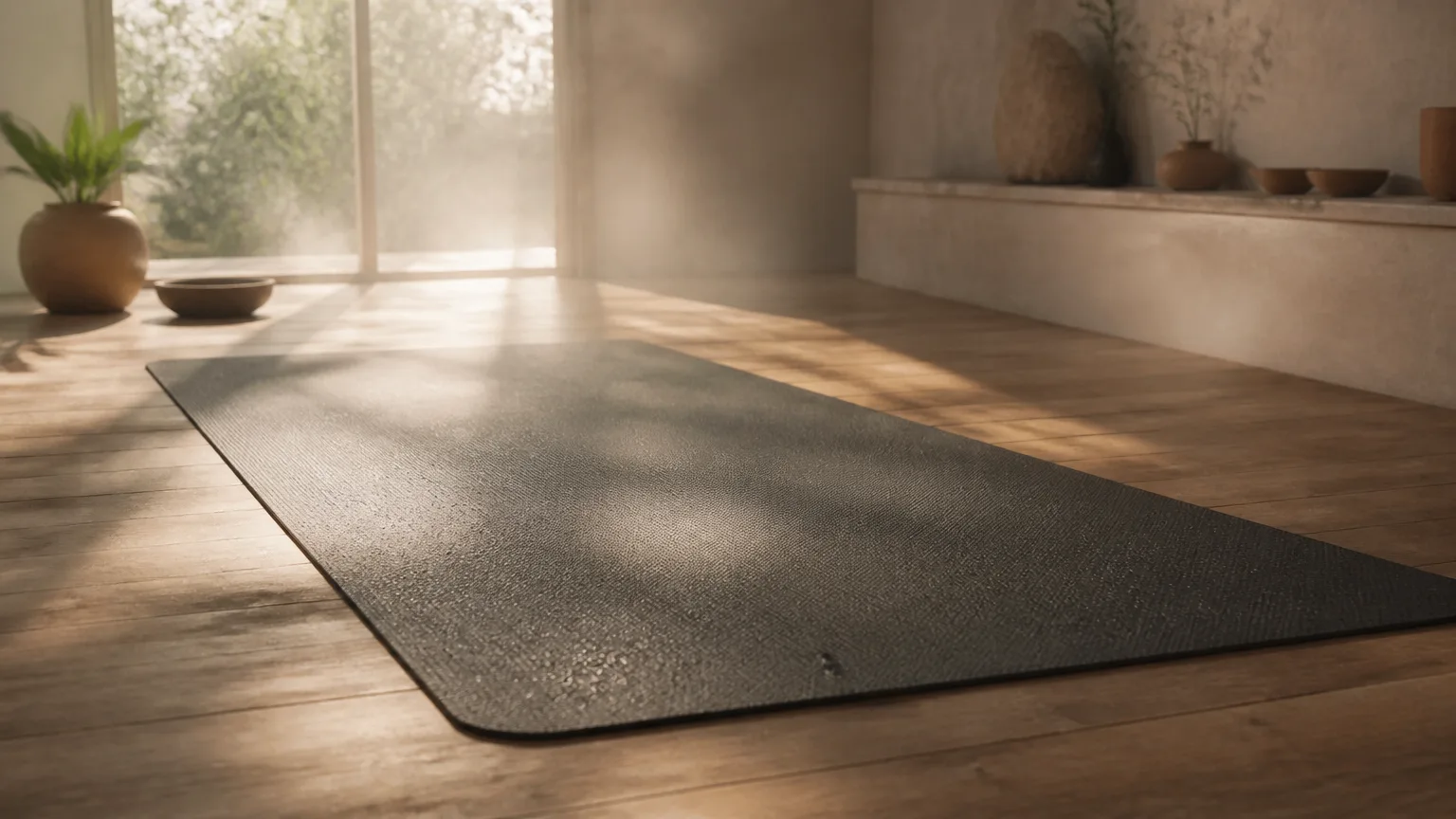
A hot yoga mat needs to do more than mark your space. In a heated room, sweat can quickly change how your hands and feet connect with the surface. The right mat helps you feel steady through transitions, balanced in standing poses, and more present in each breath.
That reliable traction is not about perfecting difficult poses. It is about creating enough security to move with awareness instead of worrying about slipping. With a supportive surface beneath you, your practice can feel calmer, safer, and more mindful—even as the room grows warmer.
This guide will help you choose a mat that supports your unique practice. We’ll look at surface grip, sweat management, materials, cushioning, size, maintenance, and long-term durability. You’ll also consider how often you practice, which poses you enjoy, and whether your style calls for a lightweight travel mat or extra comfort for longer sessions.
Hygiene matters, too. A mat that handles moisture well and is easy to clean can help you create a fresher, more inviting ritual. Small details, such as a stable base or comfortable padding for your knees, can make a meaningful difference over time.
At Joyous Yoga, we believe wellness grows through supportive daily choices. Your mat is part of that foundation. By choosing one that meets your body, environment, and practice style, you can step into each sweaty session feeling grounded, cared for, and ready to connect with yourself.
What Makes a Hot Yoga Mat Different From a Standard Yoga Mat?
A hot yoga mat is designed for conditions that challenge both your body and your equipment. Heated rooms, high humidity, and steady perspiration can transform a familiar practice surface within minutes. Materials that perform well in a cool, dry class may feel very different when the temperature rises.
The biggest difference is moisture management. A general-purpose mat may feel grippy when you first place your hands on it, yet become slippery once your palms and feet are damp. For hot yoga, dry-test impressions are not enough. Look for a surface that maintains dependable traction as sweat builds, without feeling harsh against your skin.
Effective grip also requires balance. A surface that is too smooth can make you brace through your fingers or toes, increasing tension and encouraging misalignment. Excessive stickiness creates another challenge. It may catch your hands during transitions or interfere with pivots, especially in flowing sequences.
The best hot yoga mat supports controlled movement. You should feel secure in downward-facing dog, lunges, and standing balances, while still being able to adjust your stance naturally. Your preferred level of traction may also depend on your practice. A slow, alignment-focused class can feel different from a vigorous flow or partner-based practice such as acro yoga.
Construction matters because heated practice demands frequent care. Sweat, skin oils, and cleaning products can gradually affect a mat’s texture and finish. Choose materials that tolerate regular wiping and follow the manufacturer’s cleaning instructions. A mat that loses grip after repeated washing may not offer lasting value.
Remember that no mat performs in isolation. A towel can absorb moisture and add traction, while a bare mat may offer more direct feedback. Studio temperature, humidity, your personal sweat level, and the class style all influence performance. If possible, test a mat during a heated session or read reviews from practitioners with similar conditions.
These details help you choose a surface that feels supportive rather than distracting. When your mat responds well to heat and moisture, you can focus more fully on breath, balance, and the steady rhythm of your practice.
Prioritize Surface Grip and Traction
Grip is one of the most important features of a hot yoga mat, especially when heat and sweat change how your hands and feet connect with the surface. However, “high grip” can mean different things. Look for details about how the mat performs when dry, when wet, and after moisture has built up during a long class.
Dry grip describes the traction you feel at the beginning of practice, before significant sweating starts. Some smooth, rubber-like surfaces feel naturally secure right away. Others may seem slippery until they warm up or absorb a little moisture. Wet grip refers to how well the surface holds your hands and feet once sweat appears. This is often the more important measure for heated classes.
Also consider whether the grip remains consistent from the opening breath through the final savasana. A mat may feel excellent during the first few minutes but become slick as moisture collects. Reviews from hot yoga practitioners can reveal whether a surface stays dependable throughout a full session, rather than performing well only when dry.
Different finishes create different experiences. Smooth rubber-like mats often offer a steady, grounded feel and can be easy to wipe clean. Textured finishes may provide extra traction by creating more contact points, though some practitioners find them distracting or uncomfortable against sensitive skin.
Absorbent or suede-style tops can become grippier as they take on moisture. They may feel especially supportive during sweaty practices, but they can require more care and may feel less secure when completely dry. No surface is universally best. Your choice should reflect your sweat level, preferred sensations, cleaning habits, and class style.
Test traction in more than one position. Notice how your hands and feet respond in downward dog, lunges, standing balances, and transitions between poses. A dependable hot yoga mat should help you move with control, not force you to curl your toes or grip the floor anxiously.
Transitions deserve particular attention. A mat that feels stable in a static pose may not offer the same support when you step forward, shift into a plank, or move through sun salutations. If possible, practice several movements before deciding whether the texture feels secure and natural.
Strong grip supports your practice, but it cannot replace proper hand placement, active engagement, or teacher guidance. Spread your fingers, press through your hands and feet, and adjust your alignment when needed. Props such as yoga blocks can also improve stability and reduce the urge to depend on surface grip alone.
Evaluate Sweat Control, Absorption, and Hygiene
Sweat management can make or break your hot yoga experience. A mat may feel wonderfully sticky during its first class, but that sensation does not always mean it will stay supportive when moisture builds.
Nonabsorbent mats keep sweat on the surface, allowing you to wipe it away quickly. They often dry fast and are simple to clean, but pooled moisture can become slippery during longer poses. Look for a textured finish that channels sweat away from your hands and feet, rather than a perfectly smooth surface that only feels tacky when dry.
Some mats use moisture-wicking finishes to move sweat across the surface. These designs can improve traction as class continues, especially when paired with a towel or regular wiping. However, finishes may wear down with frequent washing, so read care instructions before using harsh soaps or abrasive brushes.
Absorbent top layers offer another approach. They draw moisture into the mat, helping your palms and feet feel drier during intense practice. The trade-off is slower drying and more demanding cleaning. If an absorbent hot yoga mat stays damp inside, it may develop odors or mildew, even when the surface appears clean.
Test a mat’s sweat-friendly design by checking reviews from people who attend heated classes. Pay attention to comments about grip after thirty or sixty minutes, drying time, odor, and changes after repeated use. A genuinely sweat-ready mat should perform consistently, not just feel sticky during its first session.
A separate yoga towel can add valuable protection. It is especially useful if you sweat heavily, attend long classes, or practice in very high temperatures. Choose one with corner pockets or silicone grips to limit bunching, and wash it after every session. A towel also lets you refresh your practice space without replacing the entire mat.
Odor resistance and antimicrobial claims can be helpful, but they are not guarantees. Some materials naturally resist odors, while treated surfaces may reduce microbial growth. Still, hygiene depends just as much on your habits. Wipe down your mat after practice, allow it to dry completely, and store it loosely rolled in a well-ventilated area.
Avoid leaving a damp mat in a closed bag or hot car. Clean your hands and feet before practice when possible, and wipe them during class if sweat affects your grip. Even the best mat cannot eliminate the need to clean your hands, feet, and mat after every session. These simple habits support a fresher practice, whether you practice at home or explore aerial yoga classes near me.
Choose the Right Material, Thickness, and Cushioning
Once you understand how a mat performs with heat and moisture, consider what it is made of. Material affects grip, odor, weight, durability, cleaning, and how the mat feels beneath your body. A hot yoga mat should support both steady movement and the repeated stress of sweaty, frequent practice.
Natural rubber often provides strong traction and a grounded feel. It is typically heavier, durable, and made from a renewable resource, but it may have a noticeable rubber odor at first. Natural rubber also contains latex, so anyone with a latex sensitivity should check the product details carefully or choose another construction.
PVC mats are often affordable, resilient, and easy to wipe clean. They can offer reliable cushioning and grip, although their weight and environmental impact may concern some practitioners. TPE is usually lighter and may have less odor than rubber or PVC. Its feel and durability vary widely, so look for clear specifications and trustworthy reviews.
Some mats combine a supportive base with a polyurethane-style surface. This smooth, absorbent layer can create excellent grip when sweat builds during flowing sequences. It may require prompt cleaning to prevent odor and surface wear. Other mats use microfiber, cork, or textured fabric layers, which can feel comfortable but may respond differently as moisture increases.
Avoid choosing based on broad labels such as “green” or “eco-friendly” alone. These terms do not always explain the mat’s exact materials, latex content, manufacturing process, or recyclability. Verify the product specifications if sustainability, allergies, odor, or cleaning needs matter to you.
Thickness is another important choice. A thicker mat can feel kinder to sensitive knees, wrists, hips, and ankles during kneeling poses or floor transitions. It may also add comfort during supported inversions. However, extra padding can reduce your sense of contact with the floor, making standing balances and quick transitions feel less stable.
Density matters as much as measurement. A dense, supportive mat may provide better stability than a very soft mat with the same thickness. Soft foam can compress beneath your hands and feet, while a firmer surface helps distribute pressure without feeling squishy.
As a general guide, a thinner, dense mat may suit practitioners who prioritize balance and strong floor connection. A moderately cushioned mat can offer a helpful middle ground for hot yoga, especially when your practice includes both standing poses and kneeling sequences. If your wrists or knees need additional care, consider a supportive mat with targeted props rather than choosing the softest option available.
Before buying, think about where discomfort appears in your practice. You might test the mat in downward-facing dog, low lunges, and balance poses. Notice whether your hands sink, your knees feel supported, and your feet remain steady as sweat gathers.
Match Mat Size, Weight, and Stability to Your Practice
Once you have considered comfort and surface grip, look at how the mat fits your body and routine. A standard mat may offer enough room for everyday flows, but extra length and width can make transitions feel more spacious. This added room supports sprawling poses and larger frames, especially when sweat makes you want more space between your hands and feet.
Oversized mats can also create practical challenges. They may be harder to position in a crowded studio or fit neatly beside other students. If you commute to class, carry your mat on public transport, or practice in several locations, a lighter design may feel more supportive than a larger one.
Weight often reflects the mat’s thickness, density, and overall stability. A heavier hot yoga mat may stay planted during lunges and flowing transitions, while a lighter mat is easier to carry and roll. Consider whether it curls at the edges, especially after storage, and whether it returns to a flat shape after transportation.
A mat that stays flat helps you settle into practice without adjusting your setup. Look for edges that lie flush with the floor and a surface that maintains contact from corner to corner. This detail matters during wide stances, kneeling poses, and quick changes between movements.
Your floor also influences stability. Studio floors may be smooth wood, rubber, or polished concrete, while home practice spaces often include tile, laminate, or carpet. Before committing, test whether the mat shifts when you step into downward-facing dog, transition through a lunge, or press firmly through your feet.
If possible, try the mat on smooth flooring and observe its movement under pressure. A surface that feels secure in your hands may still slide beneath the mat itself. Finally, match the design to your lifestyle: choose maximum portability for frequent travel, or prioritize weight and floor contact when your mat stays mostly at home.
Build a Cleaning and Care Routine That Protects Grip
A dependable cleaning routine helps your hot yoga mat stay comfortable, fresh, and supportive. It also protects the surface finish that creates traction when sweat begins to gather. Think of care as part of your mindful practice, not another task to rush through. A clean mat can help you begin class feeling calmer and more present.
After each session, use a quick post-class wipe to remove sweat, skin oils, and residue. Choose a soft cloth or mat-safe spray recommended for your mat’s material. Wipe both the top and bottom surfaces, especially after a particularly warm class or whenever your hands and feet feel less secure.
A quick wipe is not a substitute for a deeper periodic clean. Every few weeks, or more often with frequent practice, follow the manufacturer’s instructions for a more thorough wash. Some mats tolerate gentle soap and water, while others require a specific cleaner. Always check the care label before treating your hot yoga mat.
Avoid harsh solvents, bleach, excessive soaking, and abrasive scrubbing. These can weaken the material, damage textured finishes, or reduce grip over time. Oils and heavily moisturizing products may also leave a slippery residue, so keep them away from the mat’s surface whenever possible.
Drying is just as important as cleaning. Lay the mat flat or hang it in a well-ventilated space, and allow it to dry fully before rolling it. Rolling a damp mat can trap moisture, encourage odors, and create an environment where bacteria may grow.
Store your mat loosely rolled, with the surface protected according to the manufacturer’s guidance. Keep it away from heaters, hot cars, and direct sunlight, which can cause fading, warping, or premature breakdown. Avoid placing heavy items on it for long periods, as this may create lasting creases.
During regular care, check for peeling, cracks, unusual stickiness, or a persistent odor. These signs may indicate that the mat needs replacing, even if it still looks usable. Small, consistent habits help preserve traction and create a more welcoming foundation for every practice.
How to Compare Prices, Reviews, and Real-World Performance
A higher price does not automatically mean a better hot yoga mat. Premium materials, reinforced edges, thoughtful construction, and long-term durability can justify the investment. However, attractive branding may not solve your biggest concern, especially if you mainly need better wet grip or easier cleaning.
Read reviews for specific experiences rather than general praise. Look for comments about grip when hands are soaked, drying time between classes, lingering odor, edge curling, and surface wear. Reviews that mention performance after repeated cleaning are especially useful because some mats feel excellent at first but lose traction or develop peeling with regular care.
Try to find reviewers with practice conditions similar to yours. Someone practicing gentle yoga in a cool room may not provide useful insight into how a mat performs during intense, heated sessions. Notice whether reviewers describe slipping during transitions, towel compatibility, and how the mat behaves after months of use.
Before comparing prices, check the complete product details. Confirm the dimensions and weight, particularly if you carry your mat to a studio. Read the care instructions to ensure the recommended cleaning routine fits your schedule. Also review the warranty, return period, and any conditions related to damage, odor, or washing.
A generous return policy can make testing a new hot yoga mat less stressful. Make sure returns are permitted after careful trial use and understand who pays shipping. Consider total ownership costs, including cleaning supplies, replacement towels, shipping, and how often you may need to replace the mat.
A simple decision framework can bring clarity. First, identify the biggest problem in your current practice. Then rank essential features, such as wet grip, cushioning, portability, or easy maintenance. Finally, accept reasonable trade-offs: a heavier mat may stay steadier, while a lighter one may be easier to transport. This approach helps you choose based on your real practice, not price alone.
Frequently Asked Questions About Hot Yoga Mats
Does hot yoga require a special mat?
Not necessarily, but a hot yoga mat can offer helpful features for heated, sweaty sessions. Look for a surface that maintains traction when damp, absorbs less moisture, and stays stable on the studio floor. The best choice depends on your sweat level, practice style, joint sensitivity, transport needs, and studio environment. If you sweat lightly, a standard grippy mat may be enough. Heavier sweaters may prefer a moisture-resistant surface or a mat designed for wet grip.
Is a towel better than a grippy surface?
A yoga towel can be useful, but it does not always replace a grippy mat. Towels absorb sweat and can add comfort, especially during longer classes or if your studio requires them. Some include silicone dots or textured backing to reduce movement. However, a towel may bunch or shift if it lacks a secure fit. If your hands slide often, consider pairing a supportive mat with a towel rather than choosing one option exclusively.
How often should I clean a sweaty mat?
Wipe your mat after every hot yoga session, especially when sweat collects under your hands and feet. Use a cleaner recommended for its material, or follow the manufacturer’s care instructions. Allow the mat to dry fully before rolling it, since trapped moisture can contribute to odor and surface damage. A deeper cleaning every few weeks may help, depending on your practice frequency and studio conditions.
What thickness is best for hot yoga?
Many practitioners prefer a medium-thickness mat that balances stability with cushioning. A thinner mat can improve floor connection and portability, while a thicker option may feel kinder to sensitive knees and wrists. Consider your joints, balance needs, and travel routine before deciding. Replace your mat when persistent slipping, odor, surface breakdown, or loss of structure affects your practice.
Choose the Mat That Helps You Practice With Confidence
The best hot yoga mat is not always the thickest, most expensive, or stickiest. It is the one that stays stable, manageable, hygienic, and comfortable for your body, sweat level, values, and regular practice setting.
Before buying, test wet traction when possible, especially in downward-facing dog and standing poses. Verify the materials, dimensions, and floor grip, then plan how you will clean and store it. Also consider whether your preferred towel fits securely without reducing traction. If you practice in studios such as Down Under Yoga in Newton, portability and towel compatibility may matter most.
Thoughtful equipment choices support presence and confidence. With the right hot yoga mat, each practice becomes a sustainable step toward holistic well-being.