Is the liforme yoga mat worth its premium price in real-world practice? For some yogis, its confident grip, supportive cushioning, and thoughtful design can make a meaningful difference. For others, the cost may not match their needs, especially if they practice gently, travel often, or are still discovering their preferred style.
This guide focuses on fit rather than hype. We’ll look at how Liforme performs during flowing sequences, sweaty sessions, restorative poses, and everyday home practice. We’ll also consider alignment markers, comfort, durability, portability, maintenance, sustainability, and overall value.
A mat can shape your experience, but it cannot define your practice. The right choice depends on your body, movement style, budget, space, and personal preferences. Someone with sensitive knees may prioritize cushioning, while a vinyasa practitioner may care most about traction and stability. A frequent traveler may need something lighter and easier to pack.
Choosing well is part of building a balanced yoga routine. It means noticing what helps you feel steady, present, and supported, both on and off the mat. As you explore yoga and mindfulness with Joyous Yoga, use this guide to understand whether Liforme’s features align with your unique path.
By the end, you’ll have a clearer sense of where this premium mat shines, where its limitations may matter, and whether it offers benefits you’ll genuinely use. The goal is not to persuade you to buy it, but to help you make a grounded, confident decision.
What Is a Liforme Yoga Mat?
A Liforme yoga mat is designed as more than a cushioned surface beneath your practice. It combines a supportive natural-rubber base, a grippy top layer, and visual alignment markers to create an integrated practice tool. Together, these features are intended to help you feel grounded while moving through poses, transitions, and mindful pauses.
The surface is known for its traction, which can feel reassuring during practices that build heat or include weight-bearing poses. A secure-feeling mat may help you focus less on adjusting your hands and feet. However, grip preferences vary, and some practitioners may prefer a softer or less textured surface.
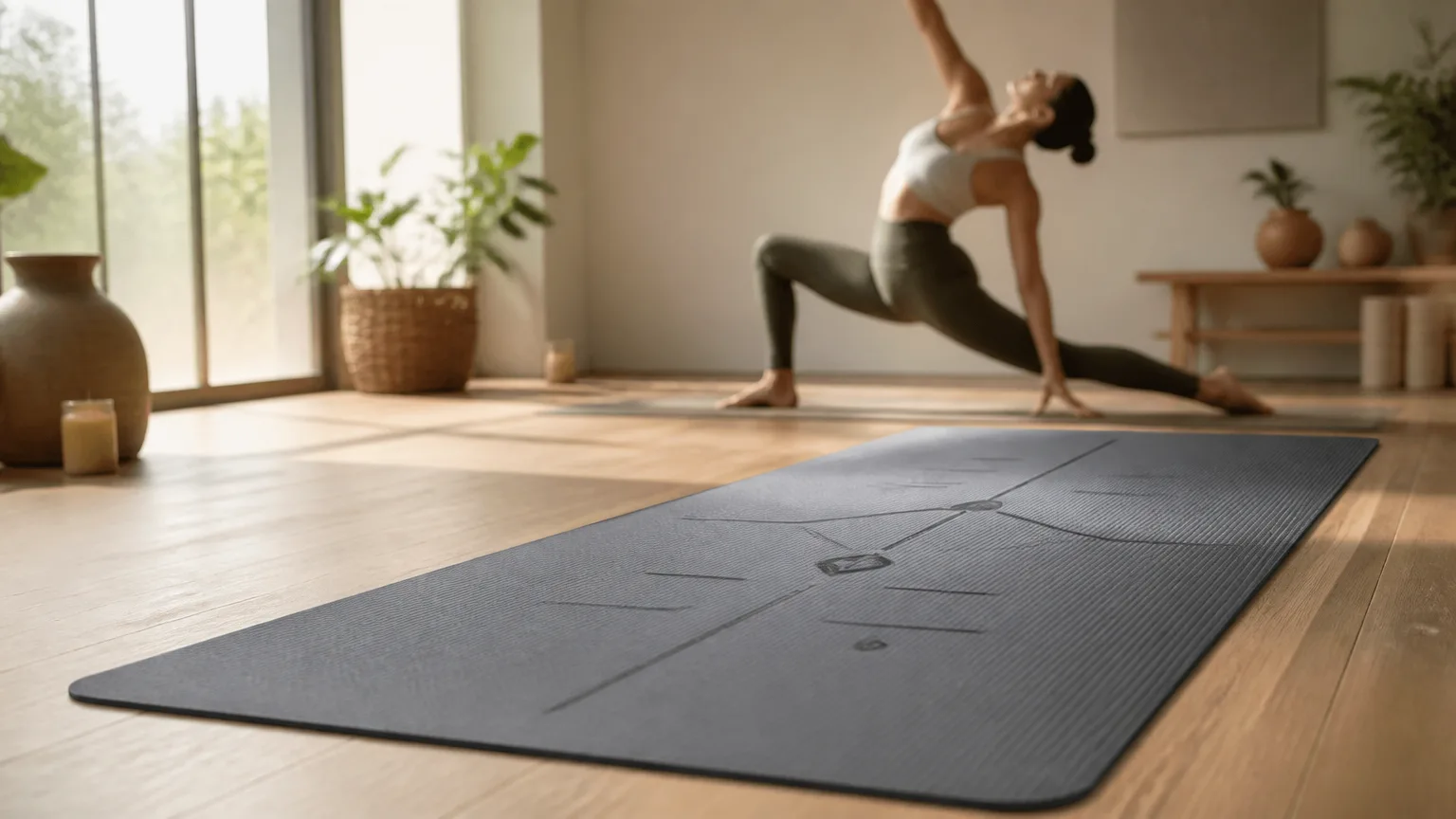
One of the brand’s most recognizable features is its alignment system. The markers are designed to help you orient your hands, feet, hips, and body’s centerline. For example, they may offer a visual reference when setting up Warrior II, Downward-Facing Dog, or a balanced standing pose.
These guides can support body awareness, especially if you are learning how to create more consistent positioning. They may also be useful for home practice, where you do not have an instructor offering real-time feedback. Still, alignment lines are a brand feature, not a universal necessity; experienced practitioners may rarely look at them.
Liforme mats also tend to offer substantial dimensions compared with more compact travel mats. Extra space can feel welcoming when your practice includes wide stances, flowing transitions, or restorative poses. At the same time, a larger mat may take up more room in storage and feel less convenient to carry.
The brand sits in the premium segment, reflecting its focus on materials, design, and specialized features. Models can differ in thickness, size, weight, surface details, and other specifications. Check the current product information before purchasing, particularly if you have storage limits, travel often, or need a mat compatible with a natural-rubber sensitivity.
Grip and Stability: How the Mat Performs in Different Practices
A yoga mat’s grip affects how confidently you move, but grip and stability are not the same thing. Surface grip helps your hands and feet resist sliding. Overall stability also depends on the floor, mat placement, thickness, and how firmly the mat stays grounded.
The Liforme yoga mat is known for its responsive, grippy surface. In slower restorative or Hatha classes, that traction can make transitions feel secure and comfortable. A stable surface may also support careful alignment and steady holds during a Hatha yoga practice, where you have time to notice joint position, breath, and balance.
For flowing vinyasa, grip becomes more noticeable. Repeated movement between Downward-Facing Dog, Plank, and lunges can expose a slippery surface quickly. Liforme’s traction may help reduce hand and foot movement, especially when your palms are dry and you press actively through your fingers.
Sweat changes the experience. In a warm room or heated yoga class, perspiration can build on any mat surface, including a naturally grippy one. A Liforme mat may offer useful traction at first, but a yoga towel can provide extra absorption during longer, sweatier sessions. A towel also gives you a washable layer between your skin and the mat.
Your hand pressure matters, too. Spread your fingers, press through your knuckles, and create active contact rather than leaning into your wrists. If your hands slide despite good technique, the issue may involve heavy perspiration, skincare residue, or a surface that needs cleaning.
More athletic practices can place different demands on a mat. Fast power yoga, strength-based flows, and frequent jumps require dependable placement and enough cushioning for wrists and knees. A grippy mat can help with controlled landings, but it cannot prevent movement on every floor. Dust, polished flooring, or a rug underneath may cause the mat to shift.
For the best stability, place the mat on a clean, dry, firm surface. Avoid folding or bunching the edges, and leave enough space for wide transitions. Clean the surface according to the manufacturer’s guidance, since body oils and product buildup can reduce traction over time.
If you practice primarily heated yoga, travel often, or prefer a softer, thicker base, you may still want a towel, a separate travel mat, or another design. The right choice depends on how much sweat, speed, cushioning, and portability your regular practice involves.
Alignment Guides: Useful Learning Aid or Unnecessary Feature?
One of the most recognizable features of a Liforme yoga mat is its printed alignment system. These lines and markers offer visual reference points for centering your body, placing your hands and feet, and noticing how your position changes from one pose to the next.
For beginners, that feedback can make a practice feel less intimidating. When you are learning Downward-Facing Dog, Warrior II, or Triangle Pose, the markings may provide a helpful starting point for stance width and direction. They can also make it easier to recreate a comfortable setup during home practice, especially when you do not have a teacher nearby.
The guides may remain useful as your experience grows. Experienced yogis often use them to refine symmetry, compare both sides of a pose, or create consistency across sessions. For example, you might notice that one foot regularly turns outward or that your hands drift wider during Plank. The lines can help you observe these habits without relying entirely on memory.
Still, the markings are reference points, not rules. Printed guides cannot account for differences in hip structure, limb length, spinal shape, mobility, or previous injuries. A position that looks centered on the mat may not feel balanced in your body, and your safest alignment may differ from a teacher’s preferred model.
For this reason, avoid forcing your hands or feet onto a line simply because it appears correct. Let comfortable breathing, controlled movement, and a stable, non-painful position guide your adjustments. If you experience pain, numbness, or persistent discomfort, come out of the pose and consider seeking individualized guidance from a qualified teacher or healthcare professional.
The alignment system can also become distracting if you focus on achieving visual perfection. Yoga invites awareness of breath, sensation, and attention, not just the appearance of a pose. Exploring the broader philosophy of yoga can offer helpful context: equipment should support your practice, rather than become its main focus.
Ultimately, the Liforme yoga mat’s alignment guides are most valuable when treated as optional feedback. Use them to explore positioning, build confidence, and notice patterns, then allow your body’s needs to shape the final choice. For home practitioners and visual learners, that gentle structure may be genuinely helpful; for others, a plain surface may feel more freeing.
Comfort, Size, Weight, and Portability
A Liforme yoga mat can feel reassuring beneath your body, especially during floor-based sequences. Its cushioning may support sensitive knees and wrists, making poses such as low lunges, tabletop, and seated folds more comfortable. That added softness can also create a more welcoming experience when you are rebuilding strength or practicing on a firm floor.
However, thicker cushioning is not automatically better for every practice. A softer surface can slightly reduce the grounded feeling some people want in balancing poses, standing transitions, or strong weight-bearing work. If stability matters most to you, notice whether the mat feels supportive without feeling unstable beneath your hands and feet.
Size is another important part of comfort. A larger practice surface gives you more room to extend your arms, widen your stance, or move through flowing sequences without stepping off the mat. This can be especially valuable for taller practitioners or anyone who enjoys expansive movement.
That extra space may be less convenient in a compact studio or shared class. A larger mat can crowd neighboring students, fit awkwardly in small home rooms, or require more floor space than your routine needs. Before choosing a Liforme yoga mat, measure your usual practice area and consider how much personal space feels useful rather than simply choosing the largest option.
Premium construction can also make a mat substantial to carry. A supportive, full-size mat may feel manageable for home use but tiring during a daily commute, particularly when combined with a yoga towel, water bottle, and clothing. Storage deserves similar attention; check whether you have a clear place to roll it without bending, blocking walkways, or placing weight on top of it.
For frequent travelers, portability may matter more than extra surface area. A lighter travel mat can fold or roll into luggage more easily, while a full-size premium mat may be better suited to home practice or occasional studio visits. Your ideal setup might include:
- A cushioned main mat for regular practice
- Folded blankets or knee pads for targeted joint support
- A thin travel mat for commuting and trips
These alternatives can solve specific needs without asking one mat to do everything. Pay attention to your body, your storage space, and the environments where you practice. Comfort is personal, and the best mat supports your movement without creating new practical challenges.
Care, Durability, and Sustainability Considerations
A well-cared-for Liforme yoga mat can support your practice for years, but its performance depends on daily habits. Sweat, practice frequency, footwear, flooring, cleaning routines, and storage all influence durability. A premium price or natural material does not guarantee that every mat will last equally long.
After practice, follow the manufacturer’s current cleaning instructions. Use the recommended solution or a mild, suitable cleaner, and avoid harsh household chemicals that may weaken the surface. Wipe away sweat and residue gently rather than scrubbing aggressively, which can affect the mat’s finish and grip.
Drying matters just as much as cleaning. Lay the mat flat or hang it as directed, and allow it to dry fully before rolling it. Storing a damp mat can encourage odors and material breakdown. Keep it rolled with the practice surface facing outward or according to the manufacturer’s guidance, away from prolonged heat and direct sunlight.
Consider these simple care habits:
- Clean the mat after sweaty sessions, especially heated practices.
- Use a towel if your hands or feet become very wet.
- Practice barefoot when possible, since footwear can increase surface wear.
- Keep rough floors, sharp objects, and pet claws away from the mat.
- Store it in a cool, dry place without placing heavy items on top.
Natural rubber brings important considerations before purchase. A new mat may have a characteristic rubber smell, which often fades with airing and use. However, natural rubber may not suit people with latex sensitivities. Check the official product information carefully, and seek professional guidance if you are unsure.
Sustainability also deserves a broader look than a single eco-friendly label. A responsible evaluation considers the materials, how clearly they are disclosed, expected lifespan, packaging, and available end-of-life options. Natural rubber may be a renewable material, but manufacturing, transportation, care, and disposal still matter.
Eventually, every liforme yoga mat reaches the end of its useful life. Look for current recycling, take-back, or disposal guidance rather than placing it automatically in household recycling. Responsible ownership means extending the mat’s life through thoughtful maintenance, then disposing of it as carefully as local options allow.
Who Should Buy a Liforme Mat—and Who Should Consider Alternatives?
A Liforme yoga mat may suit practitioners who want reliable grip, clear alignment guidance, and a generous space for movement. It is especially appealing for home practitioners who study alignment, regular vinyasa students, and anyone who values a stable surface during transitions.
The alignment markings can support visual learners without replacing body awareness. They may help you explore hand and foot placement, notice patterns, and build confidence as your practice develops. If you enjoy structure and appreciate premium materials, the added cost may feel worthwhile.
This mat can also be a strong choice if you practice frequently in one main location. Its dedicated practice space feels comfortable for expansive poses, flowing sequences, and strength-focused movement. Still, its larger size and weight may feel less practical for commuters or frequent travelers.
Consider your priorities before deciding:
- Practice style: Do you practice vinyasa, alignment-based flows, or dynamic sequences? Strong traction and visual guides may be valuable. For gentle stretching or meditation, a simpler mat could meet your needs.
- Sweat level: Moderate sweating may pair well with the surface grip. Hot-yoga devotees may prefer a towel system or a mat designed specifically for heavy moisture.
- Joint needs: If your wrists, knees, or hips need substantial softness, compare cushioning carefully. A Liforme mat may not feel plush enough for everyone.
- Carrying frequency: For regular travel, look for a lighter, thinner design. A Liforme yoga mat is often better suited to home use or short trips than constant commuting.
- Willingness to pay: Premium pricing makes the most sense when you will use the traction, space, and alignment features often.
Budget-conscious beginners may want to start with a dependable, lower-cost mat. This allows you to learn your preferences before investing in specialized features. You might also prefer an alternative if you dislike visible markings or want a very minimalist surface.
People seeking extra-soft cushioning should compare thicker mats or add a supportive layer beneath their current one. Likewise, anyone with a natural-rubber sensitivity should review current material information and choose accordingly.
Your practice environment can reveal needs that product descriptions cannot. Visit a supportive yoga community to try different class styles, surfaces, and pacing. Experiencing several settings can clarify whether you want strong grip, softer cushioning, alignment cues, or a lighter mat.
The best choice supports your real routines, not an idealized version of them. Let your budget, body, practice style, and daily logistics guide the decision.
Frequently Asked Questions About Liforme Yoga Mats
Is a Liforme mat good for beginners?
Yes, many beginners appreciate the reliable grip and visual alignment cues. The lines can make it easier to understand foot and hand placement while you build body awareness.
Still, a premium liforme yoga mat is not essential for learning yoga. A more affordable mat can support a fulfilling practice, especially if you are exploring gentle yoga options such as chair yoga. Choose based on your budget, comfort, and the features you will genuinely use.
Is a Liforme mat suitable for hot yoga?
Its traction can be helpful during sweaty practices, but no mat stays perfectly slip-free in every heated class. A yoga towel may add extra grip and absorb moisture, particularly during longer sessions or poses that place weight on your hands.
Regular cleaning also matters. Sweat, body oils, and residue can affect the surface over time. Follow the care instructions for your specific model, and check the manufacturer’s current guidance about heat, moisture, towel use, and cleaning products before practicing regularly in a heated room.
Does a Liforme mat contain latex?
Material details can vary by model and may change over time. If you have a latex allergy or another material sensitivity, review the current product disclosures carefully and contact Liforme directly before buying.
Do not rely only on general product descriptions or older reviews. A manufacturer can provide the most relevant information about the exact mat you are considering.
How long does a Liforme mat last?
There is no single lifespan that applies to every practitioner. Frequent use, heated classes, outdoor practice, cleaning habits, storage, and how the mat is transported can all affect its durability.
Watch for clear changes in performance rather than focusing only on age. Surface wear, reduced grip, peeling, cracking, or structural damage may indicate that replacement is appropriate. Storing the mat as recommended and allowing it to dry fully can help protect its materials.
Can the alignment lines replace a yoga teacher?
No. The alignment lines offer a useful visual reference, but they cannot assess your individual movement or explain why a position may feel uncomfortable. They also cannot replace personalized instruction or medical advice.
Use the markings as gentle feedback rather than strict rules. A qualified teacher can help adapt poses to your body, experience level, and goals, while a healthcare professional can address pain or injury concerns. Let the lines support curiosity, not pressure you to force your body into a particular shape.
The Bottom Line: Is Liforme Right for Your Practice?
A Liforme yoga mat can be a worthwhile premium investment when its strengths match your routine. Strong traction, helpful alignment guidance, and a spacious practice surface may support regular flow, balance work, and movement confidence.
The value is less clear if you travel often, need extra cushioning, or prefer a lighter, simpler, or less expensive mat. A premium surface cannot create consistency, mobility, or mindfulness on its own. Those benefits grow from a regular, sustainable practice that respects your body and schedule.
Before deciding, compare the exact model’s size, weight, materials, and specifications with your real habits. Review its return policy and care instructions, especially if you practice in heated rooms, have storage limits, or need to consider natural-rubber sensitivity. If you will use Liforme’s grip, guidance, and space frequently, it may earn its investment. Otherwise, another mat may offer better value and fit.