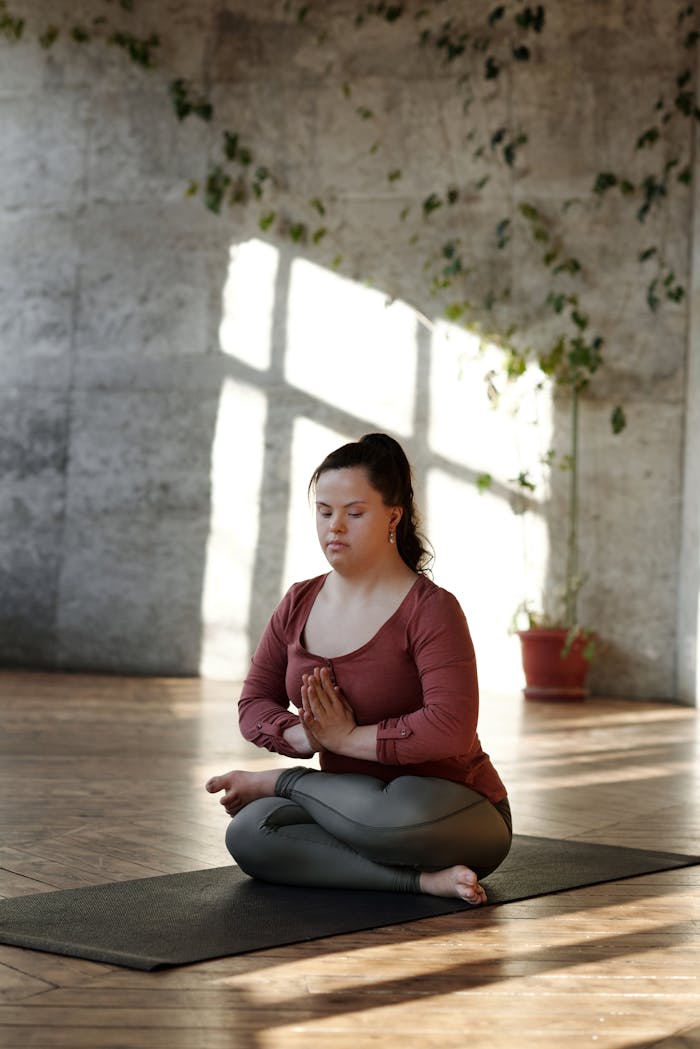
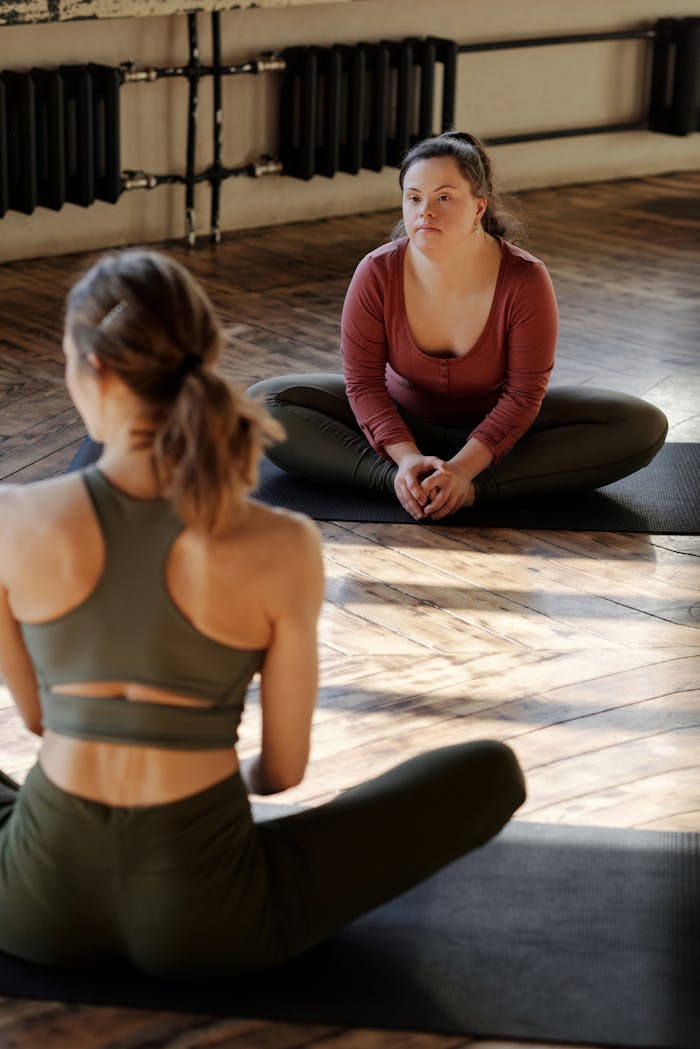
Restorative yoga is a slow, deeply supported practice designed to encourage rest rather than intense stretching or physical achievement. Poses are held comfortably for several minutes, using props to support the whole body. This steady support helps the nervous system shift toward relaxation, creating space to breathe, soften, and reconnect with yourself.
Unlike faster-paced yoga styles, restorative yoga does not require advanced flexibility, strength, or prior experience. Beginners can expect simple shapes, quiet moments, and a welcoming invitation to move at their own pace. It is one gentle option among many beginner-friendly approaches; for broader context, explore a beginner’s guide to yoga classes and benefits. In this guide, you’ll discover how restorative poses, thoughtful props, and intentional stillness can support greater balance and holistic well-being.
How Restorative Yoga Supports Relaxation and Well-Being
Restorative yoga creates space to slow down through stillness, supported shapes, and unhurried breathing. Props such as bolsters, blankets, and blocks help your body feel held, so muscles can soften without effort. This gentle environment may ease everyday stress, though it is not a substitute for medical or mental-health care.
As muscular tension decreases, breathing may become calmer and more natural. You might notice your shoulders settling, your jaw relaxing, or your breath moving more freely. These small observations build body awareness and help you recognize what support feels like.
Restorative practice also encourages a more intentional relationship with rest. Instead of treating rest as something earned, you begin to experience it as a valuable part of well-being. Even a few quiet minutes in a supported pose can offer a meaningful pause during a busy day.
Comfort is central to the practice. Productive sensation may feel steady, spacious, and manageable, while strain feels sharp, painful, or increasingly tense. Adjust your props or leave the pose whenever your body asks for change.
Restorative yoga differs from yin yoga, which may include longer-held stretches and more noticeable sensation. Restorative yoga prioritizes complete support and nervous-system rest. For a closer comparison, explore yin yoga’s approach to poses and deep relaxation.
Essential Props and How to Use Them
Props help restorative yoga feel supported, steady, and accessible. Blankets cushion joints and add warmth, while bolsters support your back, legs, or torso. Use firm cushions as bolster alternatives, and folded towels when you need smaller layers or extra padding.
Blocks bring the floor closer without straining. Stacked books can replace blocks, provided they are stable and cannot slide. Straps support arms or legs in poses, while pillows offer gentle cushioning around your head, knees, or hips. An eye pillow can soften visual stimulation and encourage relaxation.
Arrange each prop before settling into a pose. Your support should bear weight and remove effort, not force your body into a deeper position. Check that books, cushions, and blocks feel secure, and keep your breathing smooth. If you feel pressure, numbness, or strain, adjust the setup or come out slowly.
A chair can provide helpful stability, especially with limited mobility or balance concerns. Seated forward folds, supported twists, and gentle leg lifts offer a welcoming entry into restorative yoga. Choose a sturdy chair without wheels and place it on a clear, nonslip surface.
Beginner-Friendly Restorative Yoga Poses
Begin with five to ten minutes total, then build gradually as your body becomes familiar with stillness. In every shape, breathe neutrally, soften your muscles, and remember that you may adjust or come out slowly at any time.
Try supported child’s pose by placing a bolster or stacked pillows beneath your chest. Kneel comfortably, widen your knees if helpful, and rest your forehead on support. Stay for two to five minutes, welcoming a quiet, inward quality rather than seeking a deeper stretch.
For constructive rest, lie on your back with knees bent and feet on the floor. Let your arms rest easily, or place a cushion beneath your head. Hold for three to five minutes, allowing your abdomen, jaw, and shoulders to soften.
Next, explore supported reclined bound angle. Bring the soles of your feet together, support both knees with cushions, and recline over a bolster. Keep the shape spacious and restful for two to five minutes.
Legs up the wall can calm tired legs. Sit beside a wall, turn onto your back, and extend your legs upward, using a folded blanket beneath your hips only if comfortable. Rest for three to eight minutes.
Try a supported forward fold over a bolster from a comfortable seated position. Keep your spine natural and your muscles relaxed. Finish with savasana, supported by blankets, for two to five minutes.
Pregnant practitioners should seek individualized guidance and modify reclined or abdominally compressive shapes. Explore prenatal yoga safety guidance and pose modifications for additional context.
A Simple Restorative Yoga Routine for Beginners
Create a peaceful space with dim lighting, comfortable clothing, and a quiet, nonslip surface. Set a timer for 15 to 20 minutes, so you can relax without watching the clock.
Begin seated or lying down. Take five slow breaths, allowing your exhale to lengthen naturally. Move into one or two supported poses, such as a reclined bound-angle pose with cushions or a gentle supported twist. Stay for three to five minutes, then transition slowly.
Next, practice legs up the wall or rest your chest over a stack of pillows in a supported fold. Finish in savasana for two to five minutes, using blankets for warmth. Notice slower breathing or less tension afterward. There is no need to achieve complete mental silence.
Make Restorative Yoga Part of Everyday Life
Restorative yoga is an intentional pause, not passive perfection. Begin with one supported pose for a few comfortable minutes, using generous props and repeating the practice consistently. Prioritize ease over depth, and consult a qualified teacher or health professional when adapting for injuries, pregnancy, or ongoing health concerns.
Presence, compassion, and non-striving can guide mindful living beyond the mat, including karma yoga’s principles of mindful everyday living. Today, settle into a supported pose, breathe quietly, and remember that rest is a legitimate part of holistic well-being.