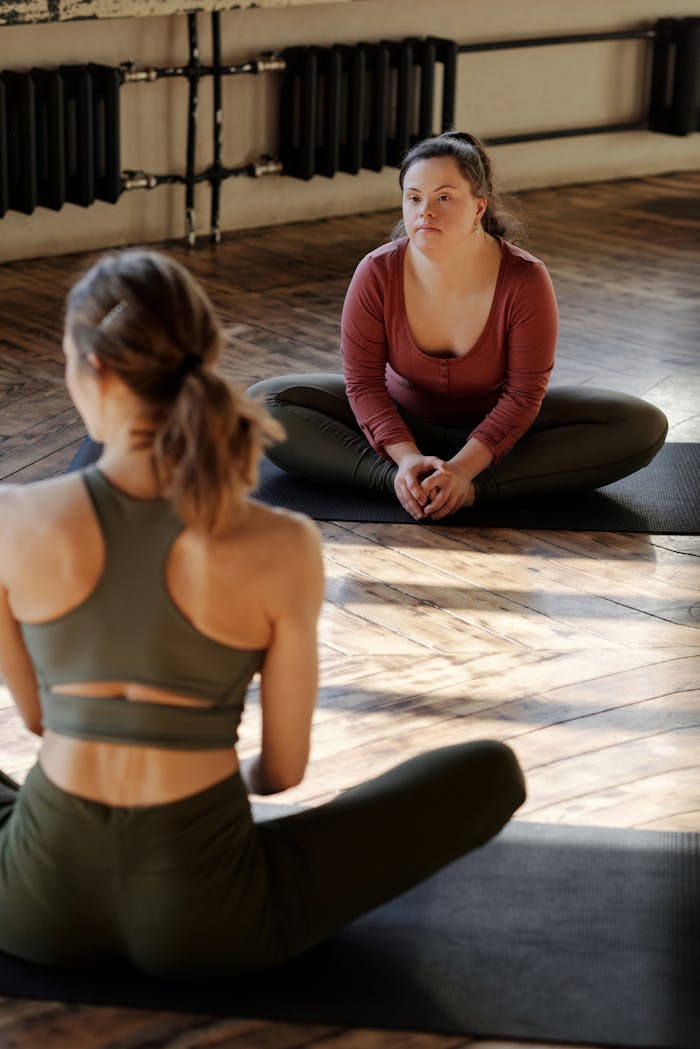
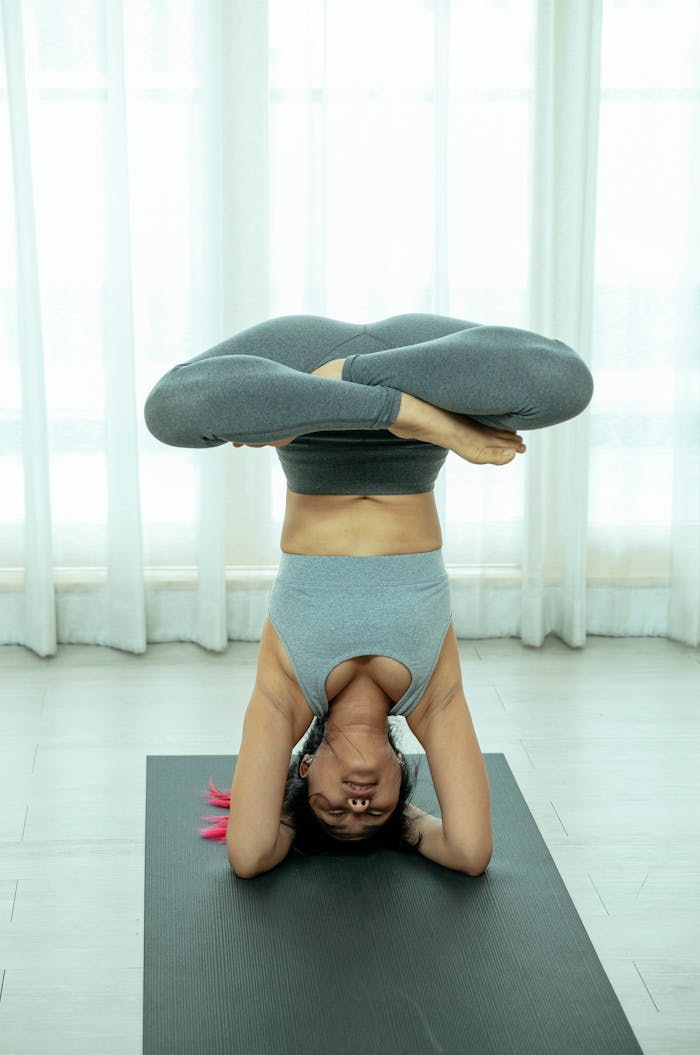
Hatha yoga offers a grounded path toward mind-body balance. Traditionally, “Hatha” refers to yoga’s physical practices. Today, hatha yoga classes often combine steady postures, breath awareness, mindful transitions, and relaxation.
Compared with fast-paced styles, the practice usually moves more slowly and deliberately. That pace gives you space to notice how your body feels, settle your attention, and build strength and mobility over time. You do not need to force flexibility or master advanced shapes. Instead, Hatha yoga meets you where you are and supports progress at an individual pace.
As we explore its benefits, you’ll discover what foundational poses can offer and how a typical class unfolds. We’ll also share simple ways to prepare, including choosing the right yoga mat for steady, comfortable practice. Whether you’re new to yoga or seeking a calmer rhythm, this approach invites curiosity, balance, and ease.
What Is Hatha Yoga? Principles and Core Elements
In practical terms, hatha yoga is a mindful practice that brings together physical postures, breathing, focus, and rest. It is not one fixed sequence. Instead, teachers interpret the tradition in different ways, shaping classes around their training, students, and studio setting.
You may begin with asana, or physical postures, using alignment cues to create stability and awareness. Pranayama, or controlled breathing, helps steady the mind and connect movement with attention. Meditation or concentration may appear through quiet focus, breath awareness, or brief pauses. Many classes end with final relaxation, allowing the body and nervous system to absorb the practice.
Hatha classes often move at a measured pace. You might hold poses longer, adjust your alignment, breathe slowly, and pause between postures rather than follow continuous choreography. This rhythm can create space to notice your body and practice with intention.
Intensity varies widely by instructor and studio. Look for descriptions such as beginner, gentle, traditional, or level-based rather than relying on the hatha label alone. Compared with heated or faster formats, hatha may feel more spacious, though some classes are physically demanding. For perspective, explore what to expect from hot yoga before choosing your preferred pace.
The Benefits of Practicing Hatha Yoga
With consistent practice, hatha yoga may support greater mobility, balance, and functional strength. Moving through foundational poses can improve body control and help you notice how you stand, sit, and move throughout the day. Results vary with your health, experience, and regularity.
The deliberate pace also creates space for body awareness. You may begin to recognize areas of tension, uneven movement, or habits that affect your posture. Over time, progress might look like steadier balance, more comfortable movement, or increased confidence—not simply achieving a deeper pose or changing your appearance.
Breathing and focused attention are central to many hatha classes. Coordinating breath with movement may help settle a busy mind, support relaxation, and strengthen present-moment awareness. Even a few mindful minutes on the mat can offer a gentle pause from daily demands.
These benefits are possibilities, not guarantees, and yoga affects everyone differently. If you have an injury, chronic condition, or specific rehabilitation needs, hatha yoga should complement—not replace—medical care or guidance from a qualified professional. Listen to your body, adapt poses when needed, and let comfort, steadiness, and awareness guide your practice.
Foundational Hatha Yoga Poses to Know
Hatha yoga often returns to a few familiar poses, helping you build awareness through steady movement and breath. In Mountain Pose, stand with feet grounded, knees soft, and shoulders relaxed over your hips. Notice your posture without forcing it.
Cat-Cow gently mobilizes the spine. From hands and knees, inhale as you broaden your chest, then exhale as you round your back. Keep the movement comfortable and let your breath set the pace.
Child’s Pose offers a quiet place to rest. Lower your hips toward your heels and support your forehead if needed. You can widen your knees or keep your arms alongside your body.
For whole-body strength and length, try Downward-Facing Dog. Press through your hands, lift your hips, and bend your knees generously. Aim for a long spine rather than straight legs. In Warrior II, widen your stance, bend your front knee, and reach your arms outward. Keep your front knee tracking toward your toes.
Seated or lying twists encourage gentle spinal mobility. Rotate from your upper back while keeping both shoulders relaxed. Move slowly, breathe steadily, and never twist into pain.
Props can shorten the distance to the floor, support balance, and make alignment more accessible. Explore how to use yoga blocks without viewing them as a sign of limited ability. Your instructor can suggest alternatives for every pose.
What to Expect in a Hatha Yoga Class
A hatha yoga class often begins with a quiet arrival. Set up your mat, settle into a comfortable seat, and notice your breath. Your teacher may guide centering or breathwork before introducing gentle movements to warm the body.
From there, the class may include standing poses, followed by seated or floor-based postures. Some teachers add meditation before Savasana, the final relaxation. Timing and order vary, so each class offers its own rhythm.
Expect demonstrations, verbal alignment cues, and occasional quiet periods. You’ll also have opportunities to rest. Child’s Pose or another comfortable position is always a welcome choice when you need to pause.
Prepare by wearing comfortable yoga clothes that allow unrestricted movement and provide the coverage you prefer. Arrive early, bring water if appropriate, and tell your instructor about injuries, pregnancy, or mobility concerns. Most importantly, come with curiosity rather than pressure to perform.
Is Hatha Yoga Right for You?
Hatha yoga may suit beginners, stressed professionals, active practitioners seeking balance, and anyone wanting to connect movement with breath and attention. With thoughtful adaptations, people with limited mobility can explore options such as chair yoga modifications.
Speak openly with a qualified teacher, and consult a healthcare professional when appropriate. When you’re ready, try a beginner-friendly class with curiosity—not perfection. Let consistency, rather than intensity, gently shape your practice.