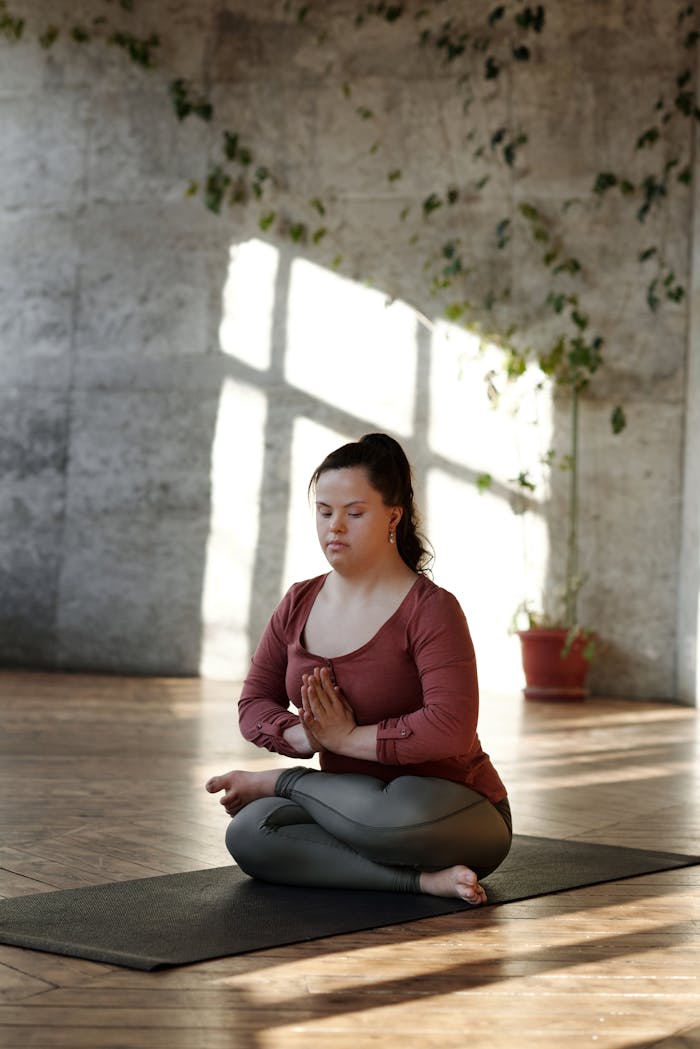
Hot yoga is a mindful movement practice performed in a heated studio, where warmth adds a distinct dimension to familiar poses. The heat may increase your sensation of flexibility and intensity, but it does not make every pose safer or more effective. Moving slowly and listening to your body matter more than reaching deeper.
As one tool for holistic well-being, hot yoga brings together breath, movement, concentration, and recovery. You’ll learn about the potential benefits of hot yoga, along with important risks, what to expect in class, and how to prepare as a beginner. Most importantly, this practice is not a test of endurance. It is an invitation to explore balance, awareness, and your own steady path toward wellness.
Potential Benefits: What Hot Yoga May Offer
With consistent practice and thoughtful pacing, hot yoga may support several aspects of physical and mental wellness. The warm room often increases sweating and creates a cardiovascular challenge, especially during flowing sequences. Sweating can help your body cool itself, but it does not prove detoxification or indicate fat loss.
Heat may also make movement feel more accessible for some beginners. As you practice safely, you may notice improved mobility, balance, and muscular endurance. Holding poses and transitioning with control can strengthen your awareness of alignment, effort, and comfort. Grounding practices, including root chakra yoga poses, may also complement a steady, mindful routine.
Hot yoga’s benefits are not only physical. Steady breathing and focused attention can help you manage stress and return your awareness to the present moment. Over time, this mindful focus may strengthen the connection between your thoughts, breath, and body.
Everyone responds differently to heat and movement. Hydration, nourishing meals, quality sleep, and regular recovery can all influence how you feel before and after class. Notice your own signals, take breaks when needed, and let progress develop at a supportive pace.
Risks, Contraindications, and Signs to Stop
Hot yoga can feel energizing, but heat and exertion also increase the risk of dehydration, dizziness, nausea, headache, and overheating. Drink water regularly, avoid pushing through warning signs, and tell your instructor how you feel. Low blood pressure may cause lightheadedness, especially when standing quickly.
Warm muscles can feel more flexible, which may tempt you to stretch too deeply. Move gradually and respect resistance to help prevent strains or joint injuries. Leaving the room, resting in child’s pose, or ending class is a responsible choice—not a failure.
Speak with a healthcare professional before attending if you are pregnant, managing a heart or blood-pressure condition, taking medication that affects hydration or temperature regulation, or recovering from an illness. If you are expecting, prenatal yoga guidance can help you choose a safer approach.
Stop immediately if you feel faint, confused, unusually weak, short of breath, or unable to cool down. Chest pain, severe headache, loss of coordination, vomiting, or fainting requires urgent medical attention. Move to a cooler space, ask for help, and seek emergency care when symptoms are severe or do not improve. Awareness is part of the practice: your body’s signals deserve patience and respect.
What to Expect in Your First Hot Yoga Class
Arrive 10–15 minutes early so you can settle in and share any injuries, health concerns, or questions with your instructor. A typical heated room feels warm and humid, often between 90 and 105°F. Bring water, a towel, a non-slip mat, breathable clothing, and a change of clothes. If you’re choosing a yoga mat, look for one that stays stable when damp.
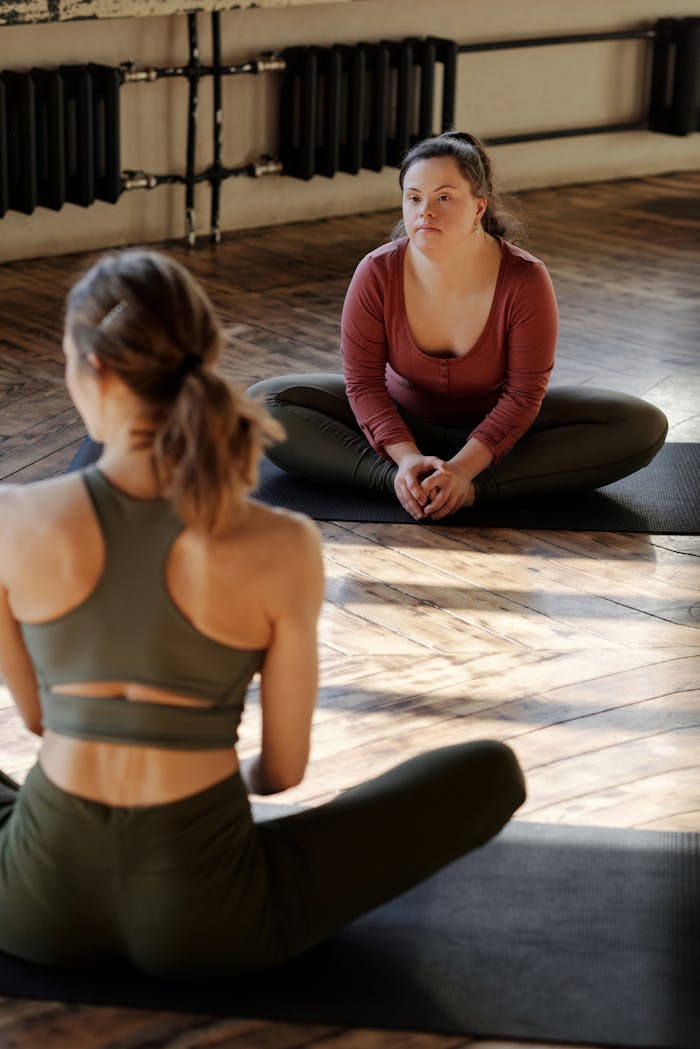
Your instructor will welcome you, explain the class structure, and offer options throughout the practice. The class may begin with gentle movements and breath awareness before building into flowing, breath-led sequences. You might feel awkward, sweaty, or less flexible than expected. That is completely normal. Focus on steady breathing and body awareness rather than matching experienced students.
Pacing usually includes stronger sequences, transitions, and pauses for rest. Use modifications, child’s pose, or a seated position whenever needed. You can also step outside briefly if the heat feels overwhelming. Listening to your body is an essential part of hot yoga, not a sign of falling behind.
After the final posture, you’ll lie still for relaxation. Following sustained effort and heat, this quiet pause may feel especially deep. Cool down gradually, drink water, change into dry clothes, and give yourself time to notice how you feel.
How Beginners Can Prepare and Practice Mindfully
Prepare your body before entering the heat. Hydrate steadily throughout the day, eat a light meal with enough time to digest, and avoid alcohol. Arrive early so you can settle in, meet your teacher, and enter class without rushing.
Choose a beginner-friendly or shorter hot yoga class for your first visit. Move gently, breathe steadily, and take breaks whenever needed. Consider a gentler morning yoga practice if you want to build comfort with yoga before adding heat.
Begin with one class and increase frequency only after your body adapts. Later that day and the next morning, notice your energy, hydration, mood, and muscle recovery. Feeling supported and well-rested matters more than practicing at maximum intensity. This mindful approach helps hot yoga become a nourishing part of your wellness journey.
Finding a Balanced Way Into Hot Yoga
Hot yoga can support strength, flexibility, focus, and connection, but heat also brings real risks. Approach each class with preparation, patience, and attention to warning signs. The most sustainable practice supports your breath, presence, strength, and recovery together—not competition or endurance pressure.
When you feel ready, try an appropriate beginner class and speak with a qualified instructor or clinician if you have health concerns. Let success mean listening well to your body, taking breaks when needed, and honoring your unique path toward wellness.