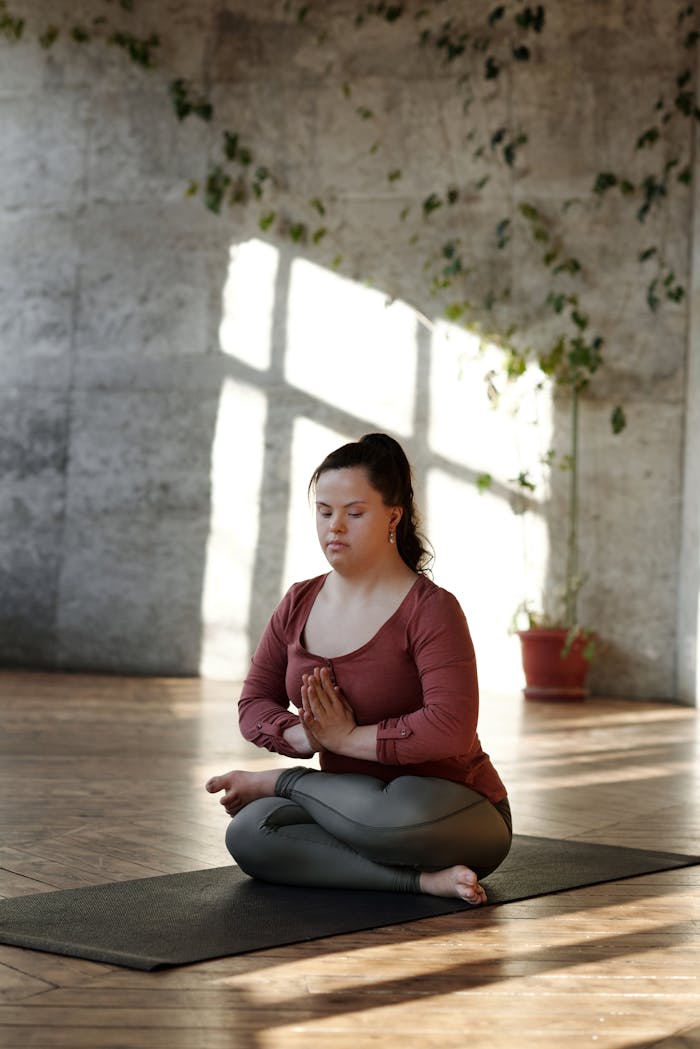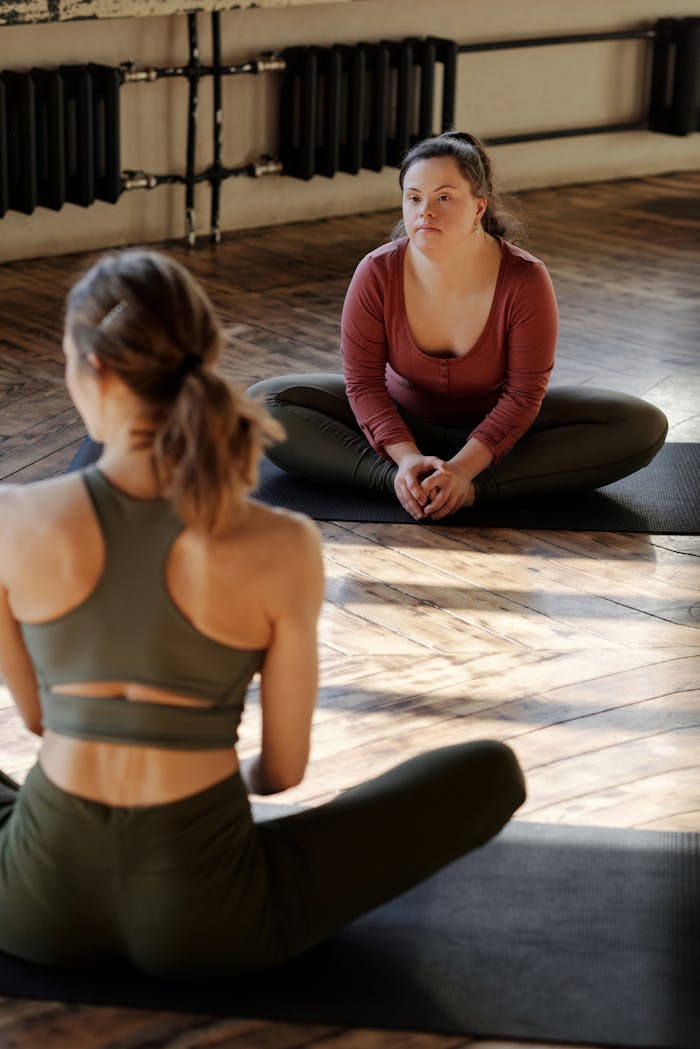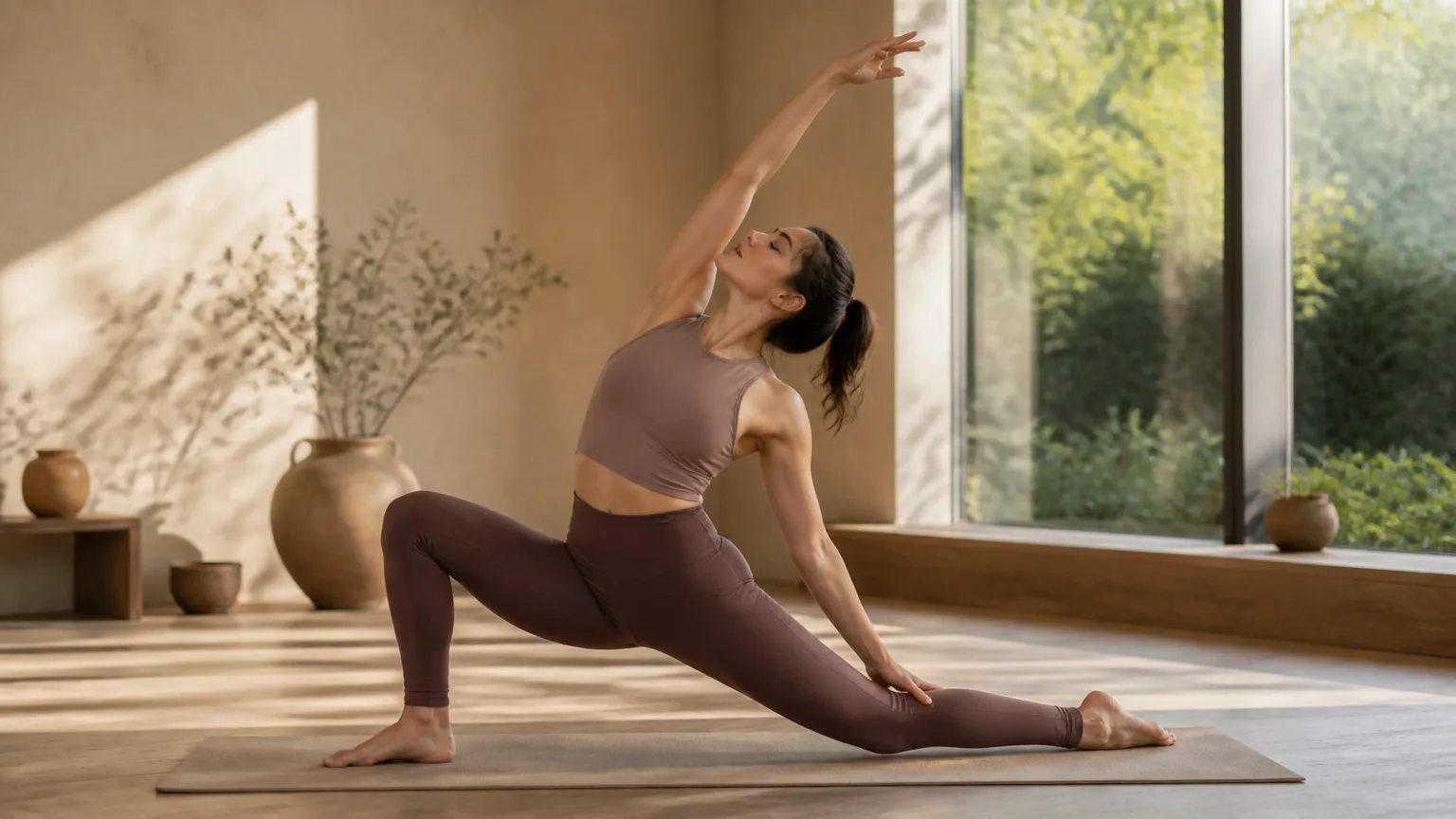
The right yoga clothes can help you feel secure, unrestricted, and present from your first breath to your final rest. When waistbands slip, fabric turns transparent, or seams press into your skin, it becomes harder to focus inward. Comfortable clothing quietly supports your practice instead of becoming a distraction.
There is no single ideal yoga outfit for everyone. The best choice depends on your body, confidence, climate, class format, and personal definition of comfort. A loose top may feel freeing in a restorative class, while a fitted layer may offer greater ease during flowing sequences or inversions.
Yoga-specific clothing often differs from general activewear in thoughtful ways. Stretchy fabrics should move with your body without losing their shape. Opaque material helps you feel covered in forward folds and wide-legged poses. Breathable fibers can support comfort through warmth and perspiration, while secure waistbands and well-placed seams help clothing stay in position during transitions.
Choosing what to wear is not a performance standard or a reason to follow every trend. Clothing can instead become a tool for mindfulness and self-awareness. Notice which fabrics, fits, and layers help you feel at home in your body, and let those observations guide your choices. This perspective connects with the broader philosophy of yoga and mindful practice.
In this guide, you’ll discover a practical way to assess yoga clothes for comfort, coverage, movement, and care. You’ll also consider how your practice style and body preferences shape the most supportive choices. With a little attention, getting dressed can become the first step toward a more comfortable, confident practice.
Start With Your Practice: Match Clothing to the Style of Yoga
The best yoga clothes begin with your actual practice. Before shopping, consider how quickly you move, how warm the room becomes, and which props or positions you use most often.
A slow restorative session usually calls for softness, warmth, and ease. Loose layers can work well during meditation, supported poses, and longer stretches. Look for comfortable fabrics that feel gentle against your skin and stay cozy while your body remains still.
Vinyasa and power yoga place different demands on your clothing. Repeated transitions, deep lunges, and inversions can make loose tops shift or fall toward your face. Fitted leggings, secure waistbands, and tops that stay in place often provide more reliable coverage during flowing sequences.
Your clothing should also support freedom of movement. Test whether you can raise your arms, bend your knees, and move through downward-facing dog without pulling or pinching. A little stretch helps yoga clothes follow your body instead of limiting your practice.
Hot yoga and vigorous classes increase the need for thoughtful fabric choices. Lightweight, moisture-wicking materials can help move sweat away from your skin. Quick-drying construction also reduces the discomfort of heavy, damp clothing.
In a heated room, minimal layering usually feels best. If you want an extra layer before class, choose something easy to remove and carry. For more guidance, explore the benefits and practical demands of hot yoga before deciding which fabrics and features suit you.
Aerial yoga introduces different considerations. Secure coverage matters when fabric shifts during hammock work, inversions, and suspended poses. Choose smooth, durable materials that will not snag, bunch, or create uncomfortable pressure against the fabric.
Full-length leggings and fitted tops often provide dependable coverage for aerial practice. Avoid loose drawstrings, dangling ties, and rough details that could catch. Your clothing should let you focus on balance and body awareness rather than constant adjustments.
Prenatal yoga calls for adaptable support and room to change. Stretchy waistbands, breathable fabrics, and gently fitted layers can accommodate your changing body. Choose pieces that feel supportive without compressing your abdomen or restricting your breath.
Outdoor yoga adds weather and surface conditions to the decision. Lightweight layers may help on warm mornings, while a soft cover-up can provide warmth during meditation. Check whether your clothing protects you from sun, wind, or cool ground as needed.
Finally, review your studio’s expectations before class. Some spaces request specific coverage or discourage certain accessories, but dress codes should guide you—not replace your comfort, confidence, or personal needs.
Choose Fabrics That Feel Good Against Your Skin
The right fabric should support your practice without distracting you. As you compare yoga clothes, look for a balance of stretch, softness, breathability, moisture management, durability, and opacity.
Four-way stretch means the fabric expands both across and along the body. This helps your clothes move with you through deep folds, lunges, twists, and wide-legged poses. Two-way stretch may feel restrictive when fabric only gives in one direction.
Fabric recovery is just as important. It describes how well material returns to its original shape after stretching. Strong recovery helps leggings stay smooth at the knees and waistband, even after repeated wear. Without it, clothing can sag, bunch, or lose support during class.
Performance synthetics, such as nylon, polyester, and elastane, are popular for active practice. Nylon often feels smooth and soft, while polyester tends to dry quickly and handle frequent washing well. Elastane adds stretch and recovery, though it is usually blended with another fiber rather than used alone.
These blends can move sweat away from your skin and keep clothing lighter during a warm class. They may also offer reliable opacity and shape retention. However, some synthetic fabrics hold odors, feel less breathable, or become uncomfortable if the knit is rough or overly tight.
Cotton feels soft and familiar, making it appealing for gentle yoga, meditation, or cooler practices. It breathes well, but it can absorb sweat and become heavy when wet. Damp cotton may also take longer to dry, which can feel uncomfortable during vigorous movement.
Bamboo-derived fabrics often feel smooth and cool against the skin. Their performance depends on the blend and construction, so check the garment rather than relying on the fiber name alone. They may offer softness and breathability, but some styles dry more slowly or provide less structure than performance synthetics.
Wool blends can help regulate temperature in cool rooms or outdoor practices. Wool naturally manages moisture and can remain comfortable across changing conditions. Still, it may feel warm, textured, or less flexible unless blended with softer or stretchier fibers.
Softness is valuable, but it is not the whole decision. A fabric can feel lovely at first and still become heavy when wet, pill quickly, turn sheer, or lose its shape. Consider how it will feel after movement, washing, and many hours of wear.
Opacity matters whenever clothing stretches. In a fitting room or at home, gently stretch the fabric across your hips, knees, and seat. Check it under bright light and try a forward fold or squat to see whether it becomes sheer.
Run your fingers along the inside seams and waistband. They should feel smooth, without scratchy threads or bulky edges. Finally, release the stretched fabric and watch how quickly it returns to shape. These simple checks can help you choose yoga clothes that feel comfortable, move freely, and support your practice over time.
Evaluate Coverage, Opacity, and Support Without Guesswork
Clothing can look perfect while standing still and behave differently in motion. Before buying, test your yoga clothes through several familiar poses. Try downward-facing dog, a forward fold, a squat, a seated twist, a wide-legged stance, and raised arms.
For leggings and shorts, check whether the fabric remains opaque as it stretches. Bend forward and squat while viewing yourself from different angles, or ask a trusted friend for feedback. If you can see more than you intend, look for denser fabric, a lined design, or a size that does not strain across the hips and thighs.
Shorts should stay comfortably in place during hip-opening poses. Shift from a wide-legged stance into a lunge or seated position and notice whether the legs ride up, twist, or expose more than you prefer. Longer inseams, a secure leg opening, or fitted layers underneath can provide extra confidence without limiting movement.
Pay attention to waistbands during folds and twists. A waistband that rolls, digs in, or slides down may become a constant distraction. Try sitting, bending, and rotating before deciding, and consider a wider, flexible waistband if you want gentle coverage across the midsection.
Tops deserve the same movement test. Raise both arms, fold forward, and twist from side to side. Watch for gaping necklines, tops that ride up, or armholes that reveal more than feels comfortable. Longer cuts, adjustable straps, higher necklines, or a close-fitting base layer may help, but no body part must be concealed for your clothing to be appropriate.
Bras and built-in shelf bras should offer the level of support that matches both your activity and your preferences. Restorative yoga, meditation, and gentle stretching may feel best with light support and minimal compression. For vigorous flows, heated classes, or repeated transitions, you may prefer wider straps, a secure underband, fuller coverage, or a more supportive design.
Support should never create pain, restricted breathing, or pressure points. If you have a larger chest, sensitive skin, limited shoulder mobility, or a preference for less compression, look for soft seams, adjustable features, and fabrics that move with you. Those with smaller chests may still value structure, coverage, or stability, while some practitioners may prefer a simple, unlined design.
Layering pieces can help you adjust coverage and warmth without committing to one level all class. A lightweight wrap, fitted tank, or breathable long-sleeved top should stay in place when arms lift and shoulders rotate. Choose smooth, non-irritating fabrics if you are sensitive to seams, heat, or friction, and select layers that are easy to remove when your body warms. The best choice reflects your shape, mobility, practice, and modesty preferences—not someone else’s rules.
Prioritize Freedom of Movement and a Distraction-Free Fit
Yoga clothes should move with you, not compete for your attention. As you reach overhead, fold forward, twist, or settle into stillness, notice whether the fabric follows your body smoothly. A supportive fit can help you feel present, while constant tugging or readjusting can interrupt breath and concentration.
Start by understanding the difference between compression, snugness, and tightness. Compression provides gentle, even support and may feel pleasantly secure. Snug clothing follows your shape without digging in, while tight clothing restricts movement or creates pressure. Your outfit should never cause numbness, pinching, chafing, skin marks that linger, or restricted breathing.
Waistbands deserve special attention. High-rise styles can offer comfortable coverage during forward folds and inversions, while mid-rise bands may feel less confining around the abdomen. Look for a waistband that stays in place without rolling, sliding, or pressing sharply into your ribs. If you notice yourself holding your breath or adjusting it between poses, try a different rise, width, or fabric.
Construction details can make a significant difference. Flatlock seams lie close to the skin and help reduce friction, especially during longer practices. A gusseted crotch gives the hips and legs more room to move in lunges, squats, and wide-legged poses. Supportive hems can keep leggings from riding up, while tag-free labels or low-irritation finishes may help sensitive skin stay comfortable.
For tops, consider how straps and armholes behave in motion. Adjustable straps can help you find secure coverage without pulling across your shoulders. Choose a silhouette that allows your arms to lift and rotate freely, without excess fabric falling over your face or a hem repeatedly riding up. A close-fitting top may feel supportive, but it should not compress your chest or make full breaths difficult.
Try yoga clothes as a complete set rather than judging each piece alone. A top that feels comfortable while standing may ride up against high-waisted leggings. Likewise, a waistband may seem flexible at first, then feel restrictive once movement begins. Walk, bend, reach, twist, and sit in the outfit before committing, if possible.
Finally, pay attention to your breath, proprioception, and mental focus. During meditation, longer holds, or balance work, even a small pressure point can become surprisingly distracting. Clothing that feels secure yet almost forgettable allows you to sense your alignment and movement more clearly, creating space for a calmer, more connected practice.
Build a Practical Yoga Wardrobe for Climate, Layers, and Daily Use
Rather than buying isolated pieces, build a small yoga wardrobe that adapts to your practice and surroundings. Start with a flexible foundation: comfortable bottoms, breathable tops, a supportive layer where needed, and one removable warm layer for transitions and savasana.
Your studio may feel warm during active flows but cool during meditation. Lightweight, moisture-managing fabrics can help you stay comfortable without feeling weighed down. In a heated room, choose yoga clothes that release heat easily and dry quickly.
For cooler studios, begin with a layer you can remove as your body warms. A wrap top, quarter-zip, or lightweight jacket can provide coverage before class and during quieter moments. Socks may also help during breathwork, meditation, or savasana, especially if the floor feels cold.
Choose outer layers with enough room for shoulder movement. You should be able to reach overhead, rotate your arms, and fold forward without pulling across the back. Avoid bulky details that press against your neck or shoulders when you lie down.
Storage matters, too. Your extra layer should fold small enough to fit beside your mat, inside a tote, or in a travel bag. Thin knits and smooth performance fabrics often work well because they add warmth without taking up much space.
A versatile layer can also support wellness routines beyond the studio. For example, a versatile yoga quarter-zip layer can work over a tank for an early walk, a breathwork session, or a cool commute. Look for practical features such as a comfortable collar, easy movement, and fabric that feels pleasant against your skin.
Seasonal outdoor practice calls for a little more planning. In spring or fall, combine a breathable base with a removable warm-up layer. Loose warm-up pants can protect your legs before class, then come off easily when movement becomes more active.
For travel, choose pieces that coordinate and serve more than one purpose. A soft top might work for yoga, lounging, and sightseeing, while a lightweight jacket can handle changing temperatures throughout the day. Keep layers simple to remove, fold, and store.
Your daily-use wardrobe does not need to be large. A few dependable combinations can support warm studios, cool rooms, outdoor practice, and restorative sessions. When each piece has a clear purpose, getting dressed becomes easier—and your attention can return to breathing, movement, and connection.
Shop More Intentionally: Sizing, Testing, Budget, and Care
A thoughtful buying process can prevent many uncomfortable purchases. Start with your measurements, including your waist, hips, bust, inseam, and torso length. Then compare them with each brand’s size chart rather than assuming your usual size will fit every label. Sizing can vary widely between manufacturers and even between different styles.
When ordering online, review the return policy before you buy. Check the allowed return window, mailing costs, hygiene restrictions, and whether sale items qualify. If possible, order only what you can comfortably return. This gives you space to test yoga clothes at home without rushing into a decision.
Try each garment through several familiar movements. Raise your arms, fold forward, squat, twist, and sit comfortably. Notice whether the waistband rolls, the fabric becomes sheer, or the seams rub. A supportive fit should stay in place without constant adjustment. For more guidance on how to choose dependable yoga gear for your practice, consider how each item performs during your real routines.
Price alone does not reveal value. Look at construction, fabric recovery, seam quality, versatility, and expected durability. A slightly more expensive pair may serve for years across yoga, walking, travel, and lounging. Thinking in terms of cost per wear can make a durable, frequently used piece more worthwhile than a cheaper item that quickly loses its shape.
You can also shop more ethically by buying fewer, better-chosen pieces. Consider transparent labor practices, recycled or lower-impact fibers, repair options, and whether a company makes realistic durability claims. Choosing versatile essentials supports both your budget and a less wasteful wardrobe.
Care habits help your yoga clothes last. Follow the garment’s temperature instructions, and avoid unnecessary high heat, which can weaken elastic and technical fibers. Wash sweaty garments promptly, especially after heated practice. Skip fabric softener when it reduces moisture-wicking performance or leaves a coating on the fabric.
Eventually, every garment needs replacing. Persistent odor after washing, stretched-out elastic, thinning fabric, failed seams, or lost opacity are clear signs. Replace anything that remains uncomfortable after you adjust the fit. Clothing should support your movement—not distract you from breath, balance, or ease.
Frequently Asked Questions About Choosing Yoga Clothes
What should a beginner wear to yoga?
Clean, comfortable, stretchy clothing is enough for your first class. Choose pieces that stay in place when you bend, reach, and change positions. Specialized yoga brands are optional; start with what feels supportive and practical in your wardrobe.
Are leggings or loose pants better for yoga?
Leggings offer close-fitting stability and make it easier to see your alignment. Loose pants provide more airflow and may feel comfortable during restorative or gentle practices. Consider layering for changing temperatures, and choose the option that supports your movement and personal comfort.
Do you need a sports bra for yoga?
Support needs vary by body, personal preference, and class intensity. A gentle class may call for light support, while flowing sequences or inversions may feel better with more stability. Support should not mean painful compression; your bra should allow comfortable breathing and movement.
How can you tell if yoga leggings are squat-proof?
Test leggings in several positions, including a squat, forward fold, lunge, and seated stretch. Check them in bright and dim lighting, ideally with a mirror or trusted friend’s help. Marketing terms can be useful, but your own movement test offers a more reliable answer.
What should you avoid wearing to yoga?
Avoid restrictive seams, slippery fabrics, and distracting hardware that can press into your skin. Overly loose tops may shift during inversions, while absorbent garments can become uncomfortable when damp. Choose yoga clothes that feel secure, breathable, and easy to forget once practice begins.
Choose Yoga Clothes That Let You Return to Your Practice
The best yoga clothes help you breathe, move, and feel at ease in your own body. They should offer the coverage and support you want without demanding constant adjustment or attention.
Before choosing, use this simple checklist: suitable fabric, a secure fit, desired coverage, unrestricted movement, appropriate layering, and easy care. A few dependable pieces can support your regular practice in changing temperatures and settings. Then, notice what works during real classes and refine your wardrobe over time, rather than following every trend.
Your clothing does not need to be expensive or perfectly styled to serve you well. Mindful practice is not dependent on appearance, price, or a particular silhouette. Choose what helps you feel comfortable, present, and free to return to your breath, your movement, and your own path.